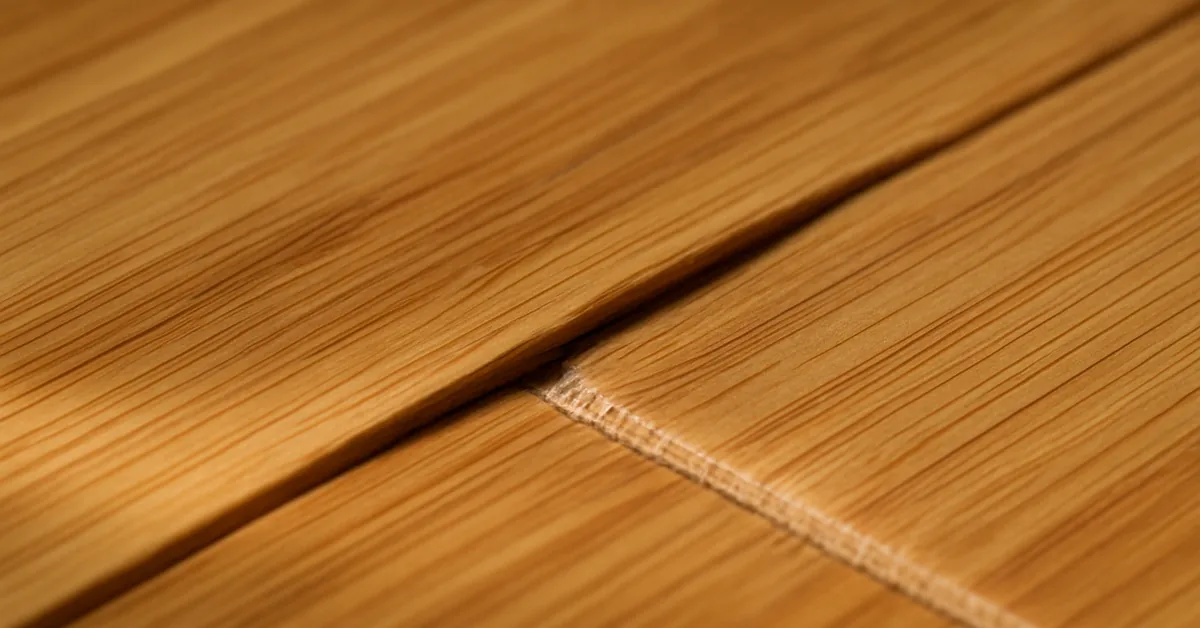
Bamboo Flooring Problems: What’s Avoidable, Fixable, or Permanent
Most bamboo flooring problems trace back to one of two causes: a material limitation inherent to bamboo, or a preventable installation mistake — and the two require completely different fixes. Moisture-related cupping is permanent once it sets in; skipped acclimation and missing vapor barriers are avoidable with correct installation. Confusing the two leads homeowners to blame bamboo as a material when the real cause was a rushed install, or to attempt a "fix" on damage that can’t be reversed. This guide sorts every common bamboo flooring problem by cause and by whether it’s preventable, fixable, or permanent.
Quick Answer
Bamboo flooring problems fall into two buckets: material limits (moisture cupping, warping, VOC off-gassing, weaker carbonized strands) that can’t be undone once they happen, and installation mistakes (skipped acclimation, no vapor barrier, wrong cleats) that are fully preventable. Scratches and dents are the main day-to-day durability concern despite bamboo’s 3,000–5,000+ Janka hardness rating.
What Causes Bamboo Flooring Problems — Material or Installation?
Bamboo flooring problems come from two distinct sources: bamboo itself is a grass that absorbs and releases moisture faster than solid hardwood, and installers who skip acclimation, vapor barriers, or correct fasteners create separate, avoidable defects that look identical to material failure.
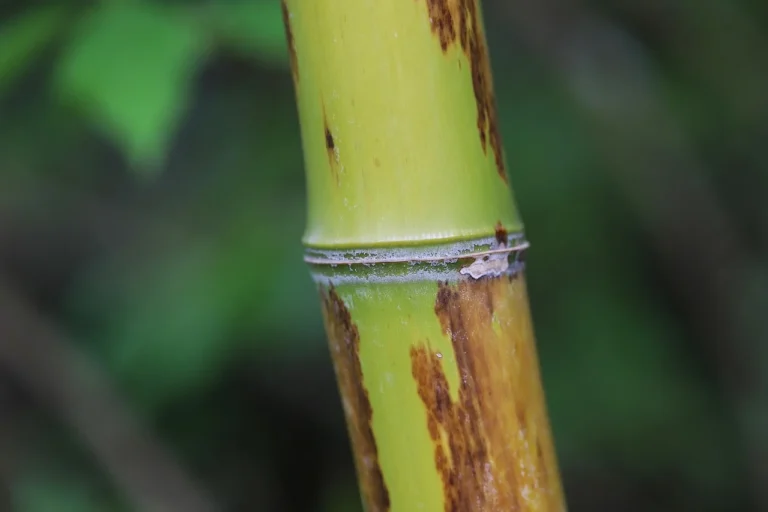
Bamboo is not wood — it’s a grass, laminated into flooring under heat and pressure. That construction method is why bamboo swells and contracts faster than most hardwoods when humidity shifts, which is a fixed material trait, not a manufacturing defect. Installation-caused problems are different: they come from skipping the acclimation period, using the wrong vapor barrier, or nailing strand-woven bamboo with the wrong cleat gauge — and every one of these is preventable with correct setup.
Which Bamboo Flooring Problems Are Permanent Once They Happen?
Moisture-related cupping and warping are permanent — once bamboo strands absorb enough moisture to swell and distort, sanding or refinishing does not reverse the shape change. The only fix is replacing the affected boards after the moisture source is corrected.
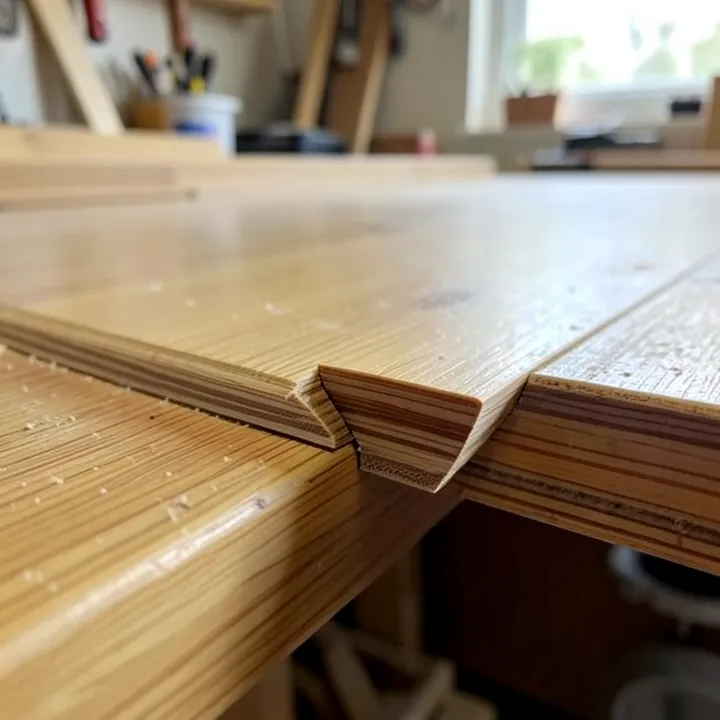
Bamboo absorbs and releases moisture faster than most solid hardwoods because it’s a grass, not a wood — comparison data shows bamboo swells and contracts more readily with humidity changes than hardwood species. According to Wagner Meters’ wood moisture research, flooring performs best in 35–50% relative humidity, with bamboo specifically targeting a 5.5–5.9% moisture content in low-humidity environments. Once a board cups from excess moisture, the fibers have already swollen unevenly; refinishing only levels the surface temporarily, and the board will cup again under the same conditions. Bamboo is more moisture-resistant than solid hardwood day-to-day, but it is not waterproof — see our breakdown of whether bamboo flooring is actually waterproof for standing-water specifics.
Carbonized bamboo has an added permanent weakness: the heat treatment that darkens its color also breaks down the fiber structure, so carbonized boards run softer and more prone to denting than natural or strand-woven bamboo — a trade-off that can’t be fixed after purchase, only avoided by choosing natural or strand-woven bamboo instead.
Which Problems Are Preventable With Correct Installation?
Most reported bamboo flooring installation failures — cupping within months, hollow-sounding planks, cloudy finish spots — trace back to skipped acclimation, missing vapor barriers, or wrong fasteners, not defective bamboo. Following manufacturer acclimation and moisture-barrier specs prevents nearly all of them.
- Acclimate before installing: Let bamboo boards sit in the install room for a minimum of 72 hours, extended to 10 days in unusually dry or humid climates, so the wood reaches the room’s moisture equilibrium before it’s locked into place.
- Seal the subfloor: Install a 6-mil polyethylene vapor barrier, extended at least 18 inches beyond the flooring’s edge, over any wood subfloor — skipping this is one of the most common installation-side causes of cupping.
- Check concrete moisture: On concrete slabs, keep moisture under the 15-lb standard limit for adhesives and apply 100% glue coverage — partial coverage lets moisture wick up through gaps.
- Use the correct cleat gauge: Strand-woven bamboo requires 18-gauge cleats when nail-down installing; undersized cleats create dimples and loosen over time.
- Hold humidity steady: Keep indoor relative humidity in the 40–60% range year-round with HVAC, not just during installation — swings outside this range cause post-installation expansion and contraction even on a correctly installed floor.
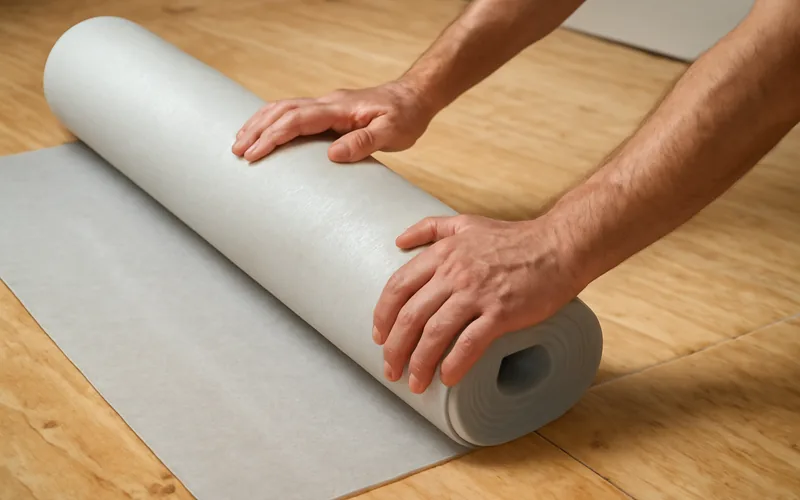
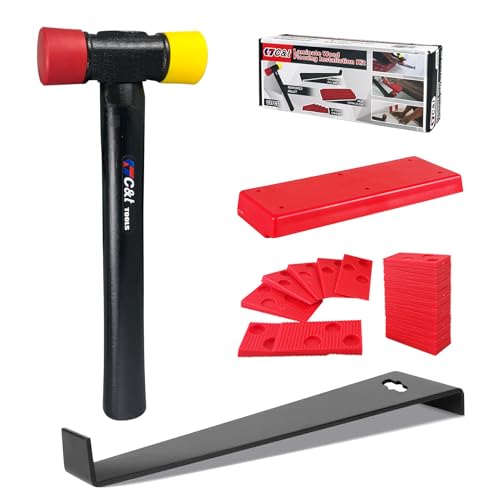
For the full room-by-room walkthrough — floating, glue-down, and nail-down methods included — see our complete guide to installing bamboo flooring.
How Durable Is Bamboo Flooring, Really?
Strand-woven bamboo rates 3,000–5,000+ on the Janka hardness scale, harder than red oak — but hardness resists denting, not scratching. Bamboo’s factory finish, not the bamboo itself, is what actually gets scratched by grit, pet claws, and dragged furniture.
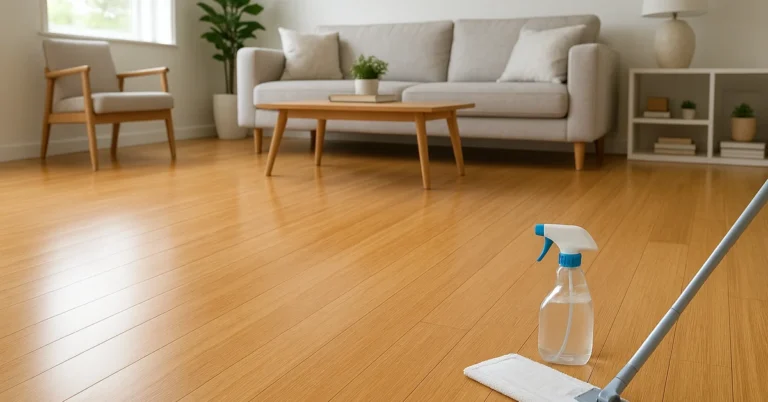
That Janka number explains why bamboo resists dents from dropped tools and furniture legs better than many hardwoods, but scratches happen in the surface finish — usually aluminum oxide or UV-cured polyurethane — not in the bamboo strands underneath, the same failure point as prefinished hardwood. Most of that finish-level scratching is preventable with the right day-to-day routine — see our guide on how to clean bamboo floors without damaging the finish. See how that hardness number holds up in practice in our guide to how strong bamboo actually is. Manufacturing consistency matters here too: there is no industry-standard bamboo grading system the way there is for hardwood lumber, so hardness and finish quality vary between manufacturers even at the same stated Janka rating — buying from a single, established manufacturer reduces this risk more than chasing the highest advertised number.
Is Bamboo Flooring Toxic or Unsafe Indoors?
Bamboo flooring can emit VOCs from the urea-formaldehyde adhesives used to laminate the strands together, which is a real indoor air quality concern in the first weeks after installation — not an ongoing hazard once the off-gassing period passes.
Ventilate the room for the first 1–2 weeks after installation to clear the bulk of VOC off-gassing. If indoor air quality is a priority, look for boards certified low-VOC or compliant with CARB Phase 2 formaldehyde limits before buying — this is on the product spec sheet, not something you can judge by smell alone once the floor is already down.
Bamboo vs Hardwood — Which Has Fewer Problems?
Bamboo cups and swells faster than most solid hardwoods because it’s a grass laminated into planks, not a single piece of wood — but it costs less per square foot and rates harder on the Janka scale than many popular hardwood species.
| Factor | Bamboo | Solid Hardwood |
|---|---|---|
| Moisture/cupping risk | Higher — grass absorbs/releases moisture faster | Lower — denser cellular structure resists faster swings |
| Janka hardness | 3,000–5,000+ (strand-woven) | Varies by species — red oak ≈1,290 |
| Cost per sq ft | $7–$20 | $5–$15 |
| Grading standard | None industry-wide | NWFA grading standards exist |
If you’re still deciding between bamboo and hardwood for a specific room, see our prefinished bamboo flooring pros, cons, and costs breakdown, or compare every flooring type side by side in our wood flooring guide.
Is bamboo flooring a bad choice?
No — bamboo flooring is a reasonable choice for most rooms when it’s installed correctly and kept within a stable humidity range. It becomes a bad choice specifically for rooms with frequent water exposure or uncontrolled humidity swings, where its faster moisture response compared to hardwood turns into cupping.
Does bamboo flooring scratch easily?
Bamboo’s factory finish scratches about as easily as prefinished hardwood’s finish — grit tracked in on shoes and unprotected furniture feet are the most common causes. The bamboo strands underneath are harder than many hardwoods (3,000–5,000+ Janka), but the finish layer is what actually takes the scratch. If you’d rather change the color outright instead of just repairing scratches, painting over that factory finish is possible, but it needs more aggressive prep than staining does.
How long does bamboo flooring last?
Quality bamboo flooring typically lasts 20–25 years with correct installation and humidity control, similar to solid hardwood. Moisture damage or a skipped acclimation period can cut that lifespan dramatically, sometimes requiring board replacement within the first year.
Can a cupped bamboo floor be fixed?
A cupped bamboo floor cannot be fixed by refinishing alone — the boards have already swollen unevenly, and sanding only levels the surface temporarily until humidity shifts again. The only lasting fix is replacing the affected boards after correcting the moisture source, such as a leak, missing vapor barrier, or high indoor humidity.
Is bamboo flooring toxic?
Bamboo flooring is not toxic once installed and off-gassed, but the urea-formaldehyde adhesives used to laminate the strands can emit VOCs for the first 1–2 weeks. Choosing boards certified low-VOC or CARB Phase 2 compliant, and ventilating the room after installation, addresses this.
Sort any bamboo flooring problem into one of three buckets before deciding what to do about it: a material limit you work around (moisture sensitivity, VOC off-gassing), an installation mistake you prevent next time (skipped acclimation, missing vapor barrier), or permanent damage that needs board replacement (established cupping). For everyday care that avoids adding new problems, see our guide to cleaning and maintaining bamboo floors.
Sponsored / affiliate links. As an Amazon Associate I earn from qualifying purchases. I may earn additional commission from eligible campaigns.