Nitrocellulose Vs Polyurethane: Ultimate Finish Showdown
When it comes to choosing the perfect finish for your project, you might feel overwhelmed by all the options. Two popular choices you’ve probably heard of are Nitrocellulose and Polyurethane.
But which one is right for you? Understanding the differences can save you time, money, and frustration. You’ll discover how each finish works, their pros and cons, and which one suits your needs best. Stick with us, and by the end, you’ll feel confident making the right decision for your project.
Nitrocellulose Basics
Nitrocellulose is a popular finish used in woodworking and instruments. It has been around for many years and remains a favorite for its unique qualities. Understanding nitrocellulose helps in choosing the right finish for your project.
This finish is known for its smooth feel and quick drying time. It also offers a classic look that many craftsmen appreciate. Let’s explore the basics of nitrocellulose in more detail.
Composition And Properties
Nitrocellulose is made by treating cellulose with nitric acid. This creates a highly flammable compound that dissolves in solvents. The finish forms a thin, hard film on surfaces.
It dries fast and allows layers to build up smoothly. Nitrocellulose is breathable, which means it lets moisture escape. This helps wood age naturally over time.
Common Uses In Finishing
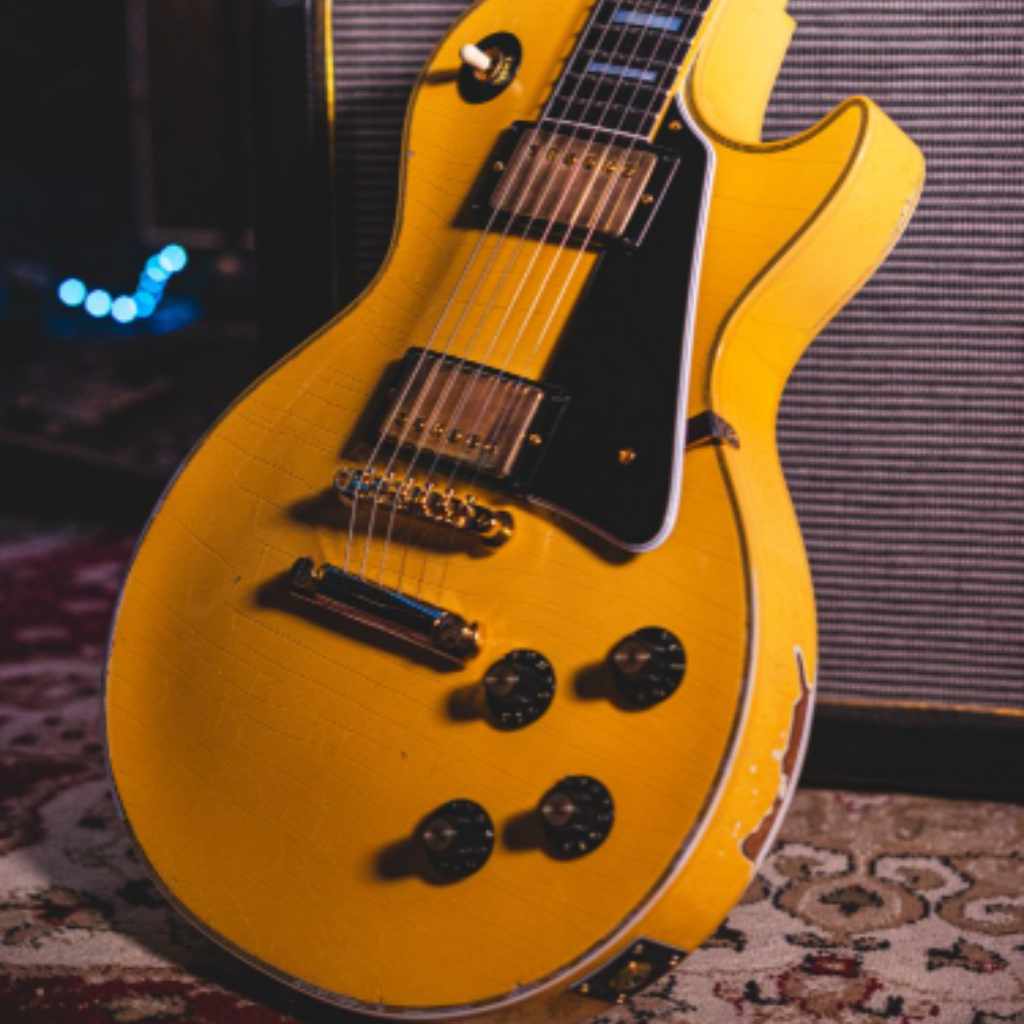
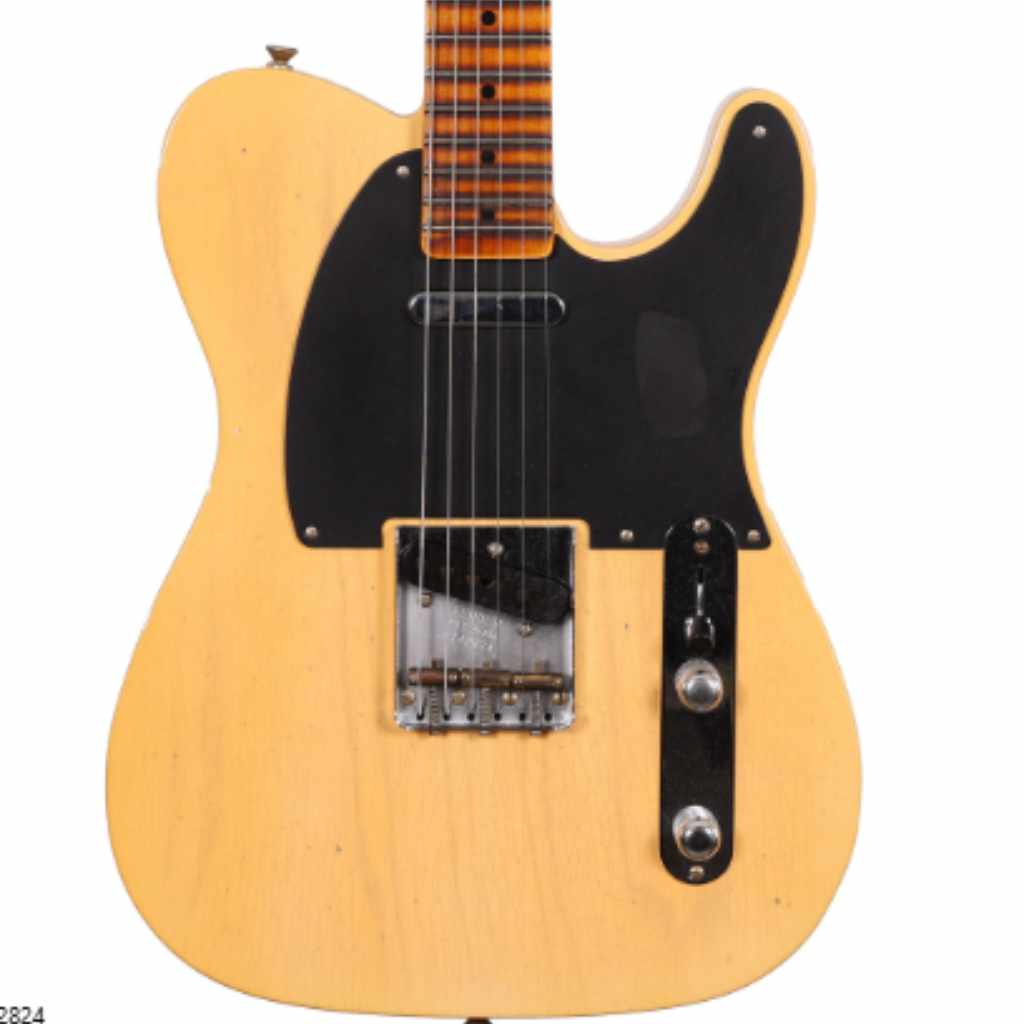
Nitrocellulose is widely used on guitars, furniture, and antiques. It gives a vintage look that many collectors prefer. The finish enhances the wood’s natural grain and color.
It is also popular for restoring old pieces. The finish is easy to repair and blend with existing layers. This makes it a top choice for refinishing projects.
Application Techniques
Applying nitrocellulose requires careful preparation and thin coats. Most use spray guns or aerosol cans for smooth coverage. Each layer dries quickly, allowing multiple coats in a short time.
Sanding between coats helps achieve a glossy, even surface. Proper ventilation is essential due to strong fumes. With practice, nitrocellulose can create a beautiful, lasting finish.
Polyurethane Essentials
Polyurethane is a popular finish used in many projects. It offers strong protection and a smooth look. This material is versatile and comes in different forms. Understanding its key features helps choose the right type for your needs.
Polyurethane works well on wood, metal, and other surfaces. It creates a tough layer that resists scratches and water. This makes it a reliable choice for floors and furniture.
Chemical Makeup
Polyurethane is made from polymers with urethane links. These chemical bonds create a durable and flexible material. The mix often includes oils and solvents. These parts affect how the finish feels and performs.
Typical Applications
This finish is common on floors, cabinets, and furniture. It protects wood from damage and wear. Polyurethane also works on metal to prevent rust. People use it indoors and outdoors because it lasts long.
Methods Of Application
You can apply polyurethane by brushing, spraying, or wiping. Brushing is simple and good for small areas. Spraying gives a smooth, even coat on large surfaces. Wiping is fast and helps avoid bubbles.
Each method needs careful drying time. Multiple thin coats give the best results. Sanding between coats improves the finish’s smoothness.
Durability And Protection
Durability and protection are key factors when choosing between nitrocellulose and polyurethane finishes. These finishes affect how well a surface resists damage and how long it lasts. Understanding their strengths helps you pick the right finish for your needs.
Resistance To Wear And Tear
Nitrocellulose offers moderate resistance to daily wear. It can show signs of aging faster than polyurethane. Polyurethane is tougher and handles heavy use well. It protects surfaces from constant rubbing and abrasion. This makes polyurethane ideal for floors and furniture with high traffic.
Impact On Surface Longevity
Surfaces coated with nitrocellulose may need refinishing sooner. The finish can break down under sunlight and moisture. Polyurethane forms a strong, long-lasting layer. It shields surfaces from damage caused by water and UV rays. Polyurethane finishes can extend the life of wood significantly.
Scratch And Chemical Resistance
Nitrocellulose is prone to scratches and chemical damage. It reacts poorly to household cleaners and solvents. Polyurethane resists scratches better and handles chemicals without damage. It creates a hard, protective barrier. This makes polyurethane a better choice for kitchens and workshops.
Appearance And Aesthetics
The look of a finish matters a lot. It shapes how people see furniture or woodwork. Nitrocellulose and polyurethane give different visual effects. Both have unique traits that affect the final appearance. Knowing these helps pick the right finish for your project.
Gloss And Sheen Options
Nitrocellulose offers many gloss levels. It can be matte, satin, or high gloss. This variety lets you choose the perfect shine. Polyurethane also comes in several sheen options. It usually has a thicker coat and a smoother surface. Both finishes can create a glossy or soft look.
Color Enhancement
Nitrocellulose enhances wood color well. It allows the wood grain to show clearly. This finish deepens the natural beauty of wood. Polyurethane forms a solid layer on top. It protects color but may hide some grain details. Nitrocellulose often looks more natural and warm.
Aging And Yellowing Effects
Nitrocellulose tends to yellow with age. This can give wood a vintage, warm glow. Polyurethane is more resistant to yellowing. It keeps the original color longer. Over time, nitrocellulose may show cracks or wear. Polyurethane lasts longer and stays clearer.
Drying And Curing Time
Drying and curing time plays a key role in choosing between nitrocellulose and polyurethane finishes. These times affect project speed and final durability. Understanding how each finish dries helps plan your work better.
Initial Dry Time
Nitrocellulose dries quickly to the touch, often within 20 to 30 minutes. This fast drying allows for multiple coats in a short period. Polyurethane takes longer, usually around 4 to 6 hours to become dry to touch. This slower initial dry time means you must wait before handling the surface.
Full Cure Duration
Nitrocellulose may feel dry fast but needs about 7 to 14 days to fully cure. During this time, the finish hardens and gains strength. Polyurethane requires a longer cure time, often 21 to 30 days. Full curing ensures the best resistance to wear, water, and chemicals.
Factors Influencing Drying
Temperature and humidity greatly affect drying times. Warm, dry air speeds up both finishes. Cold or humid conditions slow the process. The thickness of the applied coat also matters. Thicker coats take longer to dry and cure. Proper ventilation helps remove solvents and speeds drying.
Application Challenges
Choosing between nitrocellulose and polyurethane coatings involves several challenges during application. Each finish behaves differently, impacting the ease and quality of the work. Understanding these challenges helps avoid mistakes and ensures a better result.
Ease Of Use
Nitrocellulose dries quickly, allowing faster project completion. It is easy to apply with a spray or brush. However, it may require several coats for full coverage. Polyurethane takes longer to dry, requiring patience. It tends to be thicker and may need thinning. Applying polyurethane evenly can be tricky for beginners.
Environmental Considerations
Nitrocellulose contains volatile organic compounds (VOCs) that affect air quality. It needs good ventilation during use. Polyurethane also releases VOCs but usually at a lower level. Some water-based polyurethane options offer a safer choice for the environment. Proper disposal of leftover materials is important for both.
Health And Safety Aspects
Nitrocellulose is highly flammable and can cause skin irritation. Users should wear gloves and masks. Polyurethane fumes may cause headaches and dizziness. It is less flammable but still requires caution. Both finishes demand a well-ventilated workspace to reduce health risks.
Cost And Availability
Cost and availability play a big role in choosing between nitrocellulose and polyurethane finishes. Both materials serve different purposes and budgets. Knowing their price and market presence helps make a smart choice.
Price Comparison
Nitrocellulose tends to cost less upfront. It is cheaper to produce and buy in small amounts. Polyurethane often has a higher price due to its durability and complex production. The price gap depends on quality and brand.
Market Accessibility
Nitrocellulose is widely available in craft stores and online shops. Many hobbyists prefer it for easy access. Polyurethane is common in hardware stores and professional outlets. It comes in various forms for different uses.
Value For Money
Nitrocellulose offers good value for short-term projects. It dries fast and provides a nice finish. Polyurethane lasts longer and protects better. It suits projects needing strong, long-lasting coats. Spending more can save money over time.
Choosing The Right Finish
Choosing the right finish for your project matters a lot. The finish protects the surface and adds beauty. Nitrocellulose and polyurethane are popular choices. Each works better for certain needs. Understanding their differences helps you decide well. This section breaks down key points to consider before picking one.
Project Type Considerations
Think about what you are finishing. Wood furniture, musical instruments, or floors need different care. Nitrocellulose works well on vintage furniture and guitars. It dries fast and looks natural. Polyurethane fits floors and kitchen cabinets. It forms a strong, thick layer. Match the finish to the project for best results.
Desired Finish Characteristics
Decide how you want the surface to look and feel. Nitrocellulose gives a smooth, glossy shine. It ages beautifully with fine cracks called patina. Polyurethane offers a harder, more durable surface. It comes in glossy, satin, or matte finishes. Choose the finish that fits your style and use.
Long-term Maintenance
Consider how much care the finish needs over time. Nitrocellulose may need touch-ups as it wears faster. It is easier to repair in small spots. Polyurethane lasts longer and resists water and scratches. It requires less frequent maintenance but is harder to fix if damaged. Think about your patience for upkeep before choosing.
Frequently Asked Questions
What Is The Main Difference Between Nitrocellulose And Polyurethane?
Nitrocellulose dries faster but is less durable. Polyurethane offers superior durability and a harder finish. Nitrocellulose is often used for vintage guitar finishes. Polyurethane provides better resistance to scratches and chemicals.
Which Finish Is Better For Guitar Durability?
Polyurethane is better for guitar durability. It resists scratches, chemicals, and wear more effectively than nitrocellulose. Nitrocellulose can crack and wear over time. Polyurethane finishes maintain their appearance longer under heavy use.
How Do Nitrocellulose And Polyurethane Affect Guitar Tone?
Nitrocellulose is thinner, allowing wood to breathe and resonate better. Polyurethane is thicker, which can slightly dampen tone. Many musicians prefer nitrocellulose for vintage tonal qualities. Polyurethane provides a more protective but less tonal finish.
Is Nitrocellulose More Eco-friendly Than Polyurethane?
Nitrocellulose uses natural cellulose but contains volatile solvents. Polyurethane is synthetic and may release harmful fumes during application. Both have environmental impacts, but nitrocellulose is generally considered less toxic. Proper ventilation is essential when applying either finish.
Conclusion
Choosing between nitrocellulose and polyurethane depends on your project needs. Nitrocellulose offers a classic look but wears faster. Polyurethane provides strong, long-lasting protection. Think about the surface and how much wear it will face. Consider drying time and ease of use too.
Both finishes have clear benefits for different uses. Decide what matters most: appearance, durability, or application. Your choice will shape the final result. Simple steps lead to great finishes.