A Beginner’s Guide to Using an Offset Reciprocating Saw Blade
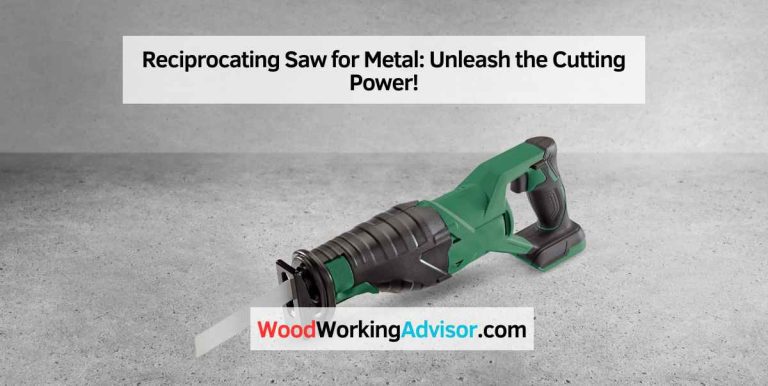
An offset reciprocating saw blade is a special blade for a reciprocating saw, often called a Sawzall. Unlike regular blades, it has a bent or angled design that moves the cutting edge away from the saw’s body. This lets you cut flush against surfaces like walls or floors without the saw getting in the way. It’s perfect for tight spots, like trimming baseboards or cutting pipes close to a wall. I first used one to remove old flooring, and it was like magic—clean cuts with no damage to the wall!
Offset blades come in two main types: blades with a built-in offset or adapters that offset a standard blade. They’re great for wood, metal, or even drywall, depending on the blade’s teeth. Why does it matter? It saves time, reduces frustration, and makes your cuts look pro-level, even if you’re just starting out.
Why Use an Offset Reciprocating Saw Blade?
Offset blades shine in situations where regular blades fail. Imagine trying to cut a pipe flush against a wall—standard blades can’t get close because the saw’s nose bumps into the surface. An offset blade solves this by shifting the cutting edge outward. Here’s why I love them:
- Flush cuts: Perfect for cutting right up against walls, floors, or corners.
- Tight spaces: Great for remodeling or plumbing jobs where space is limited.
- Versatility: Works on wood, metal, pipes, and more with the right blade.
- Saves effort: No need to chisel or sand down rough cuts afterward.
The downside? Offset blades can be pricier, and they may vibrate more, so you need a steady hand. But for flush cuts, they’re unbeatable.
Tools and Materials You’ll Need
Before you start, gather these basics. You don’t need fancy gear to use an offset reciprocating saw blade, but having the right stuff makes it a piece of cake.
- Reciprocating saw: Any brand like DeWalt, Milwaukee, or Bosch works. I use a cordless DeWalt for portability.
- Offset blade or adapter: Choose a blade for your material (wood, metal, or multi-purpose). Milwaukee’s 12-inch flush-cut blade is a solid pick for beginners.
- Safety gear: Safety glasses, gloves, and ear protection are a must. Trust me, saws are loud!
- Clamps or grips: To hold your workpiece steady.
- Measuring tape and pencil: For marking your cut line.
Tip: Check your saw’s manual to ensure the blade or adapter fits. Most reciprocating saws use a standard shank, but it’s worth a quick look.
Step-by-Step Guide to Using an Offset Reciprocating Saw Blade
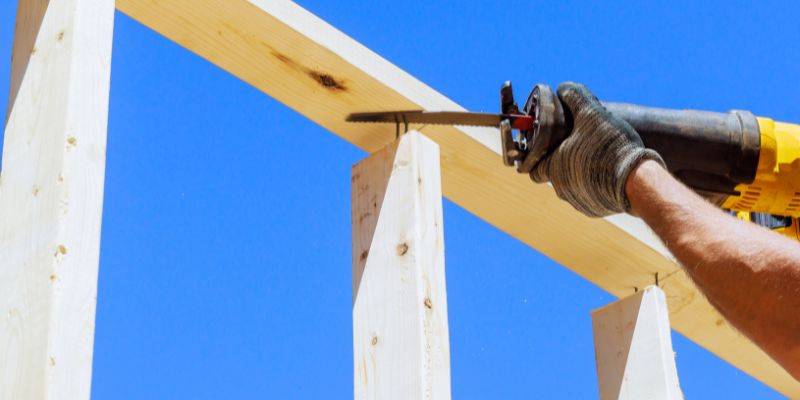
Ready to try it? Here’s a simple project: cutting a baseboard flush against a wall. I did this when renovating my living room, and it was a total win. Follow these steps for a clean cut.
- Pick the right blade: Choose an offset blade for wood (6-10 TPI for baseboards). I used a LENOX 9-inch wood-cutting blade with an offset design.
- Set up your saw: Attach the offset blade or adapter to your saw. Make sure it’s secure—give it a gentle tug to check.
- Mark your cut: Use a pencil to draw a line where you want to cut. For flush cuts, mark right against the wall.
- Secure the workpiece: Clamp the baseboard or hold it firmly. This prevents wobbling.
- Position the saw: Align the blade’s cutting edge with your mark. The offset keeps the saw’s body clear of the wall.
- Start cutting: Pull the trigger gently and guide the blade along the line. Let the saw do the work—don’t force it.
- Check your cut: Stop and inspect. If it’s not flush, adjust your angle and go again.
Safety Tip: Always keep both hands on the saw and wear glasses. Bits of wood or metal can fly!
Comparing Offset Blades and Adapters
Not sure whether to get an offset blade or an adapter? I’ve tried both, and here’s a quick comparison to help you decide.
| Feature | Offset Blade | Offset Adapter |
|---|---|---|
| Cost | $10-$20 per blade | $15-$30, reusable with standard blades |
| Ease of Use | Ready to use, no setup | Needs assembly, but versatile |
| Flexibility | Limited to blade’s material | Use any standard blade |
| Best For | Quick, specific jobs | Multiple projects, budget-friendly |
Caption: This table compares offset blades and adapters based on my experience. Choose based on your project needs and budget.
Common Mistakes to Avoid
I’ve made my share of goofs with offset blades, so here are pitfalls to dodge:
- Wrong blade for the job: Using a wood blade on metal will ruin it fast. Match the blade to your material (e.g., 14-18 TPI for metal).
- Forcing the cut: Let the saw’s speed do the work. Pushing too hard causes vibration and messy cuts.
- Skipping safety gear: I once got sawdust in my eye—ouch! Always wear glasses and gloves.
- Loose blade: A wobbly blade can snap. Double-check it’s locked in before starting.
Pro Tip: If your blade bends, don’t panic. Thin blades can often be hammered flat and reused for rough cuts.
Personal Tips from My Toolbox
After years of using offset reciprocating saw blades, I’ve picked up a few tricks that make life easier:
- Lubricate for metal cuts: A drop of cutting oil on the blade reduces heat and extends its life when cutting pipes.
- Use a guide: Clamp a straight piece of wood as a guide for super-straight cuts.
- Practice on scrap: Before a big project, test your blade on a spare piece of material. My first flush cut was a flop until I practiced!
- Store blades safely: Keep them in a case to avoid dulling. I use a cheap plastic organizer from Home Depot.
Benefits and Drawbacks of Offset Blades
Offset blades are awesome, but they’re not perfect. Here’s a quick rundown:
Benefits:
- Make flush cuts that regular blades can’t.
- Save time on remodeling or plumbing jobs.
- Work with most reciprocating saws.
Drawbacks:
- Can vibrate more, so grip firmly.
- Slightly more expensive than standard blades.
- Adapters may need extra setup time.
If flush cuts aren’t your goal, a standard blade might be enough. But for tight spaces, offset blades are a lifesaver.
Visual Ideas for Better Understanding
To make this easier, here are a few visuals I’d love to include (but can’t draw here):
- Diagram of an offset blade: Show the shank, offset section, and cutting edge, with labels explaining how it avoids the saw’s body.
- Flush cut example: A sketch of a saw cutting a baseboard flush against a wall, highlighting the offset blade’s advantage.
- Blade comparison chart: A side-by-side view of a standard vs. offset blade, showing the difference in positioning.
These would help beginners see exactly how the blade works in action.
Cost-Saving Ideas for Beginners
Offset blades can add up, but you don’t need to break the bank. Here’s how to save:
- Buy multi-packs: Brands like DEWALT or LENOX offer sets of 5-10 blades, often cheaper per blade.
- Use adapters: A $20 adapter lets you use standard blades, saving you from buying specialty ones.
- Shop sales: Check Home Depot or Lowe’s for deals on blades, especially around holidays.
| Brand | Blade Type | Price (Approx.) | Best For |
|---|---|---|---|
| Milwaukee | 12-in Flush Cut | $15 | Wood, flush cuts |
| LENOX | 9-in Bi-Metal Offset | $12 | Wood and metal |
| DEWALT | Offset Adapter | $25 | Multiple blade types |
Caption: This table shows popular offset blade options and their costs, based on my shopping trips to Lowe’s.
Alternatives to Offset Blades
If an offset blade isn’t right for you, try these options:
- Multi-tool: Great for precise cuts in tight spots, but slower for big jobs.
- Longer standard blade: Flex it slightly for near-flush cuts, but be careful not to bend it too much.
- Angle grinder: Good for metal or masonry, but not as clean for wood.
I’ve used a multi-tool for small trim jobs, but for larger projects, the offset blade is faster and cleaner.
Frequently Asked Questions
What Is an Offset Reciprocating Saw Blade Used For?
An offset blade is used for flush cuts, like trimming baseboards or pipes against walls. Its bent design keeps the saw’s body clear, making it perfect for tight spaces or remodeling.
Can I Use an Offset Blade on Any Reciprocating Saw?
Most offset blades fit standard reciprocating saws with a universal shank. Check your saw’s manual to confirm compatibility before buying.
Are Offset Blades Safe for Beginners?
Yes, they’re safe if you follow basic precautions. Wear safety glasses, secure the workpiece, and don’t force the saw. Practice on scrap first.
How Do I Choose the Right Offset Blade?
Pick a blade based on your material: 6-10 TPI for wood, 14-18 TPI for metal. Brands like LENOX or Milwaukee are reliable for beginners.
Can an Offset Adapter Save Money?
Yes, an adapter lets you use standard blades, which are cheaper. It’s a one-time buy that works for multiple projects.
What’s the Difference Between Offset and Standard Blades?
Offset blades have a bent section to cut flush against surfaces. Standard blades are straight and can’t get as close to walls or floors.
How Long Do Offset Blades Last?
It depends on use, but a good blade lasts 10-20 cuts for wood or 5-10 for metal. Lubricate metal cuts to extend blade life.
Conclusion
Using an offset reciprocating saw blade makes flush cuts a snap, whether you’re a beginner or a seasoned DIYer. From trimming baseboards to cutting pipes, it’s a tool that saves time and frustration. I’ve shared my tips, mistakes to avoid, and a simple guide to get you started. Try cutting a scrap piece of wood flush against a wall to see the magic for yourself! Have a project in mind? Grab an offset blade and give it a go. Share your results or ask questions in the comments—I’d love to hear how it went!