DeWalt 12V Reciprocating Saw (DCS312B) Review: Specs & Real Limits
The DeWalt 12V MAX Xtreme (DCS312B) is a one-handed, sub-compact reciprocating saw built for tight spaces, not heavy demolition — at 3.04 lbs with a 5/8-inch stroke and 0-2,800 strokes per minute, it trades raw cutting power for the kind of maneuverability a full-size 20V saw can’t match under a sink or between wall studs.
Here’s what it’s actually good at, where it falls short, and the one accessory almost every owner ends up needing within the first few projects.
What Is the DeWalt 12V Reciprocating Saw?
The Upgrade Almost Every Owner Needs
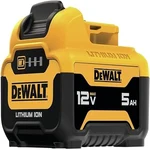 |
DeWalt DCB126 12V MAX 5.0Ah Battery – $79.00 The DCS312B ships as a bare tool, and the stock battery capacity most kits include runs out fast at 2,800 SPM — this 5.0Ah pack roughly doubles typical runtime over a 2.0Ah battery.
|
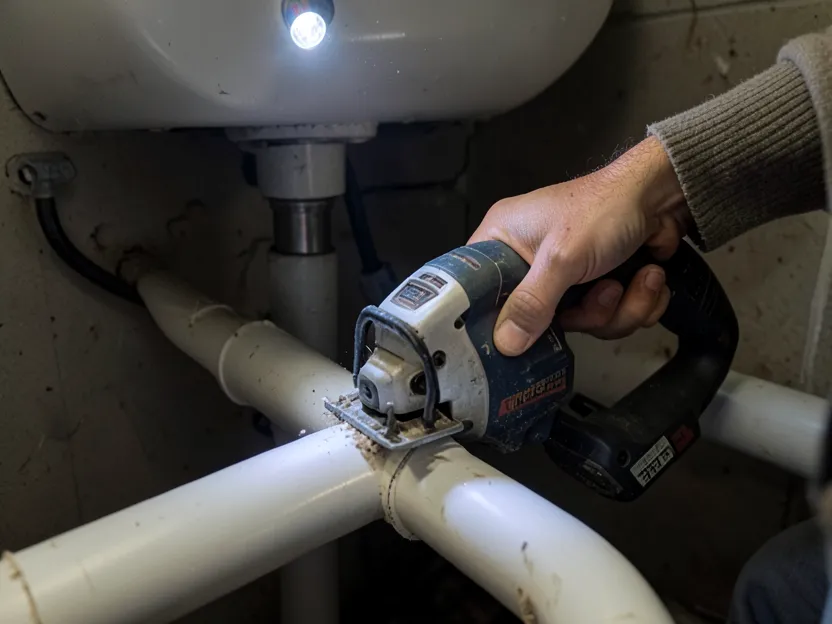
It’s a small, cordless one-handed saw built for cutting wood, metal, or plastic in spots where a full-size saw won’t fit — think cutting a pipe behind a cabinet or trimming a stud in a finished wall cavity. It runs on DeWalt’s 12V MAX battery platform, which is separate from (and not interchangeable with) the 20V MAX line the brand is better known for.
Key Features and What They Actually Mean
- 3.04 lbs: light enough for extended one-handed use overhead or in awkward positions, where a 5+ lb full-size saw tires your wrist quickly.
- Brushless motor: no carbon brushes to wear out, which means longer motor life and slightly better efficiency per battery charge than older brushed 12V saws.
- LED light: mounted near the shoe, useful specifically because this saw’s whole reason for existing is working in dim, cramped spots.
- Tool-free blade clamp: swap blades without a hex key, which matters more here than on a full-size saw since you’ll be switching between wood and metal blades constantly on small mixed-material jobs.

How to Use It: Cutting a Wooden Shelf
- Pick the right blade: a 6-inch wood-cutting blade (6-10 TPI) for shelving stock.
- Charge the battery fully before starting — runtime on the stock battery is short enough that starting a cut at 20% charge is a real risk of stalling mid-cut.
- Mark your cut line clearly; the small footprint of this saw makes it easy to wander off a faint pencil line.
- Grip firmly with one hand, brace the shoe against the workpiece before pulling the trigger.
- Let the blade do the work — forcing the saw forward on a 5/8-inch stroke length just wears the blade and stalls the motor faster than being patient.
- Wear eye protection and gloves — standard practice for any reciprocating saw, but especially with a one-handed grip where your other hand is often closer to the cut than it would be on a full-size saw.
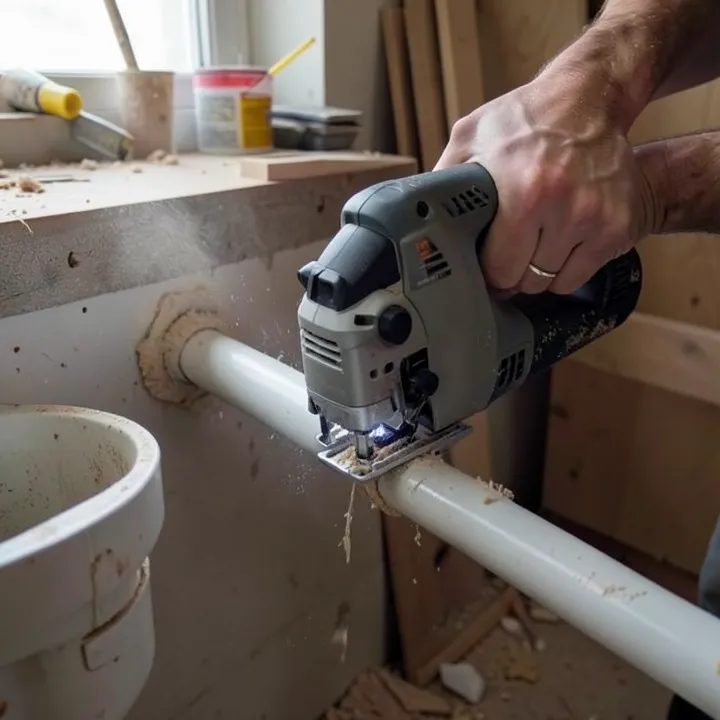
DeWalt 12V vs. 20V vs. Milwaukee M12 Hackzall
| Feature | DeWalt 12V (DCS312B) | DeWalt 20V (DCS387B) | Milwaukee M12 Hackzall |
|---|---|---|---|
| Weight | 3.04 lbs | 5.1 lbs | 4.1 lbs |
| Strokes Per Minute (SPM) | 0-2,800 | 0-2,900 | 0-3,000 |
| Stroke Length | 5/8 in | 1-1/8 in | 3/4 in |
| Typical Runtime (light use) | ~1 hour | ~1.5 hours | ~1 hour |
| Tool-Only Price | ~$99–129* | ~$123 | ~$119 |
*The DCS312B tool-only listing fluctuates between direct Amazon stock and third-party marketplace sellers, so check current availability before assuming a specific price. The bigger practical difference isn’t price, it’s stroke length — the 20V’s 1-1/8 inch stroke clears debris and cuts thicker material faster, while the 12V’s shorter 5/8 inch stroke is part of why it fits in smaller spaces to begin with. You’re trading raw speed for size, not just paying less for a “worse” saw.
Pros and Cons
Pros
- Genuinely one-handed: most “compact” reciprocating saws still want two hands for control; this one doesn’t.
- Best-in-class for tight spaces: the shortest, lightest option in this comparison by a real margin.
- No cords: obvious, but worth noting for plumbing and electrical work where a cord is genuinely in the way.
Cons
- Short runtime: around an hour of light cutting on a full charge, less on dense material — a second battery isn’t optional for real projects, it’s necessary.
- Not for heavy-duty work: thick metal stock or large logs will stall it or burn through blades fast; that’s not a defect, it’s outside what a 5/8-inch stroke saw is built for.
- Runs loud and a bit rattly at full speed: normal for this class of tool, but worth knowing going in if you’re expecting 20V-saw smoothness.
Choosing the Right Blade
| Material | Blade Type | Length | Teeth Per Inch (TPI) |
|---|---|---|---|
| Wood | Wood-cutting | 6-inch | 6-10 TPI |
| Metal | Bi-metal | 4-inch | 14-24 TPI |
| PVC pipe | Demolition/general-purpose | 6-inch | 10-14 TPI |
Where This Saw Fits Compared to Alternatives
If tight-space one-handed cutting isn’t your priority, the Milwaukee M12 Hackzall runs slightly faster (3,000 SPM) at a similar weight class, while DeWalt’s own 20V MAX line (like the DCS387B) trades the compact size for meaningfully more stroke length and runtime. A corded reciprocating saw is cheaper and stronger still, but obviously loses the cordless convenience that’s the entire point of a 12V tool.

Frequently Asked Questions
What can I cut with a DeWalt 12V reciprocating saw?
Wood, metal, plastic, and PVC pipe, provided you match the blade to the material. It’s best suited to thinner stock and tight-clearance cuts rather than thick lumber or heavy metal, where its shorter 5/8-inch stroke and lower power become limiting.
Is the DeWalt 12V saw good for beginners?
Yes. It’s light, genuinely one-handed, has a tool-free blade change, and the variable-speed trigger makes it easy to control cutting speed while learning. Its low power ceiling is actually an advantage for a beginner, since it’s harder to bind or kick back than a more powerful full-size saw.
How long does the battery last?
Roughly an hour of light, intermittent cutting on the stock battery, less on dense material. Because runtime is genuinely short for this saw class, a second battery or an upgraded higher-capacity pack (5.0Ah versus the more common 2.0Ah) makes a bigger practical difference here than it would on a full-size 20V tool.
Can I use it for heavy-duty jobs?
Not really by design. It handles thin-to-medium wood, plastic, and light metal well, but thick metal stock or large logs will stall the motor or burn through blades quickly. For heavier work, DeWalt’s 20V MAX line or a corded saw is the better tool for the job.
How do I change the blade?
Push the tool-free blade release lever near the front of the shoe, pull the old blade out, insert the new one, and release the lever to lock it in place. No hex key or wrench needed.
Conclusion
The DeWalt 12V MAX Xtreme earns its place for exactly one job: cutting in spaces a full-size reciprocating saw physically can’t reach, at 3.04 lbs and genuinely one-handed. It’s not the tool for thick metal or heavy demolition — for that, step up to DeWalt’s 20V line or a corded saw — but for pipe cuts under a cabinet or trimming a stud in a tight wall cavity, it’s purpose-built for exactly that.
Sponsored / affiliate links. As an Amazon Associate I earn from qualifying purchases. I may earn additional commission from eligible campaigns.