DeWalt Cordless Reciprocating Saws Compared: Which Model Fits
A DeWalt cordless reciprocating saw is the right pick for rough cuts, demolition, and outdoor work where a corded tool or a precision saw doesn’t fit – the brushless 20V MAX and 60V MAX FlexVolt lines cut wood, metal, and PVC with tool-free blade changes, at the tradeoff of less precision than a jigsaw or table saw for fine furniture work.
What Makes These Saws Different
Best Bi-Metal Blade for Demolition Work
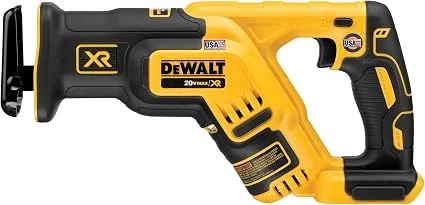 |
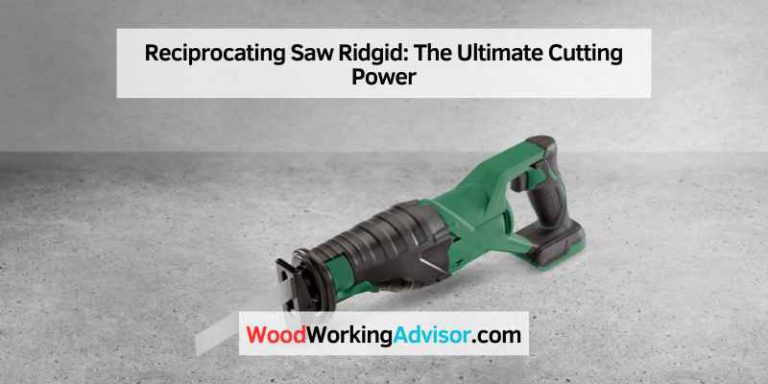
DEWALT 20V MAX XR Brushless Reciprocating Saw (DCS367B) – $179.00 This guide’s comparison table covers exactly this class of DeWalt reciprocating saw for general woodworking and demolition work.
|
DeWalt’s reciprocating saws combine a brushless motor, a variable-speed trigger, and a tool-free four-position blade clamp that lets the blade rotate for flush cuts in tight spots. The brushless motor design runs cooler than older brushed motors, which extends both motor life and the number of cuts per battery charge. Cordless freedom matters most for demolition and outdoor work – jobs where running an extension cord isn’t practical.
Comparing the Main Models
| Model | Battery Platform | Stroke Length | SPM | Weight | Best For |
|---|---|---|---|---|---|
| DCS382B | 20V MAX XR | 1-1/8″ | 0-3,000 | 7.6 lbs | General woodworking, demolition |
| DCS369B | 20V MAX ATOMIC | 5/8″ | 0-2,800 | 3.1 lbs | Tight spaces, one-handed use |
| DCS389X1 | 60V MAX FlexVolt | 1-1/8″ | 0-3,000 | 8.1 lbs | Heavy-duty, thick materials |
| DCS387B | 20V MAX Compact | 1-1/8″ | 0-2,900 | 7.0 lbs | Compact jobs, precision cutting |
The DCS382B is the best general-purpose pick for most woodworking and demolition tasks. The DCS369B’s compact size and low weight suit tight spaces like cutting pipe under a sink. The DCS389X1’s 60V FlexVolt platform is the choice for thick beams and heavy metal cutting. The DCS387B splits the difference for smaller, more controlled cuts on furniture or cabinetry work.
If the DCS387B compact model fits your work, see our DeWalt reciprocating saw kit guide for a battery-and-charger bundle breakdown (DCS387D1 vs DCS387P1) instead of buying the bare tool and battery separately.
Blade Selection
For clean cuts in lumber, a 6-12 TPI (teeth per inch) wood blade is standard. For demolition work involving nails or metal fasteners, step up to a 14-18 TPI bi-metal blade, which resists dulling against hardware a wood blade would chip on. Pruning blades are a separate category worth keeping on hand for outdoor branch and brush cutting – their aggressive tooth pattern isn’t meant for construction lumber.
Practical Uses
- Rough cutting lumber: quick cuts through 2x4s, 4x4s, and railroad ties for decks and outdoor framing.
- Demolition: a bi-metal blade cuts through nail-embedded lumber during teardown work.
- Pruning: a pruning blade handles branches and brush around a property.
- Flush cutting: the four-position blade clamp allows cuts flush against walls or floors for baseboard or framing removal.
- Metal cutting: a bi-metal blade cuts nails, bolts, and thin steel pipe for mixed-material demolition.
Where a Reciprocating Saw Falls Short
These saws aren’t built for fine woodworking – a jigsaw or table saw delivers the clean, precise cuts furniture work needs. Battery life is the other real limitation: heavy cutting through dense hardwood or metal drains a battery faster than lighter tasks, so a second battery is worth having on hand for any full-day project. Neither DeWalt reciprocating saw line currently offers orbital blade action (a feature some competing brands include) – orbital motion speeds up wood cutting by adding a slight circular motion to the blade stroke.
Maintenance Basics
- Clean after every project: sawdust buildup around the blade clamp and motor housing accelerates wear.
- Check the blade clamp periodically: a loose four-position clamp causes blade wobble and uneven cuts.
- Store batteries away from temperature extremes: heat and cold both shorten battery lifespan over time.
- Inspect the pivoting shoe: a cracked or worn shoe makes the saw harder to stabilize during cuts.
Wondering whether a specific battery brand is compatible? See do HART batteries fit other brands for the full compatibility breakdown.
Frequently Asked Questions
How many cordless reciprocating saw models does DeWalt make?
DeWalt offers several 20V MAX and FLEXVOLT reciprocating saws with different stroke lengths, speeds, and brushless vs brushed motors for different budgets and jobs.
Is a brushless DeWalt reciprocating saw worth the extra cost?
For regular or daily use, yes – brushless motors run cooler, last longer, and get more runtime per battery charge than brushed models.
Yes, any 20V MAX or FLEXVOLT battery works across DeWalt’s full cordless lineup, which is a real cost advantage if you already own other tools on the same platform.
Can a DeWalt reciprocating saw be used for fine woodworking?
Not really – these saws are built for rough cuts and demolition. A jigsaw or table saw delivers the precision fine furniture work needs.
Sponsored / affiliate links. As an Amazon Associate I earn from qualifying purchases. I may earn additional commission from eligible campaigns.