Oil Based Stain Versus Water Based: Ultimate Comparison Guide
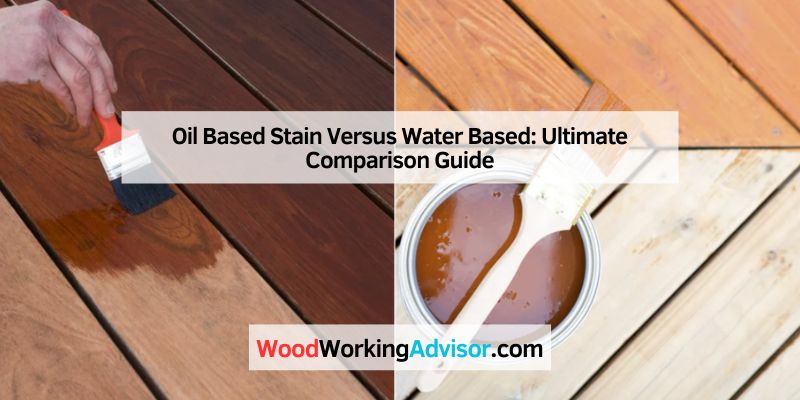
Choosing between oil based stain and water based stain can be tough. Each has its own pros and cons.
Understanding these differences can help you make the right choice for your project. Staining wood is a great way to enhance its natural beauty. But deciding on the right type of stain can be tricky. Oil based stains and water based stains are the two main options.
They differ in application, drying time, and finish. Knowing these differences can save you time and effort. This comparison will help you understand which stain suits your needs best. Whether you are a DIY enthusiast or a professional, this guide will provide the insights you need. Get ready to dive into the world of wood stains and make an informed decision.
Introduction To Stain Types
Oil based stains are known for their deep penetration into wood. They offer a rich color and highlight the grain. These stains take longer to dry. But they are durable and resistant to wear and tear. They also produce strong fumes. Use them in well-ventilated areas.
Water based stains dry quickly. They are easy to clean up with just soap and water. These stains are less toxic. They have fewer fumes. They are also eco-friendly. Water based stains do not penetrate deeply. They may not enhance the grain as much. But they are great for indoor projects.
Composition And Ingredients
Oil based stains often contain natural oils like linseed oilalkyd resins. These make the stain very durable. Solvents like mineral spirits help in application. These stains penetrate deep into wood. They provide a rich color. Their smell is strong and long-lasting.
Water based stains use water as the main component. They often have acrylic or latex resins. These make the stain less harmful. Water based stains are easier to clean up. They also dry quickly. They do not have a strong smell. These stains sit on top of wood. They provide a lighter color. They are better for the environment.
Application Process
Oil based stains are thick and sticky. They take longer to dry. You need to use a brush or a rag. The smell is strong. Work in a well-ventilated area. Oil based stains need a primer. They penetrate deep into the wood. They highlight the natural grain.
Water based stains are thin. They dry faster. Use a brush or a sprayer. The smell is mild. Water based stains are easy to clean. Use soap and water. They do not need a primer. They do not penetrate deep. They provide a surface coat. They are good for indoor projects.
Drying Time
Oil-based stains take longer to dry. This can be up to 24 hours. The longer drying time can be helpful. It allows the stain to penetrate the wood deeply. You can also adjust the stain if needed.
Water-based stains dry quickly. Usually within 2 to 4 hours. This can be a big advantage. You can apply a second coat sooner. It’s also less likely to pick up dust while drying. Faster drying can mean a quicker finish.
Durability And Longevity
Oil based stains last longer. They penetrate wood deeply. This makes them more durable. They can withstand harsh weather. They are resistant to wear and tear. Reapplying is less frequent. This saves time and effort. They are perfect for outdoor furniture.
Water based stains are less durable. They sit on the surface. They can chip and peel over time. Frequent reapplication is needed. They are better for indoor use. They dry fast. They are easy to clean. They are less smelly. Safer for kids and pets.

Credit: www.wikihow.com
Environmental Impact
Oil based stains often contain harmful chemicals. These chemicals can pollute the air. They also release VOCs. VOCs are volatile organic compounds. They can cause health problems. Oil based stains can also harm soil and water. They do not break down easily. They can stay in the environment for a long time.
Water based stains are better for the environment. They have low VOCs. This means cleaner air. Water based stains do not pollute soil or water. They break down faster. They are safer for plants and animals. Water based stains are a greener choice. They help protect the planet.
Maintenance And Care
Oil-based stains need regular upkeep. They tend to fade over time. Reapply every few years to keep the finish fresh. Clean the surface well before applying new stain. Use mild soap and water. Let it dry completely before staining again. Oil-based stains resist water better. They protect wood from rot and decay.
Water-based stains are easy to maintain. They dry quickly. Reapply every few years to maintain the finish. Clean the surface before applying new stain. Use mild soap and water. Let it dry completely before staining again. Water-based stains are eco-friendly. They are low odor and less toxic.
:max_bytes(150000):strip_icc()/SPR-latex-vs-oil-exterior-stain-for-deck-or-fence-1822359-01-0713f1fbe82141e6839fb5f8ed293c26.jpg)
Credit: www.thespruce.com
Cost Comparison
Oil based stains often cost more. They need special brushes and solvents. These add to the total cost. Maintenance for oil stains can also be expensive. You may need to reapply more often. The price for oil stains is usually higher. Consider this before buying.
Water based stains are usually cheaper. They clean up easily with water. No need for extra products. Maintenance is often less expensive. The cost of water stains is generally lower. They are a budget-friendly choice.
Ideal Use Cases
Oil-based stains are great for outdoor projects. They work well on decks and fences. These stains are also best for hardwood floors. Oil-based stains give wood a rich, deep color. They also last longer and provide better protection.
Water-based stains are ideal for indoor furniture. They are great for cabinets and trim. These stains dry quickly and have less odor. Water-based stains are easy to clean up with soap and water. They are also safer for the environment.
Conclusion And Recommendations
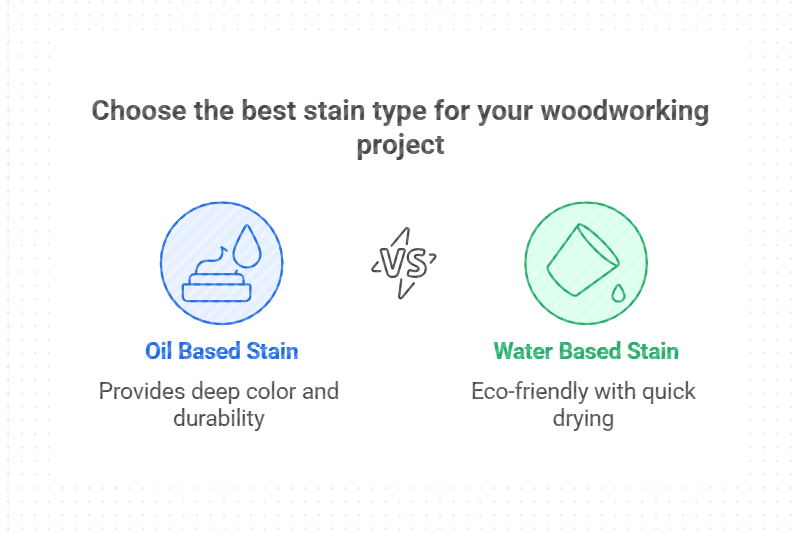
Oil-based stains offer durability and rich color, while water-based stains dry quickly and are eco-friendly. Choosing depends on your priorities: longevity or convenience.
Summary Of Benefits
Oil based stains last longer and penetrate deeper into wood. They provide rich color and enhance grain. Water based stains dry faster and clean up with water. They produce less odor and are safer for the environment. Each type has pros and cons. Choose based on your needs and preferences.
Final Recommendations
For outdoor projects and durability, oil based stains are better. For indoor projects and ease of use, water based stains are better. Consider the project type, environment, and personal preference before choosing. Test a small area before applying to the entire project. Always follow the manufacturer’s instructions.

Credit: rippnfinish.com
Frequently Asked Questions
Which Is Better, Oil-based Stain Or Water-based Stain?
Oil-based stains offer deeper penetration and longer durability. Water-based stains dry faster and have lower odor. Choose based on your project needs.
What Is The Disadvantage Of Oil-based Stains?
Oil-based stains emit strong fumes and are difficult to clean. They require longer drying times and can be harmful to the environment.
What Are The Disadvantages Of Water Based Stain?
Water-based stains dry quickly, making blending difficult. They can raise wood grain and may not penetrate deeply.
Should I Use Oil Or Water Stains?
Use oil stains for deeper penetration and richer color. Choose water stains for quicker drying and easier cleanup.
Conclusion
Choosing between oil-based and water-based stain depends on your needs. Oil-based stains offer deeper color and durability. Water-based stains dry faster and are easier to clean. Consider the project and desired outcome. Both have their strengths. Evaluate your specific requirements.
Make an informed decision based on those. Happy staining!