Tung Oil vs Teak Oil: What’s Actually Different
Pure tung oil and “teak oil” aren’t two versions of the same thing — pure tung oil is a single natural drying oil, while teak oil is almost always a proprietary blend of oils, varnish, and solvents formulated to soak into dense, naturally oily woods like teak. Tung oil builds a more durable, water-resistant finish over several thin coats; teak oil goes on faster and easier but needs reapplying more often.
What Each One Actually Is
Our Pick for a Real Pure Tung Oil
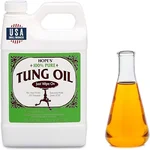 |
Hope’s 100% Pure Tung Oil, 32 oz – $29.99 No additives, solvent-free, zero VOC — the real thing rather than a “tung oil finish” blend cut with varnish.
|
Tung oil is pressed from the seeds of the tung tree (native to China, now also grown in South America). Pure, 100% tung oil has no additives — it cures purely through oxidation and polymerization, the same slow chemical hardening process linseed oil uses, but tung oil cross-links into a harder, more water-resistant film once fully cured.
Teak oil doesn’t come from teak trees. It’s a marketing name for a finish formulated to work on teak and other oily, dense hardwoods that resist plain penetrating oils. Most commercial “teak oil” products are a blend of linseed and/or tung oil, varnish resins, mineral spirits, and metallic driers — the added solvents and driers are what let it penetrate oily wood and dry faster than a pure oil would. Reading the label matters here: two products both called “teak oil” can have meaningfully different formulas.
Application, Dry Time, and Durability
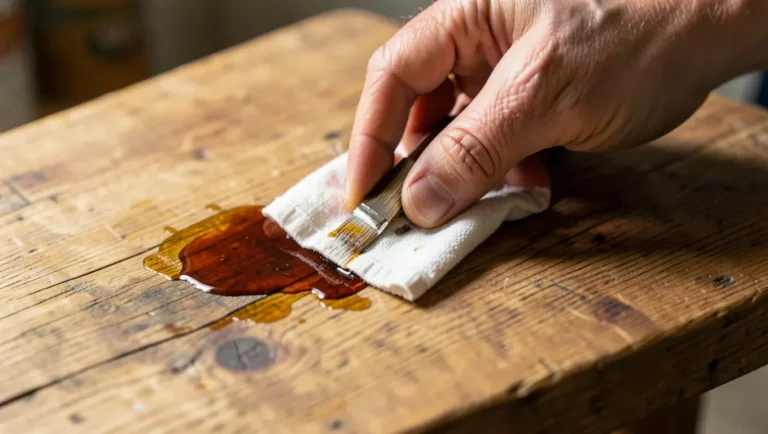
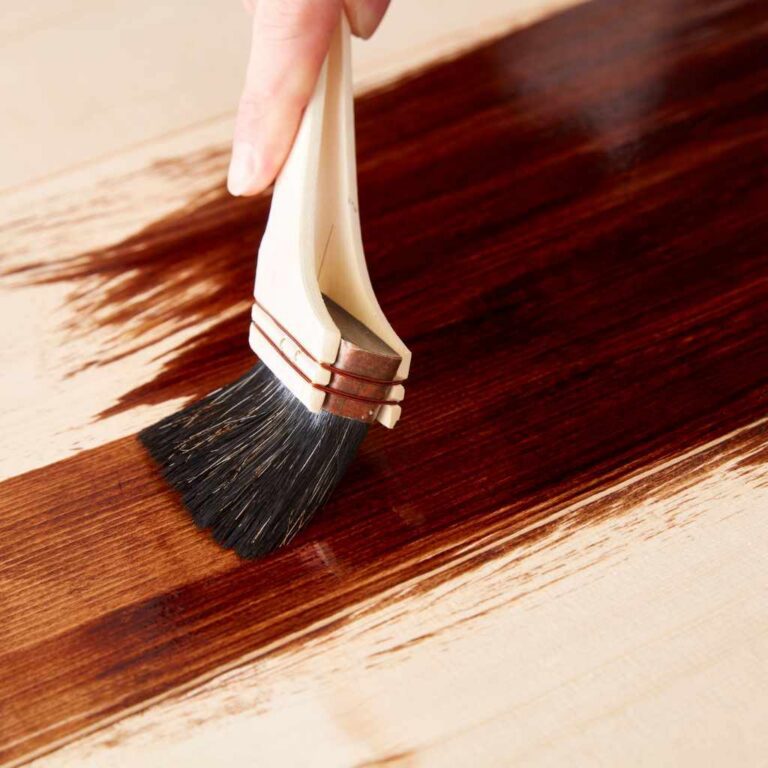
Pure tung oil needs to be applied thin — a heavy coat skins over on the surface without curing underneath, leaving a gummy, tacky mess that can take weeks to fully harden. The correct technique is several thin coats (most finishers use 3-5, some go higher for outdoor pieces), each wiped on, left to soak in 20-30 minutes, then wiped completely dry of excess, with 24-72 hours between coats depending on humidity. Full cure can take 1-4 weeks. It’s slower, but the payoff is a genuinely more water-resistant, harder film once it’s done.
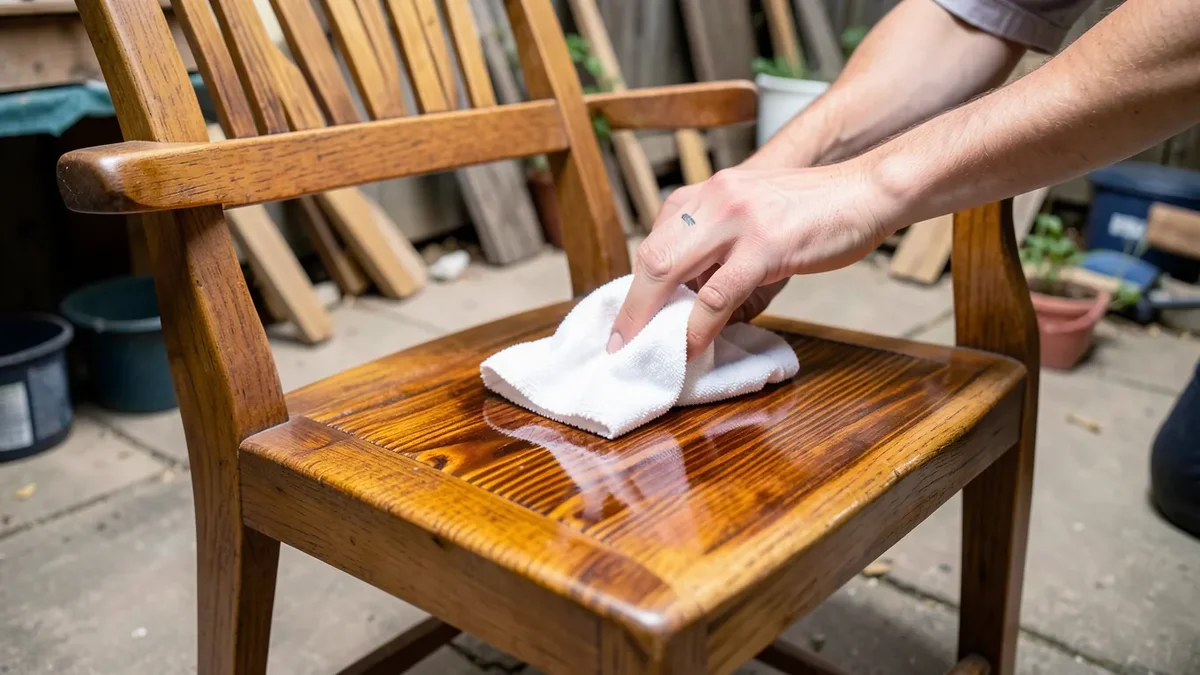
Teak oil’s added driers and thinners mean it penetrates and dries in hours rather than days, and one or two coats is typically enough for a usable finish. The tradeoff is durability: because there’s less oil solids actually building up in the wood, outdoor teak furniture finished with teak oil commonly needs reapplication every 3-6 months, versus 6-12 months (or longer) for a properly built-up tung oil finish.
Look and Sheen
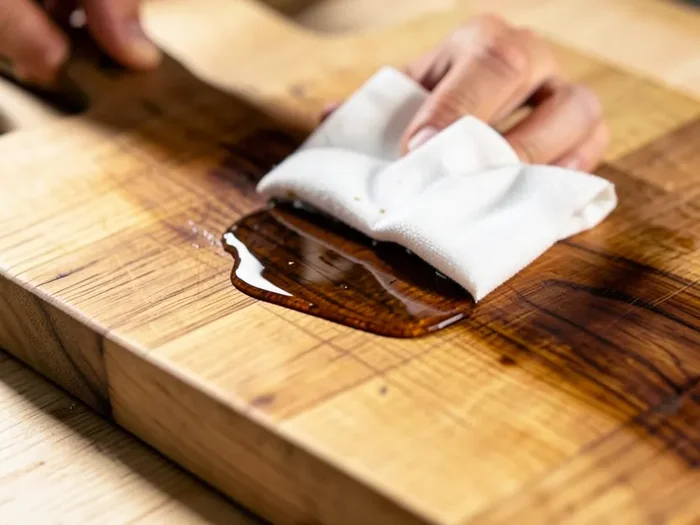
Both are penetrating oil finishes, not film finishes like polyurethane, so neither one sits on top of the wood as a glossy shell. Pure tung oil dries to a soft, low, matte-to-satin sheen and tends to leave the wood’s natural color closer to untouched, with just a warm amber deepening. Teak oil blends, because they usually include some varnish resin, tend to dry to a slightly higher sheen and can bring out grain contrast a bit more dramatically — but the difference is subtle, not the “matte versus glossy” gap some comparisons suggest.
The UV Protection Myth
Neither pure tung oil nor a standard teak oil blend contains meaningful UV blockers. Both slow moisture-driven wood movement, but sun exposure will still gray and degrade the wood’s surface over months, oil or no oil. If UV protection is the actual priority — deck furniture that sits in full sun most of the year — a spar urethane or exterior varnish with UV-inhibiting additives will outperform either oil for that specific job. Use tung or teak oil for the traditional hand-rubbed look and easy spot-touch-up; use a UV-rated spar finish if fade resistance matters more than that look.
Food Safety
Pure, 100% tung oil with no additives cures to a food-safe surface and is a common choice for cutting boards, salad bowls, and butcher blocks. Most commercial “teak oil” blends are not food safe, because of the varnish resins, solvents, and metallic driers mixed in — always check the specific product’s label rather than assuming, since “teak oil” isn’t a regulated or standardized term.
Which One Should You Use?
Pick pure tung oil for indoor furniture, cutting boards, and any project where you’re willing to put in several thin coats for a harder, longer-lasting, food-safe result. Pick a name-brand teak oil for actual teak or oily exotic hardwoods, or for outdoor furniture where you’re fine reapplying every few months in exchange for a fast, low-effort refresh.
Frequently Asked Questions
Is teak oil or tung oil better?
Pure tung oil builds a harder, more water-resistant, food-safe finish over several thin coats and lasts longer outdoors before needing reapplication. Teak oil blends apply faster and easier but typically need reapplication every 3 to 6 months outdoors.
What are the disadvantages of tung oil?
It requires multiple thin coats with a day or more of drying time between each, full cure can take weeks, and applying it too thick leaves a tacky surface that won’t harden properly.
What is the disadvantage of teak oil?
Because it’s a thinned blend rather than a pure oil, it builds less protective film per coat and needs more frequent reapplication outdoors. Most commercial blends also aren’t food safe due to added varnish and driers.
What is the best oil for outdoor wood?
For a hand-rubbed oil finish, pure tung oil generally lasts longer between reapplications than a teak oil blend. For maximum UV and weather resistance on furniture that sits in full sun, a UV-inhibited spar urethane will outperform either oil.
The Bottom Line
Pure tung oil and teak oil aren’t competing versions of the same product — they’re different tools for different patience levels. Tung oil rewards a slower, multi-coat process with a harder, food-safe, longer-lasting finish; teak oil trades some of that durability for speed and ease, especially on oily woods that resist a plain penetrating oil.
Sponsored / affiliate links. As an Amazon Associate I earn from qualifying purchases. I may earn additional commission from eligible campaigns.
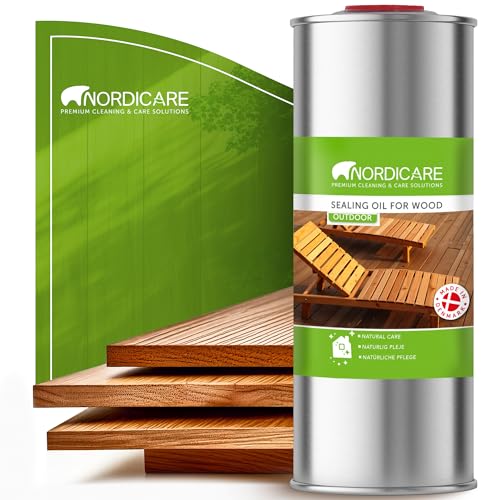 Nordicare Teak Oil for Outdoor Furniture, 34 Oz – Outdoor Wood Oil & Sealer for Teak, Acacia, Oak & More, Helps Restore Weathered Wood and Protect Against Drying, Easy to Apply
 Rosano's Mineral Oil Free Wood Butter - Natural Wood Conditioner for Cutting Boards, Furniture, Wood Utencils & Dishware - Beeswax & Coconut Oil - 6oz - Food Safe