Okoume Wood Vs Mahogany: Ultimate Comparison for Quality & Durability
When choosing wood for your next project, you might find yourself torn between Okoume wood and Mahogany. Both are popular choices, but they have very different qualities that can impact your results.
Which one is better for your needs? What makes each of these woods unique? Understanding the differences can save you time, money, and frustration. Keep reading to discover how Okoume wood and Mahogany stack up against each other—so you can make the smartest decision for your project.
Okoume Wood Characteristics
Okoume wood is popular for its light weight and smooth finish. It is often chosen for furniture, veneers, and boat building. This wood offers unique features that differ from other hardwoods like mahogany.
Origin And Availability
Okoume wood comes mainly from West Africa. Countries like Gabon and Congo grow most of this tree. It is widely available in lumber markets worldwide. Sustainable harvesting helps keep its supply steady.
Grain And Appearance
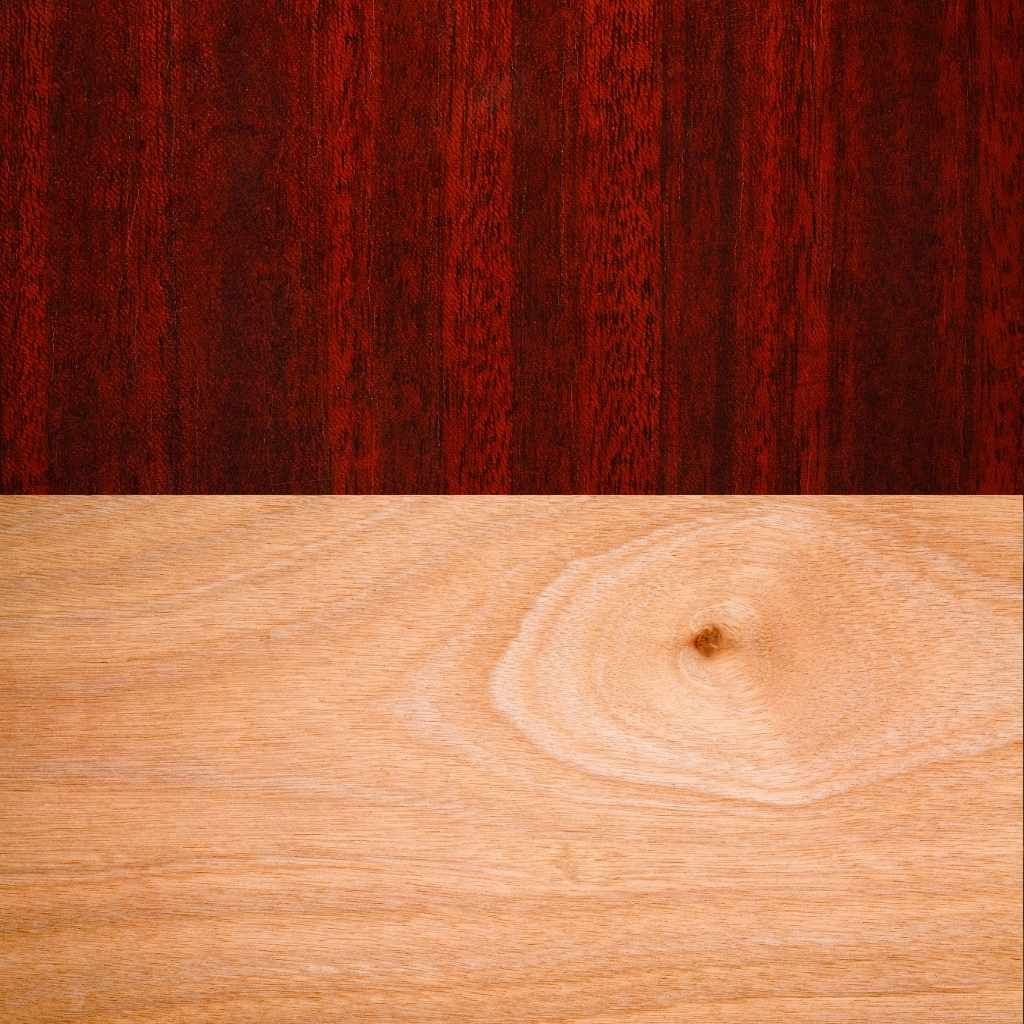
The wood has a fine, even grain. Its color ranges from pale pink to light reddish-brown. Okoume has a smooth texture and a natural shine. The look is often described as soft and elegant.
Physical Properties
Okoume is light but strong. It weighs less than many hardwoods, making it easy to handle. It resists warping and has good durability. The wood also sands and paints well. Its strength suits many crafting needs.
Mahogany Wood Features
Mahogany wood is known for its rich color and excellent durability. It has been a popular choice for furniture and woodworking for many years. This wood offers a mix of beauty and strength that suits many projects.
Understanding mahogany’s features helps in choosing the right wood for your needs. Below are some key aspects of mahogany wood.
Types And Sources
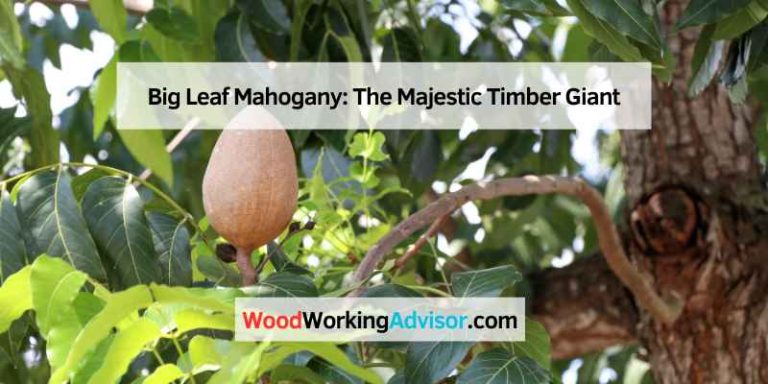
Mahogany comes from several tree species mainly found in Central and South America. African mahogany is also common and has similar qualities. Each type has slight differences in color and grain. Genuine mahogany usually refers to Swietenia species, prized for fine furniture.
Visual Appeal
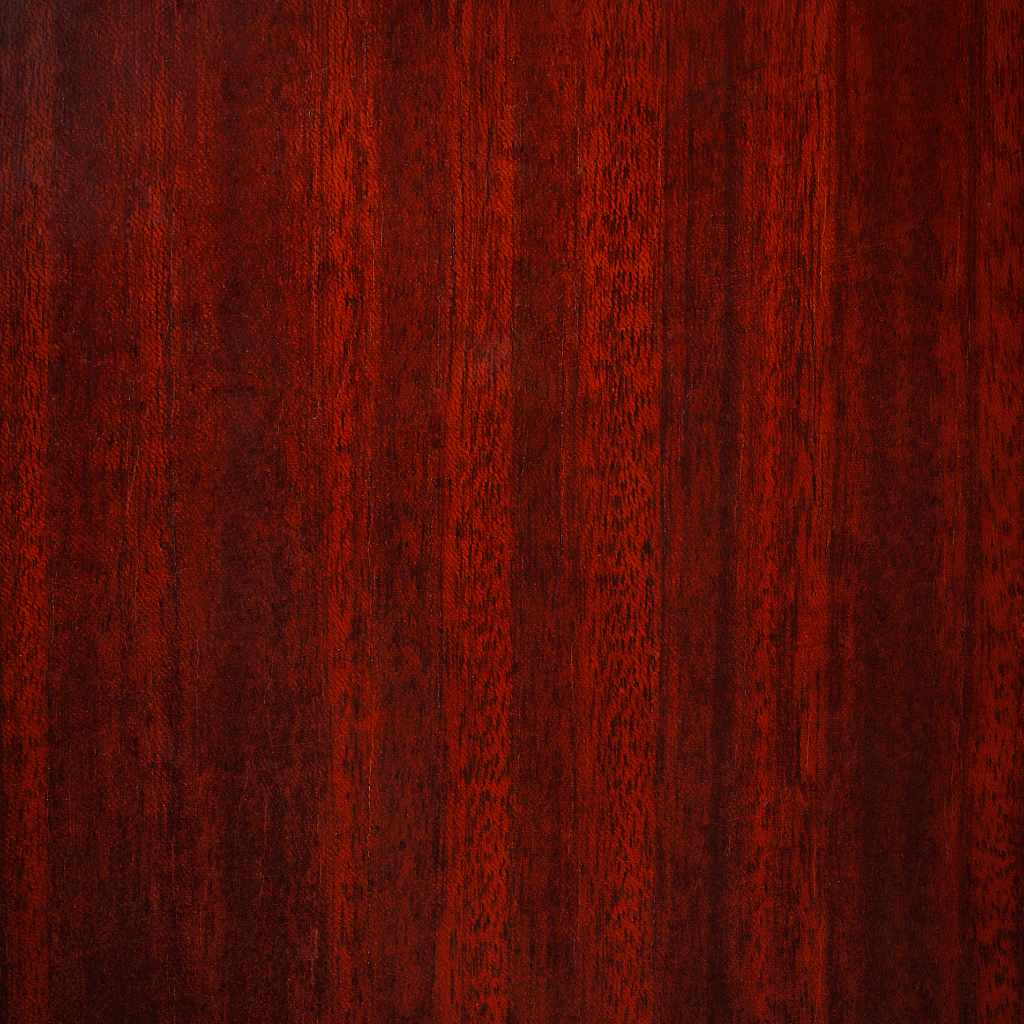
Mahogany has a deep, reddish-brown color that darkens over time. The wood grain is straight and smooth, giving it a clean look. It also has a natural shine that enhances its beauty. These qualities make mahogany ideal for visible woodwork.
Material Strength
Mahogany is strong yet easy to work with hand or power tools. It resists warping and shrinking better than many hardwoods. Its durability makes it suitable for both indoor and outdoor use. This wood can last many years without losing shape or strength.
Durability And Longevity
Durability and longevity play a big role in choosing the right wood. Both Okoume and Mahogany offer unique strengths in these areas. Understanding their durability helps you pick the best wood for your project.
Resistance To Wear
Mahogany is known for its strong resistance to wear. It handles daily use well without showing much damage. Okoume is lighter and softer, which makes it less resistant to scratches and dents. For items that face rough use, Mahogany lasts longer.
Moisture And Decay
Mahogany naturally resists moisture and decay. This makes it a good choice for outdoor furniture or humid places. Okoume absorbs water more easily, which can lead to swelling or rot over time. It needs protection against moisture to stay durable.
Maintenance Needs
Mahogany requires less maintenance due to its natural oils. It stays beautiful with simple cleaning and occasional polishing. Okoume demands more care, such as sealing and regular treatment, to avoid damage. Proper upkeep helps both woods last longer.
Workability And Finishing
Workability and finishing are key factors in choosing between Okoume wood and Mahogany. These qualities affect how easy the wood is to shape and how good it looks after treatment. Understanding these aspects helps woodworkers and hobbyists decide the best wood for their projects.
Ease Of Cutting And Shaping
Okoume wood cuts easily with hand and power tools. Its light weight makes shaping less tiring. Mahogany is also easy to work with but is slightly heavier. It holds detail well during carving. Both woods respond well to sanding and planing.
Surface Smoothness
Okoume has a fine, even grain that produces a smooth surface. It sands quickly to a clean finish. Mahogany features a tighter grain that feels smooth and silky. It resists rough patches and splinters better than many woods. Both woods provide a good base for finishing.
Staining And Polishing
Okoume absorbs stain evenly but can appear blotchy without a pre-sealer. Its light color allows for various stain shades. Mahogany naturally has a rich color that deepens with stain. Polishing Mahogany brings out a glossy, warm look. Both woods polish well, but Mahogany shows a more vibrant finish.
Cost And Availability
Cost and availability play major roles in choosing between Okoume wood and Mahogany. Both woods serve different needs and budgets. Understanding their market prices and supply helps buyers make smart choices. Sustainability also affects availability and price.
Market Prices
Okoume wood is usually cheaper than Mahogany. It offers good quality at a lower cost. Mahogany often costs more due to its rich color and hardness. Prices vary by region and demand. Okoume suits projects with tight budgets. Mahogany fits premium or high-end uses.
Sustainability Factors
Okoume grows faster and is more abundant. This makes it a more sustainable option. Mahogany grows slower and faces overharvesting risks. Many sources now promote certified Mahogany. Choosing certified wood supports forest conservation. Sustainable choices impact long-term wood availability.
Supply Chain
Okoume is mostly sourced from West Africa. Its supply chain is well established and stable. Mahogany comes from tropical areas worldwide. Supply can be limited by logging laws. Transport and export rules affect delivery times. Reliable supply chains reduce delays and costs.
Common Uses And Applications
Okoume wood and mahogany serve many purposes in different industries. Both types of wood offer unique qualities that make them popular choices. Understanding their common uses helps in choosing the right wood for each project.
Furniture Making
Mahogany is a top choice for fine furniture. Its rich color and smooth texture add elegance. It is strong and lasts for years. Okoume is lighter and easier to shape. It suits modern, lightweight furniture designs. Both woods work well for chairs, tables, and cabinets.
Boat Building
Okoume is popular in boat building. It is lightweight and resists water well. Builders use it for plywood and hulls. Mahogany is also used for boats. It is durable and handles moisture nicely. Its strength makes it good for decks and frames.
Decorative Elements
Mahogany’s deep color makes it great for decoration. It appears in carvings, moldings, and paneling. Okoume’s light tone brightens interiors. It is often veneered for wall panels and doors. Both woods add beauty to homes and offices.
Environmental Impact
The environmental impact of using Okoume wood versus Mahogany is an important topic. Both woods come from tropical forests. These forests provide homes for many animals and plants. How these woods are harvested affects the environment greatly. Understanding the differences helps make better choices.
Harvesting Practices
Okoume trees grow mainly in West Africa. They are often harvested in large quantities for plywood. Some logging methods cut many trees quickly. This can harm the forest’s ability to grow back. Mahogany grows slower and is found in Central and South America. It is often logged illegally. This illegal harvesting causes more forest loss. Sustainable harvesting is key for both woods.
Ecological Concerns
Cutting down Okoume trees can reduce habitats for wildlife. It can also affect soil quality and water flow. Mahogany logging has caused serious deforestation in some areas. This leads to loss of biodiversity and climate problems. Both woods need careful management to protect forests. Protecting these forests helps keep the planet healthy.
Certifications And Regulations
Many companies follow rules to harvest wood responsibly. Certification programs like FSC help track sustainable wood. Okoume and Mahogany with certification show better environmental care. These rules help reduce illegal logging and forest damage. Buying certified wood supports forest conservation. It also helps protect local communities and wildlife.
Frequently Asked Questions
What Are The Main Differences Between Okoume And Mahogany Wood?
Okoume is lighter, softer, and has a pale pink color. Mahogany is denser, harder, and has a rich reddish-brown hue. Okoume is mainly used for plywood, while Mahogany suits furniture and cabinetry. Both woods offer durability but differ in texture and finish.
Which Wood Is Better For Furniture, Okoume Or Mahogany?
Mahogany is better for furniture due to its hardness and rich appearance. Okoume is softer and better suited for lightweight applications. Mahogany provides long-lasting durability and an elegant finish, making it a preferred choice for quality furniture pieces.
Is Okoume Wood More Affordable Than Mahogany?
Yes, Okoume wood is generally more affordable than Mahogany. Okoume’s fast growth and availability reduce its cost. Mahogany is rarer and takes longer to mature, making it more expensive. Budget-conscious projects often choose Okoume for cost savings.
How Does Okoume Wood Perform In Outdoor Conditions?
Okoume wood has moderate resistance to moisture but is less durable outdoors. It requires proper sealing to prevent damage. Mahogany offers better natural resistance to decay and weather. For outdoor use, Mahogany is usually the preferred option.
Conclusion
Okoume wood and mahogany both offer unique benefits. Okoume is lighter and more affordable, making it great for projects on a budget. Mahogany is stronger and has a rich color, perfect for furniture that lasts long. Choosing between them depends on your needs and style.
Both woods bring beauty and function. Consider your project’s purpose to decide the best fit. Either way, you get quality wood that adds charm to your work. Simple, smart choices lead to great results with these woods.