Mahogany Wood Windows: What ‘Mahogany’ Actually Means Here
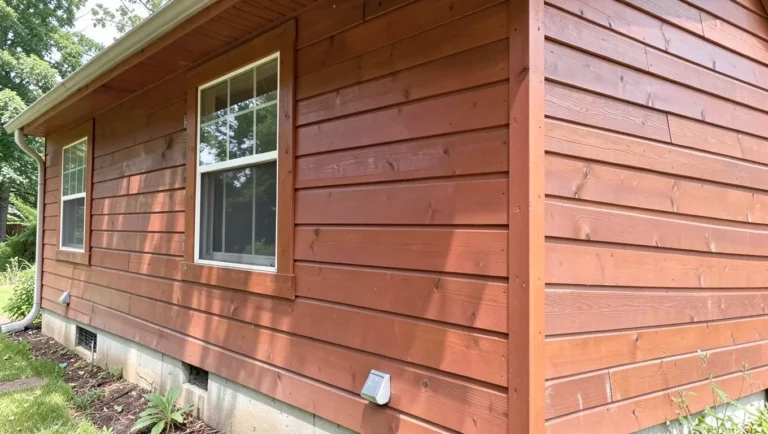
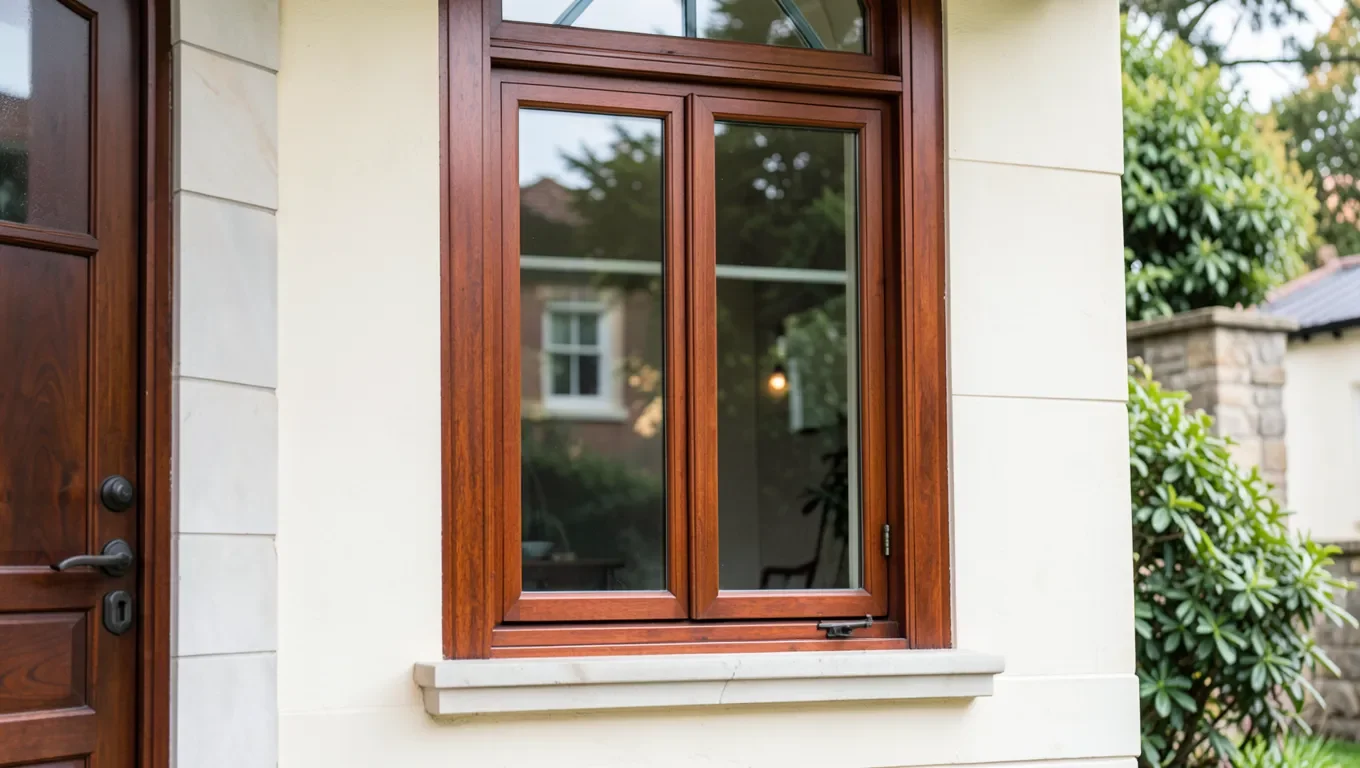
Most windows marketed as “mahogany” aren’t genuine Honduran mahogany at all — they’re commonly African mahogany (Khaya, a real but different species) or meranti, a Southeast Asian hardwood sometimes sold as “Philippine mahogany” despite not being a true mahogany species. That distinction matters more for price and sourcing than for how the window actually performs, since all three are reasonably stable, workable hardwoods suited to window frame construction.
What “Mahogany” Actually Means in a Window Frame
For Frame Rot, Not New Windows
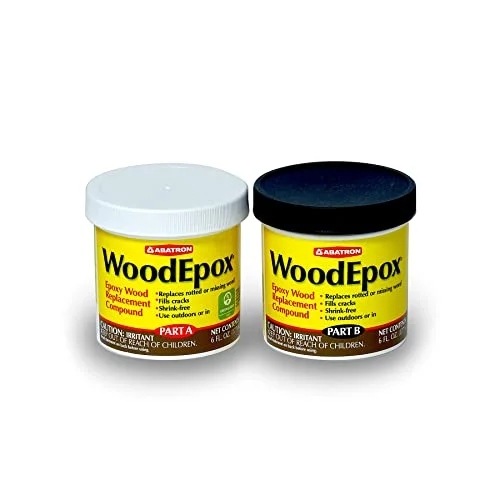 |
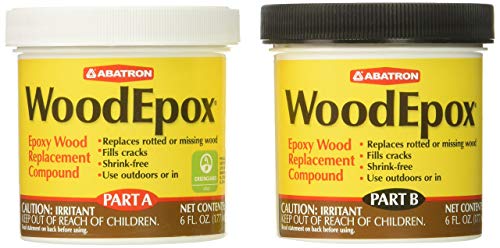
Abatron WoodEpox 2-Part Structural Epoxy Filler – $18.26 Custom wood windows aren’t sold on Amazon — this is what a contractor actually uses to rebuild a rotted sill or frame corner instead of replacing the whole window.
|
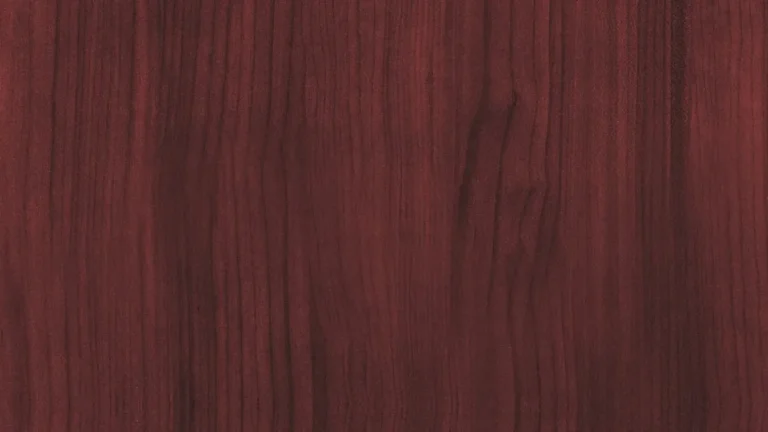
Genuine Honduran mahogany (Swietenia macrophylla) is CITES Appendix II-restricted, which makes it expensive and relatively rare in mass-market window lines. Most window manufacturers using “mahogany” in their marketing are working with African mahogany or meranti instead — both reasonable, real hardwoods, just not the same species commanding the premium price. If a window is specifically advertised as genuine Honduran mahogany at a price close to standard wood windows, that claim is worth verifying with the manufacturer before paying for it.
Energy Efficiency Comes From the Glazing, Not the Wood Species
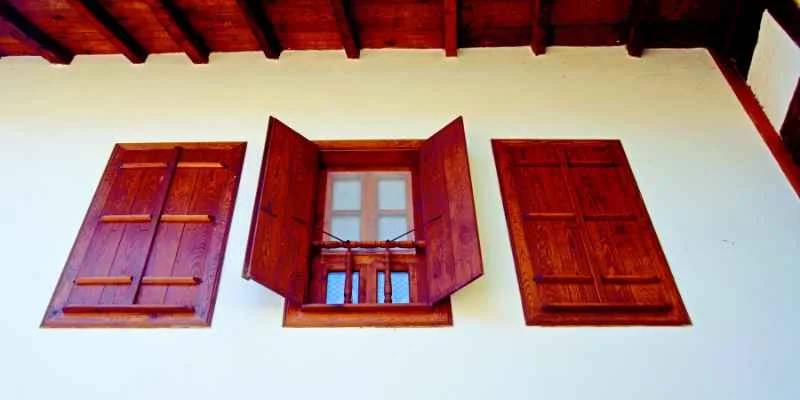
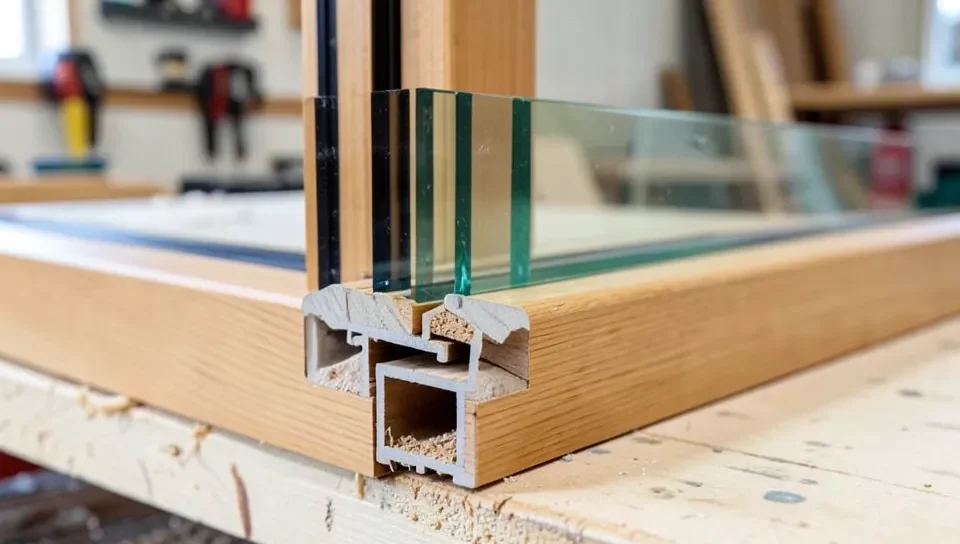
A common myth is that mahogany itself is what makes a window energy-efficient — in reality, the glazing package (double or triple-pane glass, Low-E coatings, and inert gas fills like argon) drives the vast majority of a window’s actual thermal performance, not the frame species. Wood frames do have a genuinely better natural R-value than aluminum (wood insulates roughly 400 times better than aluminum by volume), which is real and worth knowing, but two mahogany-framed windows with different glass packages can have meaningfully different energy performance. Check the NFRC (National Fenestration Rating Council) label’s U-factor and SHGC numbers, not the wood species, when comparing actual energy efficiency between window options.
Real Cost Range for Mahogany-Style Wood Windows
Custom wood windows using mahogany or mahogany-family species (African mahogany, meranti) typically run from around $800 to $2,500+ per window installed, depending on size, glazing package, and hardware, from manufacturers like Kolbe, Sierra Pacific, and Marvin’s wood lines. That’s a real premium over vinyl (often $300-$800 installed) and most fiberglass windows, driven by the material cost, custom sizing, and the finishing labor genuine wood windows require — not by “mahogany” as a marketing word.
Maintenance: The Real Ongoing Cost
Exterior-facing wood windows need a UV-rated exterior finish reapplied roughly every 2-4 years depending on sun exposure, and the sill and lower frame corners are where rot actually starts, since that’s where water sits longest after rain. Catching a soft spot early with an epoxy wood filler (like the one above) is a fraction of the cost of replacing the whole sash once rot has spread through the frame — annual inspection of the sill and corners is the single most effective thing an owner can do to protect the investment.
When Wood Windows Make Sense vs. When They Don’t
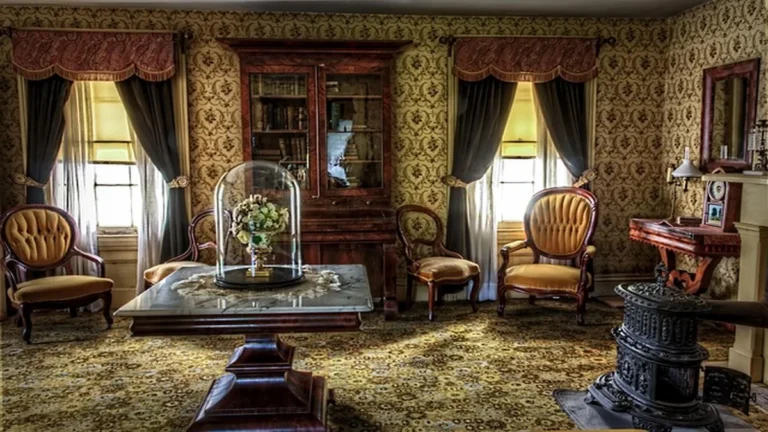
Real wood windows make the most sense for a historic-style home, a period-accurate renovation, or where the interior wood finish is a visible design feature — the maintenance commitment is real and ongoing, not a one-time cost. For a purely budget-driven replacement with no specific design requirement for real wood, a quality vinyl or fiberglass window will often match or beat a wood window’s actual energy performance (per NFRC ratings) at a fraction of the price and maintenance burden. This isn’t a knock on wood windows — it’s about matching the material to what the project actually needs, similar to the honest species-price tradeoff covered in our is mahogany wood expensive guide.
Frequently Asked Questions
Is a “mahogany” window really made of genuine mahogany?
Often not genuine Honduran mahogany specifically. Most “mahogany” window frames use African mahogany or meranti, both real hardwoods but not the same CITES-restricted species that commands the highest price.
Are mahogany windows more energy-efficient than vinyl?
Not necessarily. Energy performance depends mostly on the glazing package (glass layers, Low-E coating, gas fill), not the frame species. Compare NFRC U-factor and SHGC ratings directly rather than assuming wood outperforms vinyl.
How much does a mahogany-style wood window cost?
Typically $800 to $2,500+ per window installed, depending on size and glazing, versus roughly $300-$800 for vinyl. The premium reflects material and custom-finishing labor costs, not just the word “mahogany.”
Conclusion
Most “mahogany” windows are a real but different hardwood (African mahogany or meranti), not genuine Honduran mahogany, and that’s fine — the performance difference that actually matters comes from the glazing package, not the species name. Budget for real ongoing maintenance (refinishing, sill inspection) if you choose real wood, and compare NFRC numbers directly rather than assuming any wood species is automatically more efficient.
Sponsored / affiliate links. As an Amazon Associate I earn from qualifying purchases. I may earn additional commission from eligible campaigns.