Your Ultimate Guide to Pre-Cut Herringbone Wood Floors
Hey there! If you’re thinking about giving your home a fresh, elegant look, let me tell you about something that’s been catching my eye lately: pre-cut herringbone wood floors. I’ve spent a lot of time exploring flooring options for my own home, and this classic pattern has a charm that’s hard to beat. It’s timeless, sophisticated, and adds a touch of luxury to any space. In this guide, I’m going to walk you through everything I’ve learned about pre-cut herringbone wood floors. We’ll cover what they are, why they’re so special, how they’re made, and how you can make them work in your home. So, grab a coffee, and let’s dive into this beautiful world of herringbone flooring!
What Are Pre-Cut Herringbone Wood Floors?
Let’s start with the basics. Herringbone wood floors are named after the skeleton of a herring fish because the pattern looks like a series of V-shaped zigzags. It’s a type of parquet flooring where rectangular wood planks are laid at 90-degree angles to create that iconic, eye-catching design. What makes pre-cut herringbone wood floors different is that the planks come already cut to the perfect size and shape for the pattern. No need for your installer to spend hours cutting each piece on-site. This saves time, reduces mess, and makes the whole process smoother.
I first saw herringbone floors in a friend’s renovated home, and I was blown away. The pattern added so much character to her living room, making it feel both modern and timeless. Pre-cut herringbone floors take that same stunning look and make it more accessible for homeowners like you and me. Whether you’re updating a cozy apartment or a sprawling house, these floors can elevate any space.
Why Choose Pre-Cut Herringbone Wood Floors?
So, why did I fall in love with pre-cut herringbone floors? Let me share a few reasons that might convince you, too.
First, they’re a statement piece. The zigzag pattern draws the eye and adds a sense of movement to a room. It’s not just flooring; it’s a design element that can transform a space. When I walked into a home with herringbone floors, I couldn’t stop staring at how the pattern made the room feel dynamic yet elegant.
Second, pre-cut planks make installation easier. Since the pieces are already cut to fit the herringbone pattern, your installer doesn’t have to do as much custom work. This can save you money on labor costs and speed up the project. I learned this the hard way when I tried a DIY flooring project years ago—cutting planks precisely is no joke!
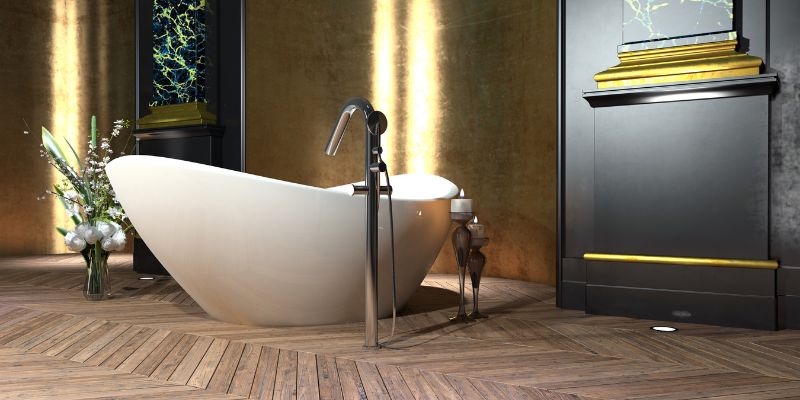
Third, these floors are versatile. They work in traditional homes, modern lofts, and everything in between. You can choose from different wood species, finishes, and plank sizes to match your style. I’ve seen herringbone floors in cozy bedrooms, sleek kitchens, and even luxurious bathrooms.
Finally, they’re durable and add value to your home. A well-installed herringbone floor can last for decades, and buyers love the high-end look. When I was house hunting, homes with unique flooring always stood out to me as a sign of quality and care.
The Difference Between Herringbone and Chevron Patterns
One thing that confused me at first was the difference between herringbone and chevron floors. They look similar, but they’re not the same. Herringbone uses rectangular planks laid at 90-degree angles, creating a staggered, broken zigzag pattern. Chevron, on the other hand, uses planks cut at 45-degree angles to form a continuous V-shape.
Here’s a quick table to break it down:
| Feature | Herringbone | Chevron |
|---|---|---|
| Plank Shape | Rectangular, square-edged | Angled ends (usually 45 degrees) |
| Pattern Style | Staggered, broken zigzag | Continuous, sharp V-shape |
| Installation Complexity | Moderate to high | Slightly easier due to angled cuts |
| Visual Effect | Classic, textured, dynamic | Sleek, uniform, modern |
When I was choosing flooring for my dining room, I went with herringbone because I loved its classic, slightly rustic vibe. Chevron feels more polished and modern, so it depends on the look you’re going for. If you’re torn, try looking at photos of both patterns in rooms similar to yours.
Types of Pre-Cut Herringbone Wood Floors
When I started researching pre-cut herringbone floors, I was surprised by how many options there are. Here’s what I found:
Solid Wood Herringbone
Solid wood herringbone floors are made from a single piece of hardwood, like oak, maple, or walnut. They’re gorgeous and durable but can be sensitive to moisture and temperature changes. I learned this when I considered solid wood for my kitchen—experts advised against it because of the humidity from cooking.
Engineered Wood Herringbone
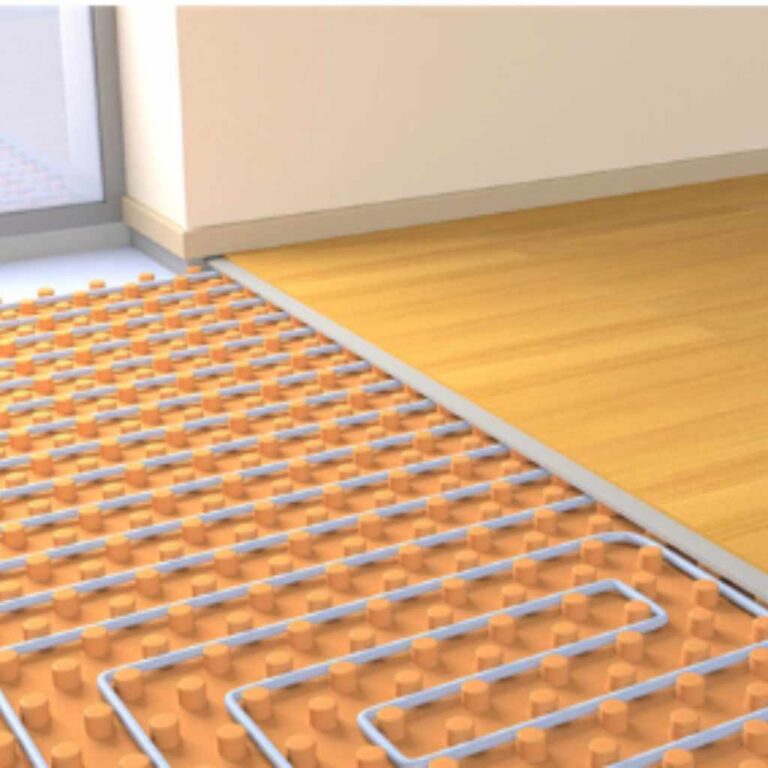
Engineered wood is my go-to recommendation for most homes. It’s made of a thin hardwood layer glued to a stable plywood core. This makes it more resistant to warping, which is great for humid areas or homes with underfloor heating. I installed engineered herringbone in my living room, and it’s held up beautifully even with my two rambunctious dogs.
Vinyl or Laminate Herringbone
If you’re on a budget, vinyl or laminate herringbone floors are worth considering. They mimic the look of wood but are more affordable and water-resistant. I saw these in a friend’s bathroom, and I couldn’t believe they weren’t real wood until she told me! They’re a great option for wet areas like bathrooms or basements.
Each type has its pros and cons, so think about your lifestyle and the room you’re flooring. For example, if you have kids or pets, engineered or vinyl might be more practical.
How Are Pre-Cut Herringbone Floors Made?
I was curious about how these floors are crafted, so I dug into the process. Pre-cut herringbone planks start with high-quality wood, like oak or maple, sourced from sustainable forests. Manufacturers use precision machinery to cut the planks into uniform rectangles, ensuring each piece fits perfectly into the herringbone pattern. The tolerance for error is tiny—sometimes less than 0.005 inches—to keep the pattern seamless.
For engineered floors, the top hardwood layer is bonded to a multi-layer plywood base for stability. The planks are then pre-sanded and sometimes pre-finished with stains or sealants like UV oil or matte urethane. This means less mess during installation since the finishing is done at the factory. When I visited a flooring showroom, the staff showed me how the pre-cut planks lock together like puzzle pieces, making the installer’s job much easier.
Some manufacturers, like Havwoods or Carlisle, even offer custom options. You can choose the wood species, plank size, or finish to match your vision. I went with a medium-width white oak plank for my home because it felt balanced—not too busy, not too bold.
Benefits of Pre-Cut Herringbone Wood Floors
Let me share why I think pre-cut herringbone floors are such a game-changer:
- Time-Saving Installation: Since the planks are pre-cut, your installer can focus on laying the pattern rather than cutting each piece. This saved me a couple of days on my flooring project.
- Less Mess: No on-site cutting means less sawdust and cleanup. When I had my floors installed, I was amazed at how tidy the process was compared to my friend’s custom-cut project.
- Consistent Quality: Factory-cut planks are precise, ensuring a flawless pattern. I noticed this when I compared pre-cut floors to a DIY attempt—there were no gaps or misaligned planks.
- Design Flexibility: You can choose from various wood species, colors, and finishes. I went with a light oak stain to brighten my space, but darker tones like walnut can add drama.
- Increased Home Value: Herringbone floors are a premium feature that buyers love. When I had my home appraised, the realtor commented on how the floors added a luxurious touch.
Challenges to Consider
I’d be lying if I said pre-cut herringbone floors are perfect for everyone. Here are a few challenges I came across:
- Higher Cost: Pre-cut herringbone floors are pricier than standard plank flooring. For example, I paid about $6 per square foot for materials alone, not including labor. The intricate pattern and precision cutting drive up the cost.
- Installation Expertise: Even with pre-cut planks, laying herringbone requires skill. I hired a professional installer because I didn’t trust myself to get the angles perfect.
- Limited Availability: Not every flooring retailer stocks pre-cut herringbone planks, so you might need to order from specialty suppliers. I had to wait a few weeks for my order to arrive.
- Maintenance Needs: Wood floors need regular care, like sweeping and occasional refinishing. I learned to clean up spills quickly to avoid damage, especially in my kitchen.
Despite these challenges, I found the benefits far outweighed the drawbacks. Just make sure you plan your budget and hire a skilled installer.
Choosing the Right Size for Your Space
One thing I learned while shopping for herringbone floors is that size matters. The width and length of the planks can change the whole vibe of a room. Here’s what I discovered:
- Narrow Planks (2-3.5 inches): These create a delicate, intricate pattern. They’re great for smaller rooms like bathrooms or hallways because they make the space feel larger. I saw narrow planks in a cozy café, and they added so much charm.
- Medium Planks (3.5-5 inches): These are versatile and work in most rooms. I chose 3.375-inch planks for my home because they felt classic without overwhelming the space.
- Wide Planks (5-8 inches): Wider planks are bold and modern, perfect for large living rooms or open-plan spaces. They’re trending right now, but I found them a bit too dramatic for my smaller home.
The length of the planks also matters. Shorter planks (14-20 inches) create a tighter pattern, while longer ones (up to 37 inches) feel more spacious. I recommend measuring your room and looking at samples to see what feels right.
Installation Tips I Wish I Knew
Installing pre-cut herringbone floors isn’t a walk in the park, but it’s manageable with the right approach. Here are some tips I picked up from my experience:
- Prepare the Subfloor: A level subfloor is critical. I had to spend extra time leveling mine because even small dips can throw off the pattern. Aim for a maximum deviation of 3mm over a 2-meter area.
- Start in the Center: Herringbone patterns look best when they start in the middle of the room and work outward. My installer used a chalk line to mark the center axis, ensuring symmetry.
- Use the Right Adhesive: Glue-down installations are common for herringbone because they’re stable. I used a high-quality flooring adhesive to prevent squeaking over time.
- Acclimate the Wood: Let the planks sit in the room for a few days before installation to adjust to the humidity. I skipped this once with another project, and the planks warped slightly.
- Hire a Pro: Unless you’re super handy, leave this to the experts. My installer had years of experience, and it made a huge difference in the final look.
If you’re a DIY enthusiast, you can try it yourself, but be ready for a lot of measuring and patience. I watched a YouTube tutorial from Woodpecker Flooring that helped me understand the process before I hired someone.
Maintaining Your Herringbone Floors
Once your floors are installed, you’ll want to keep them looking gorgeous. Here’s how I take care of mine:
- Sweep Regularly: Dust and debris can scratch the surface, so I sweep or vacuum weekly. A soft-bristle broom works best.
- Clean Spills Immediately: Water can damage wood, so I wipe up spills right away. A damp cloth with a wood-safe cleaner does the trick.
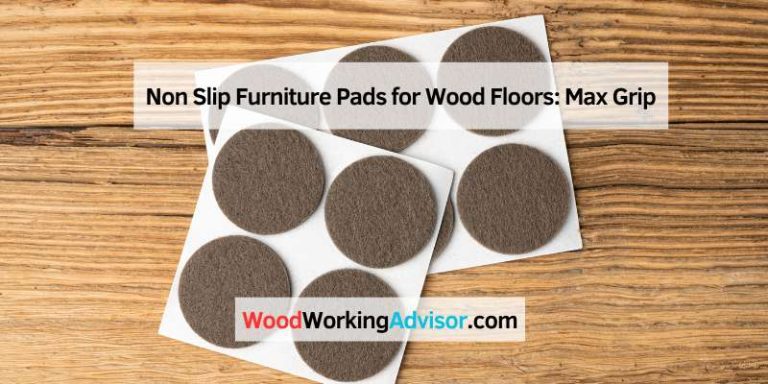
- Use Protective Pads: I put felt pads under my furniture to prevent scratches. Trust me, it’s worth the small investment.
- Refinish When Needed: My floors are still new, but I plan to refinish them every 10-15 years to keep them looking fresh. Sanding and resealing can work wonders.
I also use a matte urethane finish on my floors, which hides scratches better than glossy finishes. It’s been a lifesaver with my dogs running around!
Cost Breakdown
Let’s talk money. Pre-cut herringbone floors aren’t cheap, but they’re an investment. Here’s what I paid for my 833-square-foot project in 2023:
- Materials: $6 per square foot for white oak pre-cut planks = $4,998
- Labor: Around $4 per square foot (varies by location) = $3,332
- Subfloor Prep: $500 for leveling and materials
- Finishing: $1,000 for sanding and sealing (optional if pre-finished)
- Total: ~$9,830
Prices vary depending on the wood species, plank size, and your location. For example, exotic woods like walnut are pricier than oak. I saved money by choosing pre-finished planks, which cut down on finishing costs.
Where to Buy Pre-Cut Herringbone Floors
Finding the right supplier took me some time, but here are a few places I recommend checking out:
- Carlisle Wide Plank Floors: They offer beautiful pre-finished herringbone in various woods. I loved their custom color options.
- Havwoods USA: Great for engineered herringbone with sustainable options. Their Cedro Character finish was tempting!
- BuildDirect: Affordable pre-cut white oak planks. I almost went with their Tungston Plank line.
- Woodpecker Flooring: Known for durable engineered floors with modern finishes.
I suggest ordering samples to see how the wood looks in your lighting. I ordered three samples before settling on my light oak finish.
Styling Your Herringbone Floors
One of my favorite parts of this project was decorating around my new floors. Herringbone is so versatile that it pairs well with many styles. Here are a few ideas I played with:
- Modern Minimalist: Pair light herringbone floors with sleek furniture and neutral colors. I added a gray sofa and white walls for a clean look.
- Rustic Charm: Darker herringbone floors look amazing with cozy textiles and wooden furniture. I used a jute rug to add warmth.
- Classic Elegance: Medium-toned floors with ornate furniture and bold artwork create a timeless vibe. I hung a vintage chandelier to elevate the space.
Whatever your style, keep the room balanced so the floors don’t overwhelm the decor. I learned this after adding too many patterns at first—less is more!
Is It Worth It?
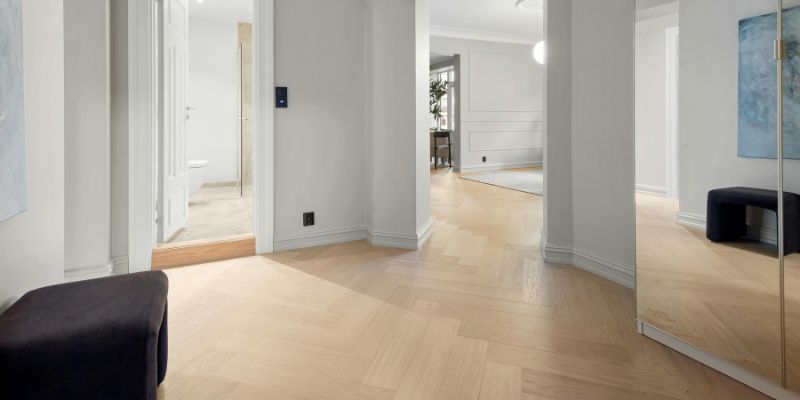
After living with my herringbone floors for a year, I can say they’re absolutely worth it. They make my home feel special, and I get compliments from every guest. The pre-cut planks made the process smoother, and the durability gives me peace of mind. If you’re looking for a floor that combines beauty, history, and value, herringbone is the way to go.
I hope this guide has helped you understand pre-cut herringbone wood floors and inspired you to consider them for your home. They’re not just floors—they’re a statement of style and craftsmanship. If you’re ready to transform your space, start browsing samples and find the perfect herringbone floor for you. Trust me, you won’t regret it!
FAQs About Pre-Cut Herringbone Wood Floors
What’s the Difference Between Pre-Cut and Custom-Cut Herringbone Floors?
Pre-cut herringbone floors come already cut to the right size and shape for the pattern, so your installer just lays them down. Custom-cut floors require the installer to cut each plank on-site, which takes more time and creates more mess. I chose pre-cut to save time and hassle.
Are Pre-Cut Herringbone Floors Suitable for Bathrooms?
Yes, but stick with engineered wood or vinyl herringbone floors. Solid wood can warp in humid bathrooms. I saw vinyl herringbone in a friend’s bathroom, and it looked stunning while handling moisture well.
How Long Does It Take to Install Pre-Cut Herringbone Floors?
It depends on the room size and installer’s experience. For my 833-square-foot space, it took about three days. Pre-cut planks speed things up since there’s no on-site cutting, but the pattern still requires precision.
Can I Install Pre-Cut Herringbone Floors Myself?
It’s possible if you’re handy and patient, but I recommend hiring a pro. The pattern needs perfect alignment, and mistakes can be costly. I watched my installer work and was glad I didn’t tackle it myself!
How Do I Maintain My Herringbone Floors?
Sweep or vacuum regularly, clean spills quickly, and use a wood-safe cleaner for deeper cleaning. I also use furniture pads to prevent scratches. Refinishing every 10-15 years keeps them looking new.