Water-Resistant Wood Flooring: What Actually Holds Up to Water
No wood floor is actually waterproof – not solid hardwood, not engineered hardwood, none of it. That’s not a marketing problem you can shop your way around; it’s chemistry. Real wood is hygroscopic, meaning it absorbs and releases moisture no matter how it’s finished. What you’re really choosing between is degrees of water resistance, a couple of genuinely waterproof specialty engineered products most guides never mention, and one popular wood-look material (luxury vinyl plank) that’s waterproof precisely because it isn’t real wood at all. Below is what each option can and can’t actually survive, and which one fits a kitchen, bathroom, basement, or laundry room without an expensive surprise two years in.
The “Waterproof Wood” Myth, And What’s Actually For Sale
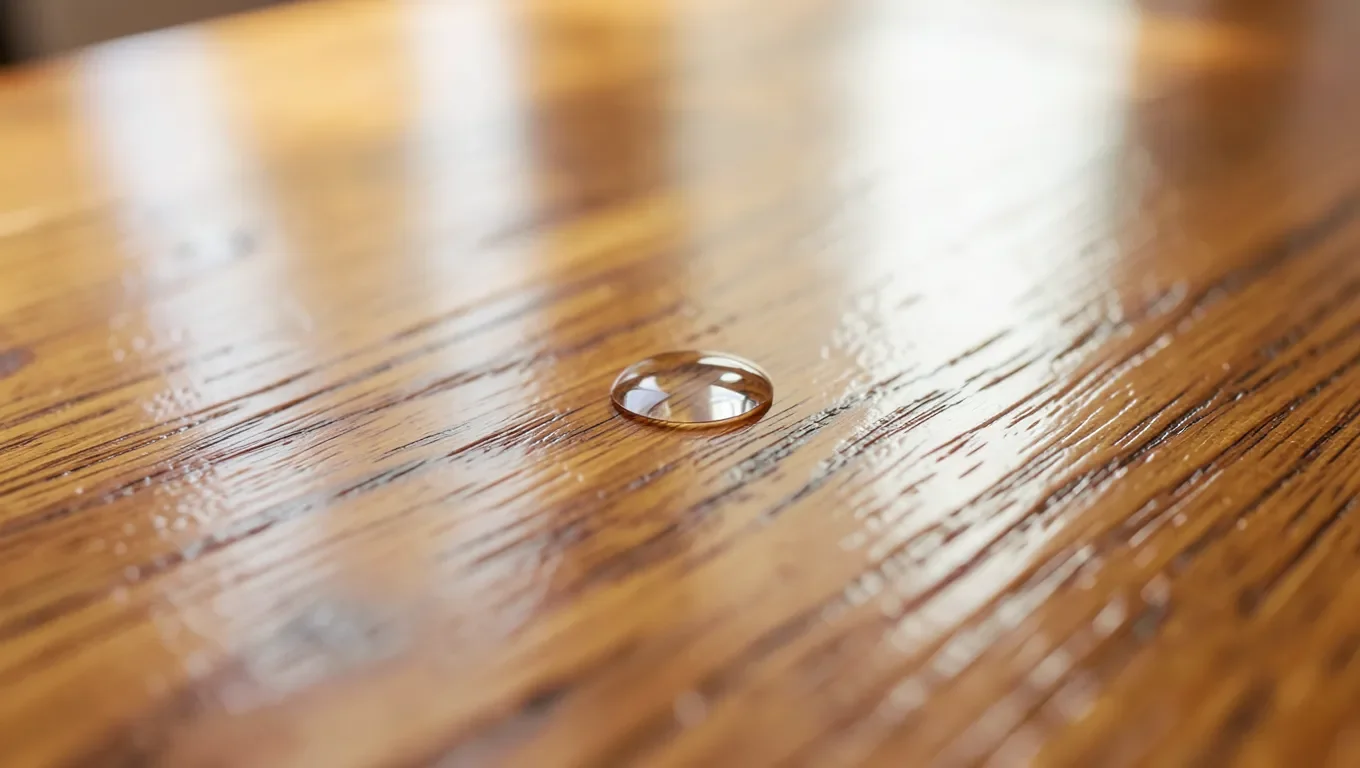
Flooring retailers use “waterproof” and “water-resistant” almost interchangeably, and that’s where most buyers get burned. Water-resistant means a floor can survive a spill wiped up within a reasonable window – minutes to an hour or two – without swelling, cupping, or staining. Waterproof means standing water can sit on it for hours without the core delaminating or the surface failing. Standard solid hardwood is neither; it’s simply vulnerable, full stop. Engineered hardwood earns the water-resistant label through its plywood or high-density-fiberboard core, which is dimensionally more stable than a solid plank and less prone to cupping. A handful of manufacturers – Bruce’s Hydropel line and Robbins’ HydroGuard among them – go a step further with a moisture-resistant core material and a sealed click-lock joint system, and market those specific products as fully waterproof for up to short-term submersion. That’s a real, verifiable claim on those specific SKUs, not a blanket truth about “engineered hardwood” as a category, so the brand and product line matters more than the general wood type when water resistance is the deciding factor.
Best Moisture Barrier For Under New Wood Flooring
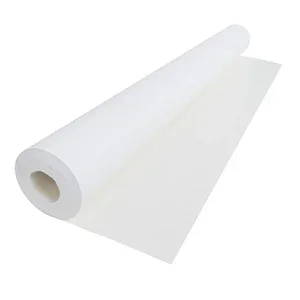 |
Roberts 70-198 Silicone Moisture Barrier Underlayment – $27.49 Whichever water-resistant floor you pick below, none of them stay water-resistant if moisture wicks up from a concrete slab underneath – this underlayment blocks that before it starts.
|
Water-Resistant Engineered Hardwood
Standard engineered hardwood is built in cross-layered plies, usually a hardwood veneer on top bonded to plywood or HDF underneath, with the grain direction alternating layer to layer. That cross-graining is what resists the cupping and gapping that solid planks show when humidity swings, because the layers pull against each other instead of all expanding the same direction at once. Many lines add a water-resistant finish or a treated core – look for language like “moisture-resistant HDF” or a stated resistance to standing water for a set number of hours, not just “water-resistant” on its own, since that phrase alone carries no enforceable standard. This tier handles the everyday reality of a kitchen – a dropped ice cube, a dog’s water bowl overflow, a dishwasher that leaks slowly overnight before anyone notices – provided it’s cleaned up within a few hours. It is not rated for a room that gets mopped with standing water or a bathroom floor around a tub that regularly splashes.
Cost typically runs $4 to $9 per square foot for a quality water-resistant line, compared to $3 to $14 for standard engineered hardwood generally, so the water-resistant upgrade itself isn’t usually a huge premium – it’s more about buying the right product line than paying dramatically more.
Specialty Waterproof Engineered Hardwood (Yes, It Exists)
This is the category most flooring guides skip entirely, and it’s the actual answer for anyone who wants real wood in a bathroom. Bruce’s Hydropel and Robbins’ HydroGuard lines use a modified core – not plywood, not standard HDF – engineered specifically to resist water absorption, paired with a tight click-lock or glued seam system that keeps water from finding its way between planks. Manufacturers back these with warranties that explicitly cover standing water exposure for a stated period, which is the detail to actually check before trusting any “waterproof hardwood” claim: read the warranty language, not the marketing copy on the box. These products cost more than standard water-resistant engineered hardwood – often $6 to $12+ per square foot – and the real-wood veneer on top still needs the same care against prolonged standing water and direct sun exposure that any hardwood surface does. But for a powder room, laundry room, or mudroom where the client wants the look of real wood without settling for vinyl, this is the legitimate option, not a compromise.
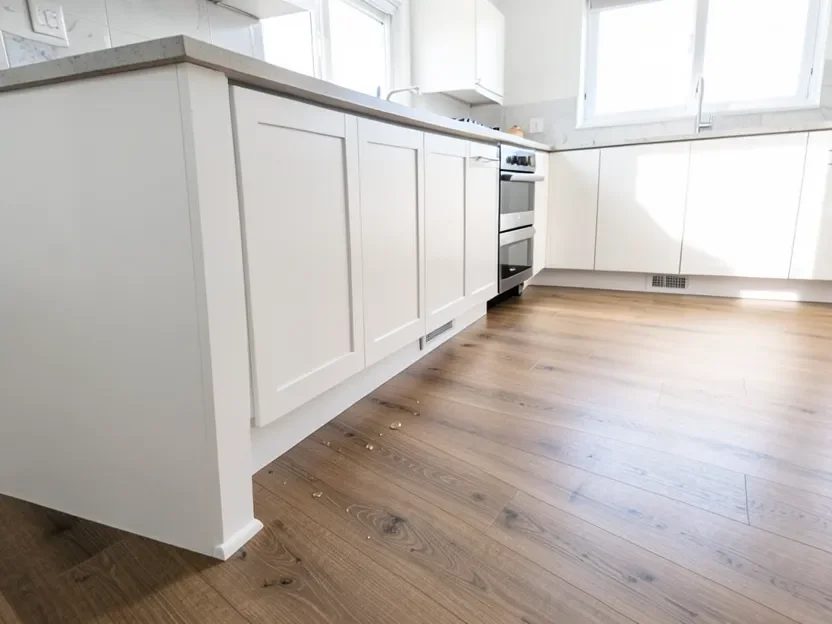
Rigid-Core Luxury Vinyl Plank: Genuinely Waterproof, Just Not Wood
Rigid-core luxury vinyl plank (often labeled SPC or WPC) is the one flooring on this list that is honestly, fully waterproof – because it has no wood content to swell, warp, or rot in the first place. It’s a multi-layer plastic composite with a photographic wood-grain layer under a wear coat, and it can sit under standing water indefinitely without structural damage. That makes it the correct choice for a walk-in shower-adjacent bathroom floor, a below-grade basement with any history of moisture, or a laundry room with a washing machine supply line nearby – the places where even specialty waterproof engineered hardwood is still taking on more risk than necessary. The tradeoff is honesty about what you’re buying: it looks like wood from a few feet away, but it doesn’t sand, refinish, or age the way real wood does, and resale-conscious buyers in higher-end homes sometimes discount a home for having vinyl instead of hardwood in main living areas. For a bathroom, basement, or laundry room specifically, that tradeoff is usually worth it; for a kitchen open to a hardwood living room, it’s a harder call.
Sealed Solid Hardwood: Only For Lower-Moisture Rooms
Solid hardwood can still work in a kitchen or a half-bath that doesn’t get direct water exposure, as long as expectations are set correctly. A quality water-based or oil-modified polyurethane, applied at three coats minimum and maintained with a fresh coat every few years, meaningfully slows water absorption at the surface – it does not stop it. Water that sits in a seam between boards, or that gets tracked in and left overnight, will still find its way to raw wood eventually, because every finish has microscopic gaps and every seam is an entry point no topcoat seals completely. Solid hardwood belongs in rooms where the worst-case spill gets discovered and wiped up the same day, not rooms with a tub, a shower pan, or a floor drain. If that’s the room in question, a fresh finish and disciplined cleanup habits are enough; if it’s a full bathroom or a basement that’s flooded before, it isn’t.
Best Choice By Room
- Kitchen: water-resistant engineered hardwood covers normal spill risk; go specialty waterproof engineered or LVP if young kids, pets, or a dishwasher/fridge water line raise the odds of an undiscovered leak
- Full bathroom (tub or shower): rigid-core LVP or specialty waterproof engineered hardwood with a warranty that explicitly covers standing water – skip standard water-resistant engineered hardwood here
- Half bath / powder room: specialty waterproof engineered hardwood is a reasonable real-wood option since splash exposure is lower than a full bath
- Basement: LVP over a proper moisture barrier is the safest call, especially below-grade or in any home with a prior water intrusion history
- Laundry room: LVP, given the supply-line and overflow risk from a washing machine – see our hardwood floor in a laundry room breakdown for why even water-resistant hardwood is a gamble here
- Entryway/mudroom: water-resistant or specialty waterproof engineered hardwood handles tracked-in rain and snowmelt well if it’s wiped down regularly
Installation Details That Actually Determine Water Resistance
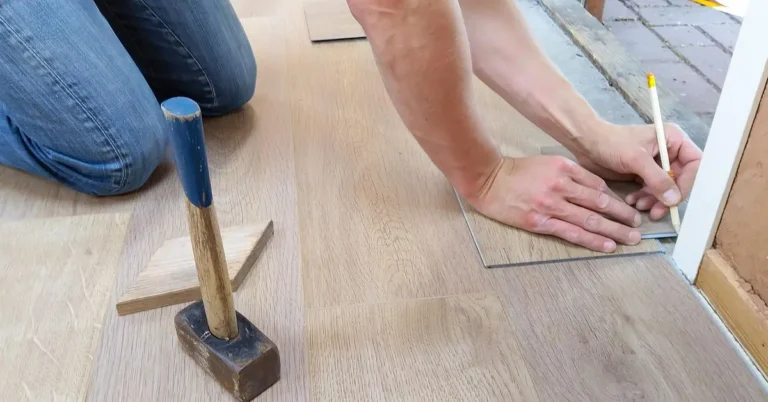
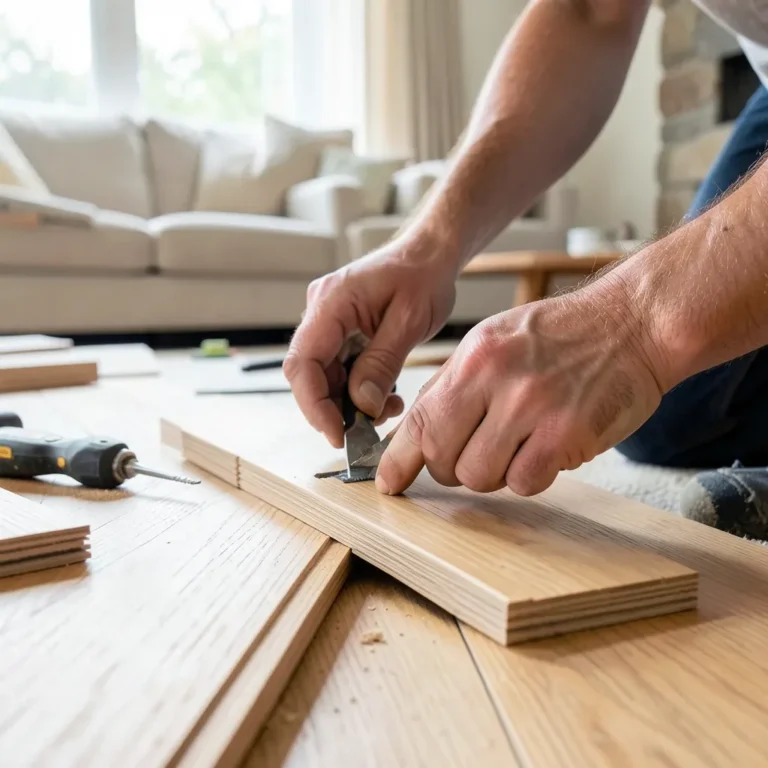
The product label only tells half the story – installation quality is what actually determines whether a floor survives its first real water event. A moisture barrier underneath is non-negotiable over concrete or in any below-grade room, since slab moisture wicking upward will defeat even a genuinely waterproof surface material from underneath over time. Expansion gaps around the room’s perimeter, typically ½-inch, need to stay clear of caulk, trim nailed too tight, or furniture blocking airflow, because wood-based floors still move seasonally even when they’re water-resistant. Seams matter more than field planks: a click-lock system that isn’t fully engaged, or a glued seam that skipped adhesive in one spot, is where water actually gets in on an otherwise well-rated floor. For any floor going in near a tub, sink, or exterior door, a bead of clear silicone (not standard caulk) along the most exposed seam is cheap insurance most installers skip. Similar principles apply to related wood floor systems – see our notes on whether bamboo flooring is actually waterproof and how solid wood compares to engineered hardwood more broadly if either is also on the table for this room.
Keeping Any Of These Floors Water-Resistant Long-Term
Wipe up standing liquid the same day it happens, not “when you get around to it” – the window between a harmless spill and a swollen board is measured in hours for standard water-resistant products, not days. Use a damp (not wet) mop and a cleaner formulated for the specific floor type, since generic all-purpose cleaners can strip the protective finish on engineered hardwood over repeated use. Keep indoor humidity in a stable 30-50% range where possible; large swings dry out and re-swell wood-based floors even without any direct water contact, which is a common cause of gapping that gets mistakenly blamed on a bad spill. Reapply the finish coat on solid or standard engineered hardwood every three to five years depending on foot traffic, and check the manufacturer’s warranty terms on any specialty waterproof product before assuming a specific incident, like a slow leak left for a week, is actually covered – most warranties cap the duration of water exposure they’ll honor, even on products marketed as waterproof.
Frequently Asked Questions
Is any wood flooring actually 100% waterproof?
A small number of specialty engineered hardwood lines, like Bruce Hydropel and Robbins HydroGuard, are warrantied by the manufacturer as waterproof for a stated period of standing water exposure. Standard solid or engineered hardwood is not waterproof under any circumstances – only water-resistant at best. If a floor needs to handle indefinite standing water, rigid-core luxury vinyl plank is the only option that’s waterproof by its actual material composition rather than a warranty claim.
What’s the real difference between water-resistant and waterproof flooring?
Water-resistant flooring survives a spill that’s cleaned up within a few hours without warping or staining. Waterproof flooring can have standing water sit on it for an extended period, often hours to days depending on the product’s warranty, without the core or seams failing. The distinction matters most in rooms with a tub, shower, or appliance water line, where a slow undetected leak can sit far longer than any water-resistant product is rated to handle.
Can I install water-resistant wood flooring in a full bathroom?
Standard water-resistant engineered hardwood is not recommended for a full bathroom with a tub or shower – the splash exposure exceeds what it’s rated for. A specialty waterproof engineered hardwood line with a warranty that explicitly covers standing water, or rigid-core luxury vinyl plank, are the two options actually suited to that level of moisture exposure.
Does a moisture barrier underlayment actually matter if the flooring is already water-resistant?
Yes – a water-resistant or waterproof rating on the flooring itself only accounts for moisture coming from above, like a spill. Over a concrete slab or in a below-grade room, moisture vapor can migrate upward from underneath, and a rated-waterproof floor with no vapor barrier beneath it can still see the same cupping and mold issues as an unprotected floor, just from the opposite direction.
The Bottom Line
Match the floor to the room’s actual worst-case water exposure, not its best case. Water-resistant engineered hardwood is right for a kitchen where spills get noticed and wiped up. Specialty waterproof engineered hardwood earns its higher price in a powder room or mudroom where real wood matters but a full bathroom’s splash zone doesn’t apply. Rigid-core LVP is the honest answer for a full bathroom, basement, or laundry room – it isn’t wood, and that’s exactly why it holds up where wood-based options can’t. Whichever one you choose, a proper moisture barrier underneath and attention to seams and expansion gaps during installation will do more for long-term water resistance than the product label alone.
Sponsored / affiliate links. As an Amazon Associate I earn from qualifying purchases. I may earn additional commission from eligible campaigns.