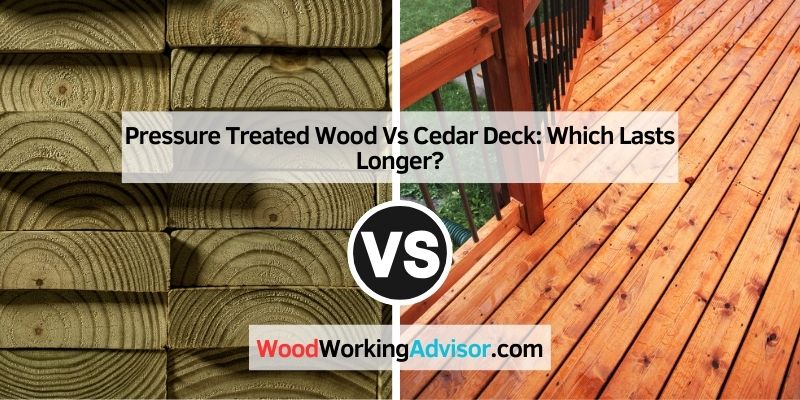
Pressure Treated Wood Vs Cedar Deck: Which Lasts Longer?
Are you planning to build a deck and find yourself stuck choosing between pressure treated wood and cedar? You’re not alone.
This decision is crucial because the right choice can transform your outdoor space into a haven of relaxation and beauty. Imagine sipping your morning coffee surrounded by the warm, natural tones of cedar, or enjoying a barbecue with friends on a sturdy pressure-treated deck that’s built to last.
But which one aligns with your vision, budget, and maintenance capabilities? We’ll delve into the pros and cons of each option, helping you make an informed decision that you won’t regret. Get ready to discover which type of wood will help craft your perfect retreat.
Material Composition
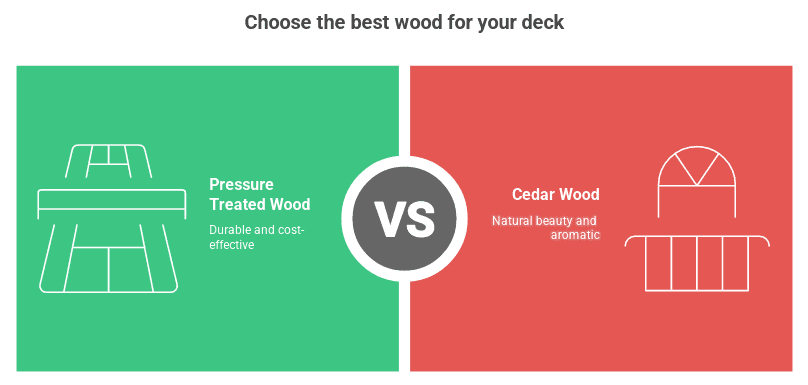
Pressure treated wood is made with chemicals. These chemicals help prevent rot and insects. Wood is placed in large tanks. Air is removed from the tanks. Then, chemicals are pushed into the wood. Durability is a key feature of this wood. It lasts a long time outdoors. Many people use it for decks. It costs less than cedar wood.
Cedar wood is natural and smells good. It is lighter than other woods. Cedar has oils that keep bugs away. It does not need chemicals for protection. Natural beauty is a main reason people choose cedar. It has a warm color and smooth texture. Cedar is more expensive than pressure treated wood. It needs care and attention for long life.
Durability Factors
Pressure treated wood has special chemicals. These chemicals help to resist rot. Cedar wood has natural oils. These oils fight decay well. Both woods are strong. They stand up against rot and decay. Cedar is more natural. Pressure treated wood is more processed.
Cedar wood smells strong. Bugs do not like the smell. This makes cedar good against insects. Pressure treated wood has chemicals. These chemicals keep bugs away. Cedar relies on its natural scent. Pressure treated uses man-made solutions. Both options are effective. They help to keep decks safe from insects.
Environmental Impact
Pressure treated wood lasts a long time. It resists bugs and rot. Chemicals are used to treat it. This helps wood stay strong. But these chemicals can harm the environment. They may leak into soil and water. This is a big concern for many people. Choosing this wood means thinking about its impact. Is it worth the risk?
Cedar is a natural choice. It does not need chemicals. Cedar is naturally resistant to bugs and rot. It is kind to the earth. Cedar is often sourced from forests that regrow. This makes it a sustainable option. People like cedar for its beauty too. It has a nice smell. It feels good to know it is eco-friendly.

Credit: cedarshakesroofcleaning.com
Maintenance Requirements
Pressure treated wood needs regular care. Clean it with mild soap and water. This removes dirt and grime. Once a year, check for cracks and splinters. Sand rough spots to avoid injuries. Applying a sealant helps protect the wood. It makes the wood last longer. Keep an eye on moisture. Too much water can cause damage. Always ensure good ventilation around the deck. This keeps it dry and safe.
Cedar decks are low maintenance. Clean with a soft brush and water. This keeps it looking fresh. Cedar is naturally resistant to bugs and rot. But, a sealant adds extra protection. Apply it every couple of years. Check for warping or damage. Fix small issues quickly. Cedar is softer than treated wood. Be gentle while cleaning. Keep furniture padded to avoid scratches. Cedar’s natural beauty is its best feature.
Cost Considerations
Pressure treated wood offers a cost-effective option for decking, often priced lower than cedar. Cedar decks, although more expensive, provide natural resistance to decay and insects. Homeowners weigh these factors to balance budget and longevity.
Initial Investment
Pressure treated wood is usually cheaper than cedar. Many people choose it for lower upfront costs. Cedar has a higher initial price. It is often seen as a premium choice. This can make a big difference in your budget.
Long-term Value
Cedar can last longer than pressure treated wood. It may save money over time. Cedar is naturally resistant to bugs and rot. Pressure treated wood might need more maintenance. It can be less durable. Cedar decks often look beautiful for many years. People like the natural color and texture. This adds value to your home.
Credit: www.thehandymansdaughter.com
Aesthetic Appeal
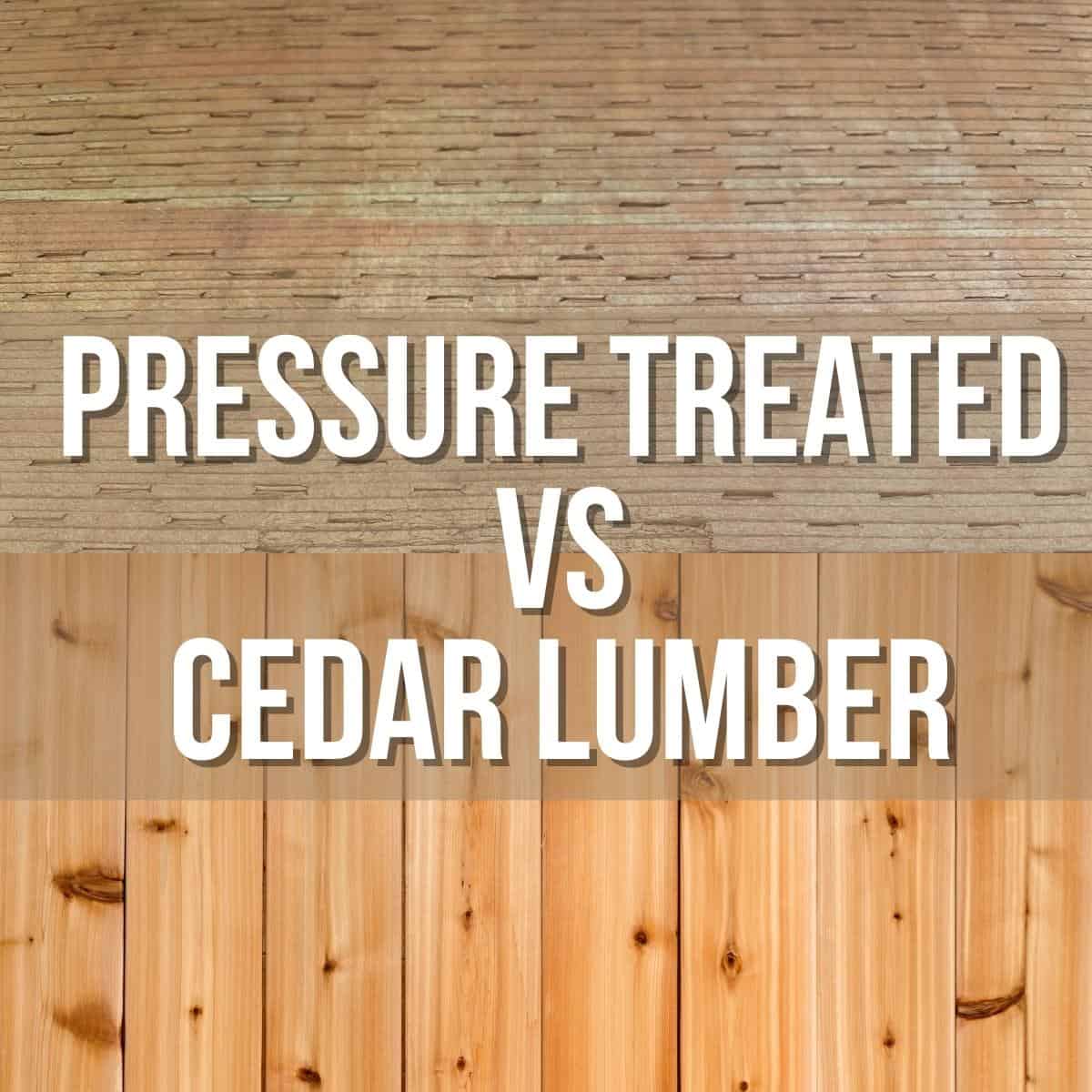
Pressure treated wood often has a greenish tint. This comes from the chemicals used. These chemicals help keep the wood strong. It may look uneven in color. Some people find it less attractive. It can be painted to look better. Painting adds more color options.
Cedar has a warm and rich color. It often shows red and brown tones. The grain pattern is unique. Many people love its natural look. Cedar smells pleasant. The scent is fresh and woodsy. Cedar can weather to a nice gray. This happens over time. It adds to its natural beauty.
Climate Influence
Pressure treated wood stands strong in humid weather. It resists moisture and rot. This makes it a good choice for wet areas. Cedar is also good but needs more care. It can warp if not treated well. Regular maintenance is a must for cedar. Cleaning and sealing help extend its life.
Cedar shines in dry climates. It stays stable and does not crack. Its natural oils protect it from insects. Pressure treated wood can also work in dry regions but may need treatment. Dry weather can cause cracks over time. Both options have benefits, but care is key.
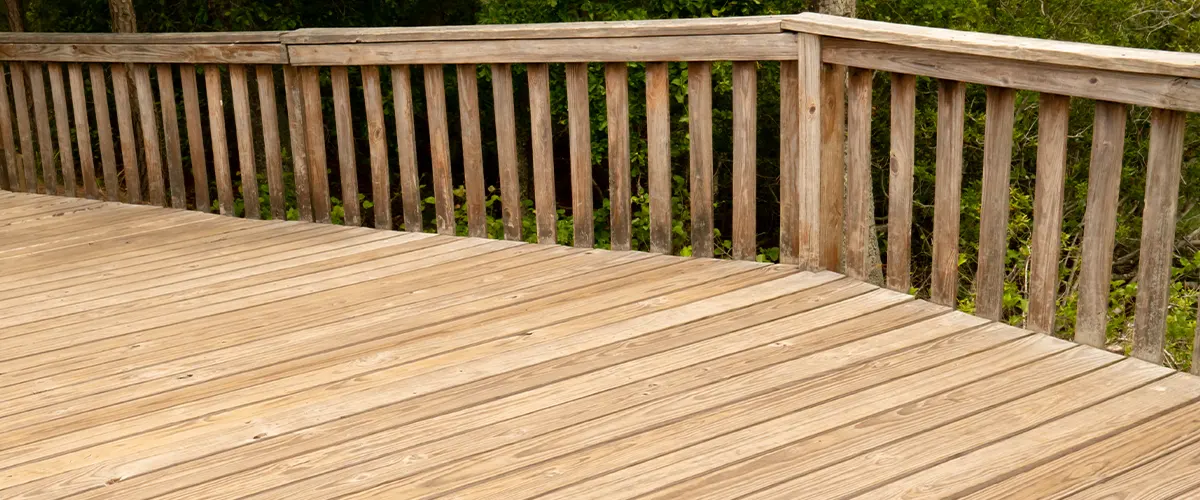
Credit: riverviewdecks.com
Installation Process
Pressure treated wood is simple to install. It’s strong and durable. Workers often prefer it. Cuts are clean and easy. Tools needed are basic. Hammer and saw are enough. Boards fit well together. Installation is quick. Little preparation is required. Follow safety rules. Wear gloves and goggles. Protect from dust and splinters.
Cedar wood is lightweight. This makes it easy to handle. Cedar is soft. It cuts smoothly. Tools like drills work well. Cedar needs careful handling. It can dent or scratch. Workers must be gentle. Cedar is flexible. It fits tight spaces easily. Use screws for joining. Check alignment often. Ensure stability before use.
Frequently Asked Questions
Should I Use Cedar Or Pressure Treated Wood For A Deck?
Choose cedar for its natural beauty and resistance to decay. Pressure-treated wood is durable and budget-friendly. Cedar offers a premium look, while pressure-treated wood provides longevity and affordability. Consider your budget and desired aesthetics to make the best choice for your deck.
What Lasts Longer Outside, Cedar Or Pressure Treated Wood?
Pressure-treated wood generally lasts longer outdoors compared to cedar. It resists decay and insects effectively. Cedar is naturally durable but less resistant to moisture. Pressure-treated wood is preferred for longevity in outdoor structures. Regular maintenance extends the lifespan of both types.
What Are The Disadvantages Of Cedar Decking?
Cedar decking requires regular maintenance to prevent damage from weather and pests. It can be more expensive than other options. The softwood may easily scratch and dent. Its natural color fades over time, needing staining for aesthetic preservation. Cedar is less durable compared to composite materials.
How Long Does Pressure Treated Wood Last Vs Cedar?
Pressure treated wood lasts around 20-40 years with proper maintenance. Cedar wood typically lasts 15-30 years. Both woods’ longevity depends on environmental factors and maintenance. Regular sealing and staining can extend their lifespan. Cedar is naturally resistant to decay, while pressure treated wood is chemically treated for durability.
Conclusion
Choosing between pressure treated wood and cedar depends on your needs. Pressure treated wood is durable and more affordable. Cedar offers natural beauty and resistance to insects. Both options have their pros and cons. Consider your budget, maintenance preference, and desired look.
Think about the climate and deck location too. Each choice can lead to a beautiful outdoor space. A well-informed decision ensures your deck lasts and looks great. Enjoy your new deck, whatever material you choose!