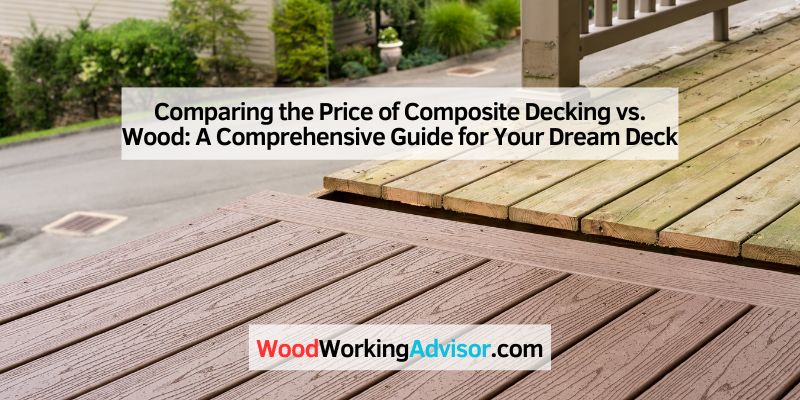
Comparing the Price of Composite Decking vs. Wood: A Comprehensive Guide for Your Dream Deck
Hey there! If you’re dreaming of a beautiful deck to transform your backyard into a cozy outdoor haven, you’re probably wrestling with a big question: Should I go with composite decking or stick with traditional wood? I’ve been down this road myself, researching every angle to figure out what’s best for my own home. The price of composite decking versus wood is a hot topic, and it’s not just about the upfront cost. There’s so much more to consider—durability, maintenance, aesthetics, and long-term value. In this article, I’m going to walk you through everything I’ve learned, breaking it down into simple, digestible pieces. Whether you’re a DIY enthusiast or hiring a pro, my goal is to help you make an informed decision for your decking project. Let’s dive in!
Understanding Composite Decking and Wood Decking
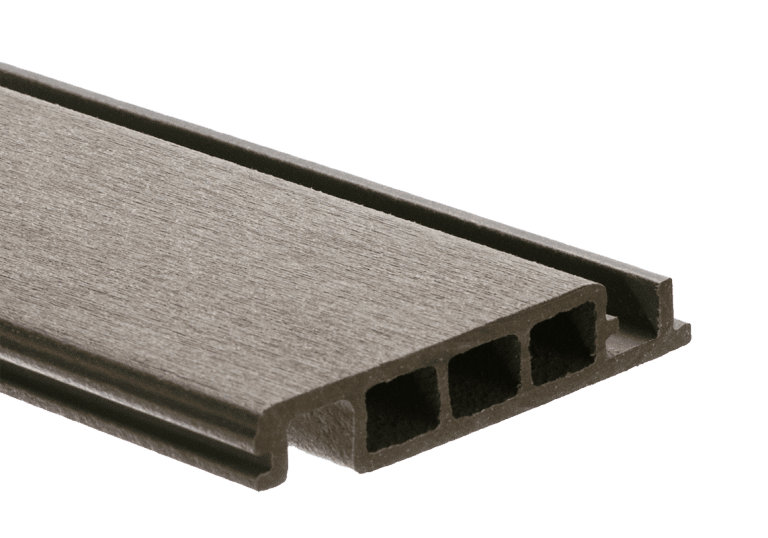
When I started exploring decking options, I quickly realized there are two main players: composite decking and wood decking. Composite decking is a modern material made from a blend of wood fibers, recycled plastic, and binding agents. It’s designed to look like wood but with added perks like durability and low maintenance. Wood decking, on the other hand, is the classic choice—think natural lumber like pressure-treated pine, cedar, or exotic hardwoods like ipe. Each has its own charm, but the differences in cost, upkeep, and lifespan can make or break your decision.
Composite decking caught my eye because it promises a sleek, polished look without the constant sanding and staining. But wood? There’s something timeless about its natural grain and warm tones. I’ll admit, I was torn at first, so I dug deeper into the costs and benefits to see which one truly fits a homeowner’s budget and lifestyle.
Initial Costs: What You’ll Pay Upfront
Let’s talk money first because, let’s be honest, that’s what grabs our attention. When I compared the initial costs, I found composite decking is generally pricier than wood. For a typical 200-square-foot deck, composite decking materials can range from $4,800 to $7,200, based on my research into brands like Trex and TimberTech. That breaks down to about $24 to $36 per square foot for materials alone. Installation can add another $30 to $60 per square foot, depending on labor rates in your area.
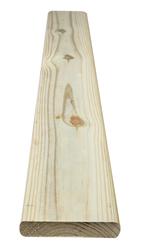
Wood decking, however, is often easier on the wallet upfront. Pressure-treated pine, the most budget-friendly option, costs around $1,000 to $2,000 for a 200-square-foot deck, or roughly $5 to $10 per square foot for materials. Cedar and redwood, which are mid-range options, run about $2,000 to $5,000 for the same size, or $10 to $25 per square foot. If you’re eyeing premium hardwoods like ipe or mahogany, expect to pay $6,000 to $8,000, or $30 to $40 per square foot. Labor costs for wood are similar to composite, around $25 to $43 per square foot.
Here’s a quick table to break it down:
| Material | Cost per Square Foot (Materials) | Estimated Cost for 200 sq ft (Materials) |
|---|---|---|
| Pressure-Treated Pine | $5–$10 | $1,000–$2,000 |
| Cedar/Redwood | $10–$25 | $2,000–$5,000 |
| Hardwood (Ipe, Mahogany) | $30–$40 | $6,000–$8,000 |
| Composite Decking | $24–$36 | $4,800–$7,200 |
I learned that while wood can save you money upfront, especially with pressure-treated pine, the higher-end composites and hardwoods are closer in price. But the initial cost is just the beginning—there’s more to the story when you factor in the long haul.
Long-Term Costs: Maintenance and Durability
When I started thinking about maintenance, the gap between composite and wood became crystal clear. Wood decking, especially pressure-treated pine, needs a lot of TLC. I’m talking annual staining, sealing, and sometimes painting to keep it from warping, cracking, or rotting. For my 200-square-foot deck, I estimated maintenance costs of $500 to $1,000 per year for wood, including materials and labor. Over 10 years, that adds up to $5,000 to $10,000! If you skip maintenance, you’re looking at costly repairs or even replacing boards that rot or splinter.
Composite decking, on the other hand, is a game-changer for someone like me who doesn’t want to spend every summer scrubbing and sealing. Most composite boards only need a quick sweep or hose-down a few times a year. I budgeted about $50 annually for soap, water, and maybe a pressure washer rental. Over a decade, that’s just $500—a fraction of wood’s upkeep. Plus, composites are built to resist mold, insects, and UV damage, so repairs are rare. Some brands, like Trex, even offer 25- to 50-year warranties, which gave me peace of mind.
Here’s where it gets interesting: within about five to nine years, the total cost of a wood deck (initial plus maintenance) can surpass a composite deck’s cost. For example, a $3,000 pressure-treated pine deck with $500 annual maintenance hits $8,000 after 10 years. A $6,000 composite deck with $50 yearly upkeep? Only $6,500. That realization flipped my perspective—composite might cost more upfront, but it saves you big over time.
Durability and Lifespan: How Long Will Your Deck Last?
I’m the kind of person who wants a deck that’ll last for decades, not just a few summers. Wood’s lifespan varies widely. Pressure-treated pine might give you 10 to 15 years with diligent care, but cedar or redwood can stretch to 15 to 20 years. Hardwoods like ipe are the champions, lasting 25 years or more, but they come with a premium price tag and still need maintenance.
Composite decking, though, is built to go the distance. Most brands promise 25 to 30 years, and some even claim “lifetime” durability with minimal upkeep. I was impressed by how composites resist fading, splintering, and rot, thanks to their plastic-wood blend. Capped composite boards, which have a protective plastic shell, are especially tough against scratches and weather. For me, knowing I could enjoy my deck for decades without worrying about major repairs made composite feel like a smart investment.
Aesthetic Appeal: Finding the Look You Love
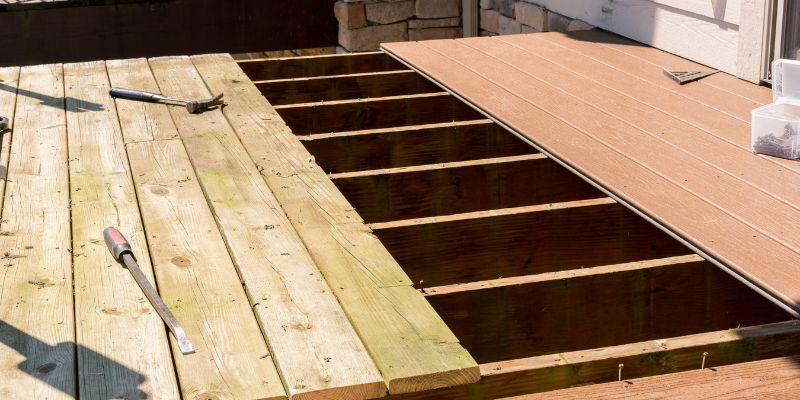
Let’s talk about looks because a deck should be as beautiful as it is functional. Wood decking has that classic, natural vibe that’s hard to beat. I love the warm, authentic grain of cedar or the rich tones of ipe. You can stain or paint wood to match your home’s style, and it feels like a piece of nature in your backyard. But here’s the catch: that beauty fades without regular upkeep. Sun, rain, and foot traffic can leave wood looking weathered and gray.
Composite decking surprised me with how far it’s come. Modern composites mimic wood’s grain and texture so well that I had to look twice to tell the difference. Brands like TimberTech and MoistureShield offer a range of colors—think earthy browns, cool grays, or even vibrant reds. Unlike wood, composites hold their color without annual staining, though some fading can happen over time. I also liked that composites come in consistent patterns, so you don’t get the natural imperfections of wood, which can be a pro or con depending on your taste.
For me, it came down to whether I wanted the authentic charm of wood or the polished, low-maintenance look of composite. I leaned toward composite because I didn’t want to stress about keeping the color vibrant year after year.
Environmental Impact: Which Is Greener?
As someone who cares about the planet, I wanted to know how my deck choice affects the environment. Wood decking is natural, but it’s not always eco-friendly. Pressure-treated pine often uses chemicals that can leach into soil, and harvesting hardwoods like ipe can contribute to deforestation if not sourced sustainably. Cedar and redwood are better options if they’re certified by the Forest Stewardship Council (FSC), but they’re still a finite resource.
Composite decking, surprisingly, has a green edge. Many brands, like Trex, use up to 95% recycled materials, including plastic bags and reclaimed wood fibers. This reduces waste and gives new life to materials that might end up in landfills. However, the manufacturing process for composites is energy-intensive, and the plastic components aren’t biodegradable. I weighed both sides and felt good about composites for their recycling factor, but I made sure to choose brands with sustainable practices.
Installation: What to Expect
When I started planning my deck, I wondered if one material was easier to install. Wood is straightforward for DIYers like me. You can cut, sand, and fasten it with basic tools. Pressure-treated pine is especially forgiving, though hardwoods like ipe are tougher to work with because they’re so dense. Installation costs for wood are lower if you do it yourself, but hiring a pro can run $25 to $43 per square foot, depending on your location.
Composite decking is a bit trickier. The boards are heavier, and some brands require special fasteners or tools, which can add to the cost. I found that professional installation for composite runs $30 to $60 per square foot because of the precision needed. If you’re a seasoned DIYer, you can save money, but I’d recommend watching tutorials or checking manufacturer guidelines to avoid mistakes. Either way, the installation process didn’t sway my decision much since both materials are manageable with the right skills.
Pros and Cons: Weighing Your Options
To make my choice clearer, I jotted down the pros and cons of each material. Here’s what I came up with:
Wood Decking Pros:
- Lower initial cost, especially for pressure-treated pine.
- Natural, authentic look and feel.
- Easy to customize with stains or paint.
- Readily available at most lumberyards.
Wood Decking Cons:
- High maintenance (staining, sealing, repairs).
- Shorter lifespan (10–20 years for most types).
- Prone to rot, splinters, and insect damage.
- Environmental concerns with some woods.
Composite Decking Pros:
- Low maintenance—just sweep and wash.
- Long lifespan (25–30 years or more).
- Resistant to rot, insects, and fading.
- Eco-friendly with recycled materials.
Composite Decking Cons:
- Higher upfront cost.
- Can fade slightly over time.
- Not as “natural” as real wood.
- Installation may require special tools.
This list helped me see that composite decking aligns better with my desire for a low-maintenance, long-lasting deck, but wood’s affordability and classic look are hard to ignore.
Making the Right Choice for Your Home
Choosing between composite and wood decking depends on your priorities. I asked myself a few key questions: How much time am I willing to spend on maintenance? Do I want a deck that lasts decades? Is the natural look of wood a must-have? If you’re on a tight budget and don’t mind yearly upkeep, pressure-treated pine or cedar might be your best bet. If you want a deck that looks great with minimal effort and lasts for years, composite is worth the investment.
I also considered my lifestyle. I love hosting barbecues and spending time outdoors, but I don’t want to spend my weekends sanding boards. Composite decking felt like the better fit for my busy schedule, even though I had to stretch my budget a bit. Your situation might be different—maybe you’re a wood purist or planning to sell your home soon, making wood’s lower cost more appealing.
Conclusion
After diving deep into the price of composite decking versus wood, I’ve come to appreciate both materials for what they offer. Wood decking brings that classic, natural beauty and a lower upfront cost, perfect for budget-conscious homeowners or those who love the hands-on process of staining and sealing. Composite decking, though pricier at first, wins for its durability, low maintenance, and eco-friendly edge. For me, the long-term savings and ease of care tipped the scale toward composite, but I totally get why someone might choose wood’s timeless charm.
Building a deck is an exciting project—it’s like adding a new room to your home. Whether you go with wood or composite, take your time to weigh the costs, maintenance, and vibe you’re going for. Picture yourself sipping coffee on your deck, hosting friends, or just soaking in the sunset. That vision will guide you to the right choice. If you’re still on the fence, grab samples, talk to local suppliers, or even visit a friend’s deck to see the materials in action. Your perfect deck is out there, and I’m rooting for you to create a space you’ll love for years to come!
FAQs
Is composite decking worth the higher upfront cost?
Absolutely, if you value low maintenance and longevity. I found that composite decking saves money over time because you don’t need to stain or seal it yearly. For a 200-square-foot deck, you might spend $6,000 upfront on composite versus $3,000 for wood, but wood’s maintenance can add $500–$1,000 annually. In less than a decade, composite often becomes cheaper overall.
How often do I need to maintain a wood deck?
Wood decks need attention every year or two. I learned you should stain and seal them to prevent rot and fading. Without this, they can warp or crack within a few years. Expect to spend a weekend and $100–$200 on supplies each time, or more if you hire a pro.
Can composite decking look as good as wood?
Yes, it’s come a long way! I was amazed at how brands like Trex mimic wood’s grain and colors. You can choose from rich browns to modern grays, and the look stays vibrant without constant upkeep. It’s not 100% identical to wood, but it’s close enough to fool most people.
Is wood decking more environmentally friendly than composite?
It depends. Wood is natural, but harvesting it can harm forests if not done sustainably. Look for FSC-certified lumber. Composite decking often uses recycled plastic and wood fibers, which I found reduces landfill waste. However, its manufacturing process uses more energy, so it’s a trade-off.
How long does it take to install a deck?
For a 200-square-foot deck, I’d estimate 2–4 days for a DIY project, depending on your skills. Wood is a bit easier to work with, while composite might need special fasteners. Hiring a pro? They can usually finish in 1–3 days, but costs will be $25–$60 per square foot.