Metal Deck Joists: What They Are, Sizes, and When to Use Them
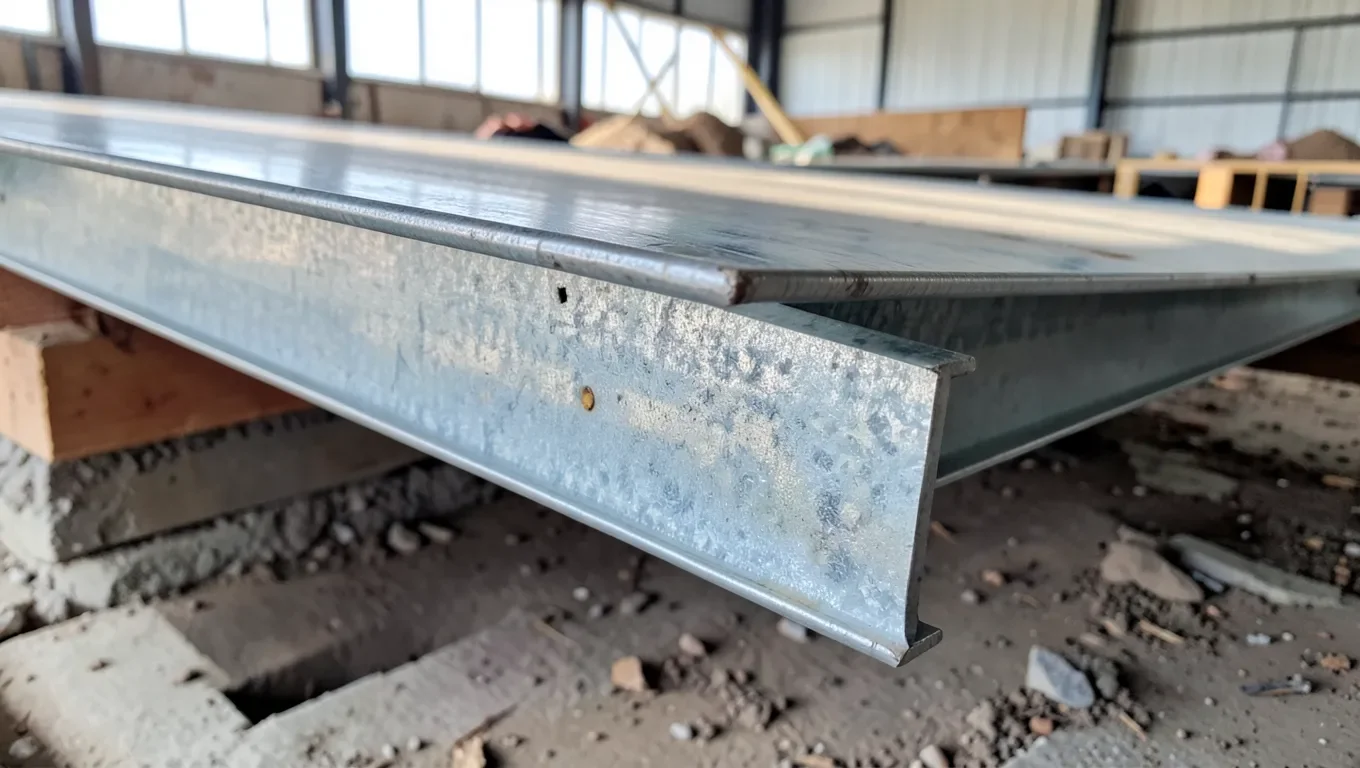
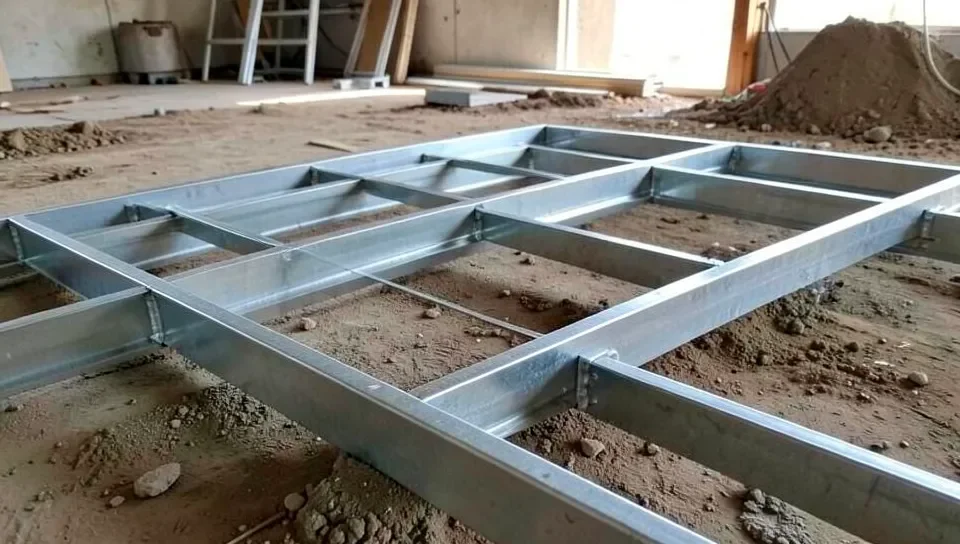
Metal deck joists are cold-formed steel C-joists (sometimes called light-gauge steel joists) used to frame floors and roofs instead of dimensional lumber. They’re roll-formed from galvanized steel coil into a C-shaped or Z-shaped profile, sized and spaced according to a manufacturer’s load tables rather than the span charts used for wood joists.
What A Metal Deck Joist Actually Is
Best For Fastening Steel Joists
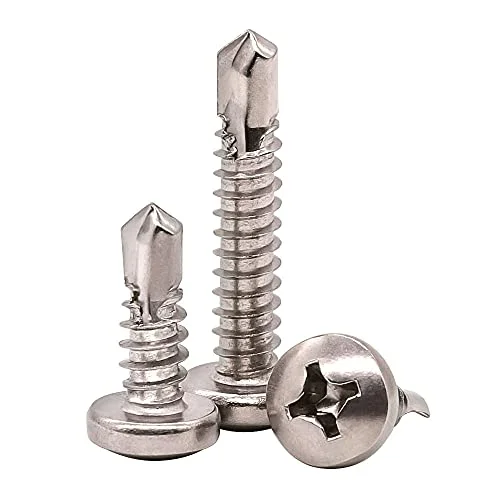 |
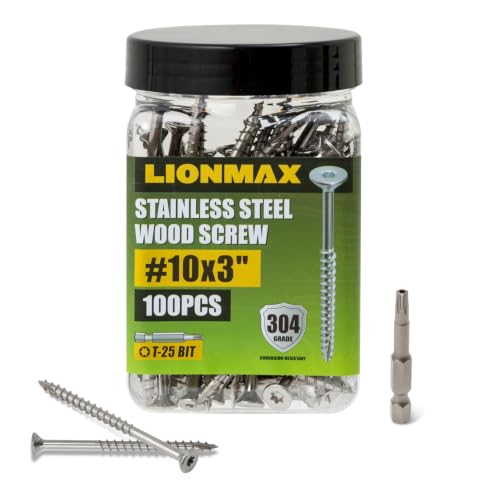
EASTLO #10 x 1″ Self-Drilling Screws, 410 Stainless, Pack of 100 – $8.99 Self-drilling point rated for sheet steel up to 12-gauge (2.5mm) — sized for the light-gauge steel most metal deck joists are made from, no pre-drilling needed.
|
Most residential and light-commercial “metal deck joists” are cold-formed steel (CFS) C-joists — a C-shaped cross-section punched from galvanized steel coil, not the same thing as the heavier open-web steel joists (bar joists) used in large commercial roof spans. CFS joists are labeled by a standard naming convention that tells you the size at a glance: a joist marked 350S162-33 is 3.5″ deep, has a 1.625″ flange, and uses 33-mil (20-gauge) steel. Common depths run 6″, 8″, 10″, and 12″, with gauge thickness — not just depth — determining how much load a given joist can carry.
Metal Vs. Wood Joists: A Real Comparison
| Factor | Steel (CFS) Joists | Wood (Dimensional/Engineered) Joists |
|---|---|---|
| Moisture/rot resistance | Won’t rot; galvanized coating resists corrosion | Vulnerable to rot and moisture without treatment |
| Pest resistance | Termites and carpenter ants can’t eat steel | Requires pressure-treatment or barriers in pest-prone areas |
| Fire behavior | Non-combustible, but loses strength faster than wood in sustained direct fire exposure | Combustible, but chars predictably and holds shape longer under fire load than unprotected thin steel |
| Weight | Lighter per linear foot at equivalent spans | Heavier, but easier to field-cut and adjust |
| On-site modification | Requires metal-cutting tools (snips, cutoff wheel); can’t be notched like wood | Easily cut, drilled, and notched with common tools |
| Sizing method | Manufacturer load tables (depth + gauge + span) | IRC span tables or engineered-joist manufacturer tables |
Neither material is universally “better” — steel’s real advantage is dimensional stability and rot/pest immunity in problem environments (flood zones, termite-heavy regions, commercial buildings requiring non-combustible framing), while wood remains cheaper and far easier to modify on site without specialized tools or engineer sign-off for minor changes.
Sizing And Spans: Why There’s No Single Table
Unlike wood joists, where the IRC span tables give a standardized answer, allowable spans for steel C-joists come from the specific manufacturer’s published load tables (or software like AISI’s design tools), because span capacity depends on the exact combination of depth, steel gauge, yield strength, joist spacing, and the load the floor or roof needs to carry. A deeper or thicker-gauge joist at wider spacing can span further than a shallower joist at tighter spacing carrying the same load — there’s no shortcut number that applies across brands. In practice, this means: pull the load tables from the actual joist manufacturer you’re buying from (or have a structural engineer size the job) rather than assuming a “12-inch joist spans X feet” rule of thumb copied from a wood-framing context, where the math works completely differently.
Installation Basics
- Layout first: steel joists are typically laid out on the same on-center spacing pattern as wood (16″ or 24″ o.c.), but confirm against the manufacturer’s table for your specific load, not a wood-framing assumption.
- Fastening: self-drilling screws (see above) connect joists to tracks and clips — welding is also common on commercial jobs but changes the galvanized coating at the weld point, which then needs a cold-galvanizing touch-up to keep the corrosion resistance intact.
- Bridging/bracing: steel joists need lateral bracing (solid blocking, strapping, or bridging clips) to prevent rotation under load — skipping this is a common amateur-installation mistake with steel framing specifically, since the thin C-profile has less inherent torsional resistance than a solid wood joist.
- Cutting: use a cold saw, cutoff wheel, or double-cut nibbler — a standard wood-framing circular saw blade dulls almost immediately on steel and throws sparks near any sawdust or flammable material on site.
Where To Buy Metal Deck Joists
Unlike dimensional lumber, steel C-joists aren’t a standard stock item at most home-center lumber yards — they’re typically ordered through a steel-framing supplier, metal building materials distributor, or the same commercial lumberyards that stock steel studs and track for interior framing. Because the exact profile (depth, flange width, gauge) has to match your project’s engineered load requirements, most suppliers cut and ship to spec rather than selling off a rack, so lead times run longer than picking up wood joists same-day. Some manufacturers also offer prefabricated steel floor/roof panel systems that bundle the joists with decking already attached, which can simplify installation on repetitive commercial layouts even though it costs more per square foot than ordering joists and decking separately.
Common Mistakes When Switching From Wood To Steel Joists
- Reusing wood-framing fastener habits: common nails and standard wood screws won’t hold in steel — self-drilling screws rated for the steel’s gauge (see the product above) are required, and using an undersized screw is a common cause of loose connections found during framing inspections.
- Skipping the manufacturer’s load table: assuming a steel joist “obviously” outperforms an equivalent-depth wood joist and spanning it further without checking the actual rated capacity for that specific gauge and spacing.
- Ignoring galvanic corrosion at dissimilar-metal connections: steel joists in contact with certain other metals (or pressure-treated lumber with incompatible chemical treatments) can corrode faster at the connection point — check the joist manufacturer’s compatibility guidance before mixing materials.
- Cutting without deburring: a cut steel edge left sharp and un-primed is both a safety hazard during handling and a spot where the galvanized coating has been removed, inviting rust exactly where the joist was structurally weakened by the cut.
Where Steel Joists Make Sense (And Where They Don’t)
Steel joists earn their keep in flood-prone construction, termite-heavy regions, and commercial buildings where code requires non-combustible framing or where long, column-free spans favor steel’s strength-to-weight ratio. For a typical single-family home outside those conditions, wood or engineered-wood I-joists usually remain the more practical and less expensive choice — steel framing requires different tools, different fasteners, and often a framing crew already experienced with metal, which raises labor cost even when the material itself is competitively priced. The decision is really about matching the material to the site’s actual risk factors, not defaulting to whichever material sounds more “advanced.”
For readers comparing framing systems more broadly rather than the joist component specifically — including cost breakdowns for a full steel-framed deck structure — see our steel deck framing pros, cons, and costs guide.
Frequently Asked Questions
What are metal deck joists made of?
Most are cold-formed steel (CFS) C-joists roll-formed from galvanized steel coil. Heavier open-web steel joists (bar joists) are a different product used mainly in large commercial roof spans.
How do metal deck joists compare to wood joists?
Steel resists rot, pests, and moisture that wood can’t, and is lighter per linear foot at equivalent spans. Wood is cheaper, easier to cut and modify on site, and doesn’t require specialized cutting tools or fasteners.
How far can a metal deck joist span?
There’s no single universal span table like wood framing has — span depends on the joist’s depth, steel gauge, spacing, and load, and varies by manufacturer. Always check the specific manufacturer’s load tables or have a structural engineer size the job.
Conclusion
Metal deck joists are cold-formed steel C-joists sized by depth, flange, and gauge rather than a universal span chart — a genuine, code-recognized alternative to wood in situations where rot, pests, or fire-code non-combustibility requirements make wood impractical. For a typical wood-framed project outside those conditions, wood or engineered I-joists usually remain the simpler, cheaper choice.
Sponsored / affiliate links. As an Amazon Associate I earn from qualifying purchases. I may earn additional commission from eligible campaigns.