Propagate Hydrangea Hardwood Cuttings: Easy Steps to Success
To propagate hydrangea hardwood cuttings, you can root them in late fall or early winter when the new stems are mature. However, it’s challenging and slow.
If you want better results, consider using softwood cuttings, which root quickly. Hydrangeas are beloved for their beautiful blooms and are a popular choice for gardeners looking to propagate new plants. While propagating hydrangeas from hardwood cuttings can be challenging, it is possible with the right techniques.
By understanding the best practices for rooting and growing hydrangeas from hardwood cuttings, you can successfully expand your hydrangea collection and enhance your garden’s beauty. Let’s explore the process of propagating hydrangea hardwood cuttings and the key factors to consider for successful propagation.
Introduction To Hydrangea Propagation
Hydrangea propagation through hardwood cuttings is a popular method for expanding your hydrangea collection. By taking cuttings from mature stems in late fall or early winter, you can root new plants. Although it may be slower and more challenging than using softwood cuttings, it can still yield successful results for dedicated gardeners.
Hydrangeas are beautiful flowering plants that can add a splash of color to any garden. While they can be propagated through various methods, one of the most popular and effective techniques is through hardwood cuttings. In this article, we will explore the benefits of using hardwood cuttings for hydrangea propagation and compare them to softwood cuttings.
Benefits Of Hardwood Cuttings
Hardwood cuttings have several advantages when it comes to propagating hydrangeas. Some of the key benefits include:
- Higher Success Rate: Hardwood cuttings have a higher success rate compared to other propagation methods. This means that you are more likely to successfully grow new hydrangea plants from hardwood cuttings.
- Availability: Hardwood cuttings can be taken during the dormant season, which typically occurs in late fall or early winter. This means that you can easily find suitable cuttings during this time.
- Hardiness: Hydrangea hardwood cuttings are more resilient and can withstand harsh weather conditions. This makes them a reliable choice for propagation, even in colder climates.
Comparing Hardwood And Softwood Cuttings
While hardwood cuttings have their advantages, it’s essential to understand how they compare to softwood cuttings. Here are a few points to consider:
| Hardwood Cuttings | Softwood Cuttings |
|---|---|
| Taken during dormant season (late fall or early winter) | Taken during active growth period (spring or early summer) |
| Slow rooting process | Quick rooting process |
| More challenging to root | Easier to root |
| Higher success rate in colder climates | Higher success rate in warmer climates |
While softwood cuttings may yield quicker results, hardwood cuttings offer a more reliable and hardy option for propagating hydrangeas, especially in colder regions.
In conclusion, using hardwood cuttings for hydrangea propagation can be a rewarding and successful method. The higher success rate, availability during the dormant season, and hardiness of hardwood cuttings make them an excellent choice for gardeners looking to expand their hydrangea collection. However, it’s essential to consider the specific requirements of your climate and growing conditions before deciding on the best propagation method for your hydrangeas.

Selecting The Right Cuttings
When it comes to propagating hydrangeas through hardwood cuttings, selecting the right cuttings is crucial for success. In this section, we will explore how to identify mature stems and determine the best time for taking cuttings.
Identifying Mature Stems
Before you start taking cuttings, it’s important to identify mature stems. These are the stems that have grown firm and woody, usually towards the end of fall or early winter. Mature stems are ideal for hardwood cuttings as they have a higher chance of rooting successfully.
When selecting the stems, look for those that are healthy and disease-free. Avoid using stems that are weak or damaged, as they may not root properly. It’s also recommended to choose stems that are at least 6 inches long, as shorter stems may not have enough stored energy to develop roots.
Best Time For Taking Cuttings
The best time to take hardwood cuttings is in late fall or early winter when the new stems have hardened off. During this time, the plant is in its dormant phase, which increases the chances of successful rooting.
It’s important to note that hardwood cuttings can be slow and challenging to root. However, professional hydrangea growers often use “softwood” cuttings, which root more quickly and yield better results. If you’re looking for a faster and more reliable method, consider using softwood cuttings instead.
Softwood cuttings are taken in late spring when the new growth is still soft and flexible. This method allows the cuttings to root more easily and produce healthier plants.
In conclusion, selecting the right cuttings is crucial for successful hydrangea propagation. By identifying mature stems and choosing the best time for taking cuttings, you can increase the chances of rooting and growing healthy hydrangea plants.
Preparing For Propagation
Propagating hydrangea hardwood cuttings is a cost-effective and straightforward way to grow new plants. Before you start the propagation process, it’s crucial to prepare the necessary tools and materials and create an ideal environment to ensure the success of your propagation efforts.
Tools And Materials Needed
Before you begin, gather the following tools and materials:
- Sharp, clean pruning shears or a knife
- Rooting hormone powder or gel
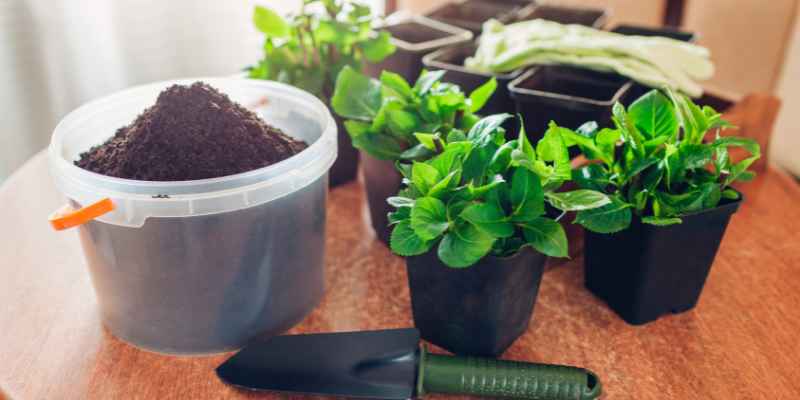
- Small pots or containers filled with a well-draining potting mix
- Clean, clear plastic bags or a propagation dome
- Misting spray bottle
- Labels and markers for identifying the cuttings
- Optional: Heat mat for bottom heat to encourage root growth
Creating The Ideal Environment
To ensure the success of your propagation efforts, it’s essential to create the ideal environment for rooting your hydrangea hardwood cuttings. Follow these steps to create an optimal environment:
- Choose a suitable location with indirect sunlight to place your cuttings.
- Ensure the temperature remains consistently warm, ideally between 70-75°F (21-24°C).
- Provide high humidity by covering the cuttings with plastic bags or using a propagation dome.
- Keep the potting mix consistently moist but not waterlogged to encourage root development.
- Monitor the cuttings regularly for signs of growth and adjust the environment as needed.
Cutting And Prepping The Stems
To propagate hydrangea hardwood cuttings, start by cutting and prepping the stems carefully, ensuring they’re around 6 inches long and have several leaf nodes. Remove the lower leaves to expose the nodes and encourage root growth. Dip the cut end in rooting hormone before planting in well-draining soil.
How To Make The Cut
To propagate hydrangea hardwood cuttings, the first step is to take a cutting from the mother plant. It’s essential to choose healthy stems with no signs of disease or damage. The ideal time to take hardwood cuttings is in late fall or early winter when the stems have matured and hardened. Cut a stem that is about the thickness of a pencil and at least six inches long. Make the cut at a 45-degree angle, just below a node. Remove all the leaves except for the top two, and cut those in half to reduce moisture loss.
Using Rooting Hormone
Using rooting hormone is an optional step in hydrangea hardwood cutting propagation, but it can increase your chances of success. Dip the cut end of the stem into the rooting hormone powder, tapping off any excess. Be careful not to contaminate the rooting hormone with moisture from the stem, as this can promote the growth of harmful bacteria and fungi.
Preparing The Stems
After cutting and applying rooting hormone, prepare the stems for planting. Fill a pot with a well-draining soil mix, such as a blend of peat moss and perlite. Insert the stem into the soil, making sure that at least two nodes are below the surface. Firmly press the soil around the stem, water thoroughly, and cover the pot with a plastic bag to create a humid environment. Place the pot in a warm, bright spot, but out of direct sunlight.
Caring For The Cuttings
Check the cuttings regularly to ensure they stay moist but not waterlogged. If the soil feels dry, water thoroughly, but be careful not to overwater, as this can cause the cutting to rot. After a few weeks, gently tug on the stem to see if it has rooted. If it resists, that’s a good sign! Once rooted, the cutting will begin to grow new leaves and can be transplanted into a larger pot or the garden.
Propagating hydrangea hardwood cuttings can be a rewarding and cost-effective way to expand your garden. With these tips for cutting and prepping the stems, you’ll be on your way to growing beautiful hydrangeas in no time!
Planting The Cuttings
Propagating hydrangea hardwood cuttings is a simple and effective way to expand your garden. Take cuttings in late fall or early winter from mature stems, and plant them in well-draining soil. Keep the soil consistently moist and provide the cuttings with indirect sunlight to encourage root growth.
Choosing The Right Medium
Before planting the hydrangea hardwood cuttings, it is important to choose the right medium to ensure successful rooting. The ideal medium for hydrangea cuttings is a mix of perlite and peat moss. This mixture provides good drainage and aeration, and also retains enough moisture to keep the cuttings hydrated.
The Planting Process
Once you have selected the right medium, it is time to plant the hydrangea hardwood cuttings. Here are the steps to follow:
- Take a cutting that is around 6 inches long, with at least 2 nodes.
- Remove the leaves from the bottom half of the cutting.
- Dip the cut end of the stem into rooting hormone powder.
- Make a hole in the medium with a pencil or chopstick.
- Insert the cutting into the hole and gently firm the medium around it.
- Water the cutting thoroughly.
- Cover the pot with a plastic bag, creating a mini greenhouse to retain moisture.
- Place the pot in a warm, bright location, but out of direct sunlight.
- Check the cutting regularly and mist it if the medium feels dry.
- After around 6-8 weeks, gently tug on the cutting to check for roots.
- If the cutting resists, it has rooted successfully. If it pulls out easily, give it more time.
- Once rooted, transplant the cutting into a larger pot or into the ground.
By following these steps, you can successfully propagate hydrangea hardwood cuttings and enjoy beautiful new plants in your garden.
Caring For Your Cuttings
Learn how to care for your hydrangea hardwood cuttings in order to successfully propagate them. Rooting hydrangeas from hardwood cuttings can be slow and challenging, but using softwood cuttings can yield better results. Most professional hydrangea growers prefer softwood cuttings, which root quickly.
Follow these tips to ensure the success of your hydrangea propagation.
After successfully propagating hydrangea hardwood cuttings, it is essential to take good care of them. Proper care ensures that the cuttings develop healthy roots and eventually grow into beautiful plants. The following are some crucial aspects of caring for your cuttings.
Watering Techniques:
Watering is a crucial aspect of caring for your hydrangea hardwood cuttings. It is essential to keep the soil consistently moist, but not waterlogged. Overwatering can cause the cuttings to rot, while underwatering can lead to wilting and death. It is best to water the cuttings thoroughly, then allow the soil to dry slightly before watering again.
Temperature and Humidity Control:
Hydrangea cuttings require high humidity and moderate temperatures to thrive. It is essential to maintain a consistent temperature of around 70°F (21°C) and humidity level of at least 80%. You can achieve this by covering the cuttings with a plastic bag or placing them in a propagator. However, be sure to check the cuttings regularly for signs of mold or fungus, which can develop in humid conditions.
Taking care of your hydrangea hardwood cuttings requires attention to detail and patience. With proper watering techniques and temperature and humidity control, your cuttings will develop healthy roots and grow into beautiful plants.
Troubleshooting Common Issues
To troubleshoot common issues with propagating hydrangea hardwood cuttings, ensure the cuttings are taken from mature, firm stems in late fall or early winter. Use softwood cuttings for quicker and better results, and time the propagation for late spring. Avoid placing hardwood cuttings directly in water, and instead insert them into a pot of gritty compost for successful propagation.
Dealing With Pests And Disease
Hydrangea hardwood cuttings are susceptible to pests and diseases such as aphids, spider mites, powdery mildew, and root rot. To prevent these issues, it is essential to maintain proper hygiene and ensure the cuttings are grown in well-drained soil with adequate moisture. If you notice any signs of infestation, such as yellowing leaves or webbing, you can treat the cuttings with insecticidal soap or neem oil. For fungal diseases like powdery mildew, a solution of baking soda and water can be used to control the spread.
Addressing Poor Root Development
Sometimes, hydrangea hardwood cuttings may fail to develop a strong root system, which can lead to stunted growth or even death. This issue can be caused by several factors, such as overwatering, poor soil quality, or improper cutting preparation. To address poor root development, ensure the cutting is taken from healthy, disease-free wood and dipped in rooting hormone before planting. It is also crucial to keep the soil moist but not waterlogged and provide adequate nutrition through regular fertilization. If the issue persists, consider using a rooting hormone with a higher concentration to promote faster root development.
In conclusion, by following the tips mentioned above, you can troubleshoot common issues when propagating hydrangea hardwood cuttings successfully. With proper care and attention, your cuttings will root and grow into beautiful, healthy plants that will bring joy to your garden for years to come.
Transitioning Cuttings To The Outdoors
Transitioning Hydrangea hardwood cuttings to the outdoors is a crucial step in propagating these beautiful plants. By carefully following the proper techniques, such as rooting in late fall or early winter and using softwood cuttings, growers can achieve better results and ensure successful growth.
With a little patience and care, you can enjoy a thriving hydrangea garden.
Hardening Off The Plants
Before transitioning hydrangea cuttings to the outdoors, it’s crucial to harden off the plants to acclimate them to the outdoor environment. This process helps prevent shock and ensures the cuttings are ready to thrive in their new surroundings.
When To Plant Outside
Choosing the right time to plant hydrangea cuttings outside is essential for their successful establishment. It’s recommended to plant the cuttings outside after the last frost date in your area to protect them from potential frost damage.
Alternative Propagation Methods
Propagating hydrangeas through hardwood cuttings is a popular alternative propagation method. It involves taking firm and mature stems in late fall or early winter to root the cuttings. Although it can be challenging and slow, many professional growers prefer using softwood cuttings for better results.
If you’re looking to propagate hydrangeas using methods other than hardwood cuttings, there are a few alternative options that you can explore. These methods include layering hydrangeas and propagation in water. Let’s take a closer look at each of these methods:
Layering Hydrangeas
Layering is a simple and effective way to propagate hydrangeas. It involves bending a low-growing branch of the hydrangea plant and burying a portion of it in the soil. Over time, the buried portion will develop roots, allowing you to separate it from the parent plant and create a new hydrangea.
To layer a hydrangea, follow these steps:
- Identify a low-growing branch that is flexible enough to be bent towards the ground.
- Make a small cut on the underside of the branch, near a leaf node.
- Bend the branch towards the ground and bury the cut portion in the soil, leaving the tip exposed.
- Secure the branch in place using a stake or a small rock.
- Keep the soil moist and wait for the roots to develop, which usually takes several months.
- Once roots have formed, cut the branch from the parent plant and transplant it to a new location.
Propagation In Water
Another alternative method for propagating hydrangeas is through water propagation. This method involves placing a cutting in water until it develops roots, which can then be transferred to soil.
Here’s how you can propagate hydrangeas in water:
- Select a healthy stem from the hydrangea plant, preferably one that is not flowering.
- Remove any leaves from the lower portion of the stem.
- Place the stem in a glass or container filled with water, ensuring that at least two nodes are submerged.
- Keep the container in a well-lit area, but away from direct sunlight.
- Change the water regularly to prevent the growth of bacteria.
- After a few weeks, roots should start to develop. Once the roots are around 2-3 inches long, you can transfer the cutting to a pot with well-draining soil.
These alternative propagation methods offer you additional options for expanding your hydrangea collection. Whether you choose layering or water propagation, both methods can be successful and rewarding.
Seasonal Care For Hydrangea Cuttings
Discover the key to successful hydrangea propagation with our seasonal care tips for hardwood cuttings. Prepare the cuttings in late fall or early winter when the stems are firm and mature, then root them in a well-draining medium for best results.
With proper care and attention, you can easily propagate hydrangeas from hardwood cuttings.
Overwintering Strategies
To ensure the successful propagation of hydrangea hardwood cuttings, proper overwintering strategies are crucial. Once you have taken your cuttings in late fall or early winter, it is important to provide them with the right conditions during the colder months. Here are some tips to help you overwinter your hydrangea cuttings:
1. Insulate the cuttings: Protect the cuttings from extreme temperatures by insulating them. You can do this by placing the cuttings in a cold frame or covering them with a layer of mulch or straw.
2. Provide shelter: If you live in an area with harsh winters, consider bringing the cuttings indoors. Place them in a cool, well-ventilated area, such as a basement or garage, where the temperature remains above freezing.
3. Monitor moisture levels: During winter, it is important to keep the cuttings moist but not overly wet. Check the moisture levels regularly and water sparingly if needed. Avoid waterlogged conditions as it can lead to rot.
Spring Care For New Growth
As the winter months come to an end, it’s time to prepare your hydrangea cuttings for the upcoming growing season. Follow these spring care tips to ensure healthy new growth:
1. Gradual acclimation: Before moving the cuttings outdoors, gradually acclimate them to the outdoor conditions by placing them in a sheltered area for a few hours each day. This process helps the cuttings adjust to the change in temperature and sunlight.
2. Planting in well-draining soil: Choose a location in your garden that receives partial shade to full sun and has well-draining soil. Dig a hole slightly larger than the root ball of the cutting and gently place it in the hole. Backfill with soil, firming it around the cutting.
3. Watering and fertilizing: Keep the newly planted cuttings well-watered, especially during dry spells. Use a balanced fertilizer to promote healthy growth. Follow the manufacturer’s instructions for application rates.
4. Mulching: Apply a layer of organic mulch around the base of the cuttings to help retain moisture, suppress weeds, and regulate soil temperature.
Remember, patience is key when propagating hydrangea hardwood cuttings. It may take several months for the cuttings to establish roots and show signs of new growth. By providing the right care and following these seasonal strategies, you can increase your chances of success in propagating beautiful hydrangea plants from hardwood cuttings.
Expanding Your Hydrangea Collection
Propagating hydrangeas through hardwood cuttings is an excellent way to expand your hydrangea collection. This method allows you to create new plants that are genetically identical to the parent plant, ensuring that you can enjoy the same stunning blooms in different areas of your garden.
Transplanting Established Plants
When your hardwood cuttings have rooted and developed into healthy young plants, you can transplant them to new locations in your garden. Choose well-draining soil and a spot with partial shade to encourage optimal growth. Ensure that the soil is rich in organic matter to provide the young plants with essential nutrients.
Sharing Cuttings With Fellow Gardeners
Once you have successfully propagated hydrangeas from hardwood cuttings, consider sharing your newfound plants with fellow gardeners who share your passion for these beautiful blooms. This not only expands the presence of hydrangeas in your local gardening community but also fosters a sense of camaraderie and sharing among plant enthusiasts.
Frequently Asked Questions
Can You Propagate Hydrangea From Hardwood Cuttings?
Yes, you can propagate hydrangea from hardwood cuttings taken in late fall or early winter when the new stems have matured. However, this method can be slow and challenging. Most professional growers prefer using “softwood” cuttings for better results. Softwood propagation should be timed for late spring or early summer.
How Do You Propagate Hardwood Cuttings?
To propagate hardwood cuttings, take cuttings in late fall or early winter when new stems have grown firm and mature. Use a sharp knife to make a clean cut on a 6-8 inch stem, remove all leaves except for the top pair, and dip the cut end in rooting hormone.
Plant the cutting in well-draining soil, water it, and keep it in a humid environment. Most professional growers use softwood cuttings for better results.
Will Hydrangea Cuttings Root In Water?
Hydrangea cuttings cannot be rooted in water due to their woody nature. Most professional growers use softwood cuttings for better results. Hardwood cuttings, taken in late fall or early winter, are slow and challenging to root. It’s best to insert them into a pot of gritty compost instead of water.
Can You Put Hydrangea Cuttings Straight Into The Ground?
Yes, you can put hydrangea cuttings straight into the ground, but it is recommended to use softwood cuttings instead of hardwood cuttings for better and quicker results. Hardwood cuttings are slower and more challenging to root. Most professional hydrangea growers use softwood cuttings and time their propagation for late spring or early summer.
Conclusion
Propagating hydrangea hardwood cuttings can be a rewarding and cost-effective way to expand your garden. By following the proper techniques and timing, you can successfully grow new hydrangea plants from cuttings. Remember to choose healthy stems, provide the right growing conditions, and be patient as it may take some time for the cuttings to root.
With a little care and attention, you’ll soon have a beautiful collection of hydrangeas in your garden. Happy gardening!