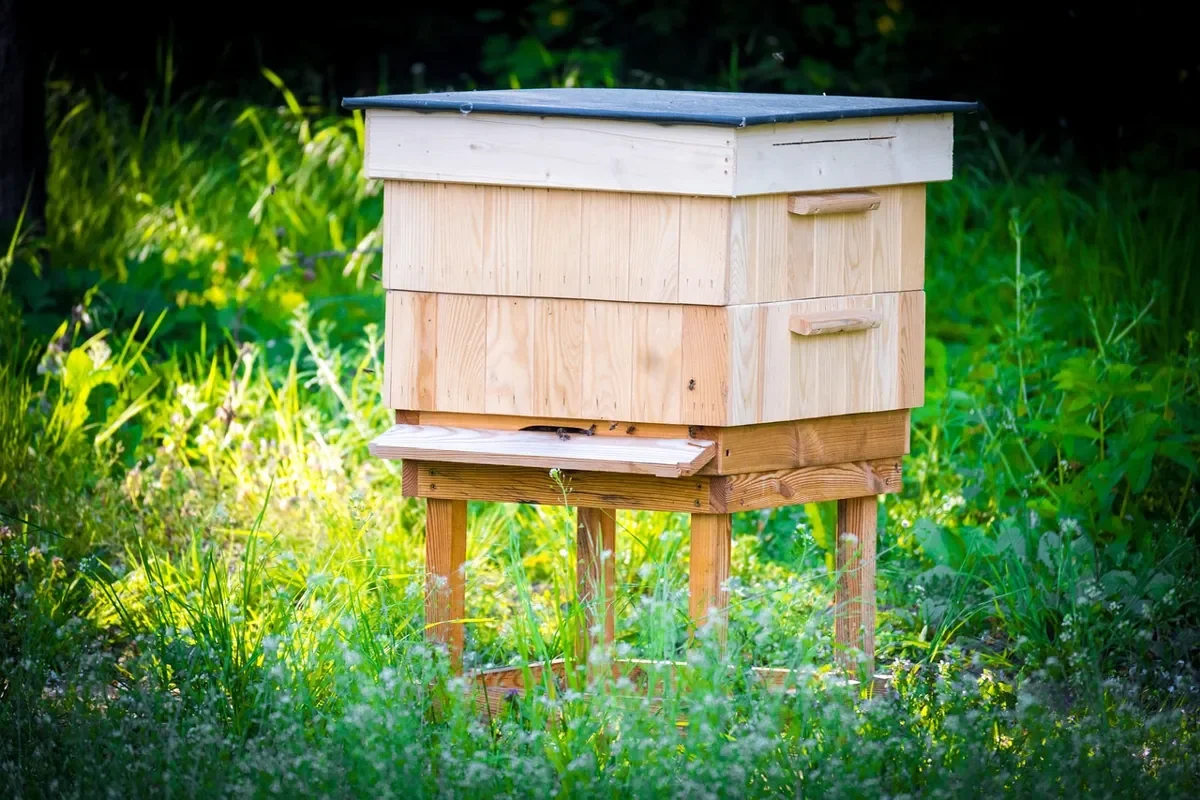
How Long to Make a Beehive? Build Time Breakdown
A single 10-frame deep hive box takes roughly 3 to 5 hours of shop time for a beginner, but a complete hive with frames, covers and finish is closer to two or three weekends. Those are our planning estimates, not stopwatch results, and this guide shows where the hours actually go so you can budget your own build.
Most quick answers online quote one number for “a beehive” without saying which parts they count. A bare box, a full hive and a hive ready for bees are three very different jobs. Below we break the work into stages using the standard 10-frame Langstroth dimensions, so you can see which steps eat the clock and which ones only look slow because of drying time.
How Long Does It Take to Make a Beehive? The Short Answer
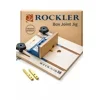 |
Best Box Joint Jig Pick Router Table Box Joint Jig with 1/4″, 3/8″ and 1/2″ Indexing Keys ($102.99) Finger joints are the biggest time-saver in a hive build once the jig is set up, because every box side gets the same cut.
|
As an Amazon Associate we earn from qualifying purchases.
Here is the honest range, using a standard 10-frame deep hive body as the yardstick. The times are estimates for planning. Your own shop, tools and experience will move them, and we have not timed these builds ourselves.
| Build scope | Beginner (estimate) | Experienced (estimate) |
|---|---|---|
| One bare deep box (4 sides, joints, assembly) | 3 to 5 hours | 1.5 to 2.5 hours |
| Bottom board and entrance reducer | 1.5 to 3 hours | 0.75 to 1.5 hours |
| Inner cover and outer cover | 2 to 4 hours | 1 to 2 hours |
| Ten frames, unassembled parts (buy or cut) | 2 to 4 hours to assemble | 1 to 2 hours to assemble |
| Sanding, exterior finish, drying between coats | 2 to 3 hours hands-on, plus overnight drying | 1 to 2 hours hands-on, plus overnight drying |
Add those up for one complete hive with a single deep box and you land near 10 to 18 hours of hands-on work for a beginner, spread over a few days. The fast “4 to 6 hours” figure you see quoted is realistic only for one plain box with simple joints, cut from a plan you have already checked.
The Dimensions That Set Your Build Time
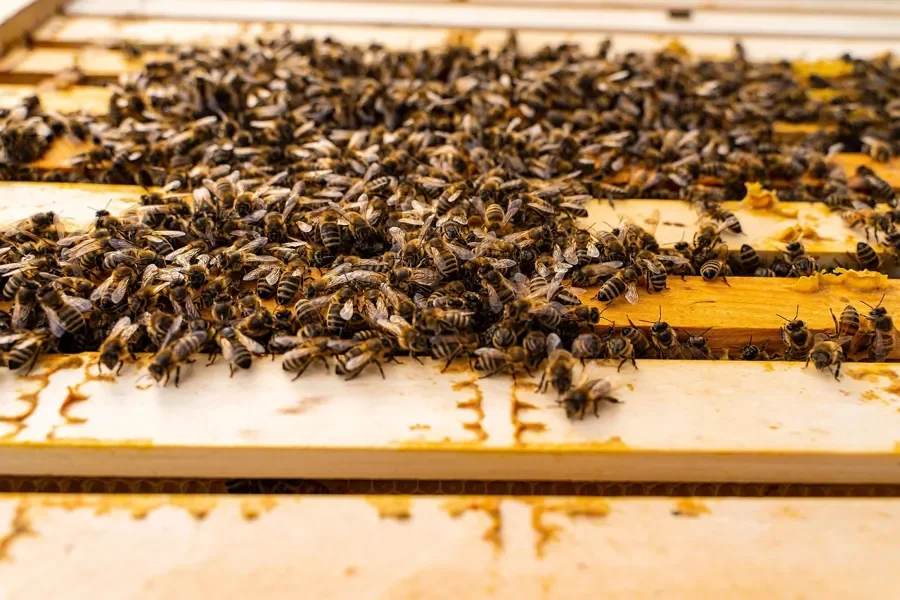
Time depends on how much precision the design demands, and a Langstroth hive demands a lot in one place: the inside of the box. Beekeeping supplier Carolina Honeybees lists a 10-frame box at 19-7/8 inches long and 16-1/4 inches wide on the outside, with an inside of 18-3/8 by 14-3/4 inches, based on 3/4-inch boards. Only the height changes between box types.
| Box type | Height | Outside footprint | Inside footprint |
|---|---|---|---|
| Deep | 9-5/8″ | 19-7/8″ x 16-1/4″ | 18-3/8″ x 14-3/4″ |
| Medium | 6-5/8″ | 19-7/8″ x 16-1/4″ | 18-3/8″ x 14-3/4″ |
| Shallow | 5-11/16″ | 19-7/8″ x 16-1/4″ | 18-3/8″ x 14-3/4″ |
Because every box shares the same footprint, the cutting and joint setup you do for the first box repeats for the rest. That is why the second box goes much faster than the first: the fence stops, jig settings and stock are already dialed in.
Stage-by-Stage: Where the Hours Go
1. Lumber and cut list (30 to 60 minutes, estimate)
A cut list from a beekeeping reference such as the one on Dummies.com specifies clear pine, 3/4 inch thick, with the deep-box sides at 19-7/8 by 9-5/8 inches (long sides) and 16-1/4 by 9-5/8 inches (short sides). Since a 1×12 board is nominally 11-1/4 inches wide, a 9-5/8 inch side fits in one pass. A quick lumber check: two long sides plus two short sides total about 72-1/4 inches of board length, so one 8-foot 1×12 covers the sides of a deep box with a little to spare, before you account for saw kerf and knots. Buying clear boards saves time later, because a knot near a joint is where a side splits.
2. Cutting parts to length (30 to 60 minutes)
Use a stop block so all long sides are identical and all short sides are identical. A crosscut sled or miter saw with a stop is faster and more accurate than marking each board. If you are new to shop-made setups, our table saw jigs guide covers the sled and stop ideas that make repeat cuts fast.
3. Joints: the biggest fork in the road (1 to 2.5 hours)
The same Dummies cut list calls for 3/4-inch finger (box) joints on the corners, plus a 5/8-inch wide by 3/8-inch deep rabbet along the inside top edge of the two short sides, which is where frames rest. A hive body can be built with simpler joints, but finger joints give more glue surface and resist the racking that heavy boxes see when lifted. Options, from fastest to slowest:
- Glued and screwed butt joints: fastest, roughly an hour for the joinery, but the weakest against racking over years of lifting.
- Rabbeted corners: a middle path with more glue area, needing one extra setup on the table saw or router table.
- Finger (box) joints: the slowest first time because of jig setup, but repeatable once dialed in, and a common choice for hive boxes.
Once a jig is set up, cutting the fingers for a whole hive body is a fairly quick job, and the setup time is spread across every box you build. That is where a dedicated jig pays back if you plan a second or third box.
4. Assembly and squaring (45 to 90 minutes)
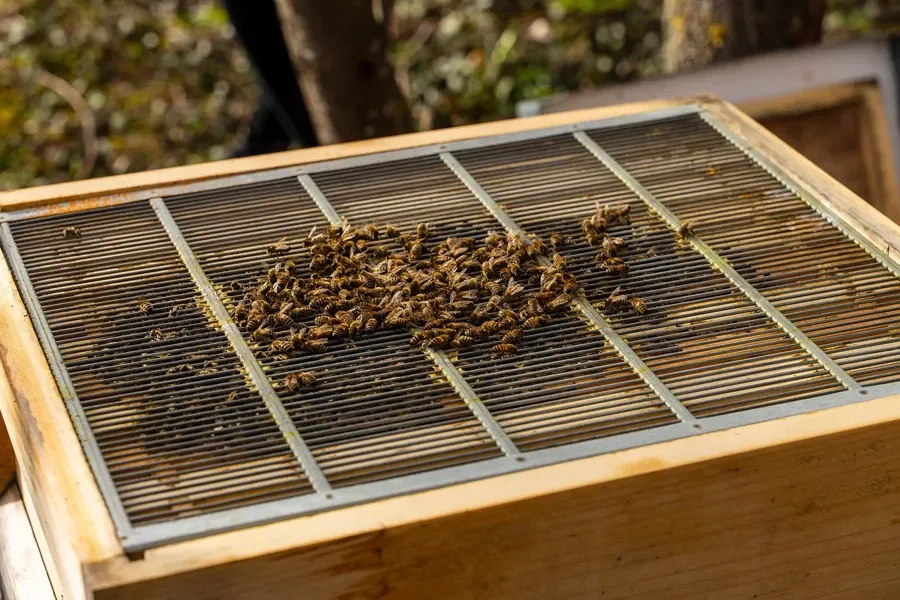
Dry-fit first, glue with an exterior-rated wood glue, clamp, and check that the box is square by measuring both diagonals. Glue needs clamp time before you can move on; our glue clamp time chart shows typical times by glue type, and our outdoor glue comparison helps you pick one. If you are weighing glue against fasteners for the corners, see whether wood glue is stronger than screws.
5. Bottom board, covers and frames
These parts are simple but numerous, and they are where most first-timers underestimate. The same cut list includes an inner cover with dadoes (1/4-inch wide by 3/8-inch deep), and an outer cover with a plywood top and a piece of aluminum flashing folded over the roof. Frames for ten positions add forty small parts if you cut them yourself, which is why many builders buy frame parts ready-cut and only assemble them. If you want the full step-by-step for the box and frames, see our DIY bee box guide with real Langstroth dimensions.
6. Sanding and finishing (plus drying)
Sand off splinters, especially inside where bees walk, and finish only the exterior. Use a low-VOC water-based exterior paint, and let it dry fully before bees move in. Pressure-treated lumber is a poor choice for the box itself. This stage is short on your time and long on the calendar, since paint needs to cure between coats.
Myth Check: “It Only Takes an Afternoon”
An afternoon is enough to cut and assemble one box if the plan is sound and your tools are set. It is not enough to build a working hive. The corrected picture: cutting is the fast part, and the slow parts are joint setup the first time, the frames, and finishing. Also, a box that is off by even a small amount inside can leave frames binding or gapped, and bees fill unwanted gaps with wax comb, so the time you spend measuring inside dimensions saves hours of fixing later.
How to Cut Your Build Time
- Print your cut list and label every part before cutting; mislabeled sides cost more time than any slow tool.
- Batch identical cuts with a stop block instead of measuring each piece.
- Build all boxes at the same setting: if you plan two deeps, cut both at once.
- Buy frame parts ready-cut if you do not enjoy repetitive small work.
- Choose your wood carefully. For species pros and cons, read do bees like cedar wood.
- Consider plywood for simple builds; our plywood bee hive guide compares the approach.
When Buying Beats Building
If your goal is bees in the yard this season rather than a woodworking project, an unassembled kit or a finished box removes most of the hours in the table above. Building makes sense when you enjoy the shop time, need a custom size, or plan several boxes. If you do build, make sure your dimensions match the frames and supers you will buy, because mixing sizes causes problems later.
Frequently Asked Questions
How long does it take to build one 10-frame deep hive box?
As a rough estimate, a beginner with a cut list and a table saw can expect about 3 to 5 hours of active work for one bare deep box, and an experienced woodworker roughly half that. These are planning estimates, not timed results, and they exclude finishing and drying time.
How long does it take to build a complete beehive?
A complete hive usually means a bottom board, one or two hive bodies, an inner cover, an outer cover and frames. As an estimate, plan on two to three weekends for a first build, mostly because finish coats need drying time between them.
What wood and thickness should I use for a hive body?
Clear pine or cedar in 3/4-inch stock is the usual choice, and standard dimensions are built on 3/4-inch boards. Avoid pressure-treated lumber, since the preservatives have no place near bees and honey.
Can a beginner build a Langstroth hive?
Yes. A hive body is a rectangular box, so the skills are square cuts and accurate measuring. The part beginners get wrong is the inside dimensions, which must match the frames you plan to use.
Conclusion
A single 10-frame deep box is a half-day woodworking project, but a complete, painted, frame-filled hive is a few weekends. Plan around the joint setup, the frames and the drying time, hold your inside dimensions to the standard 18-3/8 by 14-3/4 inches, and use our estimates as a starting point until you have timed your own first build.
Sponsored / affiliate links. As an Amazon Associate I earn from qualifying purchases. I may earn additional commission from eligible campaigns.