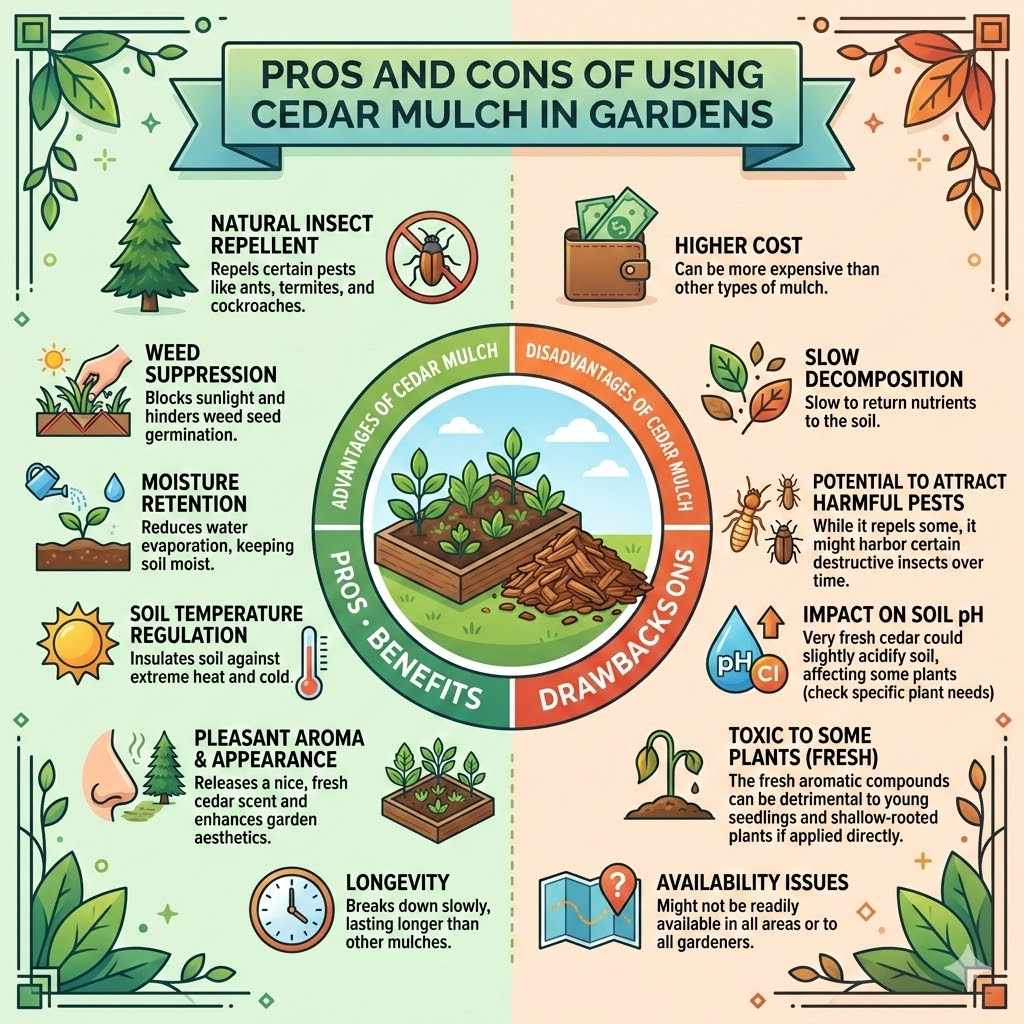
Pros and Cons of Using Cedar Mulch in Gardens
Deciding on the right mulch for your garden can feel a bit tricky, especially when you’re just starting out. You might hear a lot about different types, and it’s easy to get overwhelmed by all the choices. If you’re wondering about cedar mulch, you’re in the right spot.
We’ll break down the Pros and Cons of Using Cedar Mulch in Gardens in a way that’s super easy to get. Get ready for a simple guide that will help you make the best choice for your plants.
Cedar Mulch Advantages for Your Garden
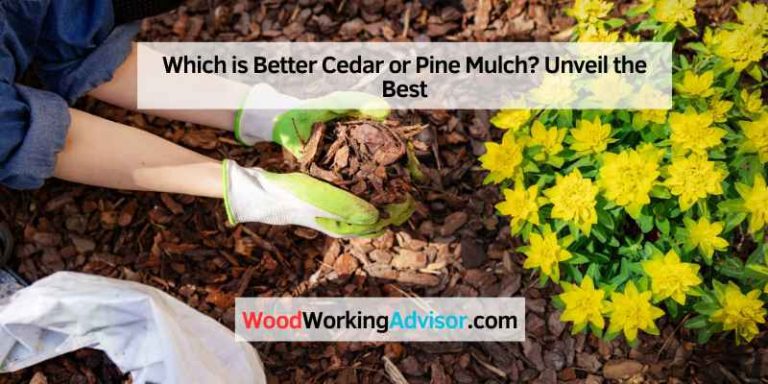
Cedar mulch is a popular choice for many gardeners, and for good reason. It brings several benefits to the garden, making it a strong contender when you’re thinking about ground cover. This section will look at the good things cedar mulch offers, from how it helps your plants grow to how it makes your garden look.
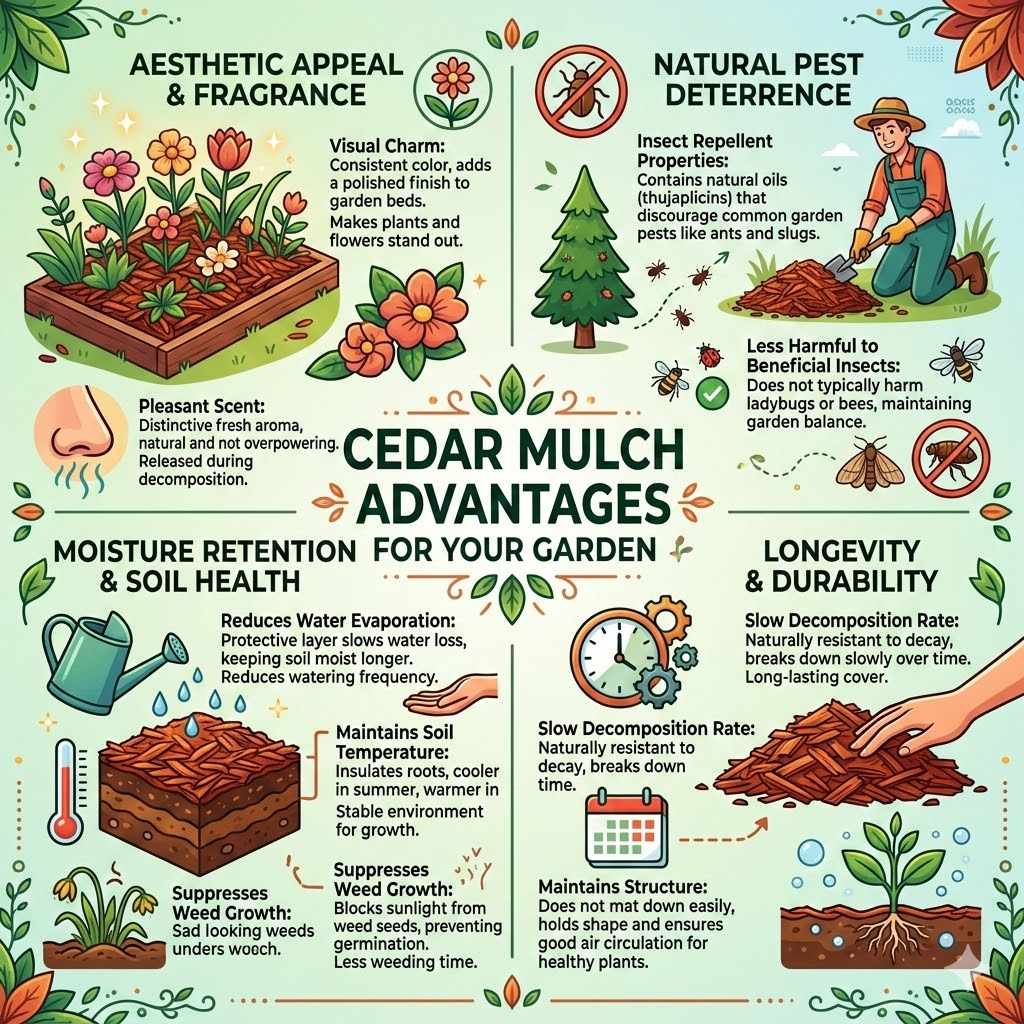
Aesthetic Appeal and Fragrance
One of the first things people notice about cedar mulch is its beautiful appearance. It often comes in rich, warm tones that look great in any garden setting. The natural reddish-brown color can make your flowers and plants pop.
- Visual Charm: Cedar mulch has a lovely, natural look. Its color is consistent and pleasing, adding a polished finish to garden beds. This visual appeal can significantly boost the overall beauty of your landscape. Many gardeners find it enhances the vibrant colors of their flowers and the deep greens of their shrubs.
- Pleasant Scent: Cedarwood is known for its distinctive, fresh aroma. This scent is released as the mulch decomposes, adding a subtle, pleasant fragrance to your garden. It can mask less desirable smells from the soil. The aroma is natural and not overpowering, creating a more enjoyable outdoor space.
Natural Pest Deterrence
Cedarwood naturally contains oils that can help keep certain garden pests away. This makes it a more natural alternative to chemical pest control methods. While it’s not a magic bullet for all insects, it can deter some common garden nuisances.
- Insect Repellent Properties: The oils present in cedarwood, particularly thujaplicins and other cedrols, act as natural repellents. These compounds are known to discourage a variety of insects, including some common garden pests like ants, slugs, and certain types of beetles. This can lead to healthier plants with less damage.
- Moth and Flea Repelling: Historically, cedar has been used to repel moths from clothing and fleas from pet bedding. This same principle can apply in the garden. While not guaranteed to eliminate all infestations, its presence can make your garden less attractive to these specific pests. Gardeners often report fewer problems with these nuisances when using cedar mulch.
- Less Harmful to Beneficial Insects: Unlike broad-spectrum pesticides, the natural oils in cedar mulch are generally not harmful to beneficial insects like ladybugs or bees. This helps maintain a balanced garden ecosystem, where natural predators can help control pest populations. The goal is to deter unwanted visitors without harming the helpful ones.
Moisture Retention and Soil Health
Mulch, in general, is excellent at helping soil retain moisture. Cedar mulch is no exception. It acts as a blanket, reducing evaporation from the soil surface, which means you’ll have to water less often.
This is especially helpful during hot, dry weather.
- Reduces Water Evaporation: When you spread cedar mulch over your garden soil, it forms a protective layer. This layer significantly slows down the rate at which water evaporates from the soil’s surface. This means the soil stays moist for longer periods, reducing the frequency of watering needed. This is a huge benefit, especially for busy gardeners or those in arid climates.
- Maintains Soil Temperature: The mulch layer also acts as an insulator. It helps keep the soil cooler during hot summer days and warmer during cold snaps. This stable soil temperature is beneficial for plant roots, preventing stress from extreme temperature fluctuations. Plants can grow more steadily when their roots are in a comfortable environment.
- Suppresses Weed Growth: A thick layer of cedar mulch can block sunlight from reaching weed seeds in the soil. This prevents many weeds from germinating and growing. Weeds compete with your plants for water and nutrients, so reducing them is a big plus. This means less time spent pulling weeds and more time enjoying your garden.
Longevity and Durability
Cedar mulch tends to last longer than many other types of organic mulch. This means you won’t have to replenish it as often, saving you time and money in the long run. Its natural oils also contribute to its resistance to decay.
- Slow Decomposition Rate: Cedarwood is naturally resistant to decay because of its natural oils and its dense cellular structure. This means it breaks down much more slowly than softer woods or other organic materials. A well-applied layer can last for a couple of years before needing a top-up. This longevity makes it a cost-effective option over time.
- Maintains Structure: Unlike some mulches that can mat down or turn into a soggy mess, cedar mulch tends to hold its shape and structure for longer. It maintains good air circulation around plant stems and roots, which is important for plant health. This structural integrity ensures it continues to perform its mulching functions effectively for an extended period.
Understanding the Drawbacks of Cedar Mulch
While cedar mulch offers many attractive benefits, it’s important to be aware of its potential downsides. No mulch is perfect, and understanding these limitations will help you make the best decision for your specific gardening needs.
Cost and Availability
Cedar mulch is often more expensive than other common mulch options. Its desirable qualities come at a price, which can be a factor for gardeners on a budget. You might also find it less readily available in some areas compared to pine or hardwood mulches.
- Higher Initial Price Point: Compared to mulches made from shredded bark, wood chips from local tree services, or straw, cedar mulch typically carries a higher price tag. This is due to the processing and natural properties of cedarwood that make it desirable. For large garden areas, the cost can add up quickly.
- Variable Availability: While widely popular, cedar mulch might not be as universally stocked as other mulches in all garden centers or regions. You may need to search a bit harder to find a reliable supplier, especially if you’re looking for specific grades or colors of cedar mulch. This can add an extra layer of effort to your gardening preparations.
- Transport Costs: If you need to transport large quantities of cedar mulch yourself, consider that it can be bulky and heavy. This can add to the overall expense if you need to rent a truck or make multiple trips. Sometimes, purchasing from a local supplier can mitigate these transport challenges and costs.
Potential for Acidity
Some gardeners worry that cedar mulch can make the soil more acidic. While the effect is usually mild and temporary, it’s something to consider, especially if you’re growing plants that prefer alkaline soil. The natural oils and decomposition process can influence soil pH.
- Mild Acidity Release: As cedarwood decomposes, it can release some acidic compounds into the soil. This effect is generally quite mild and temporary. For most common garden plants that tolerate a slightly acidic to neutral soil pH, this is not a significant issue. However, it’s a consideration for acid-sensitive plants.
- Impact on pH Sensitive Plants: Plants like blueberries, azaleas, and rhododendrons thrive in acidic soil. For these plants, a slightly more acidic mulch like cedar can be beneficial. However, for plants that prefer alkaline conditions, such as lavender or lilacs, adding cedar mulch might not be ideal unless soil pH is carefully monitored and adjusted.
- Mitigation Strategies: If you’re concerned about soil acidity, you can mitigate the effects. Applying a thicker layer of compost on top of the cedar mulch can help buffer the pH. Also, regularly testing your soil pH and amending it as needed is a good practice regardless of the mulch type used. You can also mix cedar mulch with other more neutral mulches.
Can Attract Certain Pests (Rarely)
While cedar mulch is known for repelling some pests, under certain conditions, it can sometimes attract others. For example, if the mulch becomes too dry or is too close to the house, it might offer shelter for slugs or earwigs. It’s not a common issue, but it’s worth knowing about.
- Moisture Attraction for Slugs and Snails: If cedar mulch stays consistently damp due to overwatering or poor drainage, it can create an inviting habitat for slugs and snails. These garden mollusks are attracted to moist, sheltered environments. While they might not eat the mulch itself, they can hide there and then move on to eat your tender plants.
- Shelter for Small Critters: Occasionally, a thick layer of any mulch, including cedar, can provide shelter for small insects or critters like earwigs. These are often beneficial in breaking down organic matter, but a large population could be a nuisance. Keeping mulch from piling up against plant stems helps reduce this.
- Dry Mulch and Water Seekers: Conversely, if the mulch becomes excessively dry, it might encourage some insects that are seeking moisture to burrow into it. This is less common than attraction to damp mulch but can happen in very arid conditions. Ensuring consistent, appropriate moisture levels is key to preventing most issues.
Can Dry Out and Blow Away
Cedar mulch, especially the shredded varieties, can be lightweight. In windy areas, it might dry out quickly and even blow away, requiring more frequent reapplication. Larger bark pieces are less prone to this.
- Lightweight Nature: Many forms of cedar mulch, particularly those that are finely shredded, are relatively lightweight. This makes them easy to spread but also means they are more susceptible to being moved by strong winds. In open, exposed garden areas, this can be a noticeable problem.
- Wind Erosion Risk: If you live in a location that experiences frequent strong winds, you might find that your cedar mulch can be blown away from garden beds. This not only makes the garden look untidy but also reduces the effectiveness of the mulch layer. You may need to use heavier bark nuggets or anchor it down.
- Drying Out Quickly: The lightweight and sometimes airy structure of shredded cedar mulch can also lead to it drying out faster than denser mulches. When mulch dries out, it loses some of its ability to retain moisture and can become dusty. This might necessitate more frequent watering or replenishment of the mulch layer to maintain its benefits.
Potential for “Heat Sink” Effect
In very hot climates, dark-colored cedar mulch can absorb a significant amount of heat from the sun. This can raise the soil temperature to levels that might stress sensitive plant roots. Lighter colored mulches or a thicker layer can help mitigate this.
- Sun Absorption: Darker organic mulches, including some shades of cedar mulch, have a tendency to absorb solar radiation more readily. This absorbed heat is then transferred to the soil beneath. In areas with intense sun exposure and high ambient temperatures, this can lead to significantly elevated soil temperatures.
- Root Stress: Plant roots are sensitive to extreme heat. If the soil temperature becomes too high, it can cause stress, inhibit nutrient uptake, and even damage the roots. This is particularly a concern for young plants or those that prefer cooler soil conditions. The mulch can, paradoxically, make the soil too hot.
- Mitigation Options: To reduce this heat sink effect, consider using lighter-colored mulches if this is a significant concern for your climate. Alternatively, applying a deeper layer of cedar mulch can provide better insulation from the surface heat. Leaving a small gap around the base of plants can also help with air circulation and prevent heat buildup.
Comparing Cedar Mulch to Other Options
To truly appreciate the pros and cons of cedar mulch, it’s helpful to see how it stacks up against other common mulching materials. Each type has its own strengths and weaknesses, and the best choice often depends on your specific garden goals and environment.
Cedar Mulch vs. Pine Mulch
Both cedar and pine mulches are derived from coniferous trees and share some similar benefits. However, there are key differences in their longevity, aroma, and pest-repelling qualities.
| Feature | Cedar Mulch | Pine Mulch |
|---|---|---|
| Longevity | Very good, slow to decompose due to natural oils. | Good, but generally decomposes faster than cedar. |
| Pest Repellent | Strong natural oils deter insects and rodents. | Mild natural oils can deter some pests. |
| Aroma | Strong, distinctive, pleasant scent. | Lighter, fresh pine scent. |
| Acidity | Can be slightly acidic. | Can be slightly acidic, similar to cedar. |
| Cost | Generally more expensive. | Often more moderately priced. |
Pine mulch is a good all-around choice for many gardens. It offers a pleasing scent and helps retain moisture. However, cedar often outshines pine in terms of durability and its more potent pest-repelling capabilities.
If you’re looking for a mulch that lasts longer and offers better natural pest control, cedar might be worth the extra cost. Pine is a good budget-friendly option that still provides many benefits.
Cedar Mulch vs. Hardwood Mulch
Hardwood mulches, such as those made from oak or walnut, are dense and break down slowly. They offer a different set of benefits and drawbacks compared to cedar.
- Hardwood Mulch Longevity: Hardwood mulches are known for their impressive durability. They are dense and slow to decompose, often lasting longer than pine and sometimes even cedar. This means fewer applications are needed throughout the year.
- Nutrient Content: As hardwood mulches decompose, they release valuable nutrients into the soil. This can be a significant advantage for soil enrichment and plant growth. They are generally considered excellent for improving soil structure and fertility over time.
- Pest Repellency (Hardwood): Hardwood mulches typically do not possess the same strong natural pest-repelling oils that cedar does. While they can suppress weeds and retain moisture, they offer less natural deterrence against insects and rodents.
- Aesthetics (Hardwood): Hardwood mulches often have a rich, dark appearance that can be very attractive in a garden. However, they lack the distinctive fragrance that cedar mulch provides. The visual appeal is different but equally appealing to many gardeners.
When comparing cedar to hardwood, consider your priorities. If pest deterrence and a pleasant aroma are high on your list, cedar is a great choice. If your main focus is on slow decomposition, nutrient enrichment, and a long-lasting, attractive ground cover without a strong scent, hardwood mulch might be more suitable.
Cedar Mulch vs. Inorganic Mulches
Inorganic mulches, like gravel, stone, or rubber, offer a permanent solution but lack the soil-enriching benefits of organic materials.
Inorganic mulches provide a long-term solution for weed suppression and ground cover. They do not decompose, so they don’t need to be replenished. Gravel and stones are excellent for areas that don’t need significant soil improvement, such as pathways or rock gardens.
They can also help with drainage.
However, inorganic mulches do not add any organic matter to the soil as they break down, which is a key benefit of organic mulches like cedar. They can also become very hot in the sun, potentially damaging plant roots. Furthermore, they can sometimes hinder water penetration if they compact too much over time.
Cedar mulch, being organic, will eventually break down and contribute to soil health, providing nutrients and improving soil structure. It also offers a more natural aesthetic and the added benefit of moisture retention and weed suppression. For most garden beds where soil improvement is desired, organic mulches are generally preferred over inorganic ones.
How to Properly Use Cedar Mulch in Your Garden
Applying cedar mulch correctly is key to maximizing its benefits and avoiding potential problems. A few simple steps can ensure your garden thrives.
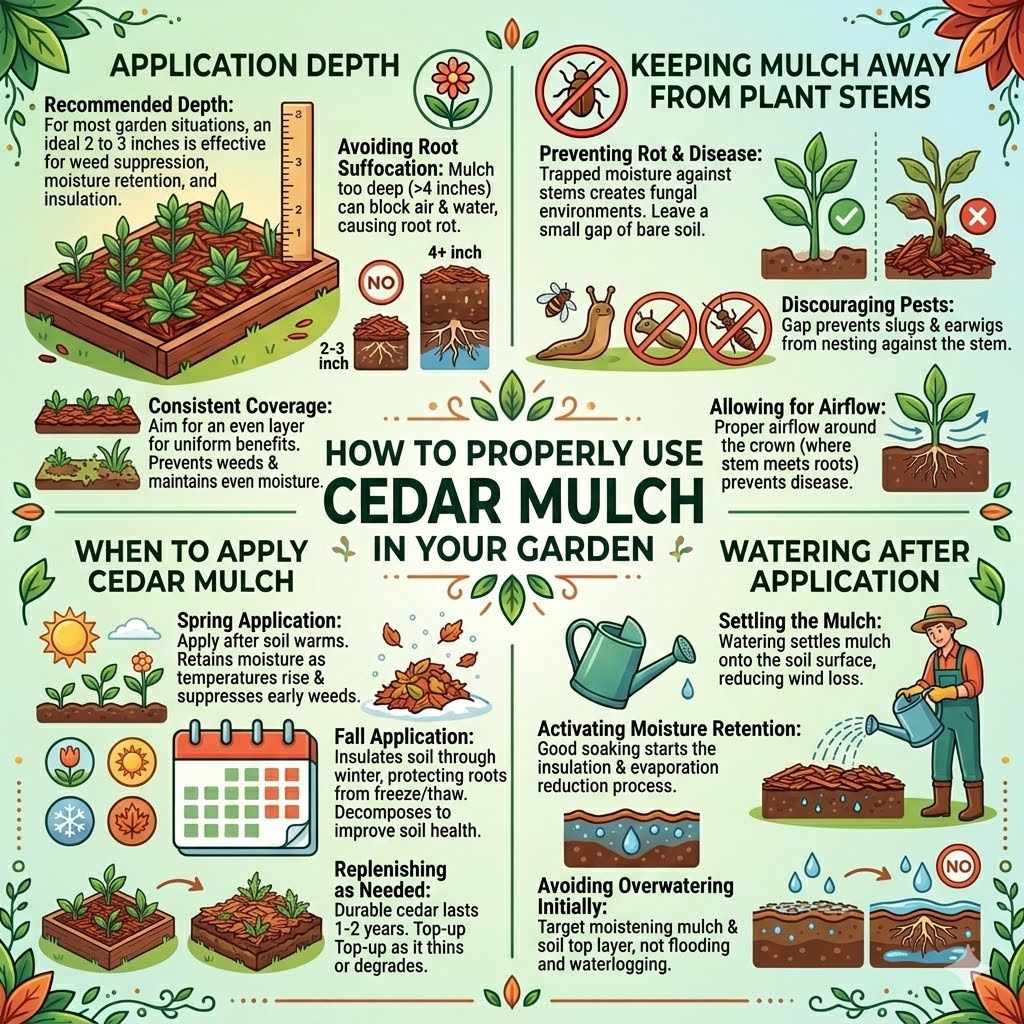
Application Depth
The depth at which you apply mulch is crucial for its effectiveness and for plant health. Too little mulch won’t suppress weeds or retain moisture well, while too much can suffocate plant roots.
- Recommended Depth: For most garden situations, an application depth of 2 to 3 inches is ideal. This depth is sufficient to effectively suppress weeds, retain soil moisture, and insulate plant roots from temperature extremes. It also helps the mulch stay in place.
- Avoiding Root Suffocation: Applying mulch too deeply, especially more than 4 inches, can prevent air and water from reaching the plant’s root system. This can lead to root rot and unhealthy plants. Always ensure there is a small gap of bare soil around the base of plants and trees to allow for air circulation.
- Consistent Coverage: Aim for an even layer of mulch across the entire garden bed. This ensures uniform benefits throughout the area. Patchy coverage can lead to weeds sprouting through thin spots and uneven moisture retention.
Keeping Mulch Away from Plant Stems
It’s important to create a small buffer zone between the mulch and the base of your plants or tree trunks. This simple practice helps prevent a variety of problems.
- Preventing Rot and Disease: When mulch is piled directly against plant stems or tree trunks, it can trap moisture. This constant dampness creates a perfect environment for fungal diseases and rot to develop. This can weaken or even kill the plant over time.
- Discouraging Pests: Leaving a gap also discourages pests like slugs and earwigs from hiding directly against the plant stem, where they can cause damage. It also makes it harder for certain rodents to establish nests close to vulnerable plants.
- Allowing for Airflow: The gap ensures that air can circulate freely around the base of the plant, keeping it dry and healthy. This is especially important for the crown of the plant, where the stem meets the roots. Proper airflow helps prevent disease and promotes a healthy environment for growth.
When to Apply Cedar Mulch
The timing of mulch application can affect its benefits. Applying it at the right times of the year will help your garden the most.
- Spring Application: Applying cedar mulch in the spring, after the soil has had a chance to warm up, is a common and effective practice. This helps retain the soil’s moisture as temperatures rise and also suppresses early-season weeds. It’s a great way to get your garden ready for the growing season.
- Fall Application: Applying mulch in the fall can also be beneficial. It helps insulate the soil through the winter, protecting plant roots from freezing and thawing cycles. It also decomposes over winter, contributing to soil health by spring.
- Replenishing as Needed: Because cedar mulch is durable, you may only need to replenish it once every year or two. Monitor your mulch layer and add more as it thins out or starts to look unappealing. A simple top-up is often all that’s needed to maintain its benefits.
Watering After Application
A good watering after applying mulch can help settle it into place and kickstart its moisture-retaining benefits.
- Settling the Mulch: Watering the freshly applied mulch helps it settle down onto the soil surface. This reduces the likelihood of it blowing away in the wind and ensures it makes good contact with the soil beneath. It helps the mulch conform to the contours of the garden bed.
- Activating Moisture Retention: A good soaking after mulching helps the mulch absorb initial moisture and then begin its job of holding that moisture in the soil. It ensures the soil underneath is moist when the mulch starts its insulating and evaporative reduction functions.
- Avoiding Overwatering Initially: While watering is good, avoid excessively flooding the area immediately after mulching, especially if your soil has poor drainage. The goal is to moisten the mulch and the top layer of soil, not to saturate the entire garden bed to the point of waterlogging.
Frequently Asked Questions
Question: Is cedar mulch good for vegetable gardens?
Answer: Yes, cedar mulch can be good for vegetable gardens. It helps retain moisture, suppress weeds, and can deter some common garden pests. Ensure it’s applied at the right depth and kept away from plant stems to prevent issues.
It doesn’t add as many nutrients as some other organic mulches, but its benefits for moisture and weed control are valuable for vegetables.
Question: How long does cedar mulch last?
Answer: Cedar mulch is known for its longevity. A well-applied layer can last for 1 to 2 years before it needs to be replenished. Its natural oils make it resistant to decay, so it breaks down slower than many other organic mulches, making it a durable option.
Question: Will cedar mulch harm my plants?
Answer: Generally, no. If applied correctly with a gap around plant stems, cedar mulch is beneficial. The concern about acidity is usually mild and temporary.
It’s best to avoid it for plants that strictly require alkaline soil or to monitor soil pH if you use it extensively for such plants.
Question: Does cedar mulch smell good?
Answer: Yes, cedar mulch has a pleasant, fresh, and natural aroma. This scent is a characteristic of cedarwood and is often enjoyed by gardeners. The fragrance is released as the mulch decomposes and can add to the sensory experience of your garden.
Question: How much cedar mulch do I need?
Answer: To calculate how much you need, measure the length and width of your garden area and decide on your desired depth (2-3 inches is common). For example, a 10-foot by 10-foot area (100 sq ft) with a 3-inch depth needs about 2.5 cubic yards of mulch. It’s always good to buy a little extra to account for settling and any spillover.
Summary
Cedar mulch offers a beautiful look and a nice scent, while also helping to keep pests away and retain soil moisture. It lasts a long time, which is great for saving effort. Just be mindful of its cost, and keep it a few inches from plant bases to help your garden grow best.