Cedar vs Redwood Fencing: Which Should You Choose?
For most fence projects, cedar is the more affordable, more widely available option, while redwood typically costs more but is more often sold with straighter, clearer grain. Both are naturally rot- and insect-resistant softwoods that hold up outdoors without pressure treatment, so the right pick usually comes down to budget, regional availability, and how much knot-free grain you want to pay for.
This guide breaks down what actually differs between cedar and redwood once you’re building a fence specifically, not just comparing the two species in general terms: where each wood is grown and why that affects price, the grain and knot differences you’ll actually see in fence-grade lumber, how long each one holds up, and which one makes sense for your yard.
Cedar vs Redwood Fencing at a Glance
Both woods share the same core appeal for outdoor fencing: natural oils and extractives that resist rot, decay, and wood-boring insects without chemical pressure treatment, plus a similar silvery-gray patina if you leave the boards unfinished. Where they diverge is availability and cost. Western red cedar (the species almost always sold simply as “cedar” for fencing) is milled across the Pacific Northwest, the Rockies, and increasingly in the eastern U.S. and Canada, so most lumberyards and home centers nationwide carry it. Redwood grows almost exclusively along the coastal fog belt of Northern California and southern Oregon, so the farther you are from that region, the more you’ll typically pay once freight is added to the material cost.
Best Sealer for New Cedar or Redwood Fencing
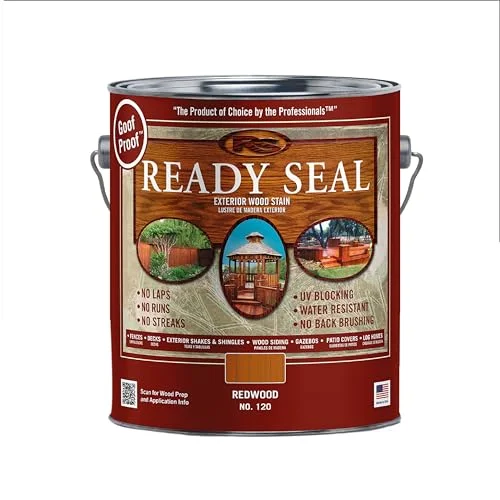 |
Ready Seal Exterior Wood Stain & Sealer, Redwood, 1 Gallon – $34.79 An oil-based stain-and-sealer combo that’s a common pick for fresh cedar or redwood fence boards since it penetrates in one coat with no lap marks or streaks.
|
Why Redwood Costs More: Sourcing and Availability
Redwood’s price premium isn’t just about the wood being “better” – it’s largely geography. Because redwood grows in a narrow coastal strip of California and Oregon, lumberyards outside that region have to ship it in, and freight adds up fast on a bulky, heavy material like fence boards. Cedar, by contrast, is milled in enough regions of North America that a typical home center or local lumberyard can stock it without the same shipping premium, which is the biggest reason cedar fencing tends to run noticeably cheaper per linear foot across most of the country.
That gap narrows the closer you are to redwood country – in parts of California and the Pacific Northwest, the price difference between the two can be much smaller since neither wood has to travel far to reach you. Before committing to a species based on price alone, it’s worth calling two or three local suppliers, since the national cost trend doesn’t always hold locally. For a closer look at what actually drives cedar pricing, see our cedar wood cost breakdown.
Grain and Knots: What Fence-Grade Lumber Actually Looks Like
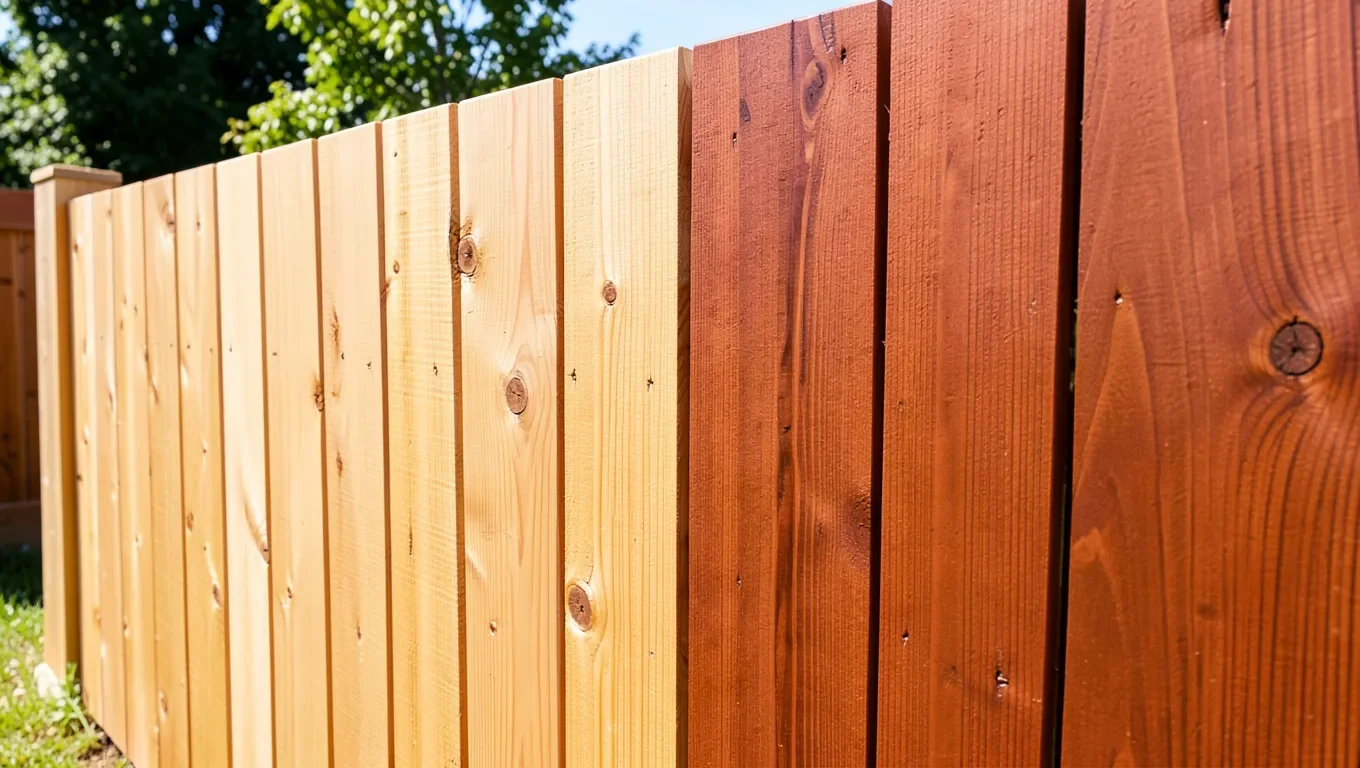
Photos of premium clear cedar and clear redwood can make the two look nearly interchangeable, but that’s not what most fences are actually built from. The boards sold as “fence-grade” or “economy-grade” cedar are a lower, cheaper grade than the clear cedar used for siding or trim, and they commonly include visible knots – that’s a big part of why knotty cedar pickets are the budget default at most lumberyards. Redwood is more often sold with straighter, more consistent grain even at standard construction grades, since heartwood redwood naturally runs with fewer knots to begin with. If a uniform, knot-free look matters more to you than price, that’s a real point in redwood’s favor, not just marketing.
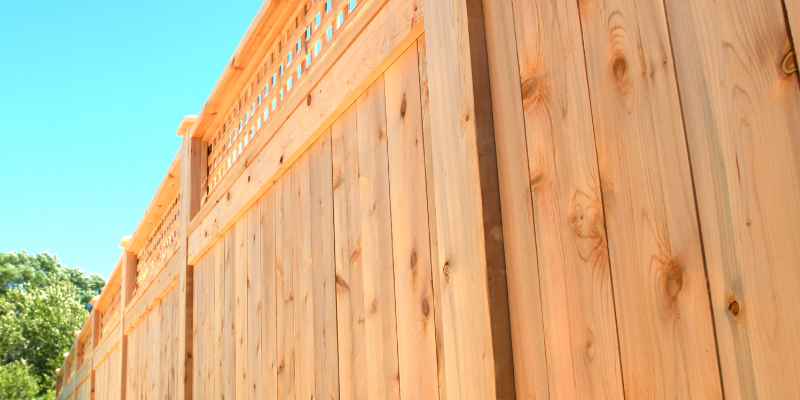
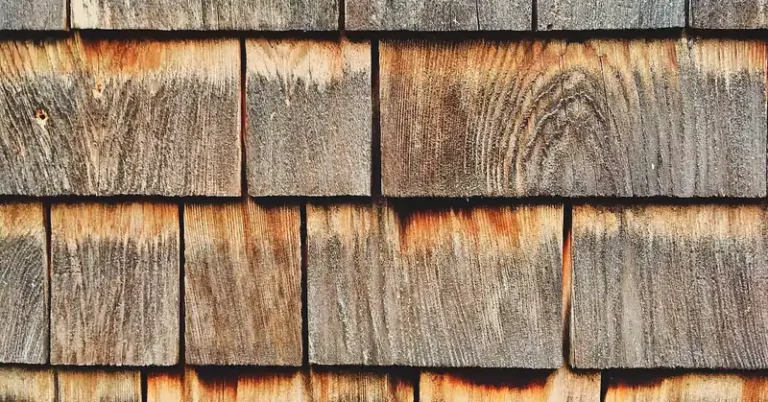
Left unfinished, both woods weather to a similar silvery-gray over roughly 6 to 12 months as UV exposure breaks down surface lignin in the wood. So if you’re planning to let the fence go gray naturally rather than staining it, the color difference between the two species largely disappears within the first year regardless of which one you choose.
Durability, Rot Resistance, and Lifespan
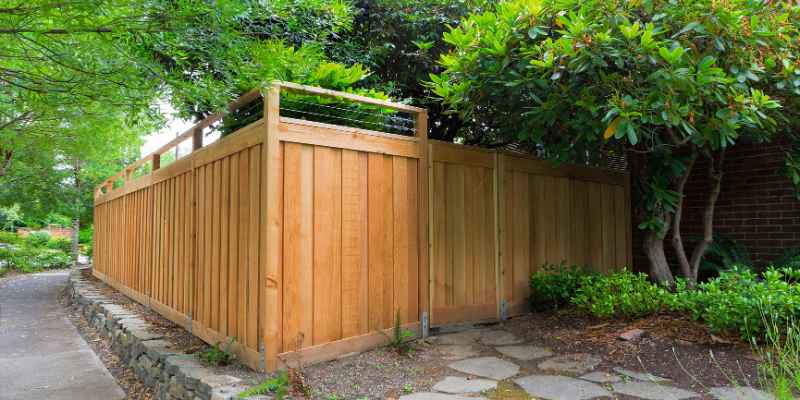
Cedar and redwood both contain natural oils and tannins that make them genuinely resistant to rot, decay, and insects like termites, which is why neither one needs pressure treatment for outdoor use the way pine or fir does. In practice, an unfinished cedar or redwood fence commonly lasts somewhere in the 15 to 20 year range, with the lower end more typical of consistently wet climates and the higher end more typical of drier regions – and either wood can run well past that with regular sealing and prompt repair of individual boards. Redwood’s reputation for being slightly more rot-resistant does hold up in humid, high-rainfall climates, but the real-world gap is smaller than marketing from either camp suggests, and installation quality (keeping boards off wet soil, allowing airflow behind the fence) affects lifespan more than species choice alone.
For a closer look at where cedar fences specifically tend to fail first and how to head that off, see our pros and cons of a cedar fence guide.
Maintenance: Staining and Sealing Both Woods
Neither wood is maintenance-free if you want to keep its original color. Left bare, both cedar and redwood gray within a year regardless of species, as covered above. A penetrating oil stain-and-sealer reapplied roughly every 2 to 4 years – more often in full sun or a wet climate – is what actually preserves the color and adds a layer of UV and moisture protection, and that maintenance step affects long-term appearance more than which of the two woods you picked in the first place. Cedar specifically has natural oils and tannins that can make staining trickier than it looks – see our guide on how to stain cedar wood for the prep steps that keep the color even. The stain-and-sealer product above is a common pick for freshly installed boards of either species because it penetrates in one coat without a separate primer step.
Weight and Workability if You’re Building It Yourself
If you’re installing the fence yourself rather than hiring it out, the two woods handle a little differently on the job site. Cedar is noticeably lighter and softer, which makes it easier to carry, cut, and nail or screw without splitting – a real advantage if you’re working solo or setting posts and pickets over a weekend. Redwood is somewhat denser and holds fasteners a bit more securely once installed, but that extra density also means slightly more blade wear when cutting and a marginally higher chance of splitting near the board ends if you don’t pre-drill. Neither difference is dramatic enough to be a deciding factor on its own, but it’s worth knowing before you’re several hours into a DIY install.
Don’t Assume “Cedar” Means One Species
Most fencing sold simply as “cedar” in the U.S. is western red cedar, but eastern red cedar and a handful of other species show up in regional markets and behave differently in weight, workability, and rot resistance. If you’re comparing cedar species more broadly rather than shopping specifically for fence boards, our eastern red cedar vs. western red cedar guide breaks down what’s actually different between them – it’s worth a read before assuming every board labeled “cedar” at the lumberyard is the same wood.
Which Should You Choose for Your Fence?
Cedar makes sense if you want the lowest material cost, you’re not within easy shipping distance of the West Coast, and a knottier, more rustic look doesn’t bother you – that covers most fence buyers in the U.S. Redwood makes sense if you’re reasonably close to California or Oregon, you want straighter, more uniform grain without paying extra for a clear cedar grade, or you’re matching an existing redwood structure already on the property. Either way, plan on periodic staining or sealing if you want to slow the graying process, and get a current quote from a local supplier before deciding on price alone – the national cost gap between the two varies a lot by region.
Frequently Asked Questions
Is cedar or redwood better for a fence?
Neither is objectively better – both are naturally rot- and insect-resistant softwoods suited to outdoor fencing without pressure treatment. Cedar is typically more affordable and more widely available nationwide; redwood typically costs more but is more often sold with straighter, more consistent grain. The better choice depends on your budget, region, and appearance preference.
Why is redwood more expensive than cedar?
Redwood grows almost exclusively along the coastal fog belt of Northern California and southern Oregon, so lumberyards outside that region have to pay freight to ship it in. Cedar is milled across a much wider area of North America, so it’s more often available locally without the same shipping premium – that’s the main driver of the price gap across most of the country.
Does fence-grade cedar have a lot of knots?
Often, yes. The economy or fence-grade cedar boards sold for most fencing projects are a lower grade than the clear cedar used for trim or siding, and they commonly include visible knots. Clear, knot-free cedar exists but costs significantly more and isn’t what most fence pickets are cut from.
How long does a cedar or redwood fence last?
An unfinished cedar or redwood fence commonly lasts in the 15 to 20 year range, depending on climate and installation quality, with drier regions and better airflow around the boards typically extending that range. Regular sealing and prompt repair of individual boards can push either wood well past that.
Conclusion
For most fence projects, cedar’s lower cost and wide availability make it the practical default, while redwood is worth the premium if you’re close to its West Coast source or want straighter grain without paying extra for a clear cedar grade. Whichever you choose, a natural wood fence needs some upkeep to hold its color – budget for a stain-and-seal application in the first year and every few years after that, and confirm current local pricing before you buy, since the cost gap between the two species varies more by region than any national average suggests.
Sponsored / affiliate links. As an Amazon Associate I earn from qualifying purchases. I may earn additional commission from eligible campaigns.