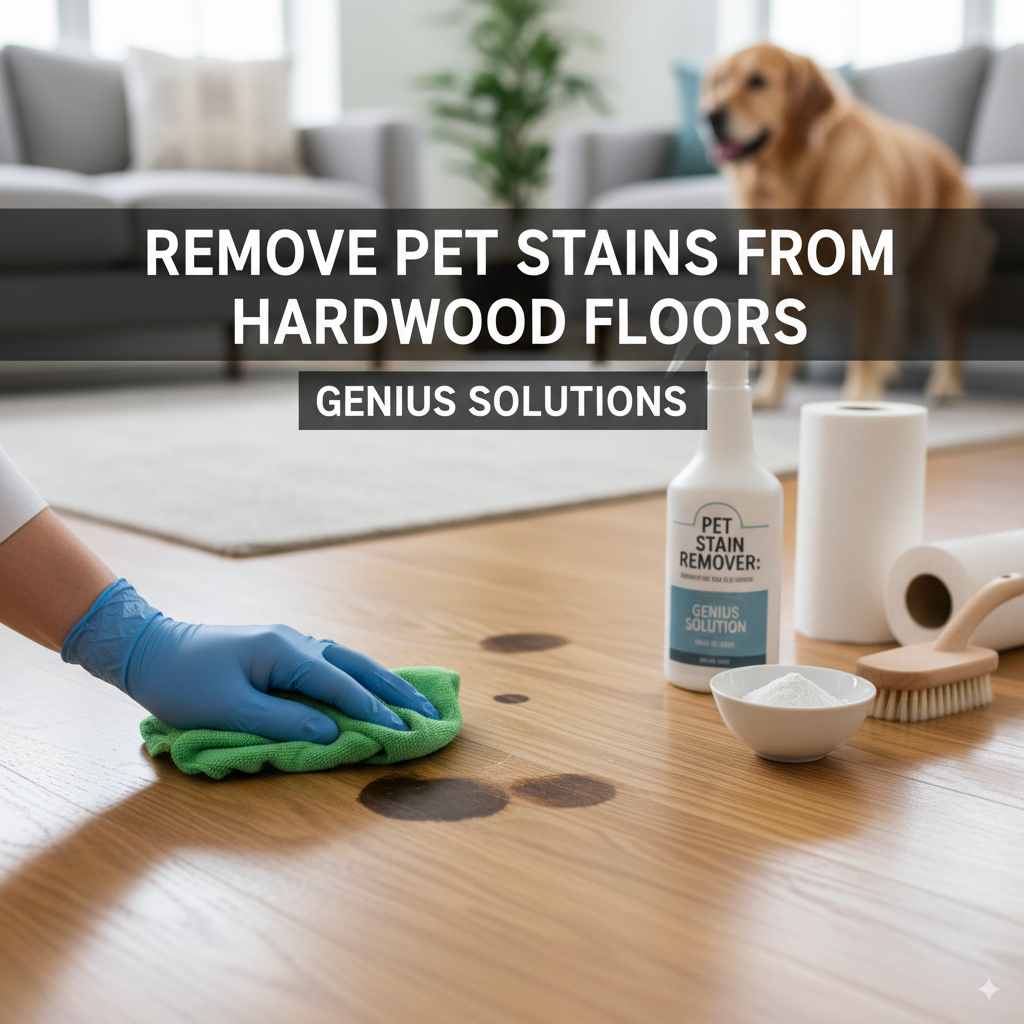
Remove Pet Stains From Hardwood Floors: Genius Solutions
Don’t let pet stains ruin your beautiful hardwood floors! This guide offers simple, effective, and safe methods to remove pet stains and odors, restoring your floor’s natural charm without harsh chemicals. Learn the best solutions for various stain types and how to prevent future accidents.
Pet accidents happen, and when they strike your hardwood floors, it can feel like a disaster. That dark, stubborn stain and lingering smell can really detract from the warmth and beauty of your home. But don’t worry! With the right approach, you can tackle these messes effectively. This guide will walk you through everything you need to know, from identifying the stain to using gentle yet powerful cleaning solutions. We’ll break down simple, step-by-step methods that are safe for your floors and the environment. Get ready to say goodbye to pet stains and hello to pristine hardwood!
Understanding Pet Stains on Hardwood
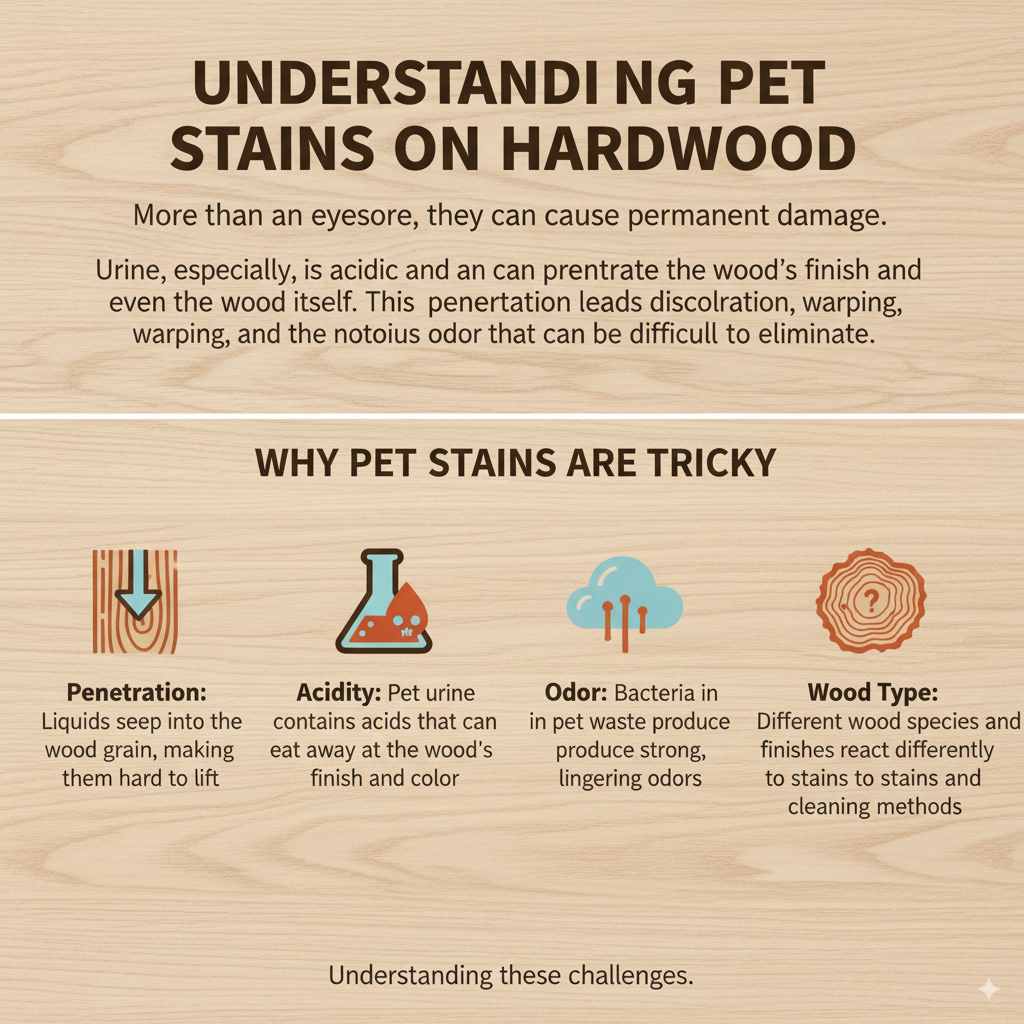
Pet stains on hardwood floors are more than just an eyesore; they can cause permanent damage if left untreated. Urine, especially, is acidic and can penetrate the wood’s finish and even the wood itself. This penetration leads to discoloration, warping, and the notorious odor that can be difficult to eliminate.
Why Pet Stains are Tricky
- Penetration: Liquids seep into the wood grain, making them hard to lift.
- Acidity: Pet urine contains acids that can eat away at the wood’s finish and color.
- Odor: Bacteria in pet waste produce strong, lingering odors.
- Wood Type: Different wood species and finishes react differently to stains and cleaning methods.
Understanding these challenges helps us choose the most effective and gentle cleaning methods. The key is to act quickly and use the right products to avoid damaging your beautiful hardwood floors further.
Immediate Action: The First 24 Hours
The sooner you address a pet stain, the better your chances of complete removal. Immediate action can prevent the liquid from soaking deep into the wood and bonding with the finish.
Step 1: Blot Up Excess Moisture
Grab a clean, absorbent cloth or paper towels. Gently blot the affected area. Avoid rubbing, as this can spread the stain and push it deeper into the wood grain.
Step 2: Mild Cleaning Solution
For fresh accidents, a simple solution can often do the trick. Mix a small amount of pH-neutral wood floor cleaner with water. Dampen a clean cloth with this solution (do not saturate) and wipe the area. Follow up immediately with a dry cloth to remove any excess moisture.
It’s important to use cleaners specifically designed for hardwood floors. Harsh chemicals or excessive water can damage the finish, causing cloudiness or even stripping the finish away. For more information on maintaining your hardwood floors, resources like This Old House offer excellent general care tips that can help prevent stains in the first place.
Dealing with Older or Stubborn Pet Stains
If you discover an older stain or one that didn’t come out with immediate cleaning, don’t despair. Several methods can help tackle these tougher spots. Remember, always test any cleaning solution in an inconspicuous area first.
Method 1: Baking Soda Paste
Baking soda is a fantastic natural deodorizer and has mild abrasive properties that can help lift stains without scratching.
What You’ll Need:
- Baking soda
- Water
- A clean cloth
- A dry cloth
How to Do It:
- Mix baking soda with a small amount of water to create a thick paste.
- Gently apply the paste to the stained area.
- Let it sit for 10-15 minutes.
- Gently wipe away the paste with a clean, damp cloth.
- Dry the area thoroughly with a clean, dry cloth.
This method is great for surface stains and helps neutralize odors naturally.
Method 2: White Vinegar Solution
White vinegar is acidic and can help break down the components of pet urine. However, it must be diluted to avoid damaging the wood finish.
What You’ll Need:
- White vinegar
- Water
- Spray bottle
- Clean cloths
How to Do It:
- Mix equal parts white vinegar and water in a spray bottle.
- Lightly mist the stained area. Do not soak the wood.
- Let it sit for about 5 minutes.
- Wipe the area with a clean, damp cloth.
- Dry the area completely with a dry cloth.
The vinegar smell will dissipate as it dries. Ensure good ventilation.
Method 3: Hydrogen Peroxide (for Light-Colored Woods)
Hydrogen peroxide has mild bleaching properties and can be effective on dark stains. Use with extreme caution, as it can lighten wood, especially darker varieties. Always test in a hidden spot!
What You’ll Need:
- 3% Hydrogen Peroxide solution
- Cotton balls or a clean cloth
- Clean water
- Dry cloth
How to Do It:
- Dampen a cotton ball or a corner of a clean cloth with hydrogen peroxide.
- Gently dab the stained area. Avoid spreading.
- Let it sit for a short period (start with 5-10 minutes) and monitor the wood’s color.
- Wipe the area with a cloth dampened with clean water.
- Dry thoroughly with a dry cloth.
This method requires patience and careful observation to prevent over-bleaching.
Method 4: Specialized Pet Stain and Odor Removers
There are many excellent commercial products designed specifically for pet stains on wood floors. These often contain enzymes that break down organic matter and neutralize odors effectively. Look for products specifically labeled for hardwood floors.
Application typically involves:
- Reading and following the product’s instructions carefully.
- Applying the cleaner to the stain and allowing it to work (often by letting it sit or misting).
- Wiping away the residue.
- Allowing the floor to air dry or drying with a clean cloth as instructed.
These can be highly effective, especially for deep-set stains and persistent odors.
Tackling Lingering Odors
Sometimes, even after a stain is removed, a faint odor can remain. This is often due to residual bacteria within the wood grain. Here are some ways to combat it:
- Baking Soda: Sprinkle a generous amount of baking soda over the affected area and let it sit overnight. Then, vacuum it up thoroughly.
- Vinegar Solution: As mentioned above, the diluted vinegar solution can help neutralize odors. Ensure the area is well-ventilated during and after cleaning.
- Enzymatic Cleaners: These are specifically designed to break down odor-causing compounds. They are usually very effective and safe for wood floors when used as directed.
When to Call a Professional or Consider Refinishing
Some pet stains, particularly those that have sat for a long time or have deeply penetrated the wood, may be permanent. If you’ve tried multiple gentle methods without success, or if the stain has caused visible damage like darkening, warping, or splintering, it might be time to consider professional help:
- Wood Floor Repair Specialist: They can assess the damage and may be able to sand down the affected area and re-stain or re-finish it.
- Refinishing: For widespread staining or damage, a full refinishing of your hardwood floors might be the best solution to restore their beauty.
While professional services can be an investment, they often provide the most effective long-term solution for severe damage.
Preventing Future Pet Stains
The best offense is a good defense! Here are some tips to minimize the chances of future pet stains on your hardwood floors:
- Consistent Potty Training: Ensure your pets are reliably house-trained.
- Regular Potty Breaks: Take your pets out frequently, especially puppies and older dogs.
- Watch for Signs: Learn your pet’s cues that they need to go outside (e.g., circling, sniffing excessively).
- Leaky Pet Bowls: Place mats under pet food and water bowls to catch spills. Consider elevated bowls that are less prone to tipping.
- Paw Wipes/Towels: Keep a towel or pet-friendly paw wipes by the door to clean paws after walks, especially during wet weather.
- Durable Finish: Ensure your hardwood floors have a durable, water-resistant finish. Regularly inspect and reapply the finish as needed.
- Pet Furniture Covers: For beds or favorite resting spots, use washable covers to protect the floor underneath.
For more in-depth advice on maintaining wood finishes and protecting them from moisture, resources like the National Wood Flooring Association (NWFA) offer comprehensive guides and expert advice.
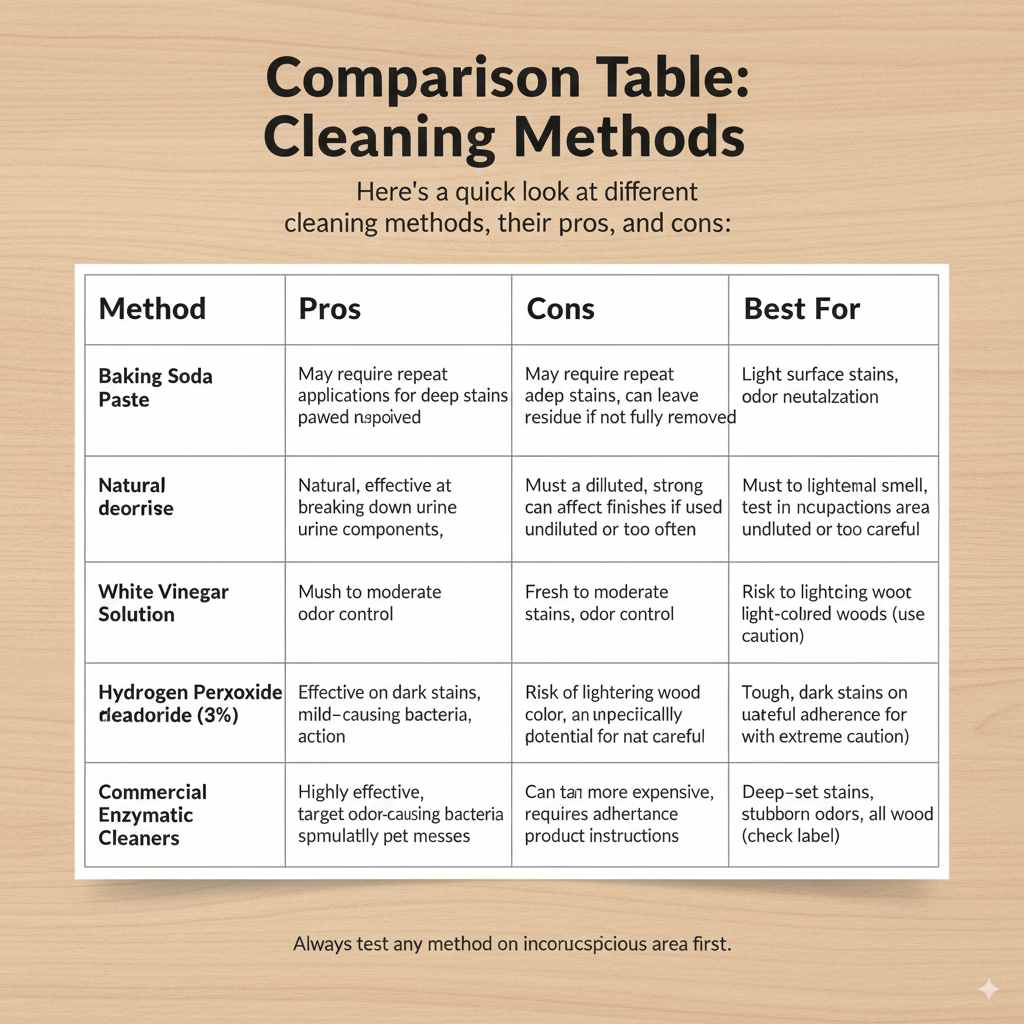
Comparison Table: Cleaning Methods
Here’s a quick look at different cleaning methods, their pros, and cons:
| Method | Pros | Cons | Best For |
|---|---|---|---|
| Baking Soda Paste | Natural, deodorizing, gentle abrasive | May require repeat applications for deep stains, can leave a powdery residue if not fully removed | Light surface stains, odor neutralization |
| White Vinegar Solution | Natural, effective at breaking down urine components, deodorizing | Must be diluted, strong initial smell, can affect some finishes if used undiluted or too often | Fresh to moderate stains, odor control |
| Hydrogen Peroxide (3%) | Effective on dark stains, mild bleaching action | Risk of lightening wood color, must test in an inconspicuous area, potential for damage if not careful | Tough, dark stains on light-colored woods (use with extreme caution) |
| Commercial Enzymatic Cleaners | Highly effective, target odor-causing bacteria, specifically formulated for pet messes | Can be more expensive, requires careful adherence to product instructions | Deep-set stains, stubborn odors, all wood types (check label) |
Frequently Asked Questions (FAQ)
Q1: How quickly should I clean a pet stain on hardwood?
A: As soon as you discover it! Prompt cleaning is crucial to prevent the stain from soaking into the wood and causing permanent damage or odor.
Q2: Can I use bleach to remove pet stains from my hardwood floors?
A: No, bleach is too harsh. It can strip the finish, discolor the wood permanently, and damage the material. Stick to gentler, specifically recommended cleaners.
Q3: My dog has been having accidents for months. What can I do about old stains?
A: Old stains are tougher. Start with a diluted vinegar or baking soda paste. If that doesn’t work, a reputable enzymatic cleaner designed for pet stains is your best bet. For very old or deep stains, you might need to consider sanding and refinishing.
Q4: Will pet stains warp my hardwood floors?
A: Yes, if left to soak. Prolonged exposure to moisture from pet urine can cause wood to swell and warp, especially if the finish is compromised. Prompt cleanup and drying are essential.
Q5: How can I get rid of the pet odor?
A: Odors come from bacteria. Clean the area thoroughly with a solution that neutralizes them, like diluted vinegar or an enzymatic cleaner. Baking soda left overnight can also absorb lingering smells before being vacuumed up.
Q6: Are there any DIY solutions that are always safe for all hardwood finishes?
A: While many DIY solutions are effective, “always safe” is a strong claim. Diluted white vinegar or baking soda paste are generally considered safe for many finishes, but always test in a hidden spot first. Avoid excessive moisture and harsh scrubbing.
Conclusion
Dealing with pet stains on hardwood floors can be frustrating, but it doesn’t have to lead to permanent damage or unsightly marks. By acting quickly, using the right gentlest methods first, and understanding when to step up to more robust solutions, you can effectively remove most pet stains and odors. Remember to always test cleaning solutions in an inconspicuous area before applying them to the main stain, and prioritize the health and longevity of your hardwood. With a little patience and the right techniques, your floors can be restored to their beautiful, natural state, allowing you to enjoy your home and your beloved pets without worry.