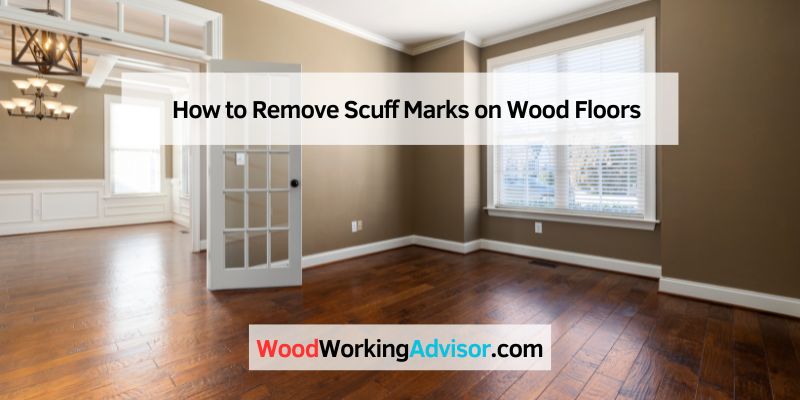
How to Remove Scuff Marks on Wood Floors
Hey there, friend! If you’ve ever walked across your beautiful wood floors and noticed those pesky scuff marks staring back at you, you know how frustrating they can be. They’re like little blemishes on an otherwise perfect canvas. I’ve been there, trust me—spending hours trying to figure out how to make my floors look pristine again. Whether it’s from shoes, furniture, or an overenthusiastic pet, scuff marks seem to appear out of nowhere. But don’t worry! I’ve spent years experimenting with different methods to remove scuff marks from wood floors, and I’m excited to share what I’ve learned with you. In this guide, I’ll walk you through practical, tried-and-true ways to get rid of those marks while keeping your wood floors safe and stunning. Let’s dive in and bring back that showroom shine!
What Are Scuff Marks and Why Do They Happen?
Scuff marks are those annoying dark streaks or smudges that show up on your wood floors. They’re usually caused by something rubbing against the surface, like the rubber sole of a shoe or the leg of a chair. I remember the first time I noticed them in my living room after a family gathering—black streaks everywhere from sneakers! Unlike scratches, scuff marks don’t dig into the wood itself. They’re surface-level blemishes, which is good news because it means they’re easier to remove.
Why do they happen? Well, it’s all about friction. When something rough, like a rubber sole or a gritty piece of dirt, drags across your floor, it leaves behind a bit of itself. That’s what creates the mark. Hardwood floors, whether finished with polyurethane or waxed, are prone to scuffs because their smooth surfaces make marks more visible. Knowing this helped me understand why my floors were getting scuffed so often—it’s just life happening! Kids running around, guests forgetting to take off their shoes, or even moving furniture can leave those telltale marks.
Things to Know Before You Start
Before you grab the nearest cleaning product, let’s talk about some basics. I learned this the hard way when I almost damaged my floors with the wrong cleaner. First, you need to know what kind of finish your wood floor has. Is it sealed with polyurethane, or is it waxed? Sealed floors are more common in modern homes, and they’re shiny and water-resistant. Waxed floors, on the other hand, have a softer, more matte look and need special care. If you’re not sure, here’s a quick trick I use: rub a small spot with a damp cloth. If it turns cloudy, it’s likely waxed. If it stays clear, it’s probably sealed.
Another thing to keep in mind is to always test any cleaning method on a small, hidden spot first. I once tried a new cleaner under my couch before using it on the whole floor, and thank goodness I did—it left a weird residue! Also, avoid using too much water. Wood and water don’t mix well, and excess moisture can seep into the wood, causing warping or swelling. Lastly, be patient. Some scuff marks are stubborn, but with the right approach, you’ll get there.
Simple Household Solutions for Scuff Marks
Over the years, I’ve found that you don’t always need fancy products to tackle scuff marks. Some of the best solutions are already in your kitchen or bathroom. Here are my go-to methods that have worked wonders on my own floors.
Baking Soda Magic
Baking soda is my hero for so many cleaning tasks, and scuff marks are no exception. I discovered this when I was desperate to clean my dining room floor before a party. Mix a tablespoon of baking soda with a little water to make a paste. Grab a soft cloth, dip it into the paste, and gently rub the scuff mark in a circular motion. The mild abrasive nature of baking soda lifts the mark without scratching the finish. Wipe the area with a damp cloth afterward to remove any residue, then dry it with a clean towel. This works best on sealed floors, but I’ve used it on waxed floors too—just be extra gentle.
The Toothpaste Trick
Non-gel toothpaste is another gem I stumbled upon. I was skeptical at first, but it’s like a mini miracle for scuff marks. Squeeze a small amount of white, non-gel toothpaste onto a clean cloth. Rub it onto the scuff mark using gentle pressure. The toothpaste’s mild abrasives work to buff away the mark. After a minute or two, wipe it clean with a damp cloth and dry the area. I’ve found this works especially well for stubborn black marks from sneakers. Just make sure it’s non-gel toothpaste—gel ones can be too sticky and leave a mess.
Dish Soap and Water
Sometimes, the simplest solutions are the best. A few drops of mild dish soap mixed with warm water can do wonders. I’ve used this method countless times, especially for light scuff marks. Dip a soft cloth or sponge into the soapy water, wring it out well, and gently rub the mark. The key is to use as little water as possible to avoid soaking the wood. Once the mark is gone, wipe the area with a clean, damp cloth to remove any soap, then dry it thoroughly. This is safe for both sealed and waxed floors, which makes it a great go-to option.
WD-40 for Tough Marks
I was hesitant to try WD-40 at first, but a friend swore by it, and it’s now one of my secret weapons. Spray a tiny amount of WD-40 onto a clean cloth—never directly onto the floor! Rub the scuff mark gently, and you’ll see it start to disappear. Wipe the area with a damp cloth to remove any residue, then dry it. This works best on sealed floors, as WD-40 can strip wax from waxed floors. Use it sparingly, and always test it first. I’ve found it’s great for those really tough marks that other methods can’t handle.
Specialized Products for Scuff Marks
Sometimes, household solutions aren’t enough, especially for older or more delicate floors. I’ve tested a few store-bought products that are worth keeping in your cleaning arsenal.
Wood Floor Cleaners
There are cleaners designed specifically for hardwood floors, and I’ve had great results with brands like Bona and Method. These are formulated to clean without damaging the finish. I usually apply a small amount to a microfiber cloth and rub the scuff mark until it’s gone. Follow the instructions on the bottle, and always wipe the area with a damp cloth afterward to remove any cleaner residue. These are safe for sealed floors, and some are okay for waxed floors too—just check the label.
Magic Erasers
Magic erasers are like little sponges with superpowers. I keep one handy for all sorts of cleaning tasks. To use it on scuff marks, dampen the eraser slightly and rub the mark gently. You don’t need to press hard—these things are powerful! I’ve found they work best on sealed floors, but be cautious with waxed floors, as they can dull the finish. Always follow up with a damp cloth to clean off any residue, and dry the area well.
Preventing Scuff Marks in the First Place
I’ve learned that preventing scuff marks is just as important as knowing how to remove them. After dealing with them for years, I’ve picked up some habits that really help keep my floors looking great.
Use Mats and Rugs
Placing mats at entryways and rugs in high-traffic areas is a game-changer. I have a sturdy doormat at every entrance to my home, and it catches so much dirt and grit that would otherwise end up on my floors. In my living room, I’ve added area rugs under the coffee table and near the couch to reduce scuffs from shoes and furniture. It’s a simple fix that makes a big difference.
Felt Pads for Furniture
Furniture legs are notorious for leaving scuff marks. I’ve put felt pads on the bottom of all my chairs, tables, and even my sofa. They’re inexpensive and easy to stick on, and they let furniture glide without marking the floor. I check them every few months to make sure they’re still in good shape, and I replace them if they get worn out.
No-Shoes Policy
This one was tough to enforce in my house, but it’s worth it. I’ve made it a rule to take off shoes at the door. Guests are usually happy to comply when I explain it keeps my floors looking nice. I keep a basket of cozy slippers by the door for anyone who wants them. It’s cut down on scuff marks dramatically, especially from those sneaky rubber-soled sneakers.
Regular Cleaning
Sweeping or vacuuming my floors regularly keeps dirt and grit from building up. I use a soft-bristle broom or a vacuum with a hardwood floor setting to avoid scratches. Once a month, I mop with a damp—not wet—mop using a wood-safe cleaner. This keeps my floors in top shape and makes scuff marks less likely to stick.
When to Call a Professional
Sometimes, scuff marks are more than they seem. I had a situation where what I thought was a scuff turned out to be a deep scratch that needed professional attention. If you’ve tried everything and the mark won’t budge, or if you notice damage to the wood itself, it’s time to call in the pros. They can assess whether your floor needs refinishing or just a touch-up. I’ve found that local flooring companies are usually happy to give a free estimate, and they have tools and expertise I just don’t have at home.
A Quick Comparison of Methods
Here’s a handy table I put together to compare the methods I’ve used. It’s based on my own experience and should help you decide which one to try first.
| Method | Best For | Pros | Cons | Safe for Waxed Floors? |
|---|---|---|---|---|
| Baking Soda | Light to medium scuff marks | Cheap, easy to find, effective | Can be messy, requires elbow grease | Yes, if gentle |
| Toothpaste | Stubborn sneaker marks | Works fast, readily available | Must use non-gel, can leave residue | Yes, if gentle |
| Dish Soap & Water | Light scuff marks | Safe, simple, no special products | Not great for tough marks | Yes |
| WD-40 | Tough, stubborn marks | Very effective, quick | Not for waxed floors, strong smell | No |
| Wood Floor Cleaner | General cleaning and scuffs | Safe for floors, easy to use | Can be pricey | Check label |
| Magic Eraser | Medium to tough marks | Super effective, fast | Can dull waxed floors | Use cautiously |
My Personal Tips for Success
After years of trial and error, I’ve picked up a few tricks that make removing scuff marks easier. Always work in small sections to avoid overwhelming yourself. Use soft cloths or microfiber towels—never abrasive scrubbers like steel wool, which can scratch your floors. If one method doesn’t work, don’t give up; try another. Sometimes, combining methods (like dish soap followed by baking soda) does the trick. And don’t forget to polish your floors occasionally with a wood-safe polish to keep them looking shiny and new.
Wrapping It Up
There’s something so satisfying about seeing your wood floors sparkle again, free of those annoying scuff marks. I’ve spent countless hours figuring out what works best, and I hope my experience helps you restore your floors with confidence. Whether you’re using a simple baking soda paste, a dab of toothpaste, or a specialized cleaner, the key is to be gentle and patient. And don’t forget prevention—those mats, felt pads, and no-shoes rules have saved my floors from so many scuffs over the years. Your wood floors are an investment, and with a little care, they’ll stay beautiful for years to come. So, grab your supplies, put on some music, and let’s make those floors shine again!
Frequently Asked Questions
Can I use vinegar to remove scuff marks from wood floors?
I’ve tried vinegar, and while it’s great for many cleaning tasks, it’s not my first choice for wood floors. Vinegar is acidic and can dull or damage the finish, especially on waxed floors. If you want to try it, dilute it heavily with water (like 1 part vinegar to 10 parts water) and test it in a hidden spot. Honestly, I’d stick with dish soap or baking soda for safer results.
Will removing scuff marks damage my floor’s finish?
If you’re careful, you shouldn’t damage the finish. I always use soft cloths and avoid harsh scrubbers. Methods like baking soda or toothpaste are gentle enough for most sealed floors, but be cautious with waxed floors, as they’re more delicate. Always test first and avoid over-wetting the wood.
How often should I clean my wood floors to prevent scuff marks?
I sweep or vacuum my floors weekly to keep dirt at bay. A monthly mop with a wood-safe cleaner helps, too. Regular cleaning prevents grit from building up, which can cause scuffs. If you have a busy household like mine, you might need to sweep more often—maybe every couple of days.
Are magic erasers safe for all wood floors?
Magic erasers are fantastic for sealed floors, but I’ve found they can dull waxed floors if you’re not careful. Use them lightly and always follow up with a damp cloth to remove any residue. Test in a small area first to be sure.
What should I do if the scuff mark is actually a scratch?
I’ve made this mistake before—thinking a mark was a scuff when it was a scratch. If the mark goes into the wood itself, it’s likely a scratch. For minor scratches, I’ve used a wood touch-up pen to mask them. For deeper ones, you might need a professional to sand and refinish the area. If you’re unsure, it’s worth getting a pro to take a look.