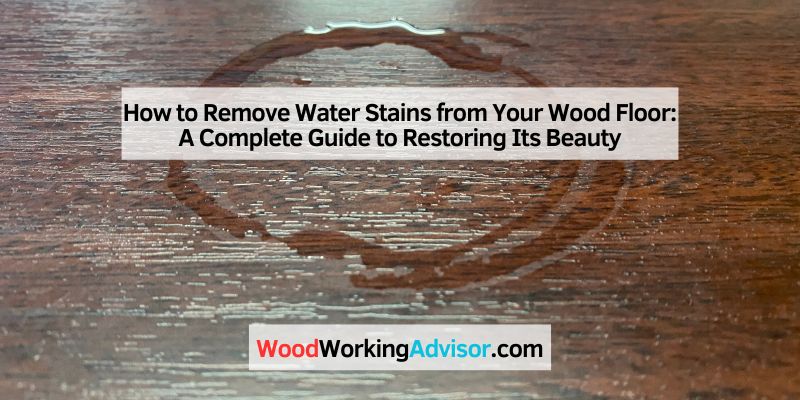
How to Remove Water Stains from Your Wood Floor: A Complete Guide to Restoring Its Beauty
Hey there! I know how disheartening it is to spot water stains on your gorgeous wood floor. Whether it’s a pale white mark from a spilled glass or a dark stain from a sneaky leak, those blemishes can make your floor look tired. As someone who’s spent years working with wood floors, from oak to cherry, I’ve tackled my share of water stains. In this article, I’m sharing everything I’ve learned about removing water stains from wood floors, including practical, safe methods that won’t harm your finish.
We’ll focus on common wood floors you might find at places like Home Depot, such as hardwood, engineered wood, or even bamboo, and I’ll guide you step-by-step to restore that stunning shine. Let’s get those stains gone and your floor looking flawless again!
Why Water Stains Appear on Wood Floors
Wood floors, whether solid hardwood, engineered, or bamboo, are sensitive to moisture. Water stains happen when liquid seeps into the wood or its finish, leaving marks that range from cloudy white to dark brown or black. I’ve seen this on my own oak floor after a potted plant leaked, and it’s usually due to a few common culprits. Understanding why stains form helps you choose the right fix.
White stains are surface-level, trapped in the floor’s protective finish (like polyurethane). Dark or black stains are deeper, penetrating the wood itself, often from prolonged exposure. Here’s what causes them:
- Spills: Drinks, pet accidents, or knocked-over vases can leave white marks if wiped up quickly, or dark stains if left sitting.
- Leaks: Dripping pipes or appliances, like a fridge, can cause deep, dark stains over time.
- Potted Plants: Overwatering plants without saucers can leave rings or dark patches. I learned this the hard way!
- High Humidity: Excess moisture in humid climates can dull the finish or cause staining.
- Mopping Mistakes: Using too much water when cleaning can seep into seams, leaving stains.
Let’s dive into how to remove these stains, starting with the easiest methods for white marks and moving to tougher dark stains.
How to Remove White Water Stains from Wood Floors
White water stains are the most common and, thankfully, the easiest to fix. They’re trapped in the finish, not the wood, so you can often remove them without sanding. I’ve tried these methods on my hardwood floor, and they work like a charm. Here’s what to do.
Step 1: Prep the Area
Clear the stained area of furniture, rugs, or decor. I dust the spot with a soft microfiber cloth to remove dirt. Wood floors, like Bruce or Bellawood from Home Depot, have sealed finishes that can scratch if you rub grit into them. Make sure the floor is dry before starting.
Step 2: Try the Hairdryer Method
This is my go-to for fresh white stains. Grab a hairdryer and set it to low or medium heat. Hold it 6–8 inches above the stain and move it in circles for 2–5 minutes. The gentle heat evaporates moisture trapped in the finish. I used this on a white ring from a coffee mug, and it vanished in minutes! Check progress every minute to avoid overheating the finish.
Step 3: Use a Mild Abrasive
If the hairdryer doesn’t work, try a mild abrasive to buff out the stain. Here’s what I do:
- Toothpaste (Non-Gel): Dab a small amount of white, non-gel toothpaste on a soft cloth. Rub gently in the direction of the wood grain for 1–2 minutes. Wipe with a damp cloth and dry immediately. I used this on a stubborn white mark, and it worked without dulling the finish.
- Baking Soda Paste: Mix 1 teaspoon baking soda with a few drops of water to form a paste. Apply with a soft cloth, rub gently, then wipe clean with a damp cloth. Dry thoroughly. This saved my floor from a plant pot ring!
Test in a hidden area first, as abrasives can dull glossy finishes on floors like Pergo or Mohawk.
Step 4: Apply a Wood-Safe Cleaner
If the stain persists, use a wood-safe cleaner to lift it. Mix 1 tablespoon white vinegar with 1 cup warm water. Dip a microfiber cloth in the solution, wring it out until barely damp, and wipe the stain gently. Dry immediately with a clean cloth. I used this on a faint white stain, and it restored the shine. Avoid soaking the wood, as excess moisture can worsen stains.
Step 5: Polish for Shine
After removing the stain, I buff the area with a dry microfiber cloth to restore the gloss. For extra shine, use a wood-safe polish like Howard Feed-N-Wax (available at Home Depot) sparingly. Apply with a soft cloth, following the grain, and buff dry. This keeps your floor, whether oak or engineered, looking brand-new.
How to Remove Dark or Black Water Stains from Wood Floors
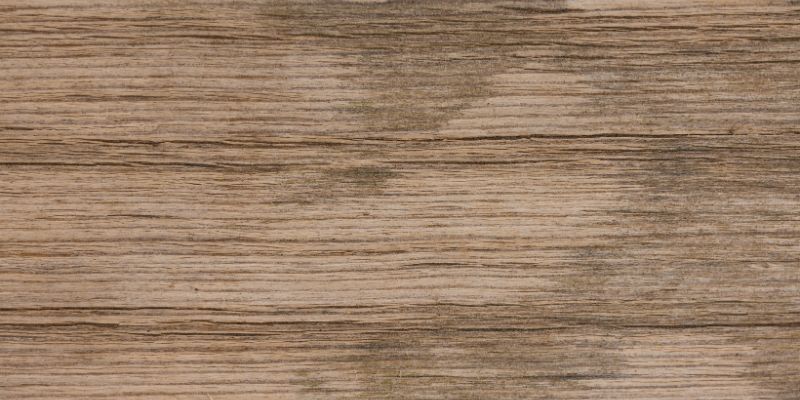
Dark or black water stains are trickier because they’ve penetrated the wood itself. These often come from prolonged moisture exposure, like a hidden leak. I had a dark stain under a rug from a slow drip, and it took some elbow grease to fix. Here’s how to tackle them.
Step 1: Assess the Damage
Check if the stain is surface-level or deep. If it’s just in the finish, the methods above might work. If it’s in the wood (feels rough or discolored), you’ll need deeper treatment. For severe damage, like warping or mold, skip to the “When to Call a Professional” section. Most dark stains on Home Depot floors, like Bruce or Morning Star bamboo, can be fixed with these steps.
Step 2: Use Hydrogen Peroxide
Hydrogen peroxide (3% solution, from any drugstore) is my go-to for dark stains. Here’s how I do it:
- Dampen a cotton ball or white cloth with hydrogen peroxide.
- Place it on the stain and let it sit for 5–10 minutes. Check progress to avoid over-bleaching.
- Wipe with a damp cloth, then dry thoroughly.
I used this on a dark stain from a pet accident, and it lightened significantly after two tries. Test in a hidden area first, as it can lighten wood slightly.
Step 3: Try Oxalic Acid for Stubborn Stains
For deep black stains, oxalic acid (available at Home Depot as wood bleach) works wonders. I used this on a stubborn stain under a leaking planter. Here’s how:
- Mix oxalic acid crystals with warm water per package instructions (usually 1–2 tablespoons per cup).
- Apply with a soft cloth or brush to the stain only, wearing gloves for safety.
- Let it sit for 10–20 minutes, then wipe with a damp cloth.
- Neutralize with a baking soda-water solution (1 teaspoon per cup), wipe again, and dry thoroughly.
This restored my oak floor’s color, but it’s strong, so test first and ventilate the area.
Step 4: Sand and Refinish (Last Resort)
If the stain won’t budge, sanding and refinishing may be needed. I did this on a small section of my engineered wood floor. Here’s the process:
- Sand the stained area lightly with 120-grit sandpaper, following the grain. Use a sanding block for control.
- Smooth with 220-grit sandpaper.
- Clean dust with a tack cloth.
- Apply a matching wood stain (test on a scrap piece) and a polyurethane topcoat (satin or gloss to match your floor).
- Let dry per product instructions (usually 24–48 hours).
This works for solid hardwood or thick engineered wood, like Bellawood, but thin veneers (like some Pergo) can’t be sanded. If unsure, consult a pro.
Preventing Water Stains on Wood Floors
Once your floor is stain-free, you’ll want to keep it that way. Here are my top tips, learned from years of floor care:
- Wipe spills immediately with a dry or slightly damp cloth.
- Use saucers under potted plants and check for leaks.
- Place doormats at entrances to trap moisture and dirt.
- Mop with a barely damp microfiber mop and a wood-safe cleaner (like Bona Hardwood Floor Cleaner).
- Use a dehumidifier in humid climates to keep indoor humidity at 40–60%.
I now keep coasters under plants and a towel handy when mopping to catch drips. It’s saved my floor from new stains!
Best Products for Removing Water Stains from Wood Floors
Choosing the right products makes stain removal easier. Here’s a table of my favorites, available at Home Depot or similar retailers, based on my experience:
| Product Name | Why I Love It | Where to Buy | Price (Approx.) |
|---|---|---|---|
| Bona Hardwood Floor Cleaner | Gentle, streak-free, safe for sealed wood floors | Home Depot, Amazon | $10–$15 |
| Howard Feed-N-Wax | Restores shine, no sticky residue | Home Depot, Amazon | $8–$12 |
| White Vinegar (Generic) | Natural, cheap, lifts white stains | Any grocery store | $3–$5 |
| Oxalic Acid (Wood Bleach) | Powerful for dark stains, effective on deep marks | Home Depot, Lowes | $10–$15 |
These products work great on Home Depot floors like Bruce, Bellawood, or Morning Star bamboo. Vinegar is my budget pick, but dilute it (1:4 with water) for safety.
Mistakes to Avoid When Removing Water Stains
I’ve made plenty of mistakes, and I want to save you the trouble. Here’s what not to do:
- Don’t Use Excess Water: Too much water can worsen stains or damage the finish. Always use a damp, not wet, cloth.
- Avoid Harsh Abrasives: Steel wool or coarse sandpaper can scratch the surface. Stick to fine sandpaper or soft cloths.
- Don’t Skip Testing: Always test cleaners or bleaches in a hidden area, like under furniture, to avoid discoloration.
- Avoid Bleach: Household bleach can strip the finish or discolor wood. Use hydrogen peroxide or oxalic acid instead.
- Don’t Ignore Deep Stains: If dark stains persist, don’t keep applying chemicals—sanding or professional help may be needed.
Avoiding these pitfalls keeps your wood floor safe and beautiful.
When to Call a Professional
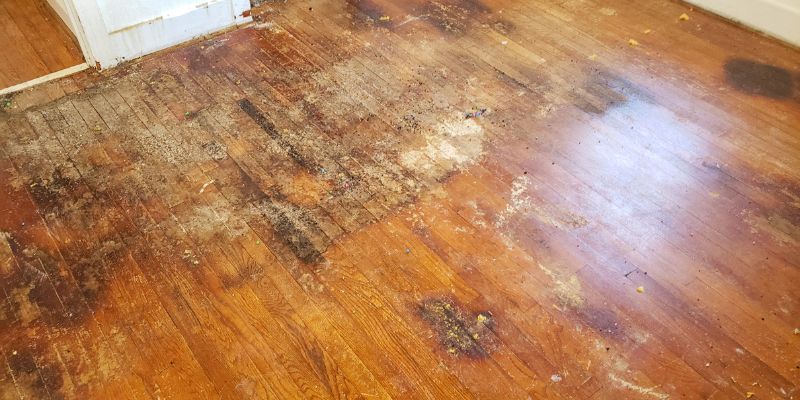
Most water stains are fixable at home, but some need expert care. If your floor shows warping, mold, or deep black stains that won’t lift, or if it’s a thin veneer (like some engineered floors), call a professional. I once had a stain from a fridge leak that caused slight buckling, and a flooring specialist sanded and refinished it perfectly.
Look for a local wood floor restoration expert familiar with your floor type (e.g., Bruce hardwood or Pergo engineered). They can assess damage and recommend repairs, like refinishing or board replacement. It’s worth the cost to save your floor.
Wood Floors vs. Other Flooring Options
You might wonder how wood floors compare to other options at Home Depot, like vinyl or laminate, when it comes to water stains. Here’s my take:
- Wood vs. Vinyl: Wood floors, like Bellawood, are prone to water stains, while non-toxic vinyl (e.g., LifeProof) is 100% waterproof and stain-resistant. Vinyl is better for wet areas but lacks wood’s natural warmth.
- Wood vs. Laminate: Laminate, like Pergo, resists surface stains better but can warp if water seeps into seams. Wood can be refinished, unlike most laminate.
- Cost: Hardwood at Home Depot costs $4–$10/sq ft, engineered $2–$6/sq ft, compared to vinyl or laminate at $1–$4/sq ft. Wood’s longevity justifies the price if maintained well.
For a classic look, wood floors are unmatched, but they need extra care to prevent water stains.
Conclusion
Water stains on your wood floor can feel like a punch to the gut, but they’re fixable! I’ve been there, staring at a white ring or dark patch, wondering how to save my floor. With simple tools like vinegar, toothpaste, or hydrogen peroxide, and a bit of patience, you can remove most stains and bring back that glossy shine. Whether your floor is oak, bamboo, or engineered from Home Depot, these tips will keep it looking stunning. Your wood floor is an investment in your home’s warmth, and a little care goes a long way. Grab your microfiber cloth, try these methods, and enjoy a floor that feels as beautiful as it looks!
Frequently Asked Questions
Why do water stains appear on my wood floor?
Water stains form when moisture seeps into the finish (white stains) or wood (dark stains). I had them from a spilled drink. Spills, leaks, or humid mopping are common causes.
Can vinegar remove water stains from wood floors?
Yes! I mix 1 tablespoon white vinegar with 1 cup warm water. It’s great for white stains. Wipe with a damp cloth, rinse, and dry. Test first to avoid dulling the finish.
Is hydrogen peroxide safe for dark stains on wood floors?
Yes, 3% hydrogen peroxide works for dark stains. I used it on a pet stain. Apply with a cotton ball, let sit 5–10 minutes, wipe, and dry. Test in a hidden spot first.
How often should I check my wood floor for water stains?
I check my floor weekly, especially in high-traffic or humid areas. Wipe spills immediately and inspect under plants or rugs to catch stains early.
What’s the best product for removing water stains from wood floors?
Bona Hardwood Floor Cleaner and Howard Feed-N-Wax are my favorites for white stains. Oxalic acid tackles dark stains. Diluted vinegar is a budget-friendly option.
Can water stains mean permanent damage to my wood floor?
Most stains are fixable, but deep stains with warping or mold may need repair. I had a buckled spot from a leak, and a pro fixed it. If stains persist, call a flooring expert.