Best Wood Floor Cleaning Solution: DIY vs Store-Bought
A vinegar-and-water solution — ¼ cup white vinegar per gallon of warm water — safely cleans most sealed, polyurethane-finished hardwood floors, but skip it entirely on unsealed, waxed, or oil-finished wood, where the acid can strip or dull the finish. Using the wrong cleaner instead can leave a sticky film that attracts more dirt or void a warranty. This guide covers the DIY recipe, when a pH-neutral store-bought cleaner is the safer call, and the mistakes that damage floors most.
Best Wood Floor Cleaning Solution: DIY Recipe or Store-Bought Cleaner
Best Wood Floor Cleaner Pick
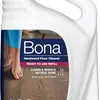 |
Bona Hardwood Floor Cleaner Refill (128 fl oz) – $19.97 A ready-to-use, pH-neutral refill for Bona spray mops and bottles — the same pH-balanced approach the NWFA recommends for sealed hardwood, without the dilution math the vinegar recipe above requires.
|
As an Amazon Associate we earn from qualifying purchases.
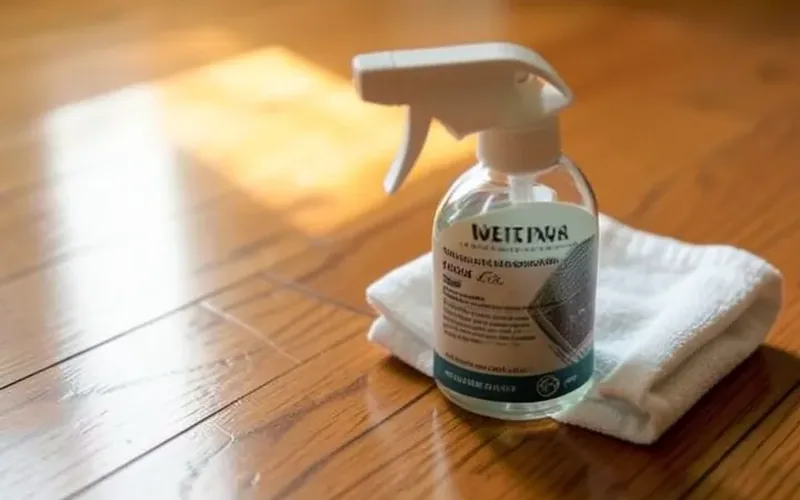
Mix ¼ cup of white vinegar with one gallon of warm water in a bucket or spray bottle. This ratio is diluted enough not to etch a polyurethane finish, while still cutting through everyday dust, foot-traffic grime, and light spills. It costs a fraction of a bottled cleaner and works on any sealed hardwood or engineered wood floor.
- Use white vinegar only — apple cider or malt vinegar can stain lighter wood tones.
- Never pour the solution directly onto the floor; spray a small section or wring a mop nearly dry.
- Skip this recipe on unsealed, waxed, or oil-finished floors — the acid can dull or strip those finishes.
- Test in an inconspicuous corner first if you’ve never cleaned this specific floor before.
Vinegar is fine for routine light cleaning, but a dedicated pH-neutral wood floor cleaner is the better call for a deeper clean, for floors with a manufacturer warranty that specifies an approved cleaner, or if you’d rather skip the mixing and testing. Below is the pick we’d reach for first.
How to Clean Hardwood Floors Step by Step
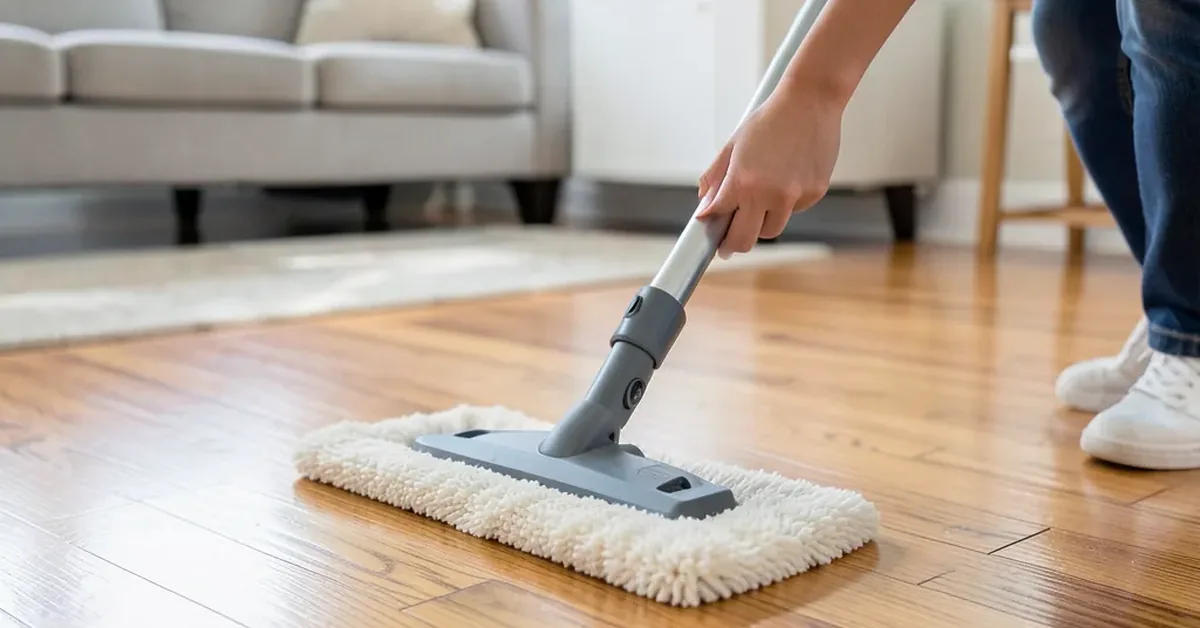
- Dry mop or vacuum first: Remove loose dust and grit with a soft-bristle vacuum head or microfiber dust mop — skipping this step just grinds dirt into the finish once liquid is added.
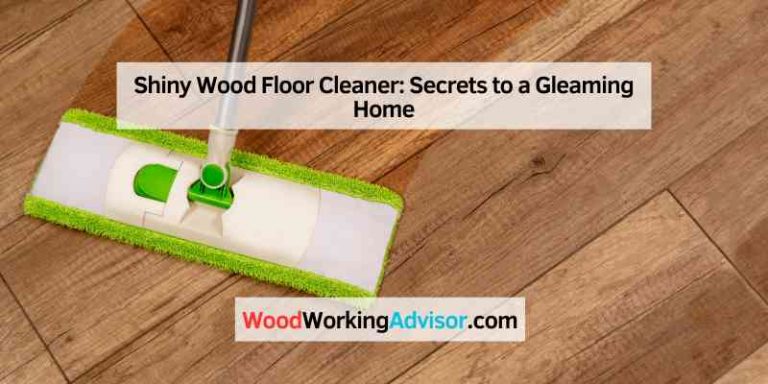
- Apply the cleaner sparingly: Spray the vinegar solution or pH-neutral cleaner onto a microfiber mop head, not directly onto the floor.
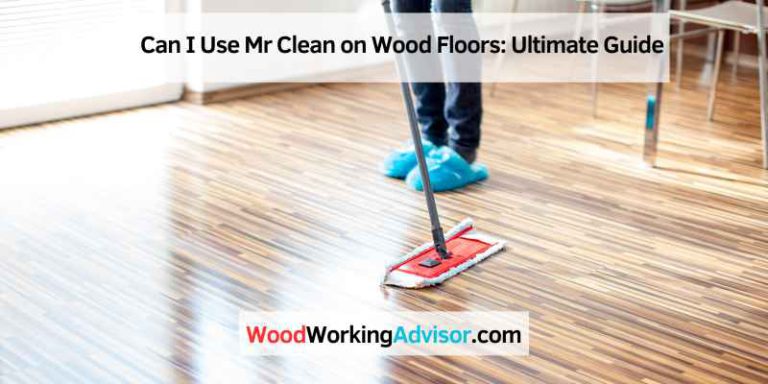
- Work with the grain: Mop in the direction of the wood grain in small sections, wringing the mop nearly dry between passes.
- Dry immediately: Follow with a dry microfiber cloth or mop head so no standing liquid sits on the seams between boards.
- Spot-check corners and thresholds: These areas trap the most grime and are the first place a residue buildup shows.
Wood Floor Cleaning Mistakes That Cause the Most Damage
Most hardwood floor damage from cleaning comes from too much water, not too little cleaner. A wet mop or steam mop forces moisture into the seams between boards, where it can cause cupping or gray staining that no surface cleaner will fix.
📊 The National Wood Flooring Association’s own maintenance guidance is explicit on this point: don’t use wet mops or steam mops on hardwood, since repeated over-wetting damages both the finish and the wood underneath. — Source: National Wood Flooring Association, Maintenance Guidelines
Oil-based soaps marketed as “wood cleaners” are another common mistake — many leave a waxy film behind that builds up over repeated uses and eventually needs a stripping treatment to remove, which defeats the point of an easy weekly clean. If your mop head comes away dull or streaky after it dries, that buildup is usually the cause, not the cleaner being too weak.
Can I Use Vinegar to Clean Wood Floors?
Yes, mix ¼ cup of white vinegar with a gallon of warm water for sealed hardwood, but avoid it on unsealed, waxed, or oil-finished wood, where the acid can strip or dull the finish over repeated use.
Frequently Asked Questions About Wood Floor Cleaning
How Often Should I Clean Wood Floors?
Dust mop or vacuum high-traffic areas weekly, and follow with a proper wet cleaning using a pH-neutral or diluted vinegar solution about once a month, more often in kitchens and entryways.
What Is the Best Way to Maintain Wood Floors?
Sweep or dry-mop regularly, use felt pads under furniture legs, wipe up spills immediately, and avoid excessive moisture — standing water is the single most common cause of long-term hardwood damage.
How Do I Remove Stubborn Stains From Wood Floors?
Gently blot, don’t rub, the stain with a damp cloth and a small amount of mild pH-neutral cleaner, working from the outside of the stain inward to avoid spreading it further into the grain.
How Do I Clean Hardwood Floors Without Leaving Streaks?
Use less liquid, not more — spray the cleaner onto the mop head instead of the floor, and always follow with a dry microfiber pass. Streaks are almost always leftover cleaner residue from over-application.
Wood Floor Cleaner Buying Guide
- Check your floor’s finish first — polyurethane, wax, and oil finishes each tolerate different cleaners.
- Choose a pH-neutral formula; anything acidic or highly alkaline can dull or damage the finish over time.
- Avoid oil-soap cleaners for routine use — they build up a film that eventually needs stripping.
- Test any new product in an inconspicuous corner before using it on the whole floor.
- Follow the label’s dilution ratio — using cleaner at full strength is a common cause of residue buildup.
Conclusion
A diluted vinegar solution handles routine cleaning on sealed hardwood floors for next to nothing, while a pH-neutral store-bought cleaner like Bona is the safer, warranty-friendly option for a deeper clean or for floors with specific manufacturer requirements. Whichever you choose, the biggest damage risk isn’t the cleaner — it’s too much water. Keep mops nearly dry, dry the floor immediately after mopping, and your wood floor’s finish will last years longer.
Sponsored / affiliate links. As an Amazon Associate I earn from qualifying purchases. I may earn additional commission from eligible campaigns.