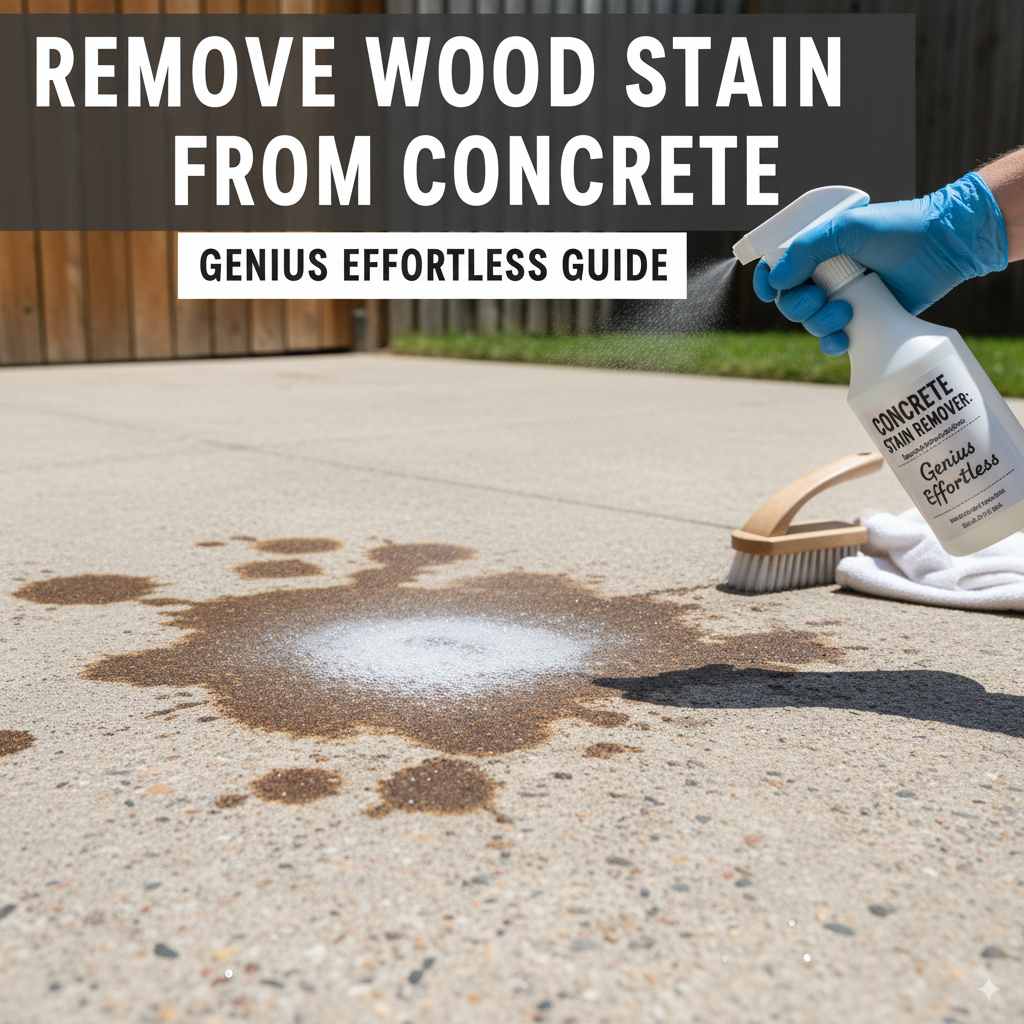
Remove Wood Stain From Concrete: Genius Effortless Guide
Quick Summary: To remove wood stain from concrete effortlessly, start with safer methods like warm water and soap, then progress to specialized concrete cleaners for tougher stains. Always test in an inconspicuous area first and wear protective gear. Patience and the right approach will restore your concrete’s clean look.
Ever notice those unsightly wood stain splotches on your concrete patio or driveway? It’s a common sight, especially after a weekend project or a spill. These stains can really make your outdoor space look messy and unfinished. But don’t worry! Cleaning them up is totally doable, even if you’re new to DIY projects. We’ll guide you step-by-step through simple, effective methods to make those stains disappear. Get ready to see your concrete looking fresh and clean again!
Why Wood Stain Gets on Concrete
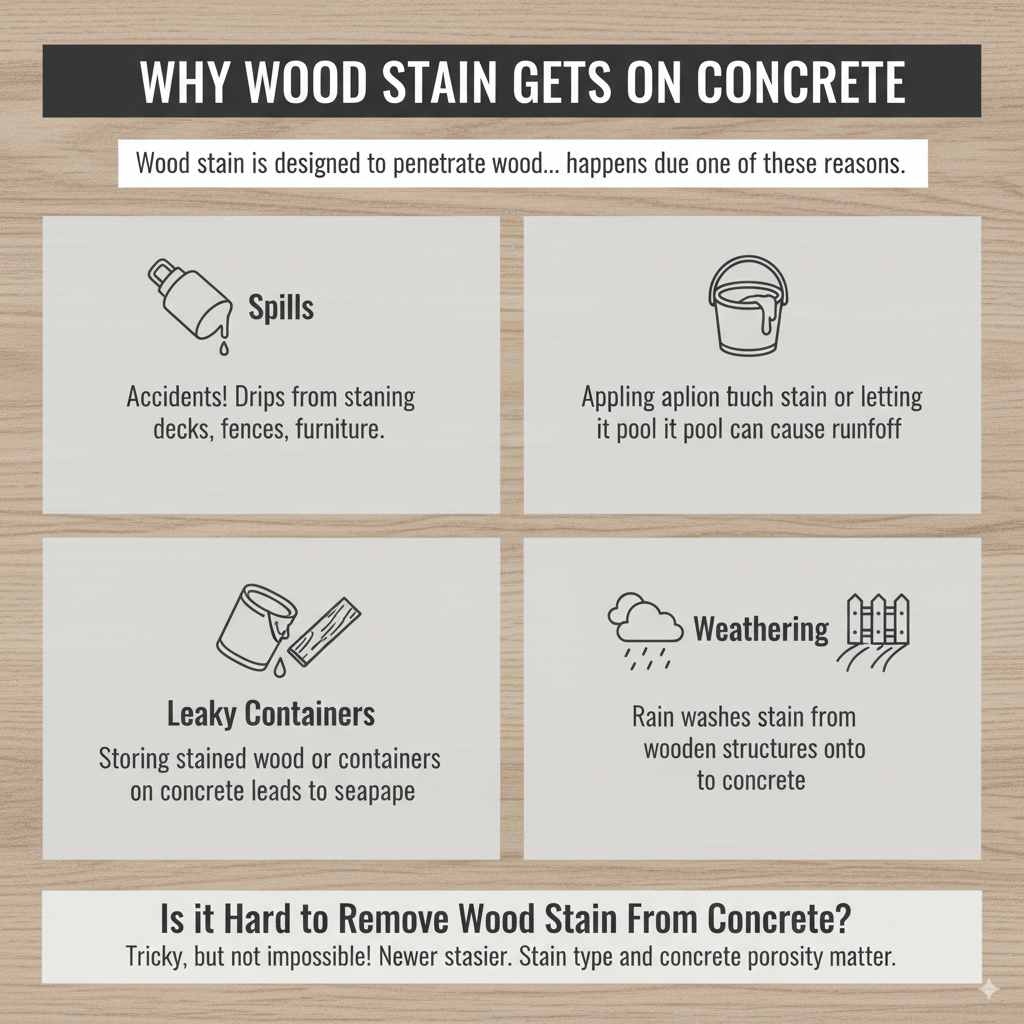
Wood stain is designed to penetrate wood, giving it color and protection. When this happens on concrete, it’s usually due to one of these reasons:
- Spills: Accidents happen! Whether you’re staining a deck, fence, or outdoor furniture, drips and spills can easily land on adjacent concrete surfaces.
- Over-application: Applying too much stain or letting it pool can cause it to run off onto surrounding areas.
- Leaky Containers: Storing stained wood or containers on concrete for extended periods can lead to seepage and staining as the stain dries and is absorbed.
- Weathering: Over time, stain from wooden structures can be washed off by rain and carried onto the concrete, creating runoff stains.
Is it Hard to Remove Wood Stain From Concrete?
It can be a bit tricky, but with the right methods, it’s definitely not impossible! Newer stains are much easier to remove than old, set-in ones. The type of stain and the porosity of your concrete also play a big role. Some stains might lift right off with simple soap and water, while others might need a stronger cleaner or a bit more elbow grease. The key is to start with the gentlest methods and only move to stronger ones if necessary, always protecting yourself and the concrete.
Gathering Your Supplies
Before you start tackling those stains, let’s make sure you have everything you need. Having your supplies ready will make the cleaning process much smoother and more efficient. Think of it like prepping for a big meal – the chopping and measuring upfront make cooking a breeze!
Essential Cleaning Tools
- Stiff-bristled brush: A scrub brush or a wire brush works well for working cleaning solutions into the concrete.
- Bucket: For mixing cleaning solutions and rinsing.
- Hose with spray nozzle: For wetting the area and rinsing away cleaners and residue.
- Rags or old towels: For blotting up excess liquid and wiping surfaces.
- Personal Protective Equipment (PPE): This is super important! We’re talking about gloves (heavy-duty rubber or nitrile), eye protection (safety glasses or goggles), and old clothes you don’t mind getting dirty. If using strong chemicals, a respirator might be a good idea too.
Cleaning Solutions (We’ll cover these in detail!)
You’ll likely need one or more of these:
- Mild dish soap
- Commercial concrete cleaner (alkaline or acidic, depending on the stain)
- Oxygen bleach
- Trisodium Phosphate (TSP)
- Acetone or mineral spirits (for very stubborn, oil-based stains)
Step-by-Step Guide to Removing Wood Stain
Let’s get down to business! We’ll start with the easiest methods and work our way up. Remember to always test any cleaner in a small, hidden spot first to make sure it doesn’t discolor or damage your concrete.
Step 1: Assess the Stain
Take a good look at the stain. Is it fresh or old? What color is the stain? What kind of wood stain was it (water-based or oil-based)? This information can help you choose the best cleaning method. Fresh stains are usually easier to remove.
Step 2: Try the Gentle Approach: Soap and Water
For fresh or lighter stains, this is your first line of defense. It’s safe, cheap, and often effective.
- Wet the area: Thoroughly wet the stained concrete with water from your hose. This prevents the cleaner from drying too quickly and helps dilute the stain.
- Mix a cleaning solution: In your bucket, mix a generous amount of mild dish soap with warm water.
- Scrub: Pour the soapy water onto the stain. Use your stiff-bristled brush to scrub the area vigorously. Work the soap into the stain and try to lift it.
- Rinse: Use your hose to rinse the area completely. If the stain is gone or significantly lighter, you might be done! If not, proceed to the next step.
Step 3: Move to a Stronger Cleaner: Concrete Cleaner or Oxygen Bleach
If soap and water didn’t do the trick, it’s time for something a bit more potent. Commercial concrete cleaners are designed for this, or you can opt for oxygen bleach.
Option A: Commercial Concrete Cleaner
There are two main types of chemical concrete cleaners: alkaline and acidic. Stains like oil, grease, and paint often respond well to alkaline cleaners, while mineral deposits or rust need acid. Wood stain can be tricky; sometimes an alkaline cleaner works best to break down oils, but if the stain has seeped deep, you might need something more. Always follow the manufacturer’s instructions carefully. You can find good concrete cleaners at most home improvement stores.
- Read the label: Make sure the cleaner is suitable for your type of concrete stain.
- Protect yourself: Put on your gloves, eye protection, and old clothes.
- Apply the cleaner: Follow the product instructions for application. Some are sprayed on, others are mixed and applied with a brush.
- Let it work: Allow the cleaner to sit on the stain for the recommended time. Don’t let it dry out.
- Scrub: Use your brush to scrub the stained area.
- Rinse thoroughly: Rinse the concrete completely with water. Repeat if necessary, but be mindful of how often you use strong chemicals on concrete, as overuse can sometimes etch the surface.
Option B: Oxygen Bleach (Sodium Percarbonate)
Oxygen bleach is a more eco-friendly option than chlorine bleach and is effective at lifting organic stains. It works by releasing oxygen when mixed with water. It’s a good choice for general grime and can help with stains like these.
Here’s how to use it:
- Mix the solution: In a bucket, mix about 1/2 cup of oxygen bleach (like OxiClean or a similar powder) with a gallon of warm water. Stir until dissolved.
- Apply: Pour the solution onto the stained concrete.
- Let it dwell: Let the solution sit on the stain for at least 15-30 minutes, keeping the area damp if possible by misting it with water.
- Scrub: Use your stiff brush to scrub the stain.
- Rinse: Rinse the area thoroughly with plenty of water.
Oxygen bleach is generally safer for surfaces and the environment than chlorine bleach, but it’s still a good idea to test in an unseen area. For more information on safe cleaning practices, the Environmental Protection Agency ( EPA’s guidance on cleaning products ) offers valuable advice on choosing and using cleaning supplies safely.
Step 4: Tackling Tougher Stains with TSP or Solvents
For stubborn, old, or deeply penetrated stains, you might need to use more powerful agents. Trisodium Phosphate (TSP) is a heavy-duty cleaner, and solvents like acetone or mineral spirits can break down oil-based stains.
Option A: Trisodium Phosphate (TSP)
TSP is a powerful alkaline cleaner, excellent for removing grease, grime, and stubborn stains. However, it’s a strong chemical and requires careful handling.
- Safety First: Wear heavy-duty rubber gloves, eye protection, and old clothing. Ensure good ventilation. Never mix TSP with bleach or other cleaners.
- Mix the solution: In a bucket, mix about 1/2 cup of TSP with 1 gallon of hot water. Stir until fully dissolved.
- Apply and Scrub: Pour the solution onto the stain and scrub it in with your stiff brush.
- Let it sit: Allow the solution to sit on the stain for about 15-30 minutes.
- Rinse extremely well: TSP residue can harm plants and is slippery. Rinse the concrete thoroughly with clean water. You may need to rinse it multiple times.
Note: In some areas, TSP is regulated due to environmental concerns. Look for TSP substitutes if available and recommended in your region.
Option B: Acetone or Mineral Spirits
These are solvents that can work wonders on oil-based stains, which wood stain often is. They dissolve the stain rather than lifting it through scrubbing action alone.
- Ventilation is Crucial: These are strong-smelling chemicals. Work in a very well-ventilated area or outdoors. Wear gloves, especially nitrile gloves which offer good resistance, and eye protection.
- Small Area Application: Dampen a clean rag with a small amount of acetone or mineral spirits.
- Dab and Blot: Gently dab the stain with the dampened rag, working from the outside of the stain inward to avoid spreading it. You should see the stain transferring to the rag.
- Rinse: Once the stain appears to be lifting, or to remove any residue, rinse the area with a solution of soap and water and then thoroughly with plain water.
Caution: Solvents are flammable. Keep them away from open flames or sparks. They can also discolor or damage certain painted or sealed concrete surfaces, so test in an inconspicuous spot first.
Step 5: Dealing with Persistent Stains
If after trying these methods, a faint shadow of the stain remains, you might have a stain that has deeply penetrated the concrete’s pores. Here are a few more advanced options:
- Poultice Method: A poultice is a paste that absorbs stains from porous materials. You can make one by mixing an absorbent material (like diatomaceous earth, kaolin clay, or even baking soda) with a cleaning agent (like hydrogen peroxide for organic stains, or a commercial concrete cleaner). Apply the paste to the stain, cover it with plastic wrap, and let it dry completely (usually 24-48 hours). As it dries, it draws the stain out. Scrape off the dried paste and rinse.
- Pressure Washing: A pressure washer can be very effective, especially for older stains. However, use with caution! Start with a lower pressure setting and a wide fan nozzle. Holding the nozzle too close or using too much pressure can etch or damage the concrete surface. For more on safe pressure washing, consider resources like ASME standards for pressure washers (though this link is technical, it highlights safety concerns).
- Concrete Etching: For very deep, set-in stains that haven’t responded to anything else, a mild acid wash or concrete etching product might be considered. This is a more aggressive method that essentially removes a very thin top layer of the concrete. It’s best left to experienced DIYers or professionals, as it can permanently alter the surface appearance or texture if done incorrectly. Always follow product instructions and safety guidelines rigorously.
Preventing Future Wood Stain Stains
The best way to deal with wood stain on concrete is to prevent it from happening in the first place. Here are some tips:
- Work on a Drop Cloth: Always place a heavy-duty tarp or drop cloth under your staining area to catch any drips.
- Wipe Up Spills Immediately: Don’t let spills sit. The sooner you wipe them up with absorbent rags, the less chance they have to stain.
- Use a Stain Pan: If staining a deck or fence, use a stain pan with a roller system to minimize drips.
- Store Stained Items Carefully: If you’re drying stained wood or putting away stained items, ensure they don’t leak onto your concrete. Place them on risers or secure containers.
- Seal Your Concrete: Applying a good quality concrete sealer can make your concrete less porous, making it much harder for stains to penetrate and easier to clean if they do occur.
Choosing the Right Cleaning Product: A Quick Comparison
Here’s a table to help you decide which cleaner might be best for your situation:
| Cleaning Agent | Pros | Cons | Best For |
|---|---|---|---|
| Mild Dish Soap | Safe, inexpensive, readily available, eco-friendly. | Less effective on old or deep stains. | Fresh spills, light stains. |
| Oxygen Bleach | Environmentally friendlier than chlorine bleach, effective on organic stains. | May require multiple applications for tough stains. | General grime, organic stains, moderately fresh stains. |
| Commercial Concrete Cleaner (Alkaline) | Formulated for concrete, powerful against grease and oil. | Can be harsh, requires protective gear, potential environmental impact. | Oil-based stains, heavy grime. |
| Trisodium Phosphate (TSP) | Very strong alkaline cleaner, effective on tough grease and grime. | Very strong, requires significant caution and PPE, potential environmental concerns. | Deeply set, stubborn stains. |
| Acetone/Mineral Spirits | Solvents that dissolve oil-based stains effectively. | Flammable, strong fumes, requires good ventilation and PPE, can damage seals/paint. | Oil-based wood stains. |
Frequently Asked Questions (FAQ)
Q1: Will bleach remove wood stain from concrete?
While chlorine bleach can lighten some stains, it’s not always the most effective for wood stain and can be harsh on concrete and the environment. Oxygen bleach is often a safer and more effective alternative for lifting these types of stains.
Q2: How long does it take to remove wood stain from concrete?
This varies greatly! Fresh, light stains might come off in minutes with soap and water. Older, deeper stains, or those treated with strong chemicals or poultices, could take several hours or even a couple of days for the product to work and for you to rinse and repeat.
Q3: Can I use a scrub brush on my stained concrete?
Yes, a stiff-bristled brush is your best friend for this task. A wire brush can be more aggressive but be careful not to scratch or damage the concrete surface, especially if it’s sealed or finished.
Q4: What if the stain is still there after I try everything?
If a faint stain persists, it may have penetrated very deeply. Consider the poultice method or, as a last resort for very persistent stains, professional cleaning or mild concrete etching. Always weigh the effort against the visual impact.
Q5: Is it safe to pour cleaning solutions down the drain?
For mild solutions like soap and water or diluted oxygen bleach, this is usually fine. However, strong chemicals like TSP or solvents should be disposed of according to local regulations. Check with your local waste management authority. Never pour large quantities of chemicals directly into storm drains, as they can pollute waterways.
Q6: Does sealing my concrete help prevent wood stain from setting?
Absolutely! A good quality concrete sealer creates a protective barrier that makes the surface less porous. This means spills are less likely to soak in, making them easier to wipe away before they become stubborn stains.
Final Thoughts: Bringing Your Concrete Back to Life
Removing wood stain from concrete might seem daunting, but by following these steps, you’ve got a clear path to a cleaner surface. Remember to work patiently, start with gentler methods, and always prioritize safety by wearing your protective gear. We’ve armed you with everything from simple soap and water to more robust solutions like TSP and solvents, along with smart prevention tips.
Seeing those unsightly splotches disappear can be really satisfying. With a little effort and the right approach, your concrete will look great again, ready for you to enjoy your outdoor space. Don’t be afraid to tackle this task; you’ve got this!