Your Guide to Using Behr Semi-Transparent Wood Stain
Behr Semi-Transparent Wood Stain is a water-based exterior stain that lets wood grain show through while protecting against sun and rain, rated by Behr for roughly 6 years on decks and 8 years on fences. It comes in 60+ colors, cleans up with soap and water rather than mineral spirits, and covers about 300 square feet per gallon. Here’s the real prep and application process, plus where it falls short.
What Behr Semi-Transparent Wood Stain Is
Apply It Right the First Time
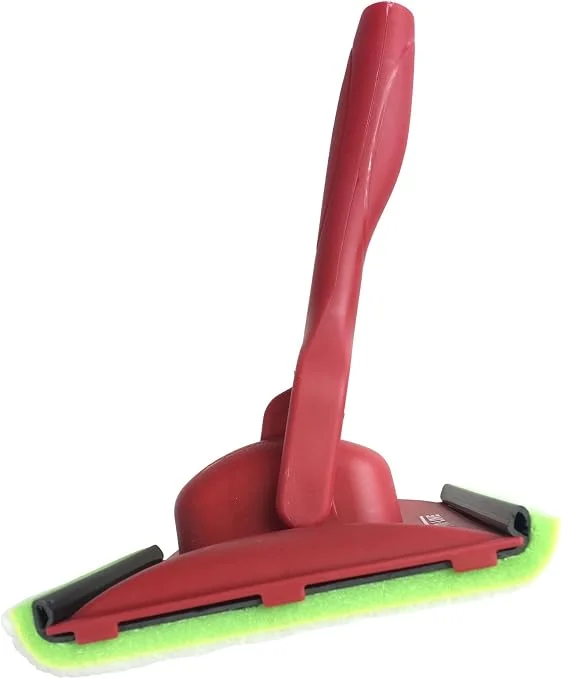 |
Shur-Line Deck Stain Pad with Groove Tool Behr is sold exclusively at Home Depot, not on Amazon – this is the applicator worth pairing with it, since it stains flat boards and the gaps between them in one pass.
|
“Semi-transparent” describes how much of the wood’s natural grain and color variation still shows through the stain, as opposed to a solid-color stain that fully hides the wood underneath like paint. It’s a water-based formula, which is why it cleans up with soap and water instead of mineral spirits – a real practical advantage over oil-based alternatives when it comes to brush cleanup and disposal.
Tools and Materials Needed
- Behr Semi-Transparent Wood Stain (1 gallon covers approximately 300 square feet)
- A paintbrush or roller for small areas, or a sprayer for large decks
- Sandpaper for smoothing rough spots
- A wood cleaner formulated for exterior use, to strip dirt and old finish before staining
- A tarp or drop cloth to protect surrounding grass or patio surfaces
Step-by-Step Application
Step 1: Clean the Wood
Old finish, dirt, and mildew all interfere with stain adhesion. Scrub the surface with an exterior wood cleaner and a stiff brush, rinse thoroughly with a hose, and let the wood dry completely – typically a full day in normal conditions – before staining. Skipping or rushing this step is the single most common reason a new coat of stain peels early.
Step 2: Sand Rough Spots
Smooth any rough or splintering areas with sandpaper, working with the grain. This helps the stain absorb evenly and matters most on high-traffic areas like stair treads and railings where splinters are a real hazard.
Step 3: Pick and Test a Color
Behr’s semi-transparent line includes 60+ colors, from natural cedar and redwood tones to grays. Always test a color on an inconspicuous spot or scrap board first – stain color can look noticeably different on the actual wood species being used than it does on the store’s sample chip, since the wood’s own underlying color and grain show through.
Step 4: Apply the Stain
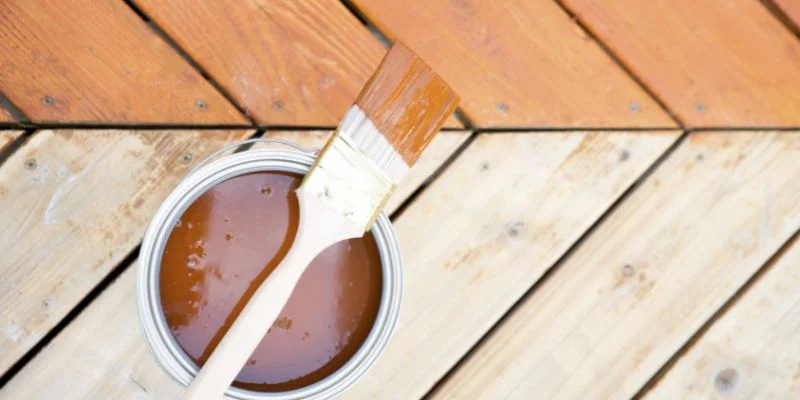
Use a brush or roller for railings and small areas; a sprayer speeds up large deck surfaces significantly. Apply a thin, even coat and let it dry 2-3 hours before deciding whether a second coat is needed. A second thin coat generally gives better protection and a more even finish than trying to achieve full coverage with one heavy coat, which is more likely to look blotchy or plasticky.
Step 5: Clean Up
Wash brushes and rollers with soap and water while the stain is still wet – this is one of the real advantages of a water-based formula over an oil-based one, which requires mineral spirits. Store any leftover stain in a cool, dry place, sealed tightly, for touch-ups later.
Benefits
The main appeal is that it protects against UV and moisture damage while letting the wood’s actual grain and character stay visible, rather than hiding it under an opaque coating. The rated 6-year (deck) and 8-year (fence) lifespan is respectable for a semi-transparent product, and soap-and-water cleanup is a genuine convenience advantage over oil-based competitors.
Drawbacks
Applied too heavily, it can look thick and plasticky rather than soaking into the wood the way a thinner coat does. Some users report peeling within a year, which almost always traces back to inadequate surface prep rather than a flaw in the product itself. At around $39 per gallon, it also sits at the higher end of the semi-transparent stain category compared to several competing brands.
How It Compares to Other Stain Types
| Feature | Behr Semi-Transparent | Oil-Based Stain | Solid-Color Stain |
|---|---|---|---|
| Shows wood grain | Yes | Yes | No |
| Rated durability | ~6 years (decks) | ~4-5 years | ~8-10 years |
| Cleanup | Soap and water | Mineral spirits | Soap and water |
Solid-color stains last longer precisely because they form more of a continuous film, similar to paint – the tradeoff is that they hide the wood grain entirely rather than letting it show through. Oil-based semi-transparent stains penetrate slightly deeper into the wood in some cases, but need mineral spirits for cleanup and generally have a shorter rated lifespan than Behr’s water-based formula.
Wood Species and How They Take Stain Differently
How a semi-transparent stain looks on the finished project depends heavily on what wood is underneath it, since the stain is translucent by design rather than opaque. Cedar and redwood both have warm natural tones that layer nicely under most Behr colors, which is part of why those species are so commonly paired with semi-transparent finishes. Pressure-treated pine, the most common deck material, has a cooler, greener undertone right after installation that can shift a stain’s color noticeably compared to how the same can looks on cedar – this is exactly why testing on the actual wood species being used matters more than trusting the paint chip. Older, weathered wood that has gone gray from UV exposure needs a thorough cleaning (and sometimes a wood brightener) before staining, since graying is surface degradation that a stain alone won’t reverse or hide.
Weather Conditions That Affect the Finish
Temperature and humidity both matter more than most first-time stainers expect. Behr recommends staying within a moderate temperature range, generally avoiding application below 50°F or above 90°F – too cold and the stain won’t cure properly, too hot and it can dry on the surface before it has time to soak in, leaving lap marks where wet and dry edges overlap. Direct, intense afternoon sun causes the same fast-drying problem even at a reasonable ambient temperature, which is why many experienced painters work in the shade side of a deck in the morning and follow the sun around rather than staining a whole surface at once in full sun. Rain within the first 24-48 hours after application can wash out an uncured coat entirely, so checking the forecast before starting, and planning a full dry window rather than just the application day, is worth the five minutes it takes.
Common Mistakes to Avoid
- Skipping the cleaning step. This is the single biggest cause of early peeling.
- Applying too thick a coat. A heavy coat looks more like paint than stain and takes far longer to dry evenly.
- Staining in direct sun or high heat. The stain can dry too fast to absorb properly, leading to lap marks and uneven color.
- Skipping the color test. Stain color reads differently on different wood species and grain patterns than it does on a paint-chip sample.
Frequently Asked Questions
What is Behr Semi-Transparent Wood Stain made of?
It’s a water-based exterior stain formulated to soak into wood while still letting the grain show through, unlike a solid-color stain that hides the wood entirely.
How long does Behr Semi-Transparent Wood Stain last?
Behr rates it for roughly 6 years on decks and 8 years on fences, though actual lifespan depends heavily on surface prep, sun exposure, and local climate.
Can I use it on outdoor furniture?
Yes – it works on outdoor furniture like tables and chairs the same way it does on decks and fences. Clean and sand the piece first, and use thin coats to keep the wood grain visible.
What if the stain goes on too thick?
Sand the area lightly and apply a thinner coat over it. Following the can’s stated coverage rate (about 300 sq ft per gallon) is the best way to avoid over-application in the first place.
How do I remove Behr Semi-Transparent Stain?
A dedicated deck stain stripper combined with a pressure washer is the standard approach, followed by sanding any remaining spots and a full re-clean before restaining.
Is it safe for pets and kids once dry?
Yes, once fully dry (typically 24-48 hours). Keep pets and children off the surface while it’s still wet, and always check the product label for specific safety guidance.
Conclusion
Behr Semi-Transparent Wood Stain is a solid, easy-to-clean-up option for anyone who wants the wood’s grain to stay visible rather than hidden under a solid color. Its real weak point isn’t the product itself but skipped prep work – thorough cleaning, light sanding, and thin coats are what actually determine whether it lasts the rated 6-8 years or peels within a season.
Sponsored / affiliate links. As an Amazon Associate I earn from qualifying purchases. I may earn additional commission from eligible campaigns.