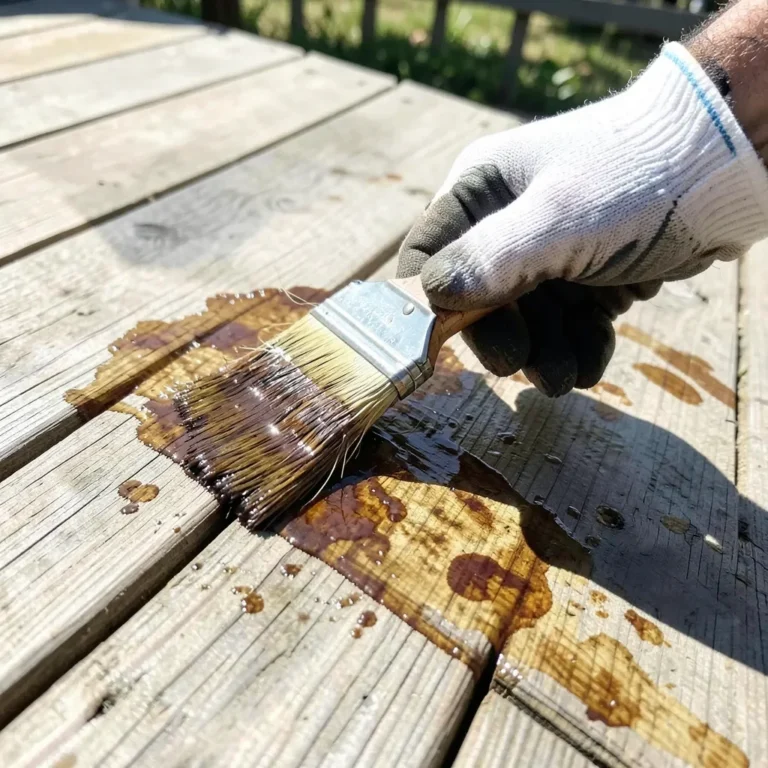
Stain vs. Seal Pressure-Treated Wood: Which One Should You Use?
Semi-transparent stain adds color and UV protection; clear sealer just repels water — pick stain for looks, sealer for pure protection, rarely both. Coating pressure-treated wood before it dries below 15% moisture causes peeling, and modern ACQ lumber is often ready in 2-6 weeks, not the outdated 6-month rule. This guide compares stain, sealer, and combo products so you know exactly which one your deck or fence needs.
Quick Answer
Use semi-transparent stain if you want color plus UV protection. Use a clear water-repellent sealer if you want the natural look with just water protection. Use a stain-and-sealer combo (like Ready Seal) if you want both in one coat. Wait until the wood tests below 15% moisture — usually 2-6 weeks for modern ACQ lumber — before applying any of them.
Pressure-treated Wood Basics
Best Deck Stain Pick
Restore-A-Deck Semi-Transparent Wood Stain
Penetrating oil-based stain built for pressure-treated decks, fences, and siding — lets the grain show through the color.
- Best for: decks where you want a specific tone and UV protection
- Why we picked it: penetrating formula matches the semi-transparent category compared in this guide
- Main drawback: needs reapplying roughly every 2-3 years in full sun
Compare more stain, sealer & combo options
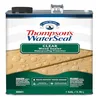 Clear Sealer Thompson’s WaterSeal Clear Wood Sealer
|
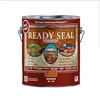 Combo Product Ready Seal Stain & Sealer Combo
|
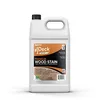 Combo Product SaverSystems Stain & Sealer in One
|
As an Amazon Associate we earn from qualifying purchases.
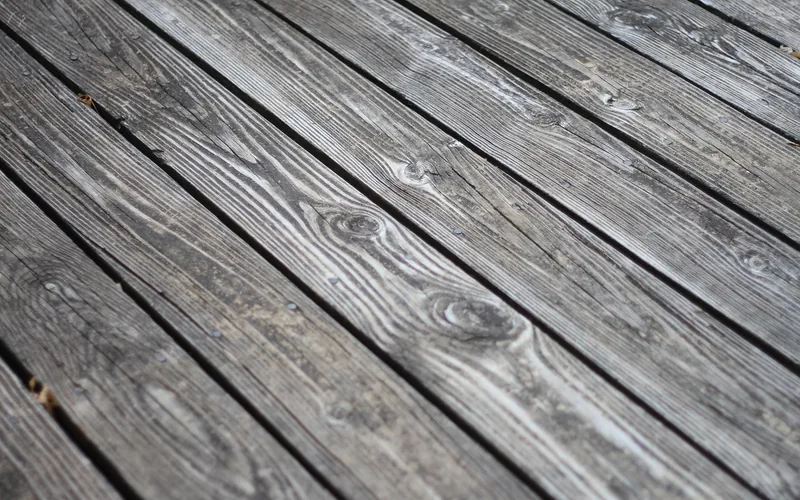
Pressure-treated wood is lumber infused under pressure with a wood preservative — almost always ACQ (alkaline copper quaternary) or MCQ (micronized copper quaternary) since the older CCA treatment was phased out for residential use. The preservative stops rot, fungal decay, and insect damage, but it does nothing to stop the wood from soaking up water or fading under UV light. That’s the job of a topcoat — stain, sealer, or a combo product — applied once the lumber has dried out enough to accept it.
Freshly delivered pressure-treated boards are often still wet from the treatment process. Coating them too early is the single most common reason a finish peels within the first year, which is why timing (covered in detail below) matters more than which product you pick.
Benefits Of Staining
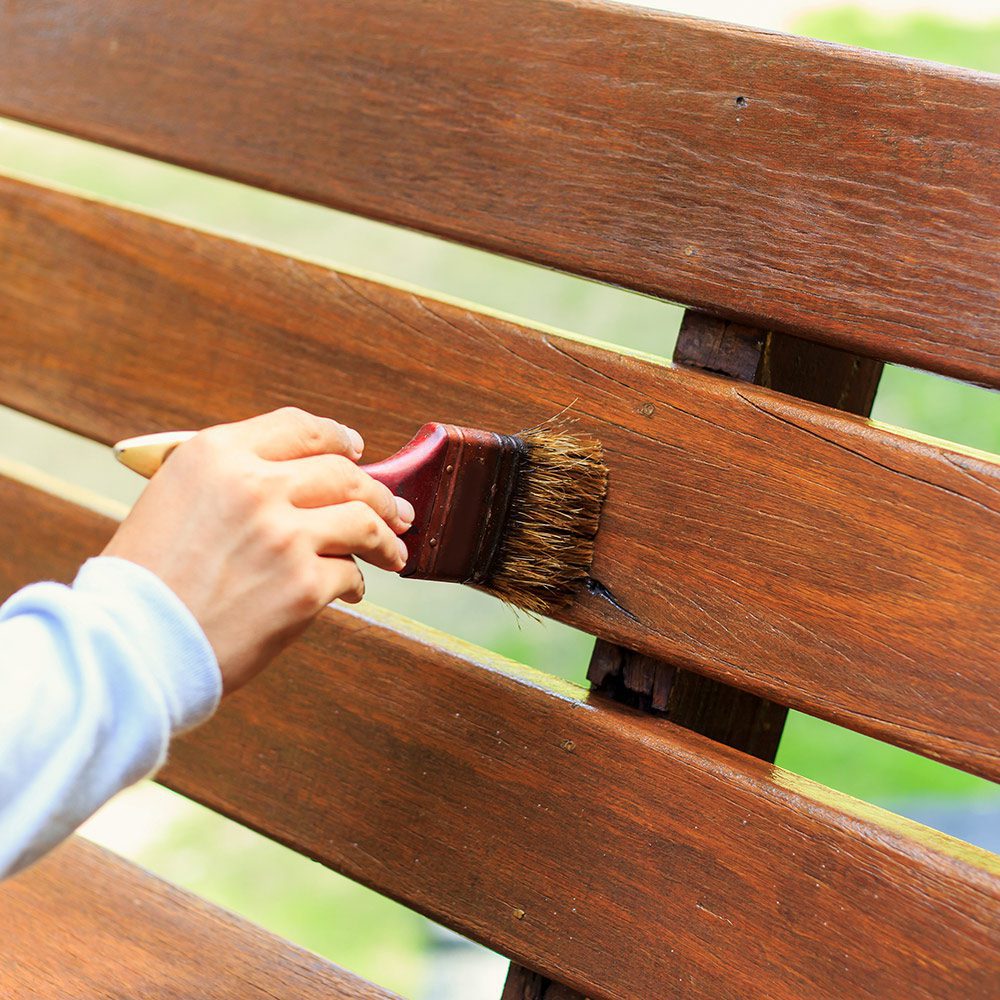
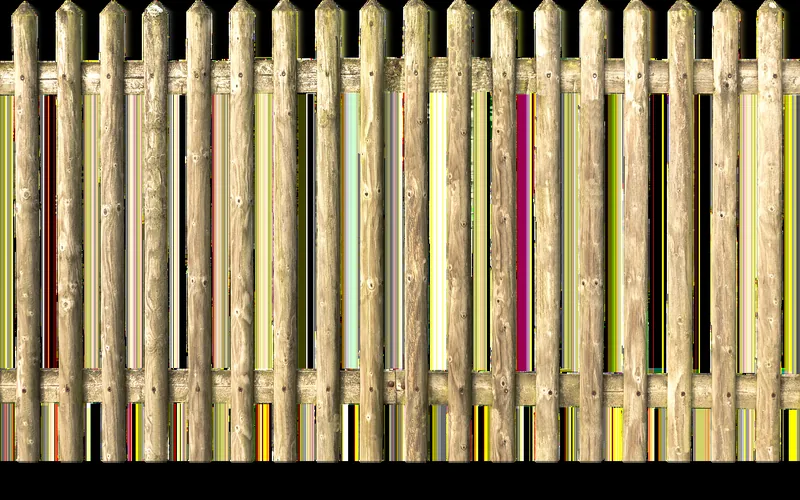
Semi-transparent stain adds pigment while still letting the wood grain show through, so you get color without hiding the texture underneath. Most exterior stains also carry some UV inhibitors, which matters because sunlight — not rain — is usually what fades pressure-treated wood first.
Because stain penetrates the wood fiber rather than sitting on top of it, it resists peeling better than a film-forming paint. It does still need reapplying, typically every 2-3 years on a deck that gets full sun, sooner on horizontal surfaces than vertical fences.
Advantages Of Sealing
A clear water-repellent sealer creates a barrier against moisture without adding pigment, so the wood keeps its natural (eventually silvery-gray) look. Keeping wood dry extends its lifespan, since wet-dry cycling is what causes cracking, cupping, and mold.
Sealer also resists mold and mildew growth better than an unfinished board, since it keeps moisture from sitting in the wood fibers where fungus needs it to grow.
If sealing — not staining — is your actual goal, our dedicated guide on sealing treated wood covers the full moisture-testing and maintenance walkthrough in more depth than we can here.
Comparing Stain And Seal
Stain and sealer solve different problems, which is why “which lasts longer” isn’t really the right question — it’s “which problem do you have.” The table below breaks down color, protection type, and best use case for all three options, including the combo product that does both in one coat.
| Product Type | Color | Protection | Best For |
|---|---|---|---|
| Semi-transparent stain | Adds tone, grain still shows | Some UV resistance + light water resistance | Decks/fences where you want a specific color |
| Clear water-repellent sealer | None to near-none | Strong water repellency, little UV protection | Fresh ACQ lumber, natural-look decks |
| Stain-and-sealer combo | Adds tone | UV + water protection in one coat | One-step color and protection, less reapplication hassle |
On cost, pressure-treated lumber is already the cheaper base material; the finish you put on top is a separate, ongoing expense either way, so budget for reapplication whichever product you choose.
Factors Influencing Choice
Climate matters most. Rainy, humid regions favor a sealer or combo product for the extra water resistance. Sunny, dry regions get more value from a stain’s UV protection. In cold climates with real freeze-thaw cycling, either product needs to fully cure before the first frost.
Surface matters too — a deck or railing that gets foot traffic and direct sun benefits from stain’s tougher, pigmented finish, while a privacy fence that just needs to stay dry is a good candidate for a plain clear sealer.
Preference is the last factor: some people want the wood to look untouched, which is what a clear sealer delivers; others want a specific color, which only stain or a combo product can give.
Expert Tips For Application
Preparation and timing determine whether a finish lasts three years or peels in one. These are the same steps whether you choose stain, sealer, or a combo product.
Proper Preparation Techniques
Clean the wood with a wood cleaner to remove mill glaze, dirt, and any residue from the treatment process, then let it dry fully. Lightly sand rough spots so the finish can bond instead of sitting on a glazed surface, and check for splinters or raised grain before you start.
Timing And Weather Conditions: How Long To Wait Before Finishing
Don’t go by the calendar alone. Confirm the wood is actually ready with the water-bead test: sprinkle water on the surface — if it beads up, keep waiting; if it soaks in within about 10 minutes, it’s ready. A moisture meter reading at or below 15% on the surface (and under 20% a quarter-inch deep) is the more precise confirmation professionals use.
📊 Modern ACQ-treated lumber is typically ready to finish in 2-6 weeks under warm, dry conditions — and can take up to 3 months in humid climates. The old “wait 6 months to a year” advice was written for the CCA-treated lumber phased out for residential use in 2003; today’s ACQ/MCQ lumber dries faster. — Source: Ready Seal manufacturer application guidelines, 2026
“New pressure-treated lumber requires a minimum of one month dry time, with two to three months of aging recommended, depending on temperature, surface porosity, humidity, and geographic location, to adequately absorb the coating.”
Tools And Materials Needed
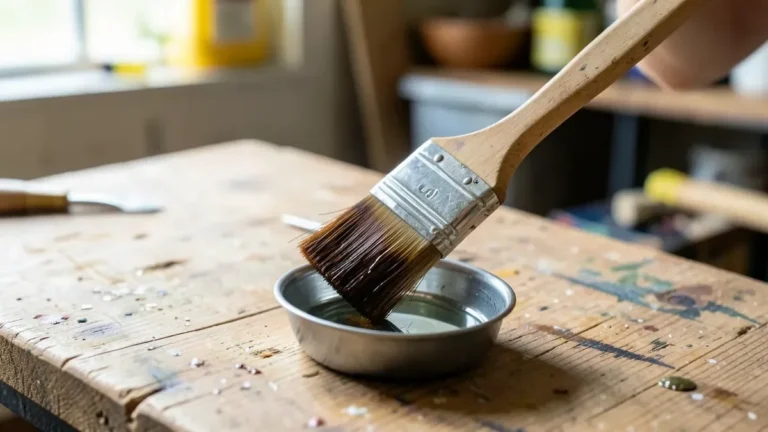
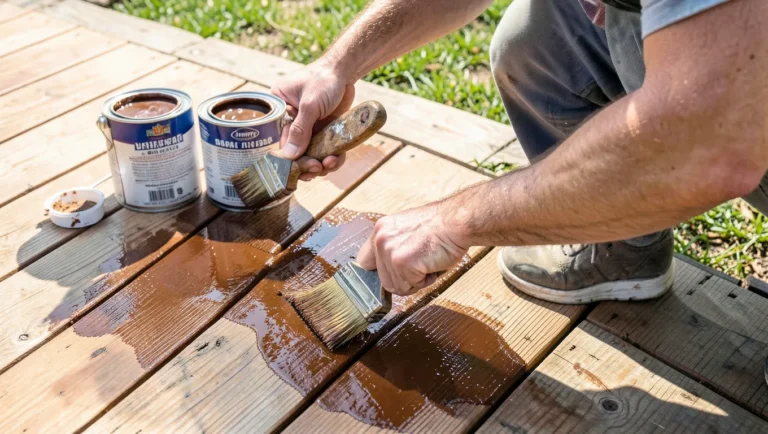
A brush, roller, or pump sprayer will all work — a brush gives the most control on railings and edges, while a sprayer covers open deck boards faster. Use a paint tray for even loading, read the product label for coverage rate and dry time, and wear gloves and eye protection while working.
Common Mistakes To Avoid
Applying too much product in one coat is the most common mistake. A heavy, pooling layer won’t cure properly and can turn sticky or peel within months — thin, even coats absorb better and actually last longer than one thick one.
Skipping cleanup is the second. Dirt, mildew, or old paint left on the surface blocks absorption no matter how good the product is. Sand and clean first, every time.
The third is layering sealer under stain “just in case” — this is the mistake this guide exists to prevent. Sealer closes the pores stain needs; apply one or the other, or use a combo product built to do both.
Frequently Asked Questions
How long should you wait before staining pressure-treated wood?
Modern ACQ-treated lumber is usually ready in 2 to 6 weeks in warm, dry conditions, and up to 3 months in humid climates — not the 6 months older guides recommend. Confirm it with the water-bead test (if water soaks in within 10 minutes, it’s ready) or a moisture meter reading below 15%.
Can you stain and seal pressure-treated wood at the same time?
Not with two separate products — sealer blocks the pores stain needs to penetrate, so layering both back-to-back wastes the second product and can cause peeling. If you want color and water protection together, use a combined stain-and-sealer product like Ready Seal instead of applying two coatings.
Is sealer or stain better for a pressure-treated deck?
Clear sealer is better when you want to keep the wood’s natural color and just block moisture. Semi-transparent stain is better when you also want UV protection and a specific tone. Sealer typically needs reapplying every 1-2 years; stain every 2-3 years, depending on sun exposure.
What is a stain-and-sealer combo product?
A combo product, such as Ready Seal or SaverSystems’ stain-and-sealer-in-one, blends pigment with a water-repellent resin in a single coat. It saves a step compared to sealing and staining separately, though its UV protection and lifespan usually land between a dedicated stain and a dedicated sealer.
How do you know if pressure-treated wood is dry enough to finish?
Sprinkle water on the surface — if it beads up, the wood is still too wet; if it soaks in within about 10 minutes, it’s ready. A moisture meter reading of 15% or lower at the surface confirms it, and readings should stay under 20% a quarter-inch deep.
What should never be done with pressure-treated wood?
Never burn pressure-treated wood — it releases toxic fumes from the preservative chemicals. Don’t use it for cutting boards, food-contact surfaces, or garden beds touching edible plants, and don’t sand it without a dust mask, since the dust contains the same preservative.
What’s the best way to protect pressure-treated wood long-term?
Let it dry fully before finishing, then apply a stain, sealer, or combo product suited to your climate and desired look. Reapply on schedule (every 1-3 years depending on the product), keep the wood elevated off soil contact, and ensure good drainage so water doesn’t pool against it.
Conclusion
Stain and sealer aren’t competing for the same job — stain gives you color plus some UV protection, sealer gives you pure water resistance with a natural look, and a combo product gives you both in one coat. Pick based on the look you want and your climate, not on which one is technically “stronger.”
Whichever you choose, confirm the wood is actually dry — below 15% moisture, usually 2-6 weeks for modern ACQ lumber — before the first coat goes on. That single step matters more than the product you pick.
Sponsored / affiliate links. As an Amazon Associate I earn from qualifying purchases. I may earn additional commission from eligible campaigns.