Can You Stain Rubberwood? Yes, With a Conditioner First
Yes, rubberwood takes stain well – but ask anyone who has stained a rubberwood table and ended up with dark, patchy blotches around the legs and joints, and the honest answer is “yes, with the right prep.” Rubberwood, also sold as parawood, is a moderately dense, fine-grained hardwood from the rubber tree, but its density is not perfectly uniform from board to board, since the tree spends years producing latex before it is ever cut for lumber. That uneven density is exactly what causes blotching, the same mechanism that makes pine, birch, and poplar notoriously blotch-prone under stain. A pre-stain wood conditioner (or a gel stain, which sits on the surface instead of soaking in) is the standard fix, and it is the difference between a professional-looking result and a splotchy one.
Does Rubberwood Take Stain Well?
Rubberwood accepts stain readily, and its fine, light grain shows color well once it is applied correctly. The catch is absorption consistency, not the wood’s willingness to take color. Left unconditioned, rubberwood absorbs oil-based stain unevenly around end grain, glue joints, and areas of denser figure, producing the blotchy look people associate with “problem” woods. Prepping the surface first turns that inconsistency into an even, predictable finish.
Best Pre-Stain Conditioner for Rubberwood
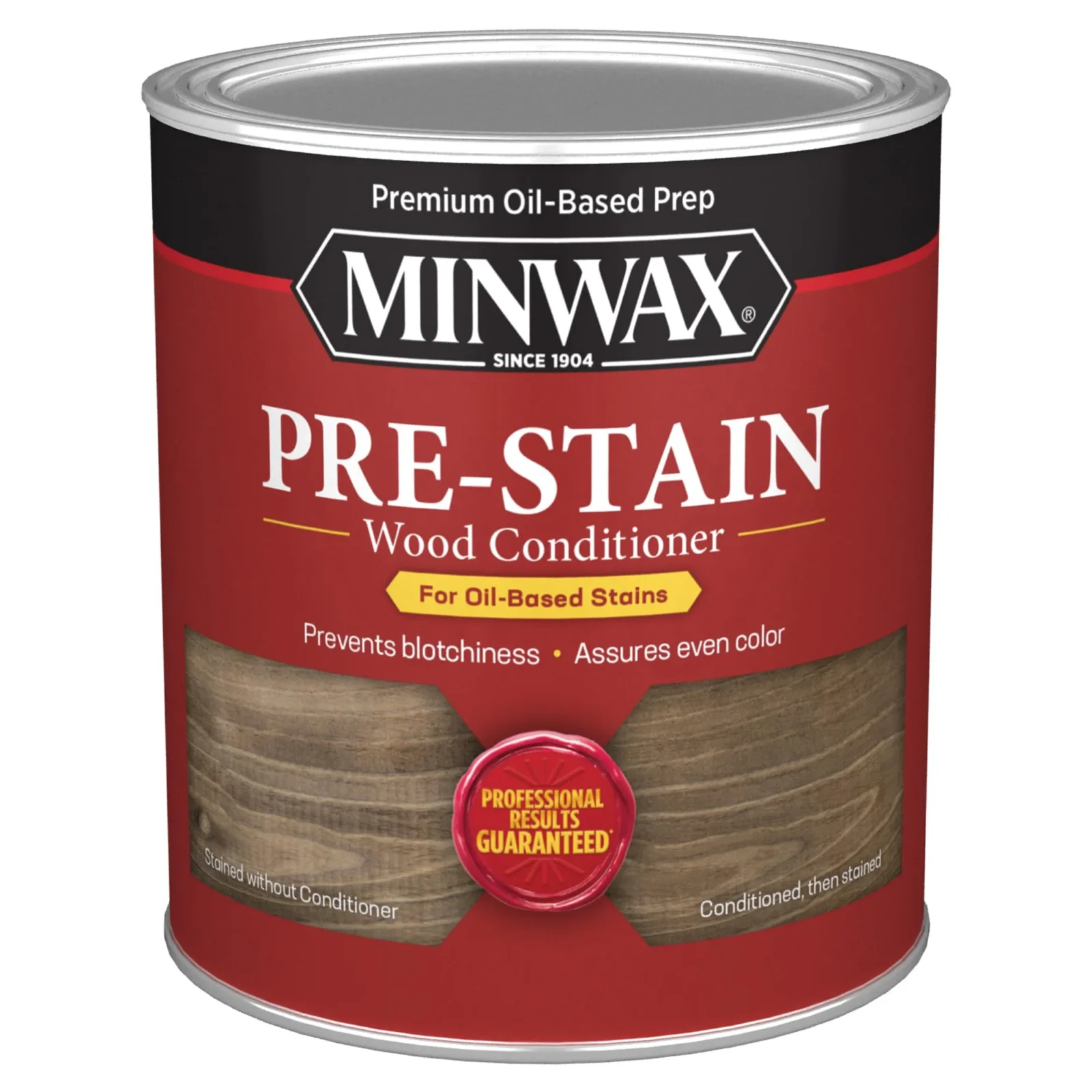 |
Minwax Pre-Stain Wood Conditioner, Clear, 1 Quart – from $21 Evens out oil-based stain absorption on porous woods like rubberwood, so color goes on consistently instead of blotching around joints and end grain.
|
Why Rubberwood Blotches Under Stain
Rubberwood is harvested from trees grown primarily for latex, so the lumber that eventually reaches a mill has spent decades under a very different growing regimen than a tree planted purely for timber. That history shows up as small variations in density across a single board, and sometimes across a single piece of furniture built from several boards. Denser patches absorb less stain and stay lighter, while softer, more porous patches soak up more stain and turn darker. On their own, none of those patches are a problem; side by side under a wet stain, they read as blotching.
A pre-stain wood conditioner works by partially sealing the wood’s pores before the stain ever touches the surface. It does not stop absorption entirely, it just evens it out, so the denser and more porous areas end up taking on color at a closer, more consistent rate. Applied correctly, roughly 15 to 30 minutes before staining and wiped off before it dries tacky, it is the single most effective fix for rubberwood’s blotching tendency with an oil-based stain.
Choosing a Stain: Oil-Based, Water-Based, or Gel
Not every stain behaves the same way on rubberwood, and the choice matters as much as the conditioning step. Oil-based stains penetrate the wood and give the deepest, richest color, and they are what most pre-stain conditioners are formulated for. They take longer to dry between coats, but they hold up well over time. Water-based stains dry fast and clean up easily, but they raise the wood grain and are more prone to blotching, even over a conditioned surface, so they are the least forgiving choice for rubberwood specifically. Gel stains are the outlier: instead of soaking into the wood, they sit on top of it like a thin, tinted paint, which sidesteps the absorption problem almost entirely and makes them a reliable option on rubberwood even without conditioning first.
| Stain Type | Blotch Risk on Rubberwood | Drying Time |
|---|---|---|
| Oil-based (with conditioner) | Low | Slow, 6-8 hours between coats |
| Water-based | Highest | Fast, 1-2 hours between coats |
| Gel stain | Very low | Medium, 2-4 hours between coats |
Step-by-Step: How to Stain Rubberwood Without Blotching
- Clean the surface. Wipe down the piece with a damp cloth to remove dust, grease, and any factory residue.
- Sand with the grain. Work up to 220-grit sandpaper, always sanding in the direction of the grain, since cross-grain scratches show clearly once stain highlights them.
- Remove all sanding dust. Vacuum, then wipe with a tack cloth. Dust left behind gets trapped under the conditioner and shows up as a rough patch.
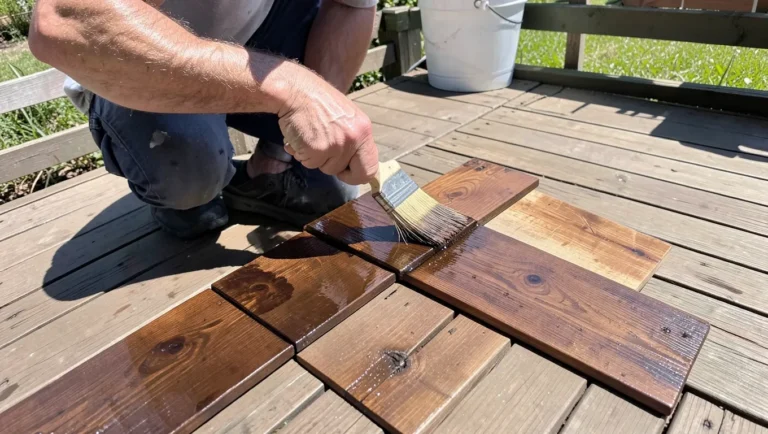
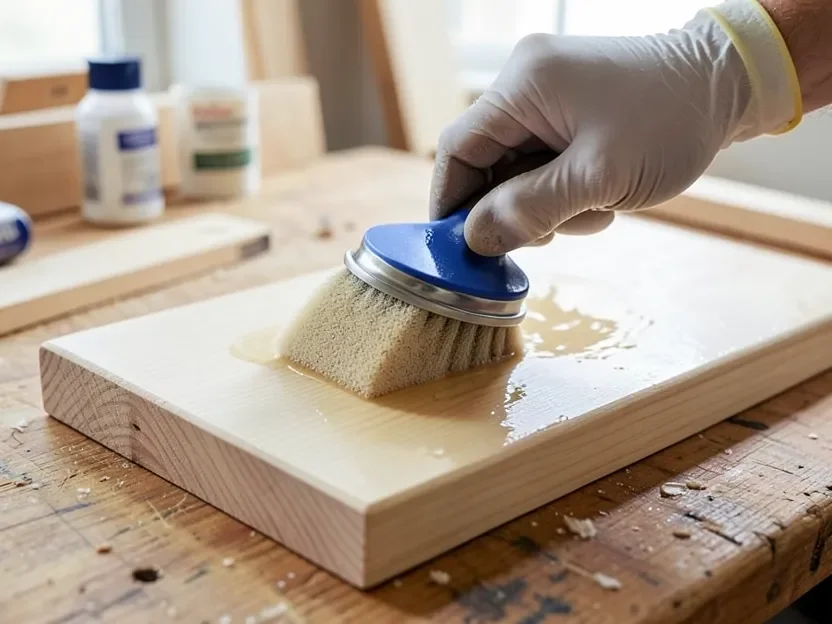
- Apply pre-stain wood conditioner. Brush or wipe it on generously with the grain and let it penetrate for 15-30 minutes.
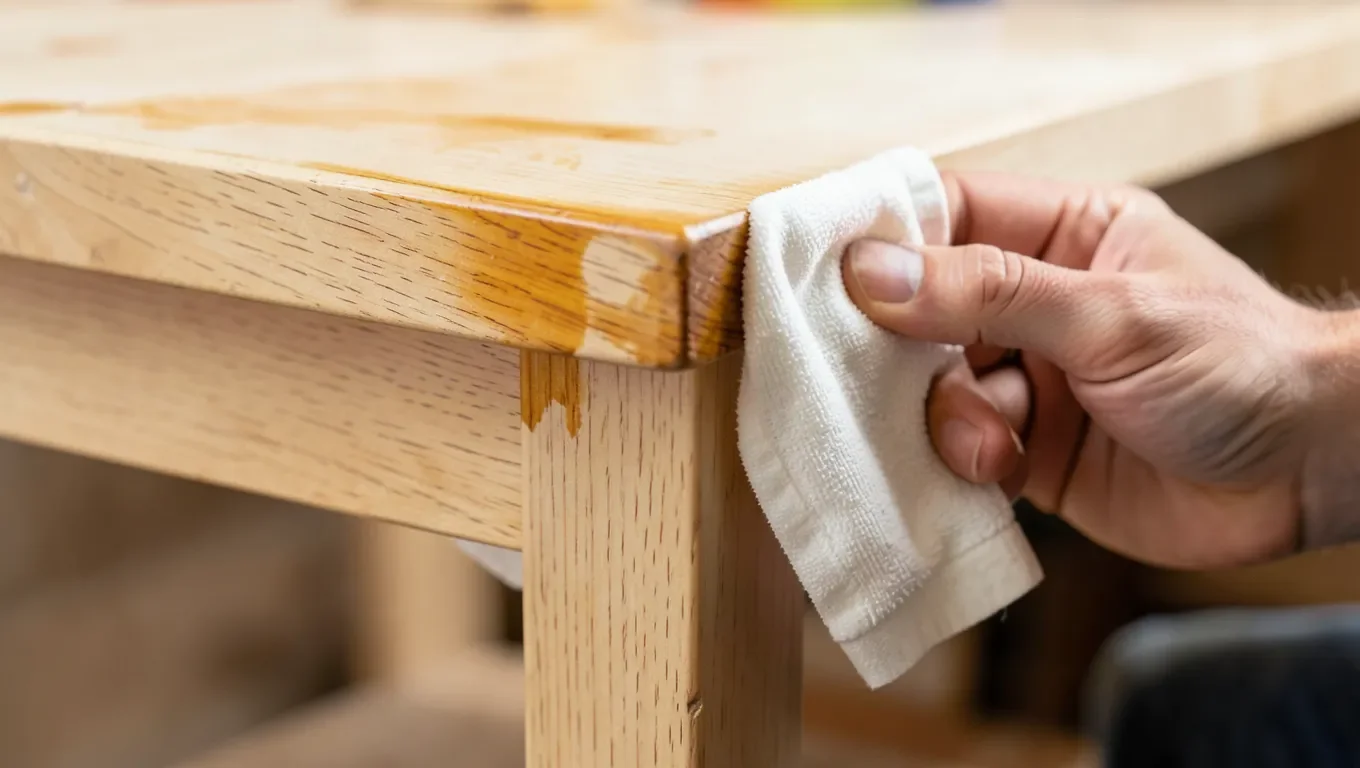
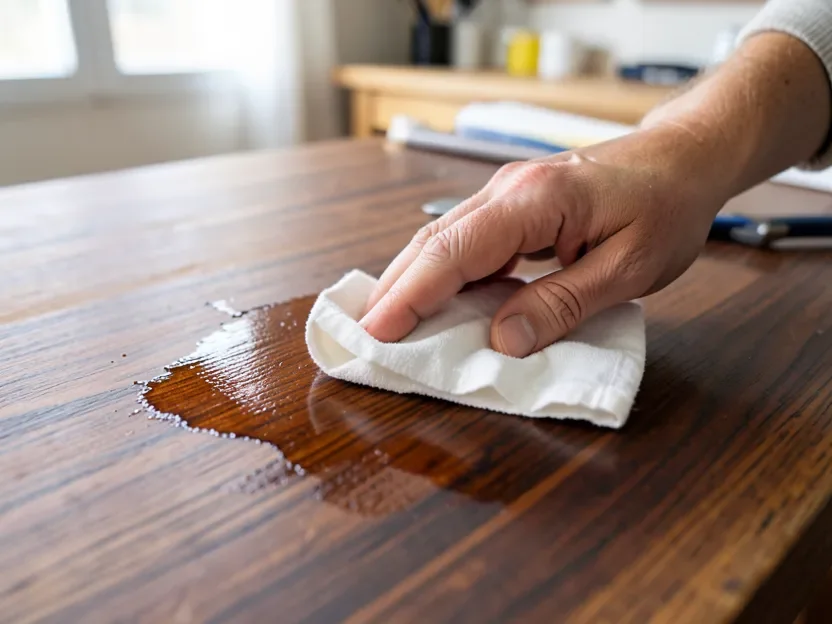
- Wipe off the excess before it dries tacky. Use a clean, lint-free rag and work with the grain to level out absorption.
- Apply stain within the conditioner’s working window. Most oil-based conditioners need stain applied within about two hours, or the pore-sealing effect starts to fade. Stir the stain thoroughly, apply with a brush or rag, then wipe off the excess with the grain after a few minutes for an even tone.
Application Techniques
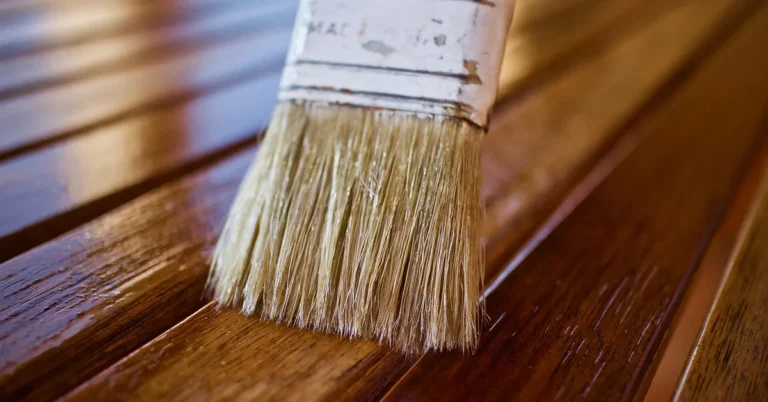
For oil-based stain, a natural-bristle brush or a folded cotton rag both work well; the rag gives more control over how much stain lands on the surface, which matters more on rubberwood than on a tighter-grained hardwood. Apply with the grain, work in sections small enough to wipe off before the stain starts to set, and keep a wet edge so you are not overlapping a drying patch. For gel stain, a rag is the standard method since the product is thick enough that a brush mostly just moves it around rather than spreading it evenly.
How Long Does Stain Take to Dry on Rubberwood?
Most oil-based wood stains are dry to the touch within a few hours and ready for a topcoat within 24 hours, though label instructions vary by product and should always take priority. Humidity and temperature both slow drying, so a damp basement or an unheated garage in winter can stretch that window considerably. Water-based stains dry faster, often within an hour, but that speed is part of why they blotch more easily on rubberwood; there is less time for the stain to even out before it sets.
Common Rubberwood Staining Mistakes
Skipping the conditioner is the single most common mistake, and it is the direct cause of most blotchy rubberwood projects. Sanding unevenly or stopping at a coarser grit than the rest of the piece leaves patches that absorb stain differently from their surroundings. Applying stain too heavily and letting it sit too long before wiping off the excess can leave a sticky, uneven film instead of a clean, penetrated color. Rushing between coats without letting the conditioner or stain fully do its work is the fastest way to undo otherwise careful prep.
After Staining: Sealing Rubberwood
Staining is a color step, not a protective one; rubberwood still needs a topcoat once the stain has dried, and which topcoat is right depends entirely on how the piece will be used. Furniture, cabinets, and shelving need a film-forming finish like polyurethane or lacquer, while a rubberwood cutting board or anything that touches food needs food-safe mineral oil instead, since a hardened polyurethane film can chip under a knife. For the full breakdown of which sealer fits which project, see our guide on how to seal rubberwood.
Frequently Asked Questions
Does rubberwood take stain well?
Yes, but only with the right prep. Rubberwood accepts oil-based and gel stains well once conditioned, but skipping a pre-stain conditioner lets the wood’s uneven density cause blotchy, patchy color, the same issue that affects pine, birch, and poplar.
Why does rubberwood stain unevenly?
Rubberwood’s density varies somewhat from board to board, and sometimes within a single board, since the tree is grown for years of latex production before it is ever cut for lumber. Denser areas absorb less stain and stay lighter, while more porous areas absorb more and turn darker, which shows up as blotching once stain goes on raw wood.
What is the best stain for rubberwood?
An oil-based stain applied after a pre-stain wood conditioner gives the most even, richest color. Gel stain is a solid alternative since it sits on the surface instead of soaking in unevenly. Water-based stains are the most likely to blotch, even over a conditioned surface.
Do you need a pre-stain conditioner for rubberwood?
It is strongly recommended, especially with an oil-based stain. A pre-stain wood conditioner partially seals the wood’s pores so it absorbs stain more evenly, applied 15 to 30 minutes before staining and wiped off before it dries tacky.
Conclusion
Rubberwood stains well once you account for its one real quirk: uneven density that causes blotching if you skip conditioning. Condition the surface first, choose an oil-based or gel stain over a water-based one, and follow the prep steps in order, and rubberwood takes color as predictably as any other hardwood. Once the color is set, do not forget the second half of the job: the right topcoat, whether that is polyurethane for furniture or food-safe mineral oil for a cutting board, is what actually protects the finish you just worked for.
Sponsored / affiliate links. As an Amazon Associate I earn from qualifying purchases. I may earn additional commission from eligible campaigns.