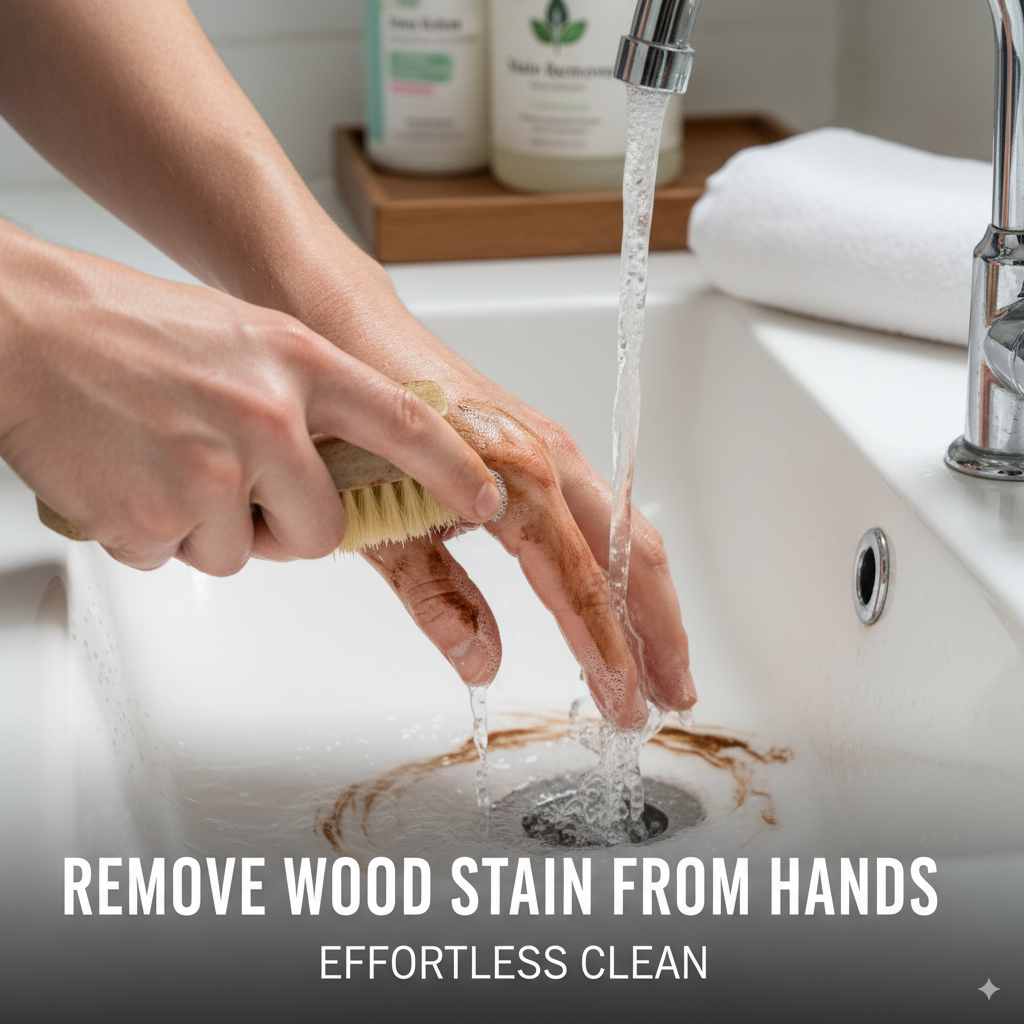
Remove Wood Stain From Hands: Effortless Clean
Effortlessly remove wood stain from your hands using simple household items like vegetable oil, dish soap, or rubbing alcohol. Follow these easy steps for a clean finish without harsh chemicals. Get back to your projects with confidence!
Ever finish a woodworking project, feeling proud of your creation, only to look down and see your hands covered in stubborn wood stain? It’s a common frustration for DIY enthusiasts and professional woodworkers alike. That rich, beautiful color that makes wood pop can be incredibly difficult to scrub off your skin. But don’t worry! You don’t need harsh, industrial cleaners to tackle this problem. We’re going to walk through simple, effective, and beginner-friendly methods that will leave your hands stain-free and ready for your next project.
Many people think tough stains require equally tough removers, but that’s often not the case. We’ll explore the best ways to lift that stain using common items you likely already have in your home. Get ready to discover how easy cleaning up can be!
Why Wood Stain Sticks to Hands
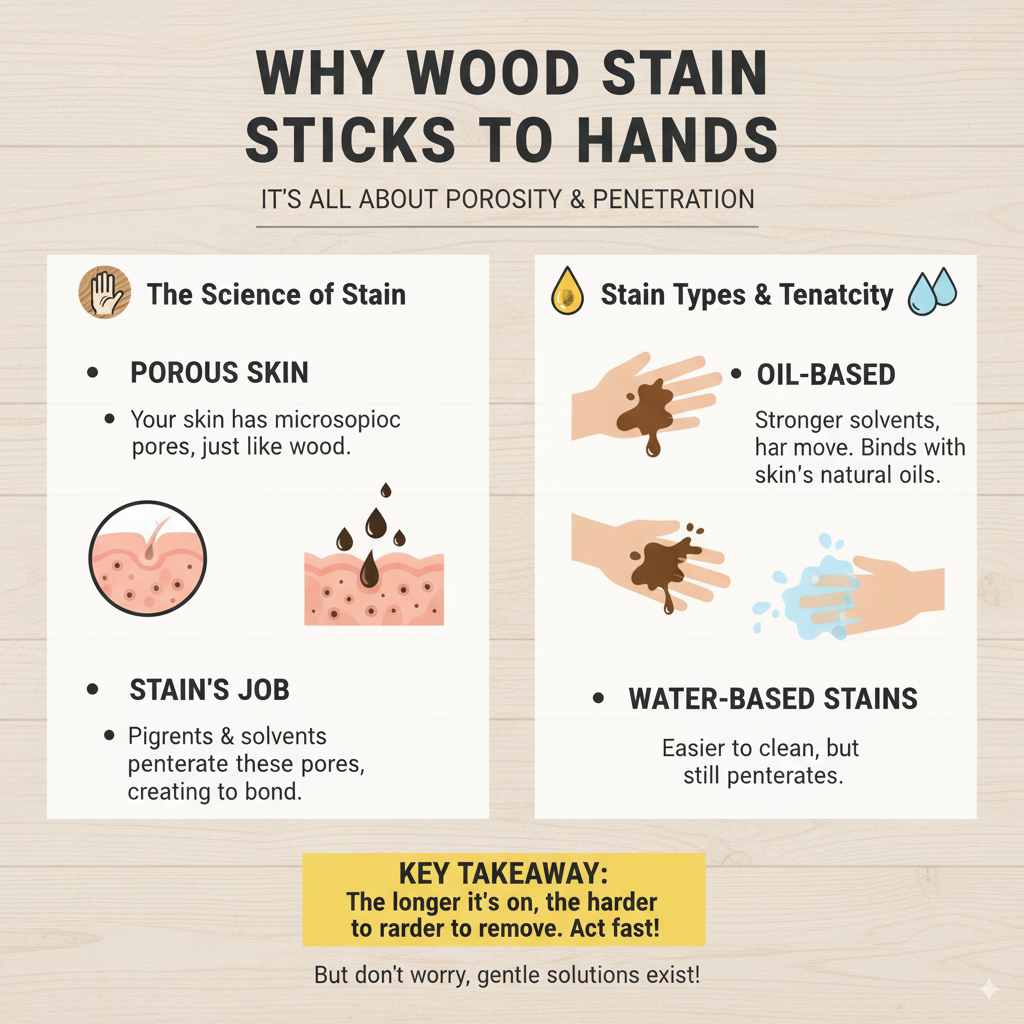
Wood stain’s primary job is to penetrate and bond with porous materials like wood. Unfortunately, your skin is also porous! When you’re working with stain, especially if you’re not wearing gloves or if some seeps through, the pigments and solvents in the stain make their way into the tiny pores and crevices of your skin.
The effectiveness of a wood stain depends on its composition. Oil-based stains, for example, contain stronger solvents and pigments that can be more challenging to remove than water-based stains. These ingredients are designed for durability on wood, which is why they cling so tenaciously to human skin. The longer the stain is left on, the deeper it penetrates, making it even harder to lift without the right approach.
Think of it like painting a wall – the paint soaks into the plaster. Wood stain does something similar to your skin. The natural oils and oils in oil-based stains can bind with the natural oils on your skin, creating a bond that water alone can’t break. This is why simple soap and water often aren’t enough to get those stubborn lines and splotches of color off completely.
The good news is that with a little know-how and the right cleaning agents, you can break this bond and remove the stain without damaging your skin. We’ll cover solutions that are effective yet gentle.
Essential Tools and Materials for Stain Removal
Before we dive into the methods, let’s gather what you might need. Most of these are common household items, so you should be well-prepared.
Commonly Used Items:
- Vegetable Oil or Olive Oil: These oils help break down oil-based stains and emollients.
- Dish Soap: A good degreaser that works well with oil to lift stains. Look for ones known for their grease-cutting power.
- Rubbing Alcohol (Isopropyl Alcohol): A solvent that can dissolve stain pigments. Use sparingly and follow with moisturizer.
- Nail Polish Remover (Acetone-Based): A stronger solvent, similar to rubbing alcohol, for very stubborn stains. Use with caution and good ventilation.
- Baking Soda: Acts as a gentle abrasive when mixed with soap or oil.
- Lemon Juice: Its natural acidity can help lighten some stains.
- Lotion or Petroleum Jelly: Excellent for moisturizing hands after cleaning, especially after using solvents.
- Soft Cloths or Paper Towels: For applying cleaners and wiping away the stain.
- Old Toothbrush: Useful for scrubbing gently in crevices and under nails.
- Warm Water: Essential for rinsing and helping to loosen the stain.
Optional (for tougher stains or sensitive skin):
- Gloves: Always the best defense for preventing stains in the first place! Consider nitrile or latex.
- Hand Sanitizer: Many hand sanitizers contain alcohol, which can help lift some stains.
- Specialized Hand Cleaners: Formulated for grease and paint removal, these can be very effective.
Having these items on hand will ensure you can tackle the stain effectively, no matter which method you choose. Remember, the goal is to remove the stain without irritating your skin.
Effortless Methods to Remove Wood Stain From Hands
Let’s get down to the best ways to clean up. These methods are ordered from gentlest to strongest, so you can try them in sequence.
Method 1: The Oil and Dish Soap Power Duo
This is often the most effective and skin-friendly method, especially for oil-based stains. The oil acts as a solvent to break down the stain, while the dish soap cuts through both the oil and the stain pigments.
When to use: Ideal for fresh stains and oil-based finishes. This is your first line of defense.
- Apply Oil: Generously apply vegetable oil, olive oil, or even baby oil to your stained hands.
- Rub It In: Massage the oil into your skin, focusing on the stained areas. Let it sit for a minute or two. You’ll notice the stain begin to loosen and transfer to the oil.
- Add Dish Soap: Squirt a good amount of dish soap onto your oily hands.
- Lather and Scrub: Work the soap and oil into a lather. Use your fingers or an old toothbrush to gently scrub the stained areas, paying attention to cuticles and between fingers.
- Rinse with Warm Water: Thoroughly rinse your hands with warm water.
- Repeat if Necessary: If some stain remains, repeat the process. You might need to do this a couple of times for very stubborn marks.
- Moisturize: After your hands are clean and dry, apply a good hand lotion or petroleum jelly to rehydrate your skin.
Method 2: Baking Soda Paste for Gentle Abrasion
Baking soda is a mild abrasive that can help lift stains gently when combined with a liquid. This method is great for scrubbing away residue that the oil didn’t quite get.
When to use: Good for following up the oil and soap method, or for water-based stains that have set in.
- Make a Paste: In a small bowl, mix baking soda with a little bit of water, dish soap, or even a bit of the oil you used in Method 1 to form a thick paste.
- Apply the Paste: Rub the paste onto your stained hands, focusing on the colored areas.
- Scrub Gently: Use your fingers or an old, soft toothbrush to gently but firmly scrub the paste into your skin. The mild abrasive action helps dislodge the stain particles.
- Rinse Thoroughly: Wash your hands well with warm water and soap.
- Assess and Moisturize: Check if the stain is gone. If not, you can repeat this step or move to a stronger method. Always finish by moisturizing.
Method 3: Rubbing Alcohol for Tougher Stains
Rubbing alcohol (isopropyl alcohol) is a solvent that can effectively break down and lift many types of stain pigments. However, it can be drying to the skin, so it’s important to use it carefully and follow up with moisturizing.
When to use: For more stubborn stains that water-based cleaning didn’t fully remove, especially oil-based stains. Always test a small area first.
- Apply Alcohol: Dampen a cotton ball or a soft cloth with rubbing alcohol.
- Wipe the Stain: Gently rub the stained areas of your hands. You should see the stain transferring to the cotton ball or cloth.
- Work in Sections: Don’t saturate your entire hand. Work on one small area at a time.
- Rinse Immediately: Once you’ve removed the stain or the alcohol feels too drying, rinse your hands thoroughly with cool water and wash with mild soap.
- Immediate Moisturization: Apply a thick layer of hand lotion or petroleum jelly right away to combat the drying effects of the alcohol.
Method 4: Nail Polish Remover (Acetone) for Extreme Cases
Acetone-based nail polish remover is a powerful solvent. It can tackle almost any stain but is also the harshest on your skin. It should be considered a last resort and used with extreme caution.
When to use: Only for very old, deep, or exceptionally stubborn stains that absolutely won’t come off with other methods. Ensure good ventilation.
- Ensure Ventilation: Open windows or work in a well-ventilated area.
- Apply Sparingly: Dampen a cotton ball or cloth with a small amount of acetone-based nail polish remover.
- Quick Wipes: Quickly and gently wipe the stained areas. Avoid prolonged contact with skin. The stain should lift rapidly.
- Immediate Wash: As soon as the stain is gone, thoroughly wash your hands with cool water and a mild, moisturizing soap.
- Deep Moisturize: Immediately apply a generous amount of thick lotion, petroleum jelly, or a rich hand cream. You might want to do this several times throughout the day. Avoid touching any finished wood surfaces while your hands are very oily from moisturizer.
Tips for Protecting Your Hands
Prevention is always better than cure. Here’s how to keep your hands clean and stain-free from the start:
- Wear Gloves: This is the number one tip. Nitrile or latex gloves are excellent barriers. For longer tasks, consider work gloves with a good grip. Ensure they fit well to prevent stain from seeping in.
- Barrier Cream: Before starting, you can apply a thick hand lotion or a specialized barrier cream. This creates a protective layer on your skin that makes stain removal much easier.
- Apply a Finish to Your Hands (Figuratively!): For very light staining or when you absolutely can’t wear gloves (though it’s rare!), some enthusiasts have reported success by lightly coating their hands in petroleum jelly or a thick oil before starting. The stain then sits on top of the jelly/oil, making it easier to wipe off.
- Clean Up Immediately: Don’t let the stain sit on your skin. If you notice a spill or smudge, wipe it off right away with a damp cloth or paper towel.
- Have Your Cleaning Supplies Ready: Before you even open the stain can, have your chosen cleaning method (e.g., oil, soap, rags) nearby. This way, you can deal with any accidental contact quickly.
Think of protecting your hands like preparing your car’s exhaust system for a long trip. Proper preparation ensures everything runs smoothly and avoids messy problems down the road. Good preparation means less cleanup later!
Choosing the Right Cleaning Agent
The best cleaning agent for you depends on the type of stain and your skin’s sensitivity. Here’s a quick guide:
| Stain Type | Recommended Cleaner | Notes |
|---|---|---|
| Fresh Oil-Based Stain | Vegetable Oil + Dish Soap | Most effective for common stains. |
| Dried-on Oil-Based Stain | Vegetable Oil / Rubbing Alcohol | Oil saturates; alcohol breaks down residue. |
| Water-Based Stain | Dish Soap + Baking Soda / Lemon Juice | Water-based stains are generally easier to remove. |
| Very Stubborn / Old Stain | Rubbing Alcohol / Acetone (Last Resort) | Use with caution and moisturize heavily afterward. |
It’s always a good practice to check the U.S. Environmental Protection Agency (EPA) for guidance on safe practices when working with finishes and solvents, as many of these products also contain chemicals that require careful handling. While the EPA’s focus is often on environmental impact and larger-scale use, their principles of safety and proper disposal are applicable even to small DIY projects.
What If the Stain Won’t Budge?
Sometimes, even with the best efforts, a tiny bit of stain might linger, especially if it’s an old stain that has deeply penetrated your skin. Here’s what to do:
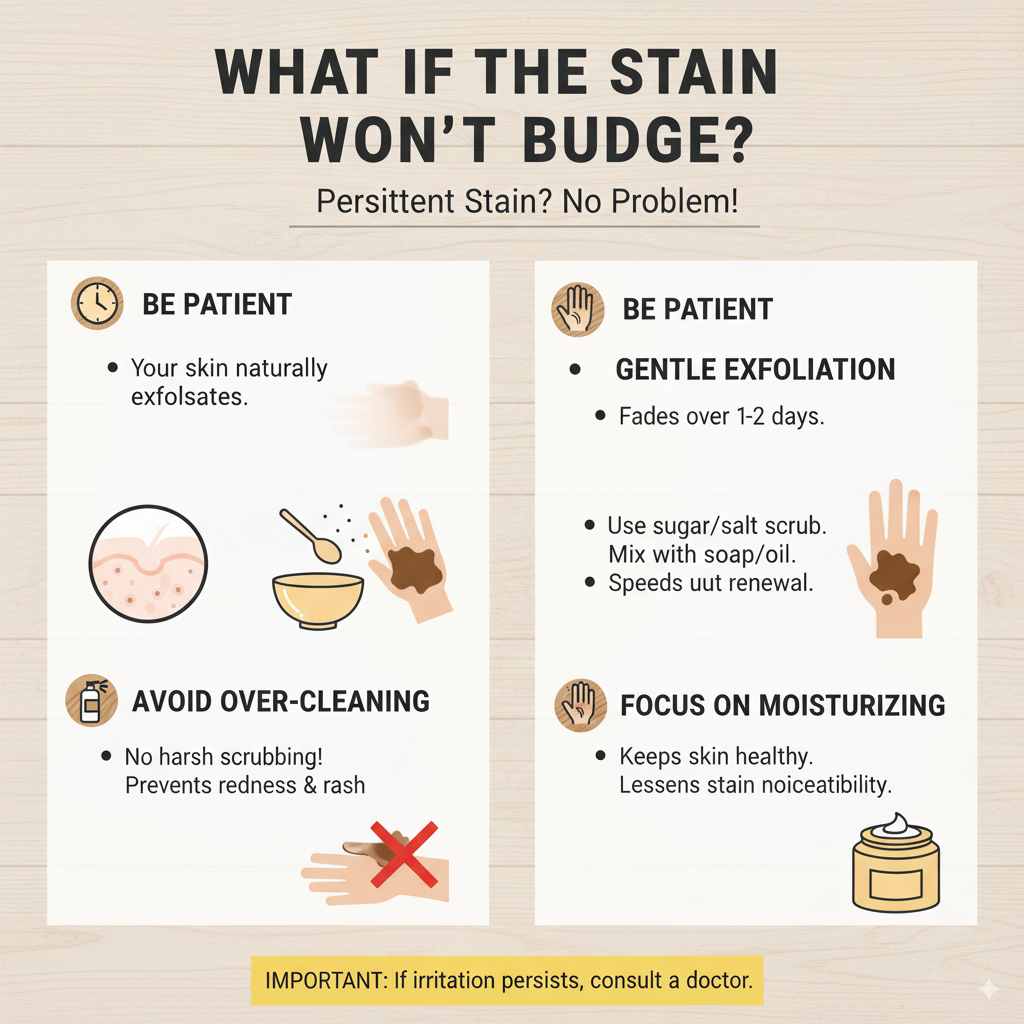
- Be Patient: Your skin naturally exfoliates and renews itself. Most residual stains will fade naturally over a day or two.
- Gentle Exfoliation: Over the next day or two, a gentle sugar or salt scrub (mixed with soap or oil) can help speed up the natural exfoliation process. Avoid harsh scrubbing, which can irritate your skin.
- Avoid Over-Cleaning: Don’t keep scrubbing with harsh chemicals. This can cause redness, dryness, or even a rash.
- Focus on Moisturizing: Keep your hands well-moisturized. This helps your skin heal and can make any faint remaining color less noticeable.
If you experience any persistent irritation, redness, or discomfort, it’s always best to consult a healthcare professional.
FAQ
Q1: Can I use regular soap and water to remove wood stain?
A1: Sometimes! For very light, water-based stains, regular soap and water might be enough. However, oil-based stains and deeper marks usually require something more, like oil or alcohol, to break down the pigments effectively.
Q2: Is it safe to use nail polish remover on my hands?
A2: Nail polish remover (especially acetone-based) is a strong solvent and can be harsh on your skin. It should only be used as a last resort for very stubborn stains, and always with good ventilation, followed by immediate washing and deep moisturizing. Never let it sit on your skin for long.
Q3: Will these methods dry out my skin?
A3: Some methods, particularly those using alcohol or acetone, can be drying. That’s why it’s crucial to moisturize your hands thoroughly with lotion or petroleum jelly immediately after cleaning and to continue moisturizing throughout the day.
Q4: How can I prevent getting wood stain on my hands in the first place?
A4: The best prevention is wearing chemical-resistant gloves (like nitrile or latex) designed for handling paints and stains. Applying a barrier cream or even petroleum jelly before you start can also help.
Q5: What’s the best method for water-based wood stain?
A5: Water-based stains are generally easier to remove than oil-based ones. Often, a good scrub with dish soap and warm water is enough. If not, a paste of baking soda and water, or a little lemon juice, can help lift any lingering color.
Q6: My hands feel a bit greasy after using oil for cleaning. What should I do?
A6: That’s normal! After rinsing off the oil and stain, use a good degreasing dish soap to wash your hands. Follow up with a thorough rinse and then apply lotion. The lotion will help rehydrate your skin and balance any residual greasiness.
Q7: How long does it usually take to remove wood stain from hands?
A7: For fresh, light stains, it might take just a few minutes with oil and soap. For older or deeper stains, you might need a couple of repeated applications or try a stronger method, which could take 10-20 minutes of active cleaning, plus rinsing and moisturizing time. Any residual subtle staining typically fades over 1-3 days as your skin naturally renews.
Conclusion
Tackling wood stain on your hands doesn’t have to be a messy, drawn-out battle. By using simple, readily available household items, you can effectively remove even stubborn stains without resorting to harsh chemicals that can damage your skin. Remember the power of oil and grease-cutting dish soap as your first choice, and keep baking soda, rubbing alcohol, and even acetone in your arsenal for tougher jobs, always remembering to prioritize skin care and immediate moisturization.
The key is to act reasonably quickly and choose the right method for the job. And, of course, the easiest way to keep your hands clean is to wear gloves and use barrier creams from the start. With these tips and tricks, you can finish your woodworking projects with satisfaction, knowing that a clean finish for your hands is just a few simple steps away. Happy building, and happy cleaning!