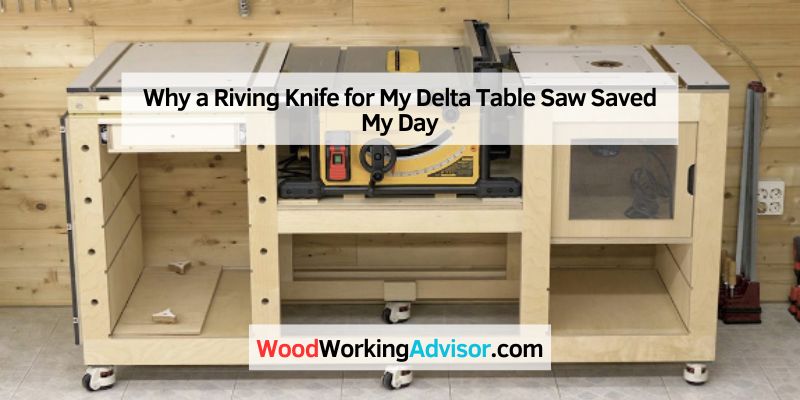
Why a Riving Knife for My Delta Table Saw Saved My Day
I love woodworking, but one day, my Delta table saw scared me. A board kicked back, nearly hitting me, because I didn’t have a riving knife. That moment taught me how vital a riving knife for Delta table saw is for safety. In this article, I’ll share what a riving knife is, why it matters, how to install one, and tips to use it safely. Whether you’re new to woodworking or a pro, I’ll keep it simple and fun, like chatting with a friend. Let’s dive in and make your Delta table saw safer and better!
What Is a Riving Knife for Delta Table Saw?
A riving knife is a flat metal piece behind your table saw blade. It stops wood from pinching the blade and flying back at you.
Why It Matters
Kickback is scary and dangerous. A riving knife keeps the cut open, so wood doesn’t squeeze the blade. My Delta 36-725 came with one, but older models like the 34-444 often don’t. Adding one makes your saw safer.
Riving Knife vs. Splitter
A riving knife moves up and down with the blade. A splitter stays fixed and is less safe. Riving knives are better for preventing kickback.
Why You Need a Riving Knife for Delta Table Saw
Safety is the biggest reason. Kickback can hurt you or ruin your project. A riving knife also makes cuts smoother by keeping wood aligned. For my Delta saw, it’s a must-have for peace of mind.
Benefits of Using a Riving Knife
- Safer cuts: Stops wood from pinching and kicking back.
- Smoother results: Keeps wood steady for clean cuts.
- Easy to use: Moves with the blade, no extra adjustments.
Drawbacks to Consider
- Older Delta saws may need custom or aftermarket knives.
- Some cuts (like dados) require removing the knife.
- Installation can be tricky without clear instructions.
How to Install a Riving Knife on Your Delta Table Saw
Installing a riving knife is easy if you follow these steps. I’ll use the Delta 36-725 as an example, but check your model’s manual.
Tools and Materials Needed
- Allen wrench (usually included with your saw).
- Riving knife (OEM like Delta DPEC006136 or aftermarket like SharkGuard).
- Zero-clearance throat plate (optional for older models).
Step-by-Step Installation Guide
- Unplug the saw: Safety first, always unplug it.
- Remove the throat plate: Lift it out carefully.
- Take off the blade: Use a wrench to loosen the nut.
- Attach the riving knife: Slide it into the mounting bracket.
- Secure with screws: Tighten with an Allen wrench.
- Align with the blade: Check it’s parallel to the blade.
- Reinstall the blade: Tighten the nut firmly.
- Replace the throat plate: Ensure it fits snugly.
- Plug in and test: Make a test cut safely.
Visual Idea: A diagram showing the riving knife slot and blade alignment would help here.
Table 1: Tools for Riving Knife Installation
| Tool | Purpose | Where to Get |
|---|---|---|
| Allen wrench | Tighten screws | Included with saw or hardware store |
| Riving knife | Prevent kickback | Delta Parts |
| Throat plate | Support wood | Amazon |
Caption: Basic tools make installing a riving knife quick and easy.
Finding a Riving Knife for Your Delta Table Saw
Not all Delta saws come with riving knives. Newer models like the 36-725 do, but older ones like the 34-444 or 36-600 may need aftermarket options.
Where to Buy
- OEM Parts: Check eReplacementParts for Delta-specific knives like DPEC006136.
- Aftermarket: SharkGuard offers custom knives for older saws.
- eBay: Look for used Delta parts, but verify compatibility.
Table 2: Riving Knife Options for Delta Saws
| Model | OEM Riving Knife | Aftermarket Option | Approx. Cost |
|---|---|---|---|
| Delta 36-725 | DPEC006136 | SharkGuard ARK | $30–$100 |
| Delta 34-444 | Not available | MicroJig Splitter | $25–$50 |
| Delta 36-600 | Not available | Custom-made | $20–$50 |
Caption: Compare options to find the best riving knife for your Delta saw.
Visual Idea: A photo of a SharkGuard riving knife on a Delta saw would clarify fitment.
My Top Tips for Using a Riving Knife Safely
After years of woodworking, I’ve learned a few tricks. Here’s how to use your riving knife like a pro.
- Check alignment often: A misaligned knife can cause binding.
- Use a zero-clearance insert: It supports wood and reduces tear-out.
- Remove for dado cuts: Riving knives don’t work with dado blades.
One time, I forgot to align my knife, and the wood jammed. Now, I double-check every time.
Common Mistakes to Avoid
- Skipping the knife: Never cut without it unless using a dado blade.
- Wrong thickness: Match the knife to your blade’s kerf (cut width).
- Ignoring the manual: Each Delta model has unique instructions.
Table 3: Common Riving Knife Mistakes
| Mistake | Why It’s Bad | How to Fix |
|---|---|---|
| Not using a knife | Risk of kickback | Always install for rip cuts |
| Wrong knife size | Wood binds or jams | Match knife to blade kerf |
| Poor alignment | Uneven cuts | Check with a straightedge |
Caption: Avoid these mistakes for safer, smoother cuts.
Alternatives to Riving Knives
If your Delta saw can’t use a riving knife, try these options.
Splitters
Splitters are fixed and don’t move with the blade. They’re less safe but better than nothing. I used a splitter on my old 34-444 before upgrading.
MicroJig Splitter
The MicroJig splitter fits in a zero-clearance insert. It’s affordable and easy to install but needs 2 inches of clearance behind the blade.
Blade Guards
Some Delta saws come with guards that include splitters. They’re bulky but add extra safety.
Visual Idea: A comparison chart of riving knives vs. splitters would show differences clearly.
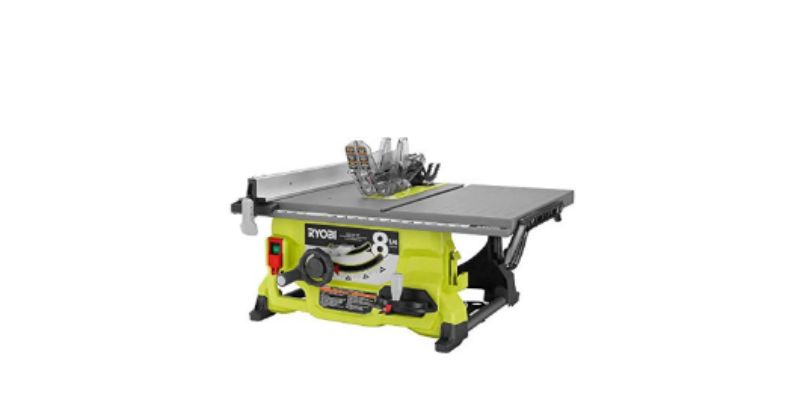
My Experience with a Riving Knife
When I got my Delta 36-725, I didn’t think much about the riving knife. But after that kickback scare, I never cut without it. It’s like a seatbelt—simple but lifesaving. For older saws like the 34-444, I recommend SharkGuard’s custom knives. They’re not perfect but work well. Check FineWoodworking for more safety tips.
Frequently Asked Questions
What’s a Riving Knife for Delta Table Saw?
A riving knife is a metal piece behind the blade. It keeps the cut open to stop kickback. On Delta saws, it’s vital for safety. Newer models like the 36-725 have one, but older ones may need aftermarket options.
Can I Add a Riving Knife to an Older Delta Saw?
Yes, but it’s tricky. Older models like the 34-444 or 36-600 weren’t designed for riving knives. Try aftermarket options like SharkGuard or make a custom splitter. Check your saw’s manual for compatibility.
Where Can I Buy a Riving Knife for My Delta Saw?
You can find OEM riving knives at eReplacementParts. For older saws, SharkGuard offers custom knives. eBay has used parts, but confirm they fit your model.
How Do I Know If a Riving Knife Fits My Saw?
Check your saw’s model number and blade kerf. The knife must match the blade’s thickness. Look at your manual or contact Delta for specs. SharkGuard can help with custom fitment.
What’s the Difference Between a Riving Knife and a Splitter?
A riving knife moves with the blade, making it safer. A splitter is fixed and less effective. Riving knives are best for preventing kickback on Delta saws.
Can I Use a Riving Knife for All Cuts?
No, remove it for dado or non-through cuts. For rip cuts, always use it. Check your Delta manual for specific instructions to stay safe.
How Do I Align a Riving Knife Properly?
Use a straightedge to ensure the knife is parallel to the blade. Adjust with an Allen wrench if needed. Misalignment can cause binding or uneven cuts.
Conclusion
A riving knife for your Delta table saw is a game-changer. It keeps you safe, makes cuts smoother, and gives you confidence. Whether you’re building a bookshelf or cutting boards, it’s a must. Try installing one today, and you’ll wonder how you worked without it. Share your woodworking projects or ask questions in the comments—I’d love to hear from you! Let’s make woodworking fun and safe together!