Pro Tech Table Saw: It’s a Discontinued Brand — What to Do If You Own One
Pro Tech is a discontinued table saw brand — it’s no longer manufactured, sold new anywhere, or supported by an active company, which is the honest first thing to know if you’re researching one. Owners of models like the CS4207 have reported on woodworking forums that the company is simply gone, which means no factory parts, no warranty, and no way to contact the manufacturer directly.
If You Own a Pro Tech Saw: Sourcing Parts
Currently Available Replacement
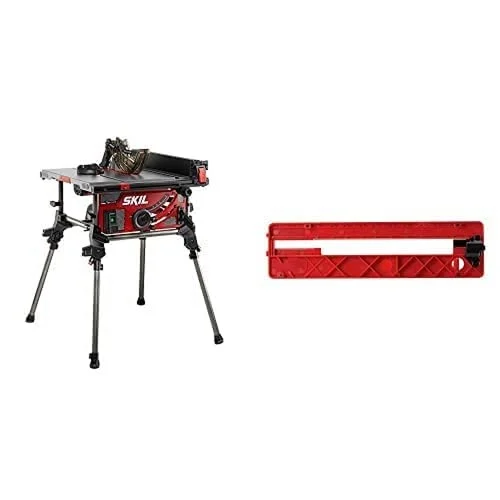 |
SKIL 15-Amp 10″ Jobsite Table Saw w/ Folding Stand – $329.67 A current, actively supported saw in the same class Pro Tech occupied — with parts and support that won’t dry up.
|
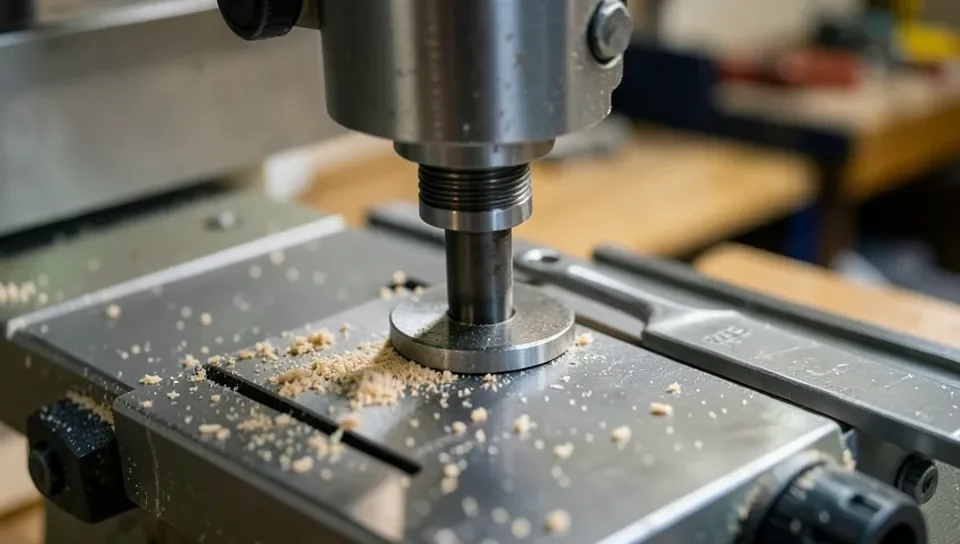
A common real problem owners report is losing the special thin arbor wrench used to hold the blade shaft steady while loosening or tightening the blade nut — these were often a stamped-steel part specific to the saw and aren’t sold separately once the manufacturer is gone. A universal thin-profile arbor wrench (sold generically for benchtop table saw maintenance) or an adjustable thin wrench ground down slightly to fit is the practical workaround most owners land on, since a factory replacement isn’t available through any current retail channel. For other parts (belts, bearings, a replacement fence), a generic equivalent sized to match the actual dimensions usually works, since these are typically standard off-the-shelf components rather than saw-specific custom parts.
Is It Worth Keeping a Discontinued Saw Running?
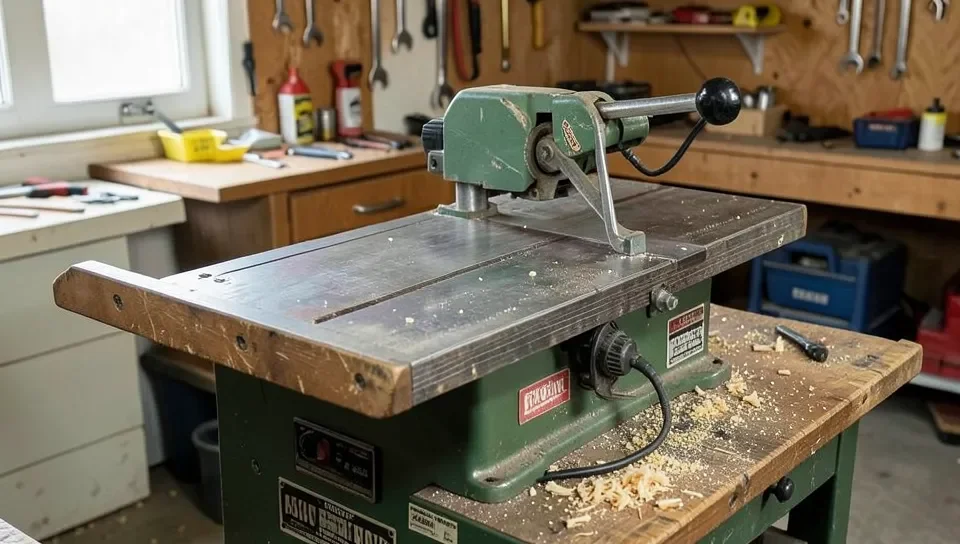
If the motor, arbor, and trunnion (the mechanism that tilts the blade) are all in good working order, keeping a discontinued benchtop saw running with generic parts is a perfectly reasonable choice — these are mechanically simple tools, and most of what wears out (belts, bearings, brushes) has a generic off-the-shelf equivalent regardless of brand. The point where it stops being worth the effort is a cracked table casting, a bent arbor, or a fence that can’t be made to hold a consistent measurement anymore — those are the failure points that genuinely require brand-specific parts that no longer exist, rather than generic wear items.
If You’re Shopping New Instead
Since Pro Tech isn’t an option for a new purchase, a current benchtop/jobsite saw from an active brand (with real ongoing parts availability and support) is the practical choice going forward — the box above is one such option in the same general saw class Pro Tech occupied. Whatever you choose, an active manufacturer with parts still in production is worth weighing alongside price and specs, since the whole point of avoiding a repeat of the Pro Tech situation is not ending up back here in ten years with another orphaned tool.
Finding Your Exact Model First
Before ordering any generic part, find the model number on the nameplate (usually a sticker or stamped plate on the saw’s base or motor housing, something like the CS4207 pattern owners have reported) and use that to search dimensions rather than guessing from the brand name alone. Arbor diameter, blade bore size, and belt length/width are the specs that actually matter for a generic replacement to fit — two saws from completely different eras and brands can share identical arbor and belt specs simply because they used the same common off-the-shelf motor and drive components, which is exactly why generic parts work at all for an orphaned tool.
Safety Check Before Running Any Old Saw
An older discontinued saw deserves a real safety inspection before use, not just a “does it turn on” check — inspect the power cord and plug for cracked insulation or exposed wire (a cheap, easy fix that shouldn’t be skipped), confirm the blade guard and riving knife or splitter are present and move freely (missing safety guards are common on used tools whose original owner removed them for convenience), and check that the arbor doesn’t wobble when spun by hand with the saw unplugged. None of this is brand-specific — it’s the same basic safety check worth running on any inherited or secondhand table saw regardless of whether the company that made it still exists.
Where Discontinued-Brand Parts Actually Turn Up
Beyond generic hardware suppliers, three real sources are worth checking for an orphaned brand: online tool-collector and repair forums (owners of the same discontinued brand often trade or sell spare parts salvaged from non-running units), eBay listings for “parts only” saws of the same brand, and local tool repair shops that have been in business long enough to have accumulated old stock or know a generic cross-reference off the top of their head. A forum post asking specifically for the part and model number, like the one that surfaced the CS4207 model reference here, is a legitimate and often successful way to track down an obscure factory-specific piece that no generic supplier stocks.
Frequently Asked Questions
Is Pro Tech still a table saw brand?
No. Pro Tech is a discontinued brand no longer manufacturing or selling table saws. Owners report the company is out of business with no way to contact it for parts or support.
Where can I get parts for a Pro Tech table saw?
Factory parts aren’t available since the company is gone. Generic equivalents (belts, bearings, universal thin arbor wrenches) sized to match your saw’s specs are the practical workaround for most components.
Is it worth keeping an old Pro Tech saw running?
Yes, if the motor, arbor, and trunnion are in good shape, since most wear parts have generic equivalents. It’s not worth it if the table casting is cracked or the fence can’t hold a consistent measurement.
Conclusion
Pro Tech is gone as a company, but that doesn’t mean a working Pro Tech saw belongs in the trash — generic parts keep most of these tools running for years past the manufacturer’s disappearance. If you’re buying new, pick a saw from a brand that’s still actively making and supporting its tools, so you’re not researching the same “is this brand even real anymore” question again a decade from now.
Sponsored / affiliate links. As an Amazon Associate I earn from qualifying purchases. I may earn additional commission from eligible campaigns.