Why a Table Saw Rack and Pinion Fence Makes Woodworking a Breeze
A rack-and-pinion fence is what lets you set a table saw’s rip width by turning a knob instead of fighting a stubborn fence that drifts out of parallel with every cut. A gear on the fence body meshes with a toothed rail, so both ends move an equal, synchronized amount — which is exactly what keeps the fence square to the blade without you having to re-check and re-square it every time you move it.
What Is A Table Saw Rack And Pinion Fence?
Best Precision Fence Upgrade
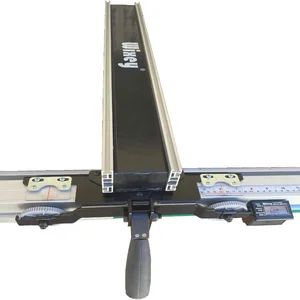 |
Rockler Wixey Professional Table Saw Fence System – $449.99 A 36-inch rip capacity precision fence built to retrofit onto an existing saw for cabinet-grade accuracy without buying a whole new table saw.
|
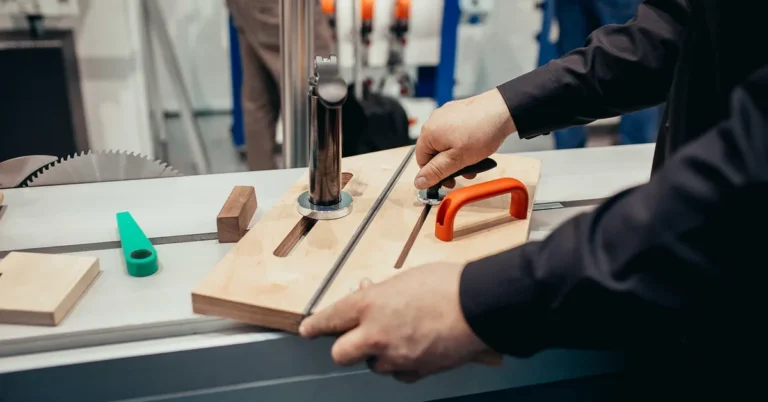
The “rack” is a toothed metal rail running along the front of the saw table; the “pinion” is a small gear built into the fence body that engages those teeth. Turning the fence’s adjustment wheel spins the pinion along the rack, sliding the fence to a new position while a front-and-rear locking mechanism keeps it locked parallel to the blade. That synchronized front/rear movement is the actual mechanical advantage over a simpler fence — it’s what prevents the classic problem of a fence that’s square at the front but drifted a hair off at the back.
Why Choose One Over Other Fence Types
- Repeatable precision: most rack-and-pinion fences adjust in increments fine enough for cabinet-grade work, and return to the same setting reliably if you’re working from marked measurements.
- Stays parallel without manual squaring: the synchronized rack movement is what a basic clamp-style fence can’t replicate — a clamp fence can be knocked slightly out of square at one end without you noticing until the cut comes out tapered.
- Fast to reposition: one motion adjusts and locks, versus loosening, sliding, and re-measuring a simpler fence.
| Fence Type | Pros | Cons |
|---|---|---|
| Rack and Pinion | Precise, stays parallel automatically, fast to adjust | Mostly found on jobsite/portable saws, not full cabinet saws |
| T-Square | Sturdy, common on larger cabinet saws | Needs manual squaring and periodic re-checking |
| Clamp/Telescoping | Compact, works well for small shops | Less precise, can shift slightly under clamping pressure |
The main limitation is availability, not performance: rack-and-pinion fences are common on portable jobsite saws (DeWalt popularized the design) but rare on full-size cabinet saws, which more often use T-square-style fences instead. Some budget models also use lighter-gauge rails that can feel less rigid under heavy use than a premium fence.

Setting Up A Cut, Step By Step
- Confirm the blade is sharp and the saw is on a stable, level surface before adjusting anything.
- Turn the adjustment wheel to slide the fence to your target width, watching the built-in scale.
- Lock the fence using the front (and rear, if your saw has one) lock lever.
- Verify with a tape measure from the fence to the blade’s teeth (not the body) — the built-in scale is a good starting point but a physical check catches any drift.
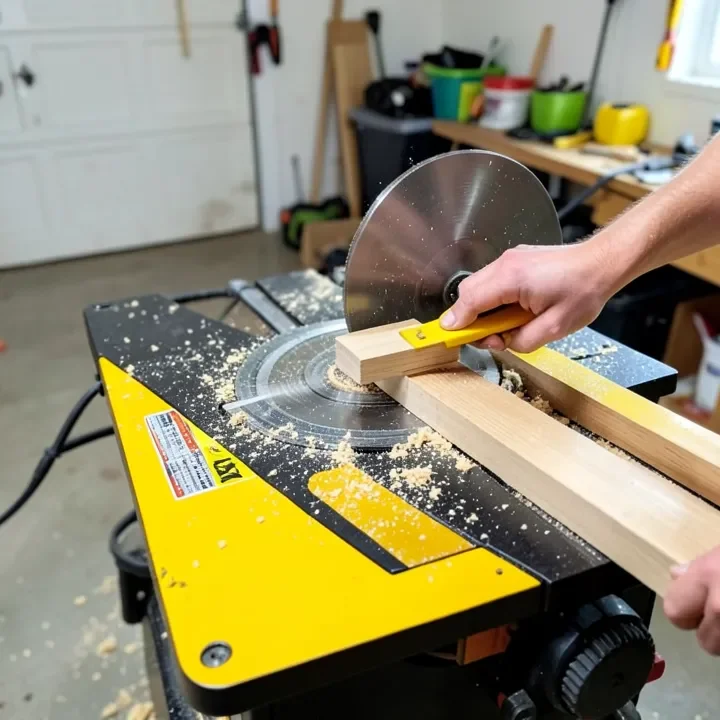
- Make the cut slowly and steadily, keeping the workpiece flat against the fence the whole pass, and use a push stick once your hand gets within about 6 inches of the blade.
Keeping It Accurate Over Time
- Clean the rack regularly. Sawdust packed into the toothed rail is the most common cause of a fence that suddenly feels gritty or inconsistent to adjust — wipe it down weekly if you’re using the saw often.
- Check alignment periodically, not just when something feels off. Measure fence-to-blade distance at the front and back of the fence to confirm it’s still truly parallel.
- Use a sacrificial auxiliary fence (a wood strip clamped to the fence face) for cuts where you need a zero-clearance edge or don’t want to risk marking the main fence.
- Lock it snug, not overtightened. Excessive force on the lock lever wears the mechanism faster without improving hold.
Common Setup Mistakes
- Trusting the scale without a tape-measure check on a cut that actually matters — scales can drift slightly from the factory setting over time.
- Skipping eye protection because it’s “just a quick cut.” Table saws don’t distinguish between quick cuts and long ones.
- Rushing the push-through, which is more likely to cause binding or kickback than a slow, steady feed rate.
Popular Rack-And-Pinion Saws, Compared
| Model | Rip Capacity | Approx. Price |
|---|---|---|
| DeWalt DWE7491RS | 32.5 in | ~$600 |
| DeWalt DWE7485 (compact) | 24.5 in | ~$350–430 |
| Hercules Compact Jobsite (Harbor Freight) | 24.5 in | ~$300–360 |
Not every saw advertised alongside “precision fence” language actually uses a rack-and-pinion mechanism — some jobsite saws use a clamping or telescoping-rail design that looks similar but doesn’t have the synchronized front/rear movement. If staying parallel automatically matters to you, confirm “rack and pinion” is specifically named in the saw’s actual spec sheet rather than assuming from a similar-looking fence rail.
If You Don’t Have One: Alternatives
- T-square fence: the standard on most cabinet saws, sturdy but needs manual squaring after any adjustment.
- DIY auxiliary fence: clamping a straight board to your existing fence is cheap and works for one-off cuts, but it’s slower to reposition and less repeatable.
- Aftermarket upgrade fence systems: some manufacturers sell dedicated precision fence systems that retrofit onto an existing saw for cabinet-grade accuracy without replacing the whole saw.
Safety Reminders
- Wear safety glasses and avoid loose sleeves or jewelry that could catch on the blade or fence hardware.
- Keep hands well clear of the blade path; use a push stick for any cut that brings your hand within a few inches of it.
- Never reach over a spinning blade to clear an offcut — wait until the blade fully stops.
Frequently Asked Questions
How Do I Adjust A Rack And Pinion Fence?
Turn the adjustment wheel to slide the fence to your target width, lock the front (and rear, if equipped) lever, then verify the distance to the blade with a tape measure before cutting.
Why Is My Fence Not Staying Parallel To The Blade?
Sawdust packed in the rack teeth is the most common cause. Clean the rail thoroughly, then re-check alignment at both the front and back of the fence; if it’s still off, refer to your saw’s manual for its specific squaring procedure.
Can I Use A Rack And Pinion Fence On A Cabinet Saw?
Most rack-and-pinion fences ship on portable jobsite saws rather than full cabinet saws, but dedicated aftermarket precision fence systems exist that retrofit onto larger saws for similar accuracy — check compatibility with your specific saw’s rail spacing first.
What’s A Good Rack-And-Pinion Saw For Beginners?
The DeWalt DWE7491RS is a common recommendation for its 32.5-inch rip capacity and portability. Budget-conscious buyers often look at the Hercules Compact Jobsite Saw or DeWalt’s smaller DWE7485 for a lower price with a genuine rack-and-pinion fence.
Bottom Line
A rack-and-pinion fence earns its reputation by keeping both ends of the fence synchronized, so it stays parallel to the blade without the manual re-squaring a simpler fence needs. It’s most common on portable jobsite saws rather than cabinet saws, so match the saw type to your shop before assuming every “precision fence” claim means the same mechanism.
Sponsored / affiliate links. As an Amazon Associate I earn from qualifying purchases. I may earn additional commission from eligible campaigns.