Exploring the Charm of Rustic Farmhouse Wood Flooring
Hey there! If you’re dreaming of a home that feels warm, inviting, and timeless, let’s talk about rustic farmhouse wood flooring. I’ve spent years diving into home design trends, and this style has stolen my heart. It’s not just about aesthetics—it’s about creating a space that tells a story. Rustic farmhouse wood flooring brings that cozy, lived-in vibe that makes any room feel like home. Whether you’re renovating a countryside cottage or adding character to a modern apartment, this flooring can transform your space. Let’s explore why it’s so special, how to choose the right type, and how to make it work in your home.
What Makes Rustic Farmhouse Wood Flooring So Special?
When I first saw rustic farmhouse wood flooring in a friend’s home, I was hooked. It’s not just wood—it’s wood with personality. This style embraces imperfections like knots, grain variations, and distressed textures. These details give the floor a story, like it’s been there for generations. The charm lies in its ability to blend rugged beauty with warmth, making your home feel both grounded and elegant.
This flooring often uses reclaimed or hand-scraped wood, which adds to its authenticity. It’s like walking on history. The natural tones—think warm browns, weathered grays, or rich walnuts—create a versatile backdrop for any decor. Whether you’re going for a minimalist look or a cozy, cluttered farmhouse vibe, this flooring fits right in. Plus, it’s durable. I’ve seen families with kids and pets live on these floors, and they still look stunning years later.
Types of Wood for Rustic Farmhouse Flooring
Choosing the right wood is like picking the perfect ingredient for a recipe. Each type brings its own flavor. Over the years, I’ve learned that not all woods work the same for that rustic farmhouse look. Here’s a breakdown of some popular choices:
| Wood Type | Characteristics | Best For | Price Range |
|---|---|---|---|
| Oak | Strong grain, durable, takes stains well. Red oak has warm tones, white oak is subtler. | High-traffic areas like living rooms. | $4–$10 per sq. ft. |
| Pine | Soft, knotty, and budget-friendly. Shows wear beautifully over time. | Budget-conscious homes or cabins. | $2–$6 per sq. ft. |
| Hickory | Bold grain patterns, super tough. Perfect for a rugged look. | Kitchens or entryways. | $5–$12 per sq. ft. |
| Reclaimed Barnwood | Aged, unique, full of character. Often hand-hewn with natural distressing. | Statement pieces in dining rooms or bedrooms. | $8–$20 per sq. ft. |
| Maple | Subtle grain, lighter tones. Less rustic but still warm. | Modern farmhouse styles. | $6–$11 per sq. ft. |
I love oak for its versatility—it’s like the jeans of wood flooring. Pine, on the other hand, feels softer and more casual, perfect for a laid-back vibe. If you want something truly unique, reclaimed barnwood is my go-to. I once helped a friend source barnwood from an old Virginia barn, and the stories those planks told were incredible. Each scratch and knot added character you can’t fake.
Finishes That Bring Out the Rustic Charm
The finish on your wood flooring is like the icing on a cake—it can make or break the look. I’ve experimented with different finishes in my own home, and each one changes the vibe. Here are the ones that scream rustic farmhouse:
- Hand-Scraped: This gives the floor a textured, artisanal feel. It’s like someone took a plane and lovingly distressed each plank. It hides scratches well, which is great for busy homes.
- Wire-Brushed: This technique enhances the grain by brushing away softer wood. It’s subtle but adds depth. I’ve seen it work wonders in dining rooms.
- Matte or Low-Gloss: High-gloss finishes feel too modern for rustic vibes. A matte finish keeps things soft and natural, letting the wood’s imperfections shine.
- Oil-Based Stains: These soak into the wood, highlighting its natural beauty. I once used a gray oil stain on oak, and it gave the room a weathered, coastal farmhouse feel.
When I redid my living room, I went with a hand-scraped oak in a matte finish. It’s been three years, and it still feels warm and inviting. The key is to choose a finish that matches your lifestyle. If you’ve got kids or pets, go for something forgiving like hand-scraped or wire-brushed.
Why Choose Rustic Farmhouse Wood Flooring for Your Home?
I’ll be honest—when I first considered wood flooring, I thought it might be too much work. But rustic farmhouse flooring changed my mind. Here’s why it’s worth it:
- Timeless Appeal: Trends come and go, but this style stays relevant. It’s like a classic leather jacket—it never goes out of fashion.
- Versatility: It works in any room. I’ve seen it in kitchens, bedrooms, and even bathrooms (with proper sealing, of course).
- Durability: Hardwoods like oak or hickory can last decades. My neighbor’s farmhouse has oak floors from the 1950s, and they’re still gorgeous.
- Eco-Friendly Options: Reclaimed wood is sustainable. You’re giving old wood a new life instead of cutting down trees.
- Increases Home Value: Buyers love wood floors. I’ve talked to realtors who say rustic flooring can boost a home’s appeal, especially in rural or suburban markets.
One thing I’ve learned is that this flooring isn’t just about looks. It’s about how it makes you feel. Walking barefoot on those warm, textured planks feels like a hug from your home.
How to Install Rustic Farmhouse Wood Flooring
Installing wood flooring can feel daunting, but I’ve been through it a few times, and it’s doable with the right approach. Here’s what you need to know:
- Preparation: Make sure your subfloor is level and dry. I learned this the hard way when I skipped a moisture test, and my planks warped slightly.
- Acclimation: Let the wood sit in your home for a few days before installation. This helps it adjust to your home’s humidity. I usually stack planks in the room for 3–5 days.
- Installation Methods:
- Nail-Down: Best for solid hardwood. It’s secure but takes skill. I hired a pro for this in my dining room.
- Glue-Down: Works for engineered wood or concrete subfloors. It’s messy but effective.
- Floating: Easiest for DIYers. The planks click together without nails or glue. I did this in my guest room, and it was a breeze.
- Hire a Pro or DIY?: If you’re handy, floating floors are great for beginners. But for reclaimed wood or intricate patterns, I’d call a professional. My cousin tried DIY with barnwood, and let’s just say it’s still a work in progress.
Pro tip: Always order 10% more wood than you think you’ll need. Cuts and mistakes happen. I once ran short and had to wait weeks for a matching batch.
Maintaining Your Rustic Farmhouse Wood Flooring
I’ll never forget the first time I spilled red wine on my oak floors. Panic set in, but I learned that maintenance isn’t as scary as it seems. Here’s how to keep your floors looking great:
- Daily Care: Sweep or vacuum regularly to remove dust and grit. I use a soft-bristle broom to avoid scratches.
- Cleaning: Use a damp (not wet) mop with a wood-safe cleaner. I love Bona—it’s gentle and effective. Avoid vinegar; it can dull the finish.
- Spills: Wipe them up immediately. Water left sitting can seep into seams and cause damage.
- Rugs and Mats: Place rugs in high-traffic areas like entryways. I have a jute rug in my hallway, and it’s saved my floors from muddy boots.
- Refinishing: Every 5–10 years, depending on wear, you might need to sand and refinish. I had my kitchen floor refinished last year, and it looks brand new.
One trick I swear by is placing felt pads under furniture legs. It prevents scratches and makes moving chairs easier. Also, keep your home’s humidity between 35–55%. I use a humidifier in winter to prevent the wood from shrinking.
Pairing Rustic Farmhouse Flooring with Your Decor
One of my favorite things about rustic farmhouse wood flooring is how it plays well with different styles. Here’s how I’ve seen it shine in various setups9 setups:
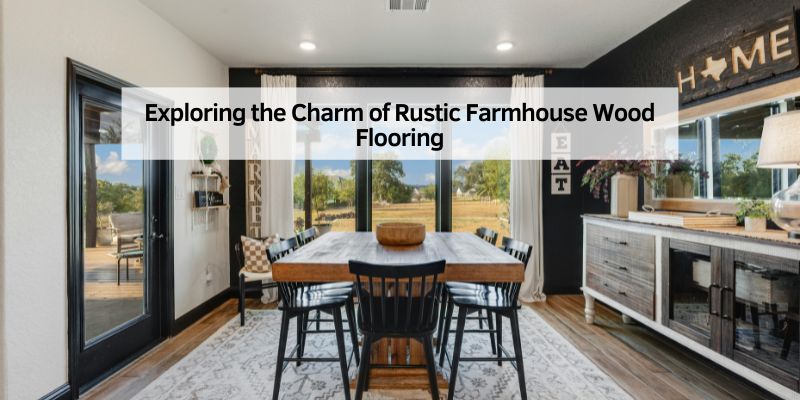
- Traditional Farmhouse: Think shiplap walls, vintage furniture, and neutral tones. My friend’s dining room has barnwood floors, white shiplap, and a wooden table—it’s straight out of a magazine.
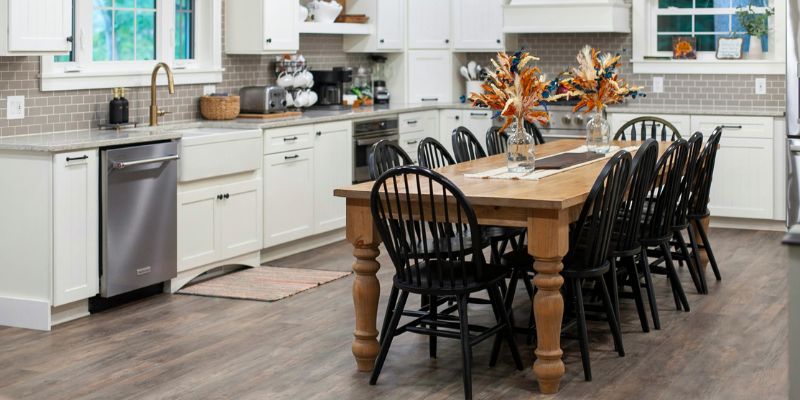
- Modern Farmhouse: Mix sleek furniture with rustic floors. I’ve seen gray oak floors paired with black metal chairs and white walls—stunning.
- Eclectic Boho: Add colorful rugs and plants. My sister’s living room has pine floors with a bright Moroccan rug, and it’s so cozy.
- Industrial: Combine with metal accents and exposed bulbs. A loft I visited had hickory floors and steel furniture—super chic.
Whatever your style, keep the color palette warm to match the floor’s vibe. I love creamy whites, soft grays, and earthy greens with rustic wood.
Budgeting for Rustic Farmhouse Wood Flooring
Let’s talk money. Wood flooring isn’t cheap, but it’s an investment. Here’s what I’ve learned about costs:
- Material Costs: Solid hardwood ranges from $4–$20 per square foot. Engineered wood is slightly cheaper, around $3–$12. Reclaimed wood is pricier due to its uniqueness.
- Installation Costs: Professional installation can cost $2–$5 per square foot. DIY can save money but takes time.
- Extras: Underlayment, adhesives, or transitions can add $1–$2 per square foot.
- Long-Term Savings: Wood floors last longer than carpet or vinyl, saving you replacement costs down the line.
I saved up for a year to afford my oak floors, and it was worth every penny. If your budget is tight, consider engineered wood—it’s more affordable but still looks authentic.
Common Mistakes to Avoid
I’ve made my share of flooring mistakes, so let me save you some trouble:
- Skipping Acclimation: I mentioned this earlier, but it’s critical. Unacclimated wood can warp or gap.
- Choosing the Wrong Wood: Soft woods like pine dent easily. If you have heavy furniture, go for oak or hickory.
- Ignoring Maintenance: Neglecting spills or using harsh cleaners can ruin the finish. Stick to gentle products.
- Overlooking Room Size: Dark floors can make small rooms feel smaller. I used light maple in my tiny office, and it opened up the space.
Take your time planning. I rushed my first flooring project and ended up with mismatched planks. Measure twice, order once.
Conclusion
After years of living with rustic farmhouse wood flooring, I can tell you it’s more than just a trend. It’s a lifestyle choice. These floors bring warmth, character, and durability to any home. They’re forgiving to life’s messes and versatile enough to match any decor. Whether you’re sipping coffee in a cozy kitchen or hosting friends in a rustic dining room, these floors make every moment feel special. I’ve walked you through the types, finishes, installation, and care, so you’re ready to make an informed choice. Trust me, once you step onto those beautifully imperfect planks, you’ll wonder why you didn’t do it sooner. Your home deserves this timeless touch—go for it!
Frequently Asked Questions
What is rustic farmhouse wood flooring?
It’s wood flooring with a distressed, natural look that mimics the charm of old farmhouses. Think knots, grain variations, and hand-scraped textures. It’s warm, cozy, and full of character.
Is rustic farmhouse flooring durable?
Yes! Hardwoods like oak and hickory are super tough. Even softer pines hold up well with proper care. My oak floors have survived years of kids and dogs.
Can I install rustic farmhouse flooring myself?
You can, especially with floating floors. I did a floating floor in my guest room, and it was straightforward. But for nail-down or reclaimed wood, I’d recommend a pro.
How do I clean rustic farmhouse wood floors?
Sweep or vacuum regularly, and use a damp mop with a wood-safe cleaner like Bona. Avoid soaking the floor—water can damage it. I clean mine weekly, and they look great.
Is reclaimed wood worth the cost?
Absolutely, if you want authenticity. Reclaimed barnwood is unique and eco-friendly, but it’s pricier. I sourced some for a client, and the result was breathtaking.
Can rustic flooring work in small spaces?
Yes, but choose lighter tones like maple or gray oak to make the room feel bigger. My small office has light maple floors, and it feels airy and open.
How often should I refinish my floors?
Every 5–10 years, depending on wear. My kitchen floor needed refinishing after seven years, and it was like getting a brand-new floor.