10 Paint Colors for Cherry Wood Floors (Plus What to Avoid)
Cherry wood floors carry a warm, reddish-brown undertone that clashes with yellow-based whites and orange-leaning beiges — true neutrals like Sherwin-Williams Alabaster (SW 7008) or muted greens like Benjamin Moore Silver Sage balance them instead. Get the undertone wrong and a room reads muddy instead of rich. This guide covers 10 named paint picks by color family, which shades to avoid, and why cherry floors keep darkening for up to a year after installation — which changes what “matches” over time.
Quick Answer
For cherry wood floors, choose true neutrals (Sherwin-Williams Alabaster SW 7008, Benjamin Moore White Dove OC-17), warm grays (Agreeable Gray SW 7029), or muted greens (Benjamin Moore Silver Sage). Avoid yellow-based whites and orange-leaning beiges — they intensify the floor’s red cast instead of balancing it.
Understanding Cherry Wood’s Warm Undertones
Best Cherry Floor Care Pick
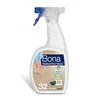
Bona Hardwood Floor Cleaner Spray
A pH-neutral spray formulated for finished hardwood — safe for polyurethane-sealed cherry floors and won’t leave the dulling residue that all-purpose cleaners can.
- Best for: routine cleaning of sealed/finished cherry hardwood
- Why we picked it: pH-neutral formula won’t dull or discolor polyurethane finish, which keeps the floor’s color-matching predictable as it darkens
- Main drawback: not rated for unsealed, waxed, or oil-finished floors
Compare more hardwood floor cleaner options
 Option 1 Bona PowerPlus Hardwood Floor Deep Cleaner
|
 Option 2 Rejuvenate All Floors Cleaner
|
 Option 3 Zep Hardwood and Laminate Floor Cleaner
|
As an Amazon Associate we earn from qualifying purchases.
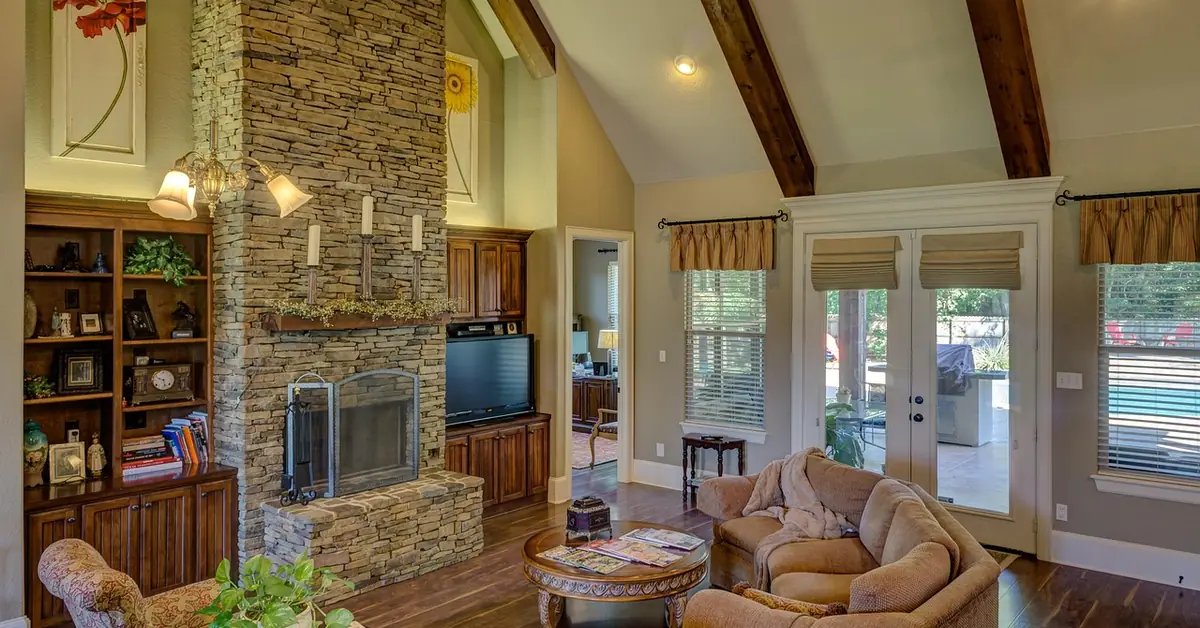
Cherry floors read reddish-brown with pink-to-amber undertones — a different family from the golden-brown of oak or the pale honey of maple. That undertone is what makes color-matching tricky: a wall paint with even a hint of yellow amplifies the floor’s red cast, while a paint leaning blue, green, or true gray visually cools and balances it. The floor’s finish sheen matters too — a satin or semi-gloss polyurethane reflects more ambient wall color back into the room than a matte finish does, so bold wall colors read even stronger against a glossier floor.
Why Cherry Wood Floors Darken Over Time — And Why That Changes Your Paint Choice
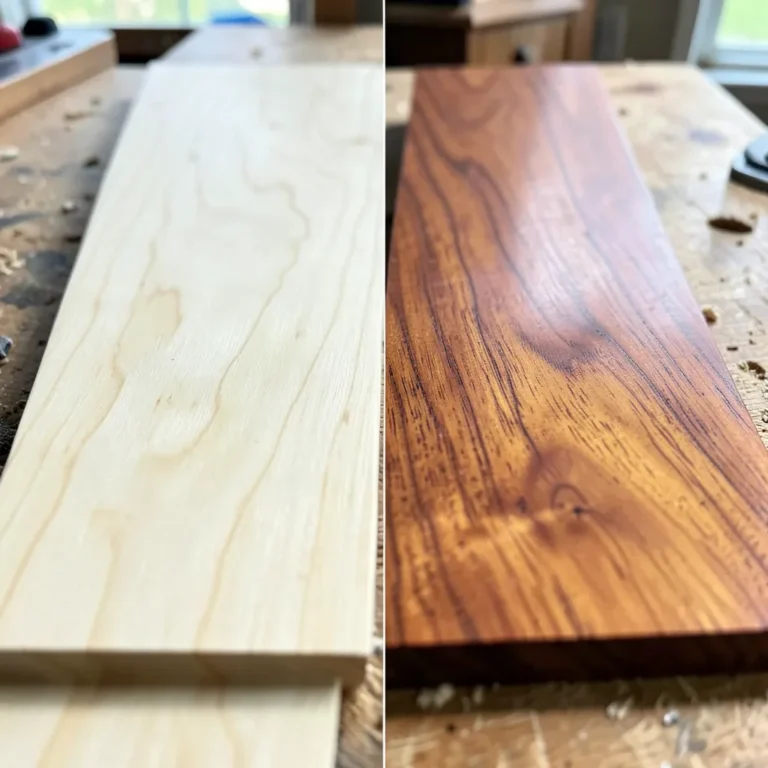
Cherry hardwood starts out light salmon-pink and darkens dramatically as its natural tannins react with UV light and oxygen. Most of that shift happens fast: roughly 80% of the total color change occurs within the first year, and direct sunlight can visibly deepen the color in days rather than months. Our full breakdown of the timeline is in Does Cherry Wood Darken Over Time?.
The practical takeaway: a paint chosen against a freshly sanded or newly installed cherry floor can clash within months as the floor deepens toward a richer red-brown. When two options both look fine today, favor the one that will still work once the floor has finished darkening — usually the slightly cooler or more muted option of the two.
📊 About 80% of a cherry floor’s total color change happens in its first year, driven by UV exposure and oxidation of the wood’s natural tannins — Source: woodworkingadvisor.com wood-aging research.
Keeping the floor’s finish clean and evenly worn also keeps its color predictable while it ages — uneven dirt buildup or rug shadowing creates patchy oxidation, which throws off any paint-to-floor match. Our guide to cleaning cherry wood floors covers the safe routine in more detail, but the short version: a pH-neutral hardwood cleaner made for finished floors (not an all-purpose or vinegar-based cleaner, which can dull polyurethane over time) is the safest way to maintain an even color as the floor darkens. If you’d rather speed up or deepen that natural darkening on purpose, see how to darken cherry wood for controlled methods instead of waiting on sunlight alone.
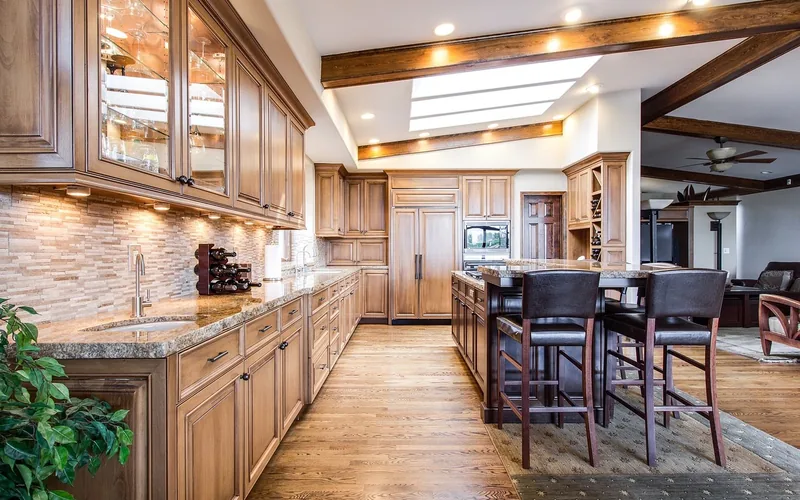
Best Neutral Paint Colors for Cherry Wood Floors
True neutrals — paints without a strong yellow, pink, or blue bias — are the safest starting point because they let the floor stay the visual focal point instead of competing with it.
- Sherwin-Williams Alabaster (SW 7008) — a soft warm white with almost no yellow, one of the most reliable whites for rooms with red-toned wood.
- Benjamin Moore White Dove (OC-17) — a slightly warmer off-white that keeps trim and walls from looking stark next to a rich floor.
- Sherwin-Williams Agreeable Gray (SW 7029) — a warm greige that consistently performs well in rooms with cherry or other red-brown wood tones.
- Benjamin Moore Classic Gray (OC-23) — a barely-there gray with a whisper of warmth, good for rooms that get limited natural light.
Best Warm and Bold Paint Colors for Cherry Wood Floors
If you want the room to lean warm and dramatic rather than neutral, these work with cherry’s red undertone instead of fighting it.
- Benjamin Moore Pink Harmony (AF-90) — a dusty, peach-leaning pink that pulls out cherry’s red undertone for a warm, vibrant look rather than clashing with it.
- Behr Frosted Sage (N400-2) pairs surprisingly well as an earthy warm-neutral crossover if pure pink feels like too much commitment.
- A muted terracotta or brick red (in the Behr Marquee “Retro Pink” family) reads as warm and grounded rather than matching the floor shade-for-shade, which is what makes it work instead of looking like a mismatch.

Best Cool-Toned Paint Colors for Cherry Wood Floors
Cool colors create the strongest contrast with cherry’s warmth, which reads as fresh and intentional rather than mismatched when the undertone is muted rather than bright.
- Benjamin Moore Silver Sage — an ethereal, muted green that softens the room and brings out cherry’s red tones without competing.
- Sherwin-Williams Poolhouse (SW 7603) — a deep, jewel-toned teal-blue for a striking, luxurious contrast in rooms with strong natural light.
- Sherwin-Williams Calypso (SW 6950) — a saturated blue that works best as an accent wall rather than a whole-room color next to a warm floor.
Cherry Wood Paint Color Cheat Sheet
| Paint (Brand + Name/Code) | Undertone Family | Best For |
|---|---|---|
| Sherwin-Williams Alabaster (SW 7008) | True neutral white | Any room, safest all-around match |
| Sherwin-Williams Agreeable Gray (SW 7029) | Warm greige | Living rooms, open-plan spaces |
| Benjamin Moore White Dove (OC-17) | Warm off-white | Trim-heavy or traditional rooms |
| Benjamin Moore Silver Sage | Muted cool green | Bedrooms, calming spaces |
| Benjamin Moore Pink Harmony (AF-90) | Warm dusty pink | Dining rooms, statement walls |
Paint Colors to Avoid With Cherry Wood Floors
Colors that lean warm and yellow are the most common mismatch — they intensify cherry’s existing redness instead of balancing it, which can push a room toward looking orange or muddy rather than rich.
- Yellow-based whites and creams (often labeled “warm white” or “ivory”) — they stack warmth on top of warmth instead of offering contrast.
- Orange-leaning beiges and tans — these read as competing with the floor rather than framing it.
- Bright, saturated yellow — clashes directly with cherry’s red-orange undertone in most lighting.
How to Test Paint Colors Against Your Cherry Floor
Buy a large sample pot, not just a paint chip, and brush it onto a poster-board square at least 12×12 inches — small chips don’t show enough surface area to judge undertone accurately next to a busy wood grain.
Check the sample against the floor in both morning and evening light, since cherry’s red cast shifts noticeably under warm artificial light versus cool daylight. Move the board to at least two spots in the room, since light bounced off the floor itself can tint a paint sample held flat against a nearby wall. Keep in mind that most paints also darken slightly as they dry and cure, so judge a sample after it’s fully dry, not while it’s still wet on the board.
“Cherry’s red undertone is easy to misjudge on a screen — a gray that looks clean and neutral in a phone photo can pick up a pink or lavender cast once it’s actually next to the wood. Always judge a sample against the real floor, in the room, not a photo of it.”
Frequently Asked Questions
What wall color goes with cherry wood floors?
True neutrals work most reliably — Sherwin-Williams Alabaster (SW 7008) or Benjamin Moore White Dove (OC-17) for whites, Sherwin-Williams Agreeable Gray (SW 7029) for a warm gray. Muted greens like Benjamin Moore Silver Sage also pair well without competing with the wood.
What paint colors should I avoid with cherry wood floors?
Avoid yellow-based whites, orange-leaning beiges, and bright saturated yellow. These all lean the same direction as cherry’s existing red-orange undertone, which pushes a room toward looking muddy or overly orange instead of balanced.
Do cherry wood floors get darker over time?
Yes. Cherry starts light salmon-pink and darkens toward a deep reddish-brown as its natural tannins react with UV light and oxygen — roughly 80% of that color change happens within the first year. Pick a paint color that will still work once the floor has finished darkening, not just how it looks today.
What furniture colors go well with cherry wood floors?
Light to medium furniture tones (whites, light grays, and soft neutrals) keep the room from feeling too dark, while black or dark bronze metal accents add contrast without competing with the floor’s warmth. Avoid furniture in a close-matching reddish wood tone, which can make the floor and furniture blend into a single heavy mass.
What wall color goes with red or reddish wood floors?
The same logic that applies to cherry applies to other red-toned woods: true neutrals, warm grays, and muted cool greens balance the red undertone, while yellow-based whites and warm beiges intensify it.
Conclusion
Cherry wood floors pair most reliably with true neutrals and muted cool colors — Sherwin-Williams Alabaster, Agreeable Gray, or Benjamin Moore Silver Sage are safe starting points — while yellow-based whites and orange-leaning beiges consistently clash with the floor’s red undertone. Because cherry keeps darkening for up to a year after installation, test any sample against the actual wood in real room light before committing to a full gallon.
Sponsored / affiliate links. As an Amazon Associate I earn from qualifying purchases. I may earn additional commission from eligible campaigns.