Current Wood Floor Color Trends: A Simple Guide to Stylish Floors
Current wood floor color trends favor warm, natural tones over the cool grays that dominated the last decade: light blonde oak, warm honey and walnut browns, and greige (gray-beige) as the modern-neutral middle ground. Wide-plank boards (5″+ ) and pattern layouts like herringbone are the dominant format trend alongside color. Gray-only floors, popular a few years ago, are fading in favor of these warmer tones.
Light Wood: Bright And Airy
Best Cleaner To Keep Trending Floors Looking New
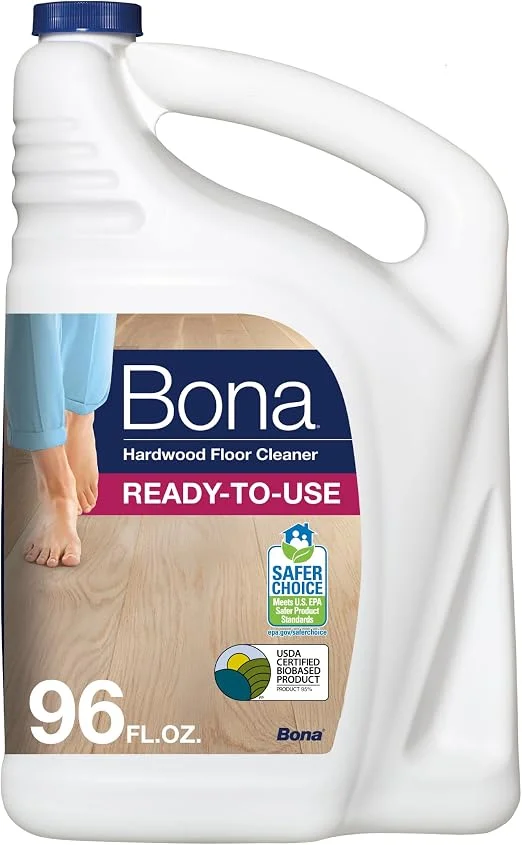 |
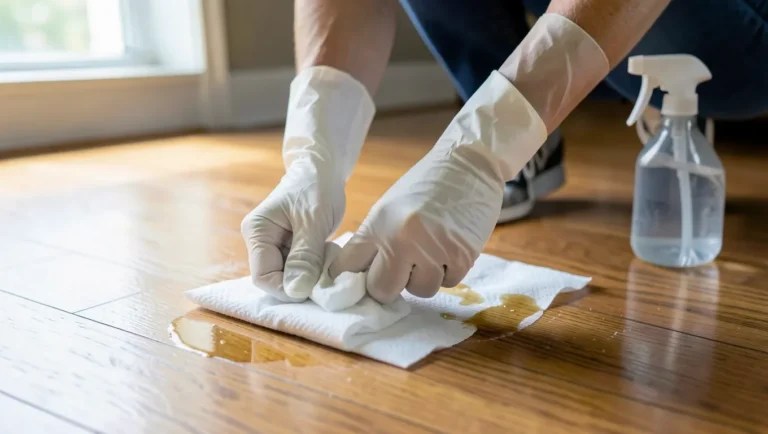
Bona Hardwood Floor Cleaner Refill, 96 Fl Oz – $15.99 Light floors in particular show dust fast – a pH-neutral, residue-free cleaner keeps the color looking true instead of hazy.
|
Light wood floors – blonde oak, maple, ash – make rooms feel larger and brighter, which is why they’re especially popular in smaller spaces or rooms with limited natural light. They suit modern, Scandinavian, and coastal design styles.
- Best for: Small rooms, spaces with little natural light, modern/minimalist interiors.
- Real tradeoff: light floors show dust and debris more visibly than darker tones, so they need more frequent sweeping to look their best.
Warm Browns: Cozy And Classic
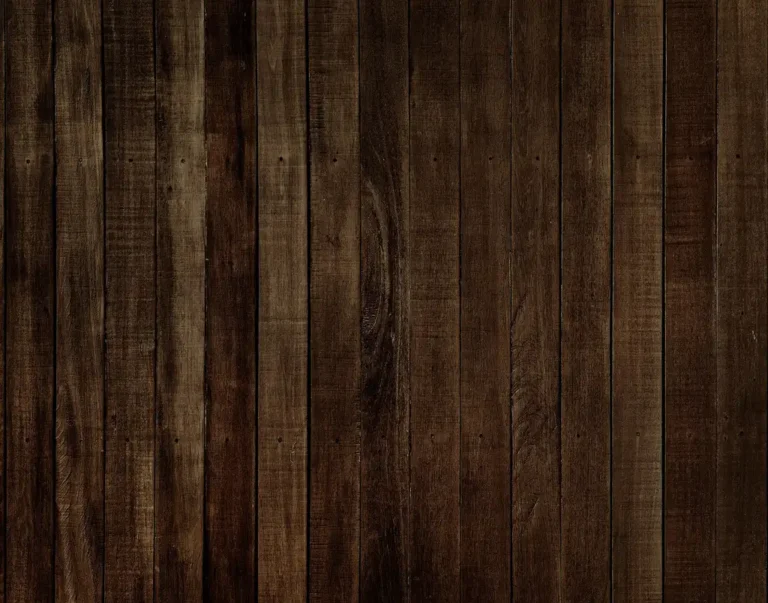
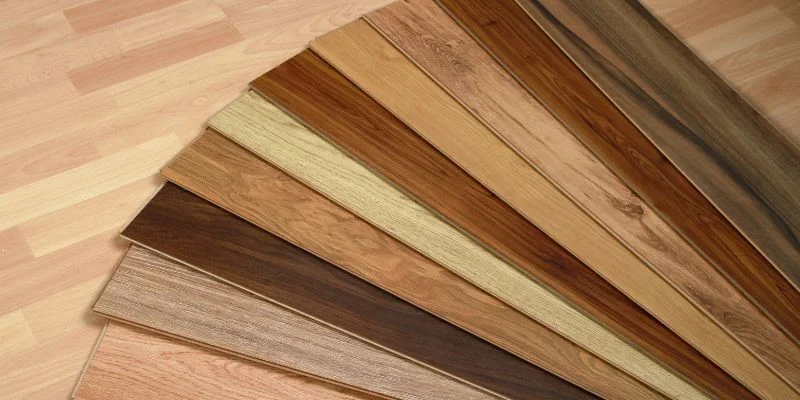
Warm browns – honey oak, walnut, medium hickory – remain a durable, timeless choice that suits traditional and farmhouse interiors. Unlike some past trend cycles built around very dark, almost black stains, current warm-brown trends lean toward mid-tones with visible wood grain rather than a uniformly dark, grain-hiding finish.
- Best for: Living rooms, dining areas, traditional or farmhouse interiors.
- Real tradeoff: can read as heavy or dated in a small, low-light room if the walls and furnishings are also dark – pair with lighter walls or rugs to keep the space feeling open.
Greige: The Modern Neutral
Greige (gray plus beige) has largely replaced pure cool gray as the go-to neutral floor color – it reads as modern without the cold, sterile feel straight gray can have in a room with warm-toned furniture or natural light.
- Best for: Modern or minimalist homes, open-plan layouts, spaces that need to work with multiple existing color schemes.
- Real tradeoff: lighting changes it noticeably – a greige sample that looks warm under incandescent light can read distinctly gray under daylight LEDs, so always test the actual sample in the room, at different times of day, before committing.
Wide Planks And Patterns
Wide plank boards (over 5″) remain the dominant format trend, showing off more of the wood’s natural grain per board than narrow strip flooring. Herringbone and chevron layouts add a higher-end, more formal look, especially in entryways and larger rooms.
- Best for: Large rooms, entryways, spaces where you want the flooring itself to be a design feature.
- Practical tip: engineered wood (rather than solid) is generally easier to install in wide-plank and patterned layouts, since it’s more dimensionally stable across a wide board.
Quick Comparison
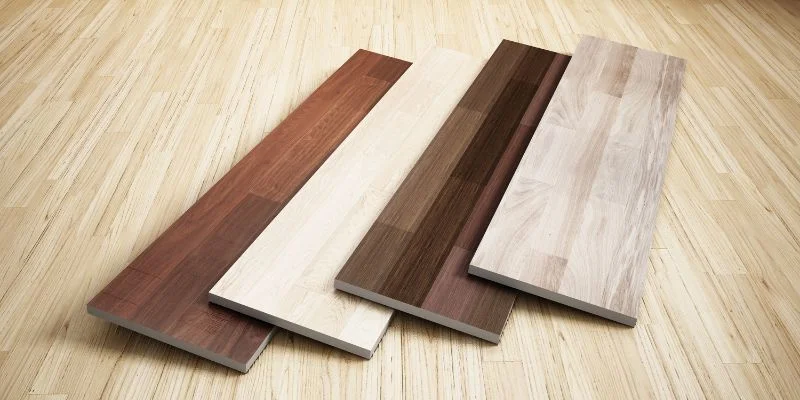
| Color | Best For | Real Tradeoff | Typical Cost/Sq Ft |
|---|---|---|---|
| Light wood | Small rooms, modern/coastal | Shows dust more visibly | $5-$10 |
| Warm brown | Traditional, cozy spaces | Can feel heavy in a small, dark room | $6-$12 |
| Greige | Modern, neutral, flexible | Shifts noticeably under different lighting | $6-$12 |
| Red tones (cherry/mahogany) | Rustic, bold interiors | Least versatile, harder to match | $7-$15 |
How To Actually Pick A Color
- Test real samples in your room, not just in a showroom – lighting changes how a color reads more than almost any other factor. Check the sample at different times of day under your actual light sources.
- Match your room’s size and light level – light colors open up small or dim rooms; darker tones work better in larger, brighter spaces where they won’t feel closing-in.
- Factor in real maintenance differences – light floors show dust more; dark floors show scratches and dust more visibly than mid-tones do.
- A sample board (a few real samples taped to cardboard, moved around the room over a day or two) remains the single most reliable low-cost way to avoid an expensive color mistake.
Frequently Asked Questions
What Are The Most Popular Wood Floor Colors Right Now?
Light wood (blonde oak, maple), warm mid-tone browns (honey oak, walnut), and greige are the three dominant trends. Straight cool gray, popular a few years ago, is fading in favor of these warmer options.
How Do I Pick A Wood Floor Color For A Small Room?
Choose a light wood tone like blonde oak or maple – it reflects more light and makes small spaces read as larger and brighter. Always test a real sample under your room’s actual lighting before committing.
Are Gray Wood Floors Still Trendy?
Straight cool gray is fading in favor of warmer alternatives. Greige (gray-beige) has largely taken its place as the modern neutral, since it avoids the cold, sterile look pure gray can have with warm-toned furniture or natural light.
Can I Change My Wood Floor Color Later?
Yes, if it’s solid hardwood or engineered wood with a sufficient wear layer – it can be sanded and refinished with a new stain color. This is a genuine, budget-friendlier alternative to full replacement if a color trend changes.
Conclusion
Current wood floor color trends favor warmth and natural variation over the cool, uniform gray of a few years ago – light wood, warm mid-tone browns, and greige are the three real contenders, each with genuine tradeoffs in maintenance and how they read under different lighting. Test actual samples in your own room before committing; it’s the one step that reliably prevents an expensive color regret.
Sponsored / affiliate links. As an Amazon Associate I earn from qualifying purchases. I may earn additional commission from eligible campaigns.