Signs of Termites in Wood: How to Detect and Prevent Damage
Termites are silent destroyers. They can cause serious damage to wooden structures.
Identifying termite activity early can save you from costly repairs. Termites eat wood from the inside out, making detection difficult. They often go unnoticed until significant damage has occurred. Understanding the signs of termite infestation is crucial for homeowners. This knowledge helps in taking prompt action.
In this blog post, we will explore the key signs of termites in wood. You will learn how to spot their presence and protect your home. Stay with us as we uncover the hidden indicators of these destructive pests. Your home’s safety might depend on it.
Common Signs Of Termites
Termites are tiny yet destructive pests that can cause significant damage to wooden structures. Knowing the common signs of termites in wood is crucial. Early detection can save you from costly repairs. Here are some common signs to look out for:
Mud Tubes
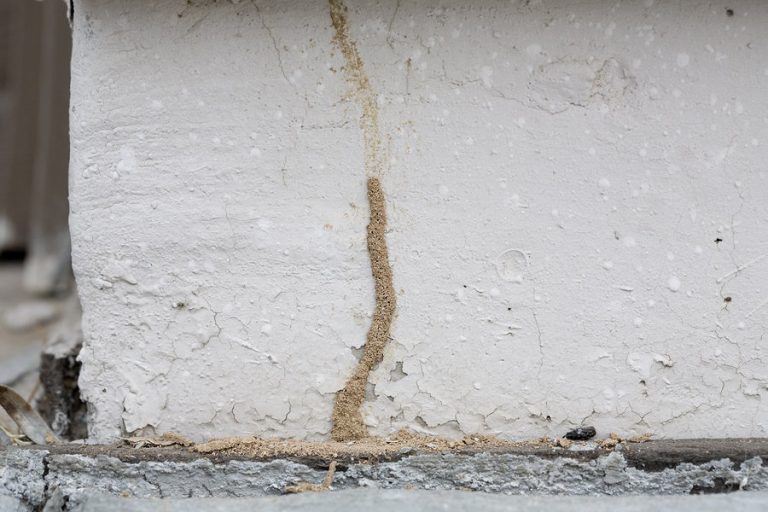
Mud tubes are a telltale sign of termites. These tubes are small, narrow tunnels made of soil and wood particles. Termites use them to travel between their nest and food sources. You often find mud tubes on walls, foundations, or wooden beams. Break one open. If you see active termites inside, you have an infestation.
Discarded Wings
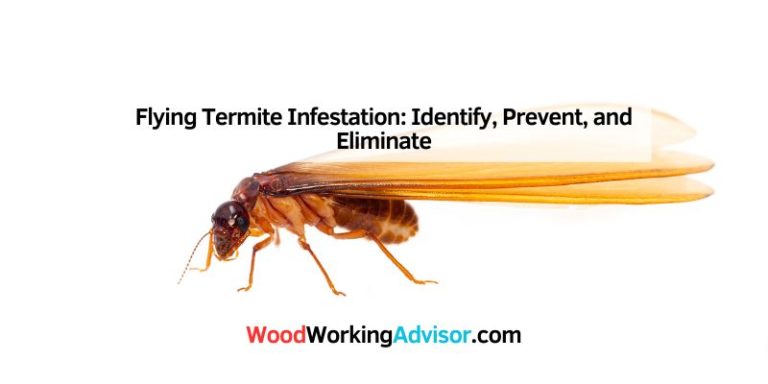
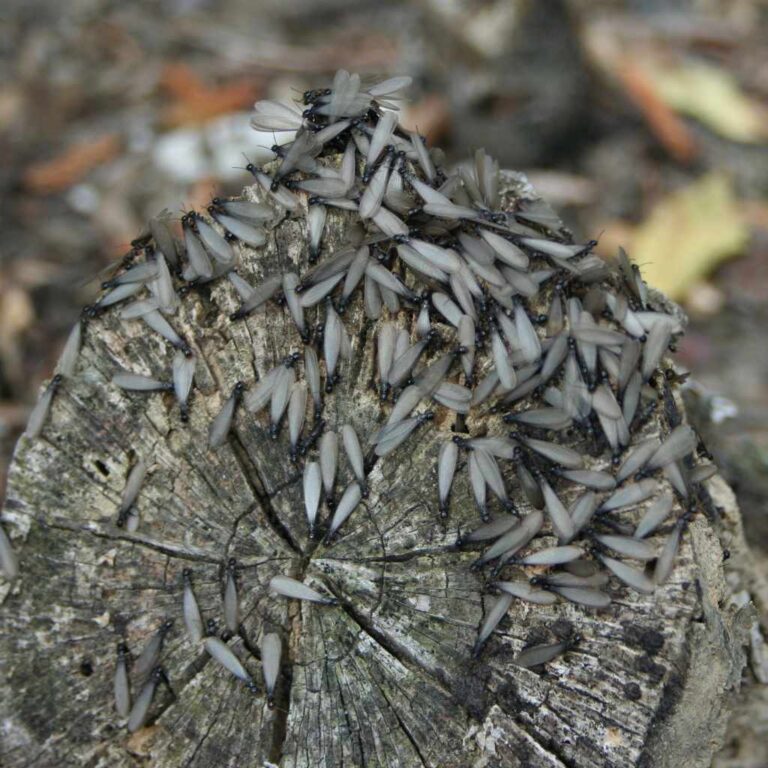
Termites shed their wings after swarming. Swarming occurs when reproductive termites leave their colony to start new ones. Finding piles of discarded wings around windowsills, doors, or other entry points is a strong indicator. These wings are often the same size and translucent. If you see them, it’s time to inspect further.
Frass
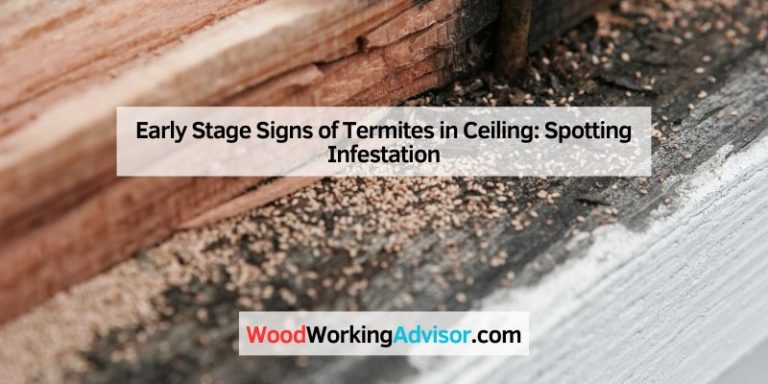
Frass is termite droppings. It looks like tiny wood-colored pellets or sawdust. Drywood termites push frass out of their tunnels, creating small piles. Check around wooden structures, windowsills, and door frames. Frass is a clear sign of a termite presence. Regular cleaning can help you spot it more easily.
Damage Indicators
Hey friends, termites in wood can be a real headache. They are tiny, but their damage can be huge. You might not see them right away, but they leave signs. These signs are called damage indicators. Let’s talk about three common ones: hollow wood, warped floors, and blistering paint. These are easy to spot if you know what to look for.
Hollow Wood
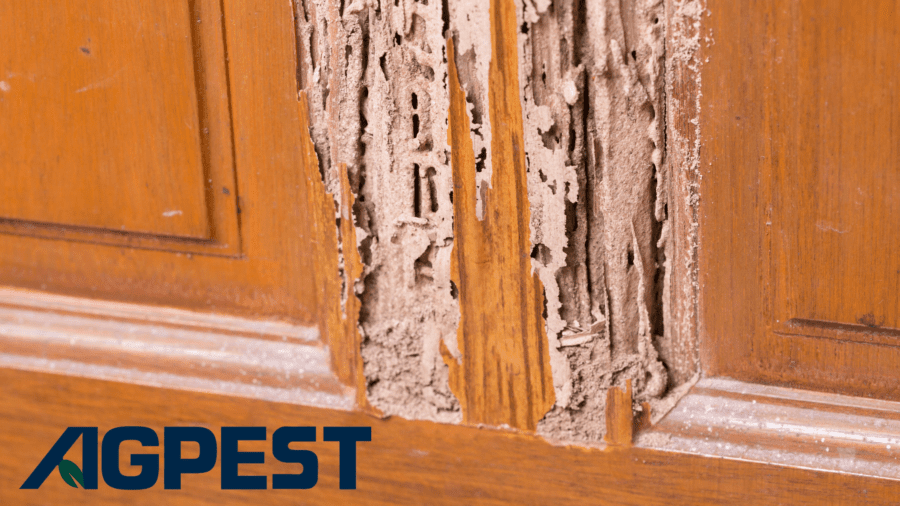
If you tap on wood and it sounds empty, you might have termites. They eat wood from the inside out. So, the wood looks fine on the outside, but inside, it is hollow. Think of it like a chocolate Easter bunny. It looks solid, but when you bite into it, you find out it’s hollow. To check, grab a screwdriver and gently tap on the wood. If it sounds hollow, termites might be the cause.
Warped Floors
Have you noticed your floors looking uneven? Or maybe they feel bouncy when you walk on them? This can be another sign of termites. They damage the wood under your floors, making them warp. Imagine walking on a wooden bridge that is falling apart. Scary, right? That’s what termites do. They weaken the wood structure, causing the floors to change shape.
Blistering Paint
Blistering paint is when paint looks like it has bubbles or small bumps. This happens because termites create moisture when they eat wood. The moisture gets trapped under the paint, causing it to blister. It’s like cooking pancakes. If there’s too much moisture in the batter, you get bubbles. So, if you see blistering paint, check for termites.
Types Of Termites
Hey friends, today we’re diving into the world of termites. These tiny pests can cause big problems. If you’re seeing signs of termites in wood, it’s important to know which type you’re dealing with. Why? Because different termites require different treatment methods. Let’s explore the three main types of termites you might encounter.
Subterranean Termites
Subterranean termites are the most common type. They live in the soil and build mud tubes to access wood. These tubes protect them from the air and predators. Imagine a secret tunnel for termites. They use it to move back and forth between their nest and the wood they are munching on.
How can you spot them? Look for:
- Mud tubes on walls or foundations
- Damaged wood that sounds hollow when tapped
- Swarmers (winged termites) around your property
Drywood Termites
Drywood termites are different. They don’t need soil contact. Instead, they live and feed inside dry wood. This could be your furniture, wooden beams, or even picture frames. These termites can be harder to spot because they live entirely within the wood.
Signs of drywood termites include:
- Tiny holes on the surface of the wood
- Frass (termite droppings) that look like small wood pellets
- Tunnels inside the wood, which might become visible if the wood is broken
Dampwood Termites
Dampwood termites, as their name suggests, prefer wood that is moist. They are often found in areas with high humidity or where water leaks have occurred. If you have damp wood around your home, keep an eye out for these pests.
Look for these signs:
- Soft spots in wood that feel spongy
- Visible damage to wood structures like fences, decks, or trees
- Dead termites or wings near infested areas
The good news? Knowing the type of termite you have can help you choose the right treatment. So, keep an eye out for these signs and take action quickly. Your home will thank you!
Inspection Techniques
Detecting termites in wood early can prevent extensive damage. Effective inspection techniques can help you identify infestations quickly. Here are some methods to spot signs of termites in wood.
Visual Inspection
Start with a thorough visual inspection. Look for mud tubes on wood surfaces. These tubes are termite highways. Check for wood that looks swollen or has blistered paint. Tap on the wood and see if it sounds hollow. Hollow wood can mean termite damage. Notice any droppings. Termite droppings look like tiny wood-colored pellets.
Sound Test
Use a sound test to find termites. Tap on the wood surface. Listen for a hollow sound. A hollow sound often means the wood is damaged inside. You can also use a screwdriver. Tap it against the wood. If the wood sounds hollow, inspect further. This simple test can reveal hidden termite activity.
Moisture Meter
A moisture meter can help detect termite presence. Termites need moisture to survive. Higher moisture levels in wood can indicate termite activity. Place the meter on different wood surfaces. Read the moisture level. If it’s unusually high, termites might be present. This tool provides a non-invasive way to inspect wood.
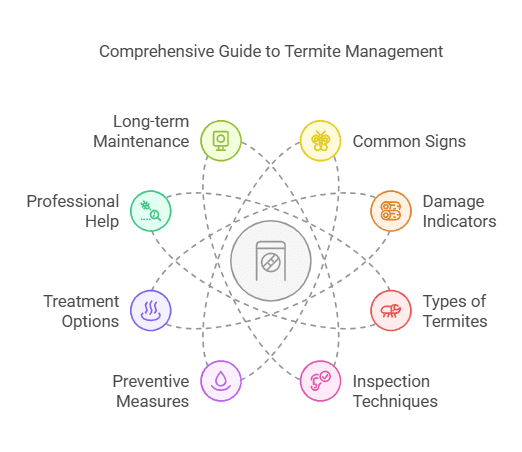
Preventive Measures
Hey friends, if you’re worried about termites in your home, don’t fret. There are simple things you can do to keep these pests at bay. In this section, we’ll talk about easy preventive measures. Let’s dive in!
Reduce Moisture
Termites love moisture. It’s like a magnet for them. So, the first thing you need to do is reduce moisture around your home. How? Here are some tips:
- Fix leaky pipes and faucets. Even small drips can attract termites.
- Use a dehumidifier in damp areas like basements.
- Ensure your gutters and downspouts are clear and direct water away from your home.
Think of it like this: keeping your home dry is like putting a “No Entry” sign for termites.
Seal Cracks
Termites are tiny. They can sneak into your home through the smallest cracks. So, sealing these cracks is crucial. Here’s what you can do:
- Check for cracks in your home’s foundation and walls. Seal them with caulk.
- Inspect windows and doors for gaps. Use weatherstripping to close them.
- Look at your roof for any holes or damage. Fix them immediately.
Imagine termites as burglars. Sealing cracks is like locking all the doors and windows. Simple, right?
Remove Wood Debris
Termites love wood. If you have wood debris around your home, it’s like inviting termites for a feast. Here’s what to do:
- Clear away any dead trees or stumps in your yard.
- Don’t store firewood close to your house. Keep it at least 20 feet away.
- Remove any old wooden structures like sheds or fences that are no longer in use.
Think of it this way: removing wood debris is like taking away their buffet. No food, no termites.
So there you have it. Easy steps to keep your home termite-free. Just remember: keep it dry, seal the cracks, and remove wood debris. It’s that simple!

Credit: www.unbugmepestcontrol.com
Treatment Options
Hey friends, today we are going to talk about how to get rid of termites in wood. If you’ve found signs of termites, don’t worry. There are several ways to tackle these pesky invaders. Let’s explore the options together. We’ll look at chemical treatments, bait systems, and heat treatments. Ready? Let’s go!
Chemical Treatments
Chemical treatments are often the first line of defense against termites. They work fast and are effective. Here’s how:
- Liquid Termiticides: These chemicals are applied directly to the soil around your house. They create a barrier that kills termites on contact.
- Wood Treatments: These are applied directly to the wood. They not only kill termites but also prevent future infestations.
Remember, it’s essential to follow the instructions carefully. Incorrect use can harm pets or plants. If you’re unsure, it’s best to hire a professional.
Bait Systems
Bait systems are another option. They work by attracting termites to a bait, which they then carry back to their colony. This method can eliminate the entire colony. Here’s how they work:
- Placement: Bait stations are placed around your property.
- Attraction: Termites are attracted to the bait, which contains a slow-acting poison.
- Elimination: Termites bring the bait back to the colony, spreading the poison and killing the colony.
Bait systems are less invasive than chemical treatments. But, they can take a bit longer to work. Patience is key here.
Heat Treatments
Heat treatments are a chemical-free way to get rid of termites. They are safe and effective. Here’s how they work:
- High Temperatures: The infested area is heated to a high temperature that kills termites.
- Professional Help: This method usually requires professional equipment and expertise.
Heat treatments are great if you prefer an eco-friendly option. Plus, they leave no chemical residue. However, they may not be suitable for all types of structures.
In conclusion, you have several options to treat termites in wood. Chemical treatments, bait systems, and heat treatments each have their pros and cons. Choose the one that fits your situation best. And remember, it’s always okay to call in the pros for help. Your home is worth it!
Professional Help
Termites can cause severe damage to your home. Detecting them early is crucial. Sometimes, spotting signs of termites in wood can be tricky. In such cases, professional help is essential. Experts can identify and eliminate termites efficiently.
When To Call An Exterminator
If you notice hollow-sounding wood, call an exterminator. Mud tubes along walls are another sign. Small piles of wings near windows indicate termites. Droppings resembling sawdust are a red flag. If you see any of these signs, it’s time for professional help.
Choosing A Pest Control Service
Research different pest control services in your area. Check reviews and ratings. Look for licensed and insured companies. Ask for a detailed plan of action. Compare prices and services offered. Ensure they provide a warranty for their work.

Credit: www.diamondcertified.org
Long-term Maintenance
Keeping your home free from termites is a long-term job. Trust me, I know from personal experience. It’s not just about getting rid of them once. You need to keep them away forever. How? By taking care of your wood regularly. Let’s dive into some simple tips for long-term maintenance.
Regular Inspections
Regular inspections are key. Think of it like a routine health check-up. You want to catch any problems early. Here’s what you can do:
- Monthly Checks: Look for signs of termites every month. This includes checking for holes in wood or mud tubes.
- Professional Help: Hire a pro to inspect your home at least once a year. They can spot things you might miss.
Home Improvements
Small changes can make a big difference. Simple home improvements can help keep termites away. Here are some ideas:
- Fix Leaks: Termites love moisture. Fix any leaks in your home to keep wood dry.
- Store Wood Properly: Don’t keep firewood or wooden items close to your house. Termites can move from these to your home.
- Seal Cracks: Seal any cracks in your home’s foundation. This stops termites from getting in.
Monitoring Systems
Setting up a monitoring system can be like having a security camera for termites. It helps you keep an eye on them:
- Bait Stations: Place bait stations around your home. These attract termites and help you spot them early.
- Electronic Monitors: Use electronic devices that can detect termite activity. These are easy to use and very effective.
The good news? These tips are easy to follow and can save you a lot of hassle. I recently asked a friend who had a termite problem, and she said these steps helped her a lot. Stay vigilant, and your wood will stay termite-free.

Credit: www.woodcraft.ca
Frequently Asked Questions
How To Tell If Wood Has Termites?
Check for hollow-sounding wood, visible tunnels, discarded wings, frass (termite droppings), or mud tubes on surfaces.
Is It Bad To Live In A House With Termites?
Yes, living in a house with termites is bad. Termites cause structural damage, health risks, and costly repairs. Prompt treatment is essential.
How Do You Check For Termites In A House?
Check for termites by inspecting wood structures for damage. Look for mud tubes and discarded wings. Tap wood to hear hollow sounds. Use a flashlight to spot droppings or live termites. Consider a professional termite inspection for thorough evaluation.
How Do You Kill Termites In Wood?
Use liquid termite treatments, termite baits, or borate wood treatments. Call a professional for severe infestations. Keep wood dry and sealed.
Conclusion
Detecting termites early can save your home from damage. Look for signs like hollow-sounding wood, mud tubes, and droppings. Regular inspections help catch infestations early. Hire a professional for effective treatment. Protect your home by staying vigilant. Small actions now prevent bigger problems later.
Keep your wood safe from termites. Stay informed, stay protected.