Squeaky Wood Floor Lubricant: Silence Your Steps Today
Are the creaks and groans of your wood floor starting to sound like an uninvited symphony in your home? Those pesky squeaks can turn a peaceful night into a noisy annoyance.
But what if you could silence them with a simple solution that doesn’t involve tearing up your beautiful floors? Enter the world of squeaky wood floor lubricants. This magical fix can transform your home’s soundscape and bring back the serenity you deserve.
You’re about to discover how a little know-how and the right lubricant can put an end to those irritating noises once and for all. Ready to enjoy a quieter, more peaceful living space? Read on to learn how you can achieve this with ease.
Credit: www.homedepot.com
Causes Of Squeaky Wood Floors
Wood floors can squeak due to loose floorboards. When boards move, they rub against each other. This rubbing creates noise. Gaps between boards also cause squeaks. The wood expands and shrinks with temperature. This can make the boards loose.
Nailsor screws might not hold well. They can work loose over time. Walking on the floor can make them move. This movement causes squeaking sounds. Sometimes, the subfloor is not tight. It can move slightly and make noise.
Moisture is another factor. High moisture swells wood. Low moisture dries it out. Both can lead to squeaks. Keeping the room’s humidity stable helps. Regular checks can prevent squeaks. Fixing loose boards early can stop noise.
Credit: www.homedepot.com
Benefits Of Lubricating Wood Floors
Lubricating wood floors can reduce annoying squeaks. Squeaks happen when wood rubs together. Lubricants make floors smooth and quiet. People can walk without noise. Furniture moves without scratching. Floors look better with less wear.
Lubricants help prevent moisture damage. Wood stays dry. Floors last longer. Moisture causes wood to warp. Warped wood is bad. Lubricants stop this problem. They keep wood strong.
Easy to apply. No special tools needed. Just spray or rub on. Anyone can do it. Saves money on repairs. Simple solution for noisy floors.
Choosing The Right Lubricant
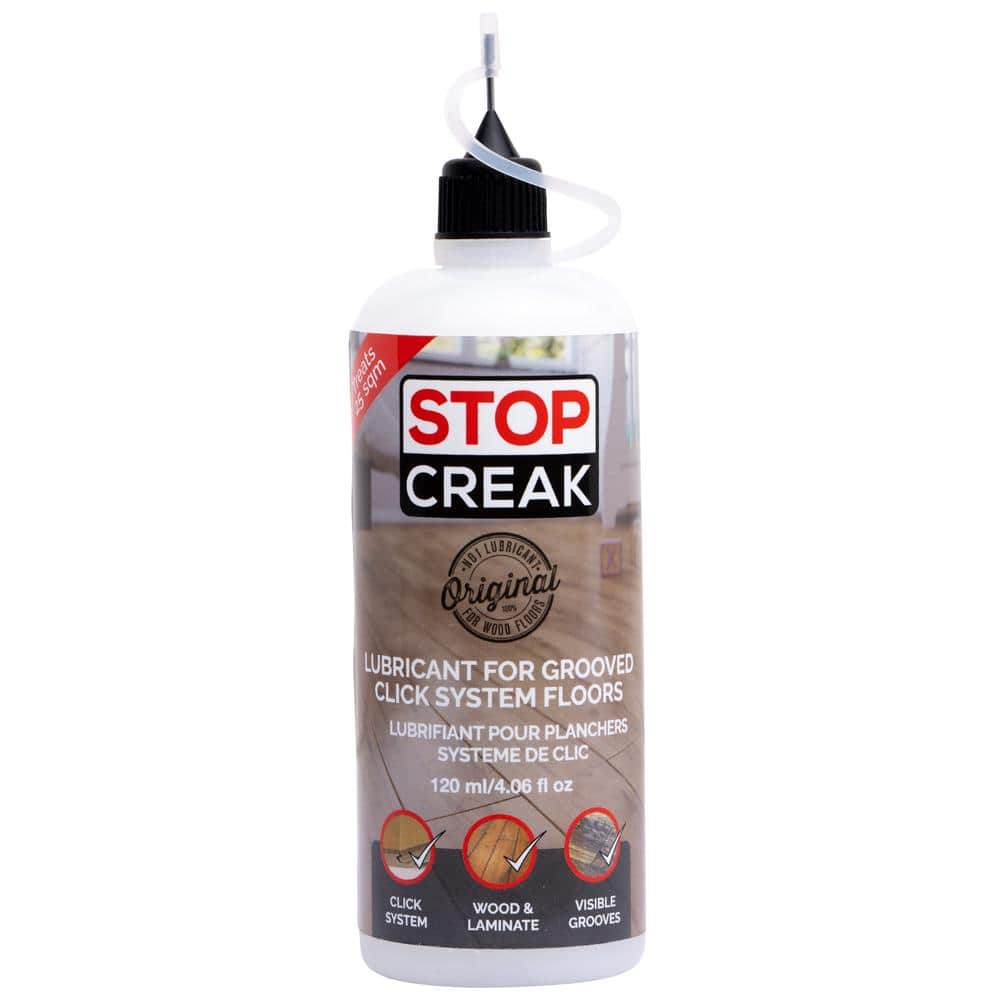
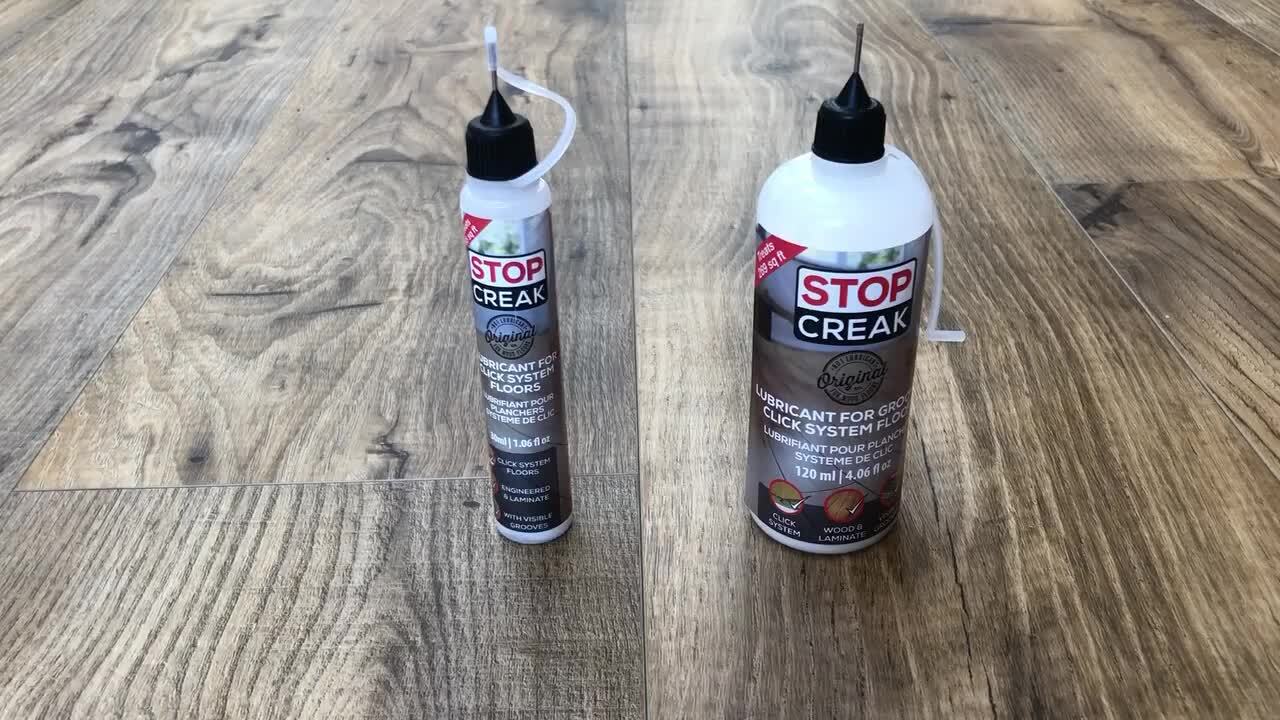
Oil-based lubricants are popular for squeaky floors. They flow easily and cover the surface well. Silicone-based options are great for long-lasting results. They don’t dry quickly. Petroleum jelly can be a cheap fix. Easy to apply. Wax can be another choice. It protects wood and stops squeaks.
Always check the label for safety details. Some products may cause skin irritation. It’s wise to use gloves during application. Ensure the room has good airflow. This prevents harmful fumes. Keep lubricants away from children and pets. Store them in a cool, dry place. Read instructions carefully before use.
Credit: www.homedepot.com
Step-by-step Lubrication Process
Gather all needed tools. Use a good flashlight to see well. Have a soft clothready. Find the right lubricantfor wood. Silicone spray or oil works great. Protect the floor with towels. Wear gloves to keep hands clean. Check for nails or loose boards.
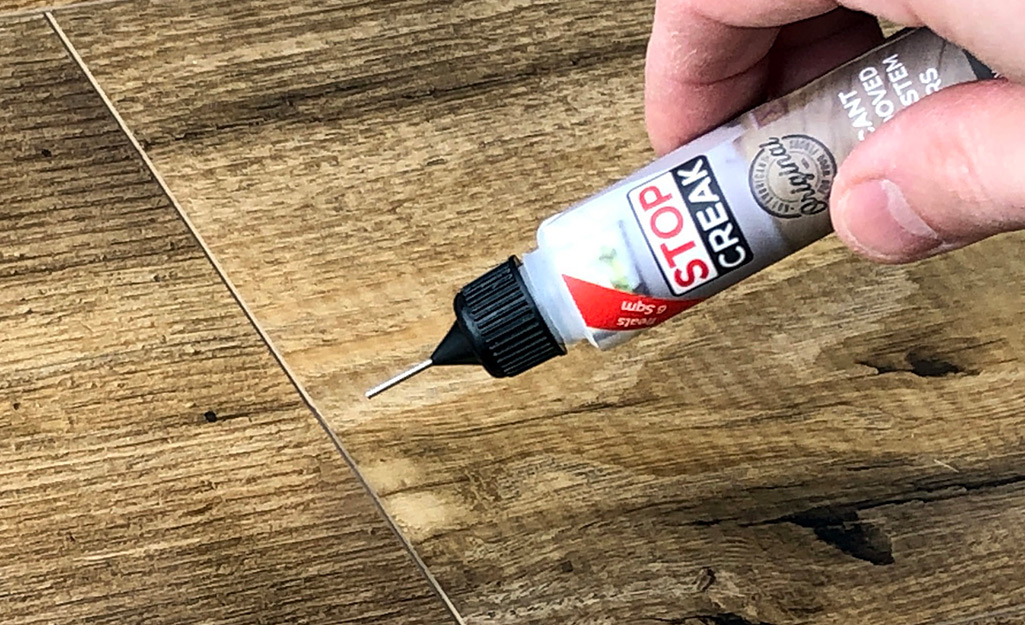
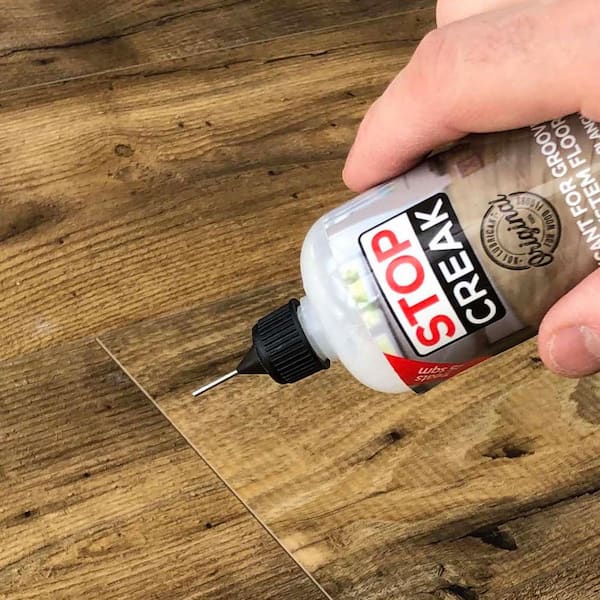
Start by cleaning the floor. Wipe away any dust. Apply lubricantto the squeaky spots. Spray or pour carefully. Use the cloth to spread it. Do not use too much. Let the lubricant soak in. Walk on the floor to test. Repeat if needed.
Check the floor often. Look for new squeaks. Wipe up any extra lubricant. Keep the floor dry and clean. Use rugs to protect high-traffic areas. Avoid dragging heavy items. This keeps the floor quiet longer. Maintain regularly for best results.
Alternative Solutions To Squeaky Floors
Try using baby powder or cornstarch. Sprinkle a small amount between the floorboards. It helps to reduce the noise. Another trick is using vegetable oil. Apply it with a cloth to the squeaky area. Beeswax is another option. Rub it on the problem spots. These methods are safe and easy. They often work well.
Hiring a flooring expert can fix squeaky floors. They have special tools. Professionals know how to find the problem. Carpenters can tighten loose boards. They might use screws or nails. Flooring experts can also recommend the right lubricants. They ensure long-lasting solutions. It’s a good choice if you want expert help.
Maintaining Quiet Wood Floors
Check your floors often. Dust and dirt can cause squeaks. Clean floors help in reducing noise. Use a soft broom or mop. Avoid harsh chemicals. They can hurt the wood. Wipe spills quickly. Water can damage floors. Use rugs in heavy traffic areas. They protect the wood.
Listen for creaks often. Notice floorboards that move. These can be signs of trouble. Check for gaps in the wood. Look for nails that stick out. Unusual stains can be a problem. They might mean water damage. Regular checks can help catch issues early.
Frequently Asked Questions
What Causes Wood Floors To Squeak?
Wood floors squeak due to loose floorboards or subfloor issues. Changes in humidity cause wood to expand or contract. This movement can create gaps and friction between the boards. Nails or screws may also become loose over time, leading to squeaks when walked on.
Can Lubricant Fix Squeaky Wood Floors?
Yes, lubricant can help reduce squeaks in wood floors. Applying lubricant between the floorboards minimizes friction and noise. Choose a silicone-based or dry lubricant for best results. Ensure the area is clean before application for optimal effectiveness. Regular maintenance can prevent future squeaks.
How Do You Apply Floor Lubricant?
To apply floor lubricant, first clean the affected area. Use a silicone-based spray or dry lubricant. Apply directly into the seams of the floorboards. Ensure even distribution for best results. Test the area by walking over it to confirm noise reduction.
Is Silicone Spray Safe For Wood Floors?
Silicone spray is generally safe for wood floors. It reduces friction without damaging the wood. Ensure it’s specifically designed for flooring use. Always test a small area first to prevent any adverse effects. Proper application can effectively minimize squeaks while maintaining floor integrity.
Conclusion
Squeaky wood floors can be annoying. They disrupt peace at home. Lubricants offer a simple solution. They are easy to apply and effective. With regular use, floors stay quiet and smooth. This saves time and frustration. Choosing the right lubricant is important.
Always read labels and follow instructions. For long-lasting results, check floors regularly. This prevents squeaks before they start. Enjoy a peaceful home environment. A little effort makes a big difference. Silence those squeaky floors today. Your home will thank you.