Best Way to Clean Manufactured Wood: Laminate, MDF, Particleboard
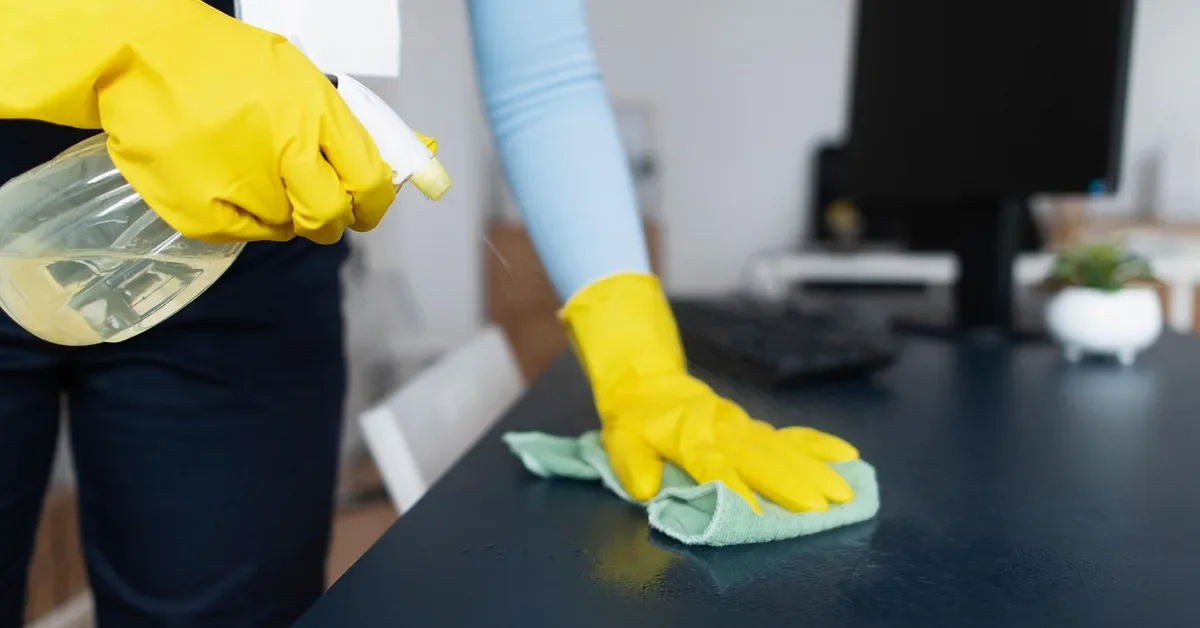
The best way to clean manufactured wood is a dry microfiber pass first, then a barely damp cloth, then an immediate dry wipe. The surface is rarely what gets hurt. The exposed particleboard or MDF core underneath swells the moment water finds a seam, a chipped edge or a worn corner, and that swelling is permanent.
Most cleaning advice for this material is really hardwood advice with the word laminate swapped in. Two manufacturer guides I read for this update disagree on something as basic as dish soap, which is why this page sorts the rules by what your piece is made of instead of giving one universal recipe. Everything below comes from Formica’s care instructions, Armstrong’s laminate flooring care guidance and National Wood Flooring Association (NWFA) guidance on engineered floors, and anything I could not source is flagged as a judgment call.
The Best Way to Clean Manufactured Wood Without Swelling It
Best Damp-Mop Pick for Laminate
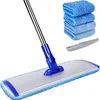 |
18-Inch Flat Microfiber Mop with 4 Washable Pads – $24.29 A flat mop whose pads you wring out by hand, so you control exactly how damp the floor gets.
|
The method below works on laminate floors, melamine and laminate furniture, kitchen cabinet boxes and countertops. It is built around one idea: keep liquid off the seams and edges.
- Dry-clean first. Grit scratches the wear layer when a damp cloth drags it around. Use a dry microfiber pad, a soft brush, or a vacuum with the beater bar off. For cabinet exteriors, Formica specifically suggests a microfiber cloth or a soft-brush vacuum attachment before any liquid.
- Dampen the cloth, not the surface. Wring the cloth until no drop falls when you squeeze it. Never pour or spray onto the panel, because the spray travels to the edge. Spray the cloth instead.
- Wipe with the grain, one section at a time. Formica describes a rotating motion for soiled spots on laminate. On wood-look planks, following the plank direction hides streaks.
- Rinse residue if you used any detergent. Leftover film is what makes laminate look cloudy. Use a second cloth with clean water.
- Dry immediately. A dry cotton or microfiber cloth right behind the damp one removes the moisture before it can creep into a joint.
Which Cleaner for Which Surface
Manufactured wood covers several products with different skins. The table lists what each one can take, based on the manufacturer guidance mentioned above.
| Surface | Safe routine | Do not use |
|---|---|---|
| Laminate flooring | Dry mop or vacuum, then a lightly damp microfiber mop. Water alone, or a cleaner labeled for laminate. | Ammonia, bleach, oil, polish, wax, strong alkaline cleaners, solvents, soap-based detergents and mop-and-shine products (Armstrong). Steam mops. |
| Laminate countertops and cabinet fronts | Damp cotton or microfiber cloth with a mild liquid detergent, rinse, dry (Formica). Rubbing alcohol or ethanol for tough marks. | Abrasive pads, steel wool, scouring powder, chlorine bleach, acidic or basic cleansers (Formica). |
| Melamine or foil-wrapped MDF and particleboard furniture | Damp microfiber cloth, mild soap only if needed, dried right away. Treat every edge as the weak point. | Soaking, spraying directly on the panel, abrasive sponges. This is my judgment call based on how the core absorbs water, not a single manufacturer rule. |
| Engineered hardwood (real wood veneer top layer) | Dry sweep daily, then a pH-neutral cleaner that needs no rinsing, applied to the mop and dried straight after (NWFA guidance). | Steam cleaners, wax and oil soaps, standing water. |
| Painted or thermofoil MDF cabinets | Soft cloth with water and a drop of mild soap, dried at once. | Acetone and other solvents, which can soften or dull the finish. Test a hidden spot first. This is a general precaution, not from a specific guide. |
The Dish Soap Question: Why Two Manufacturers Disagree
This is the part most articles skip. Formica says a mild liquid detergent on a damp cloth is a normal way to clean its laminate surfaces. Armstrong’s laminate floor guidance says to avoid soap-based detergents and mop-and-shine products. Both are right for their own product. A countertop gets wiped by a cloth and rinsed. A floor gets mopped over a large area, where soap film builds up and shows as dull streaks under foot traffic.
The practical rule: on counters and cabinet doors, a small amount of mild detergent that you rinse off is within the manufacturer’s advice. On laminate floors, use water or a cleaner labeled for laminate, and check the warranty booklet, because the flooring brand’s own wording overrides anything general.
Why the Edges and Seams Matter More Than the Surface
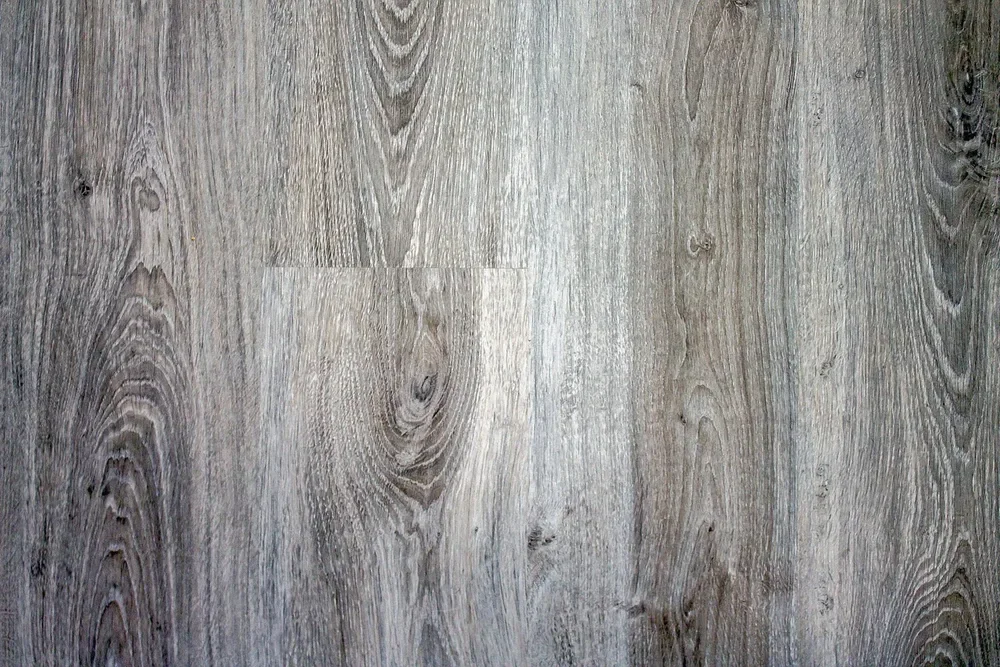
A laminate floor plank or a melamine shelf is a thin decorative layer bonded to a fiberboard or particleboard core. The face is sealed. The edges, the joints between planks, the drilled screw holes and any chip in the corner are not. Formica’s own instructions warn not to flood laminate, especially near seams, because water can penetrate and cause the substrate to swell.
That swelling is not cosmetic. Once particleboard or MDF absorbs water, the fibers expand and generally do not shrink back to their original thickness, which is why a puffed edge on a cabinet or a lifted plank on a floor usually ends in replacement. Panels made from fine particles have far less resistance to liquid than plywood does, because there are no long continuous plies. If you are cleaning plywood specifically, the routine is a little more forgiving, and I cover it in how to clean plywood.
A quick water test before you clean
If you are unsure how well an old piece is sealed, put a single drop of water in an out-of-sight spot for a minute. If it beads, the finish is intact and normal damp wiping is fine. If it darkens or soaks in, the seal is worn, so keep the cloth almost dry and skip liquid cleaners on that area. I use this as a simple judgment check, not a manufacturer test.
What to Avoid on Manufactured Wood
- Steam mops. Steam drives moisture into seams. NWFA lists steam cleaners among methods that void most wood and engineered floor finish warranties. See can hardwood floors be steam cleaned for the fuller warranty picture.
- Wax, polish and oil soaps. Armstrong lists wax, polish and oil as no-go for laminate flooring. They leave a film on a factory finish that has nothing to absorb them.
- Ammonia, bleach and strong alkaline cleaners. Both Armstrong and Formica tell owners to avoid them on laminate.
- Abrasive tools. Steel wool, scouring pads and scouring powder dull the decorative layer, and Formica notes that a dulled surface stains more easily.
- Letting spills sit. Wipe standing water, pet accidents and other liquids at once.
Stubborn Marks: Marker, Adhesive and Grease
For a laminate countertop, Formica’s guidance for tough stains is acetone, rubbing alcohol or ethanol on a damp cloth or sponge, rubbed in circles, with a nylon-bristle brush only if the mark resists. Rinse well afterward so no residue is left behind. That advice is for laminate counters. On painted, thermofoil or wood-veneer panels, start with rubbing alcohol on a hidden spot, or plain soapy water, and never leave a solvent-soaked cloth sitting on a surface. Ventilate the room.
Grease on cabinet fronts is usually easiest with a damp cloth and a drop of mild detergent, then a rinse cloth and a dry cloth. If the finish looks tacky after cleaning, the detergent was not fully rinsed. To repaint chipped or worn particleboard instead, see can you paint particle board.
Cleaning Schedule That Protects the Core
- Same day: Blot spills, dry the spot and any nearby seam.
- Weekly: Dry dust or vacuum, then a barely damp wipe on high-touch panels and floors.
- Monthly: Check edges, cabinet undersides near sinks and dishwashers, and plank seams for lifting, swelling or dark stains.
- Yearly: Read the manufacturer’s care sheet again if you replace your cleaner. Brands differ, as the soap example shows.
For finished laminate floors and engineered flooring, see how to care for laminate wood floors and engineered hardwood floor care. If you are still deciding what your piece is made of, what is manufactured wood explains the categories, and wood finish laminate covers what happens when you try to refinish it.
Frequently Asked Questions
Can I use dish soap on laminate?
It depends on who made the surface. Formica’s care guide for laminate counters and cabinets says a mild liquid detergent on a damp cloth is fine, as long as you rinse and dry. Armstrong’s laminate flooring guidance says not to use soap-based detergents or mop-and-shine products because they can leave a film. For floors, use plain water or a cleaner labeled for laminate. For counters and cabinet doors, a drop of dish soap in water, rinsed off, is within the manufacturer’s advice.
Is vinegar safe for laminate and MDF?
Formica tells owners to avoid acidic or basic cleansers on its laminate, and vinegar is acidic. It also does nothing for the real risk, which is water reaching the edges. Skip it and use plain water, a mild detergent on counters, or a cleaner labeled for laminate floors.
Can I use a steam mop on laminate flooring?
No. Steam pushes hot moisture into the seams, which is exactly where the fiberboard core is unprotected. The National Wood Flooring Association lists steam cleaners among the methods that void most manufacturer finish warranties on wood and engineered floors, and laminate makers give the same warning.
How do I remove marker or sticky residue from laminate?
For a laminate countertop, Formica’s guidance for tough stains is acetone, rubbing alcohol or ethanol on a damp cloth or sponge, rubbed in circles, then rinsed. Test a hidden spot first, keep the room ventilated, and do not use acetone on painted, thermofoil or veneered panels.
What if water already got into an edge or seam?
Blot it immediately and dry the area with a fan. Particleboard and MDF that have already puffed up generally do not shrink back, so a raised edge usually means replacing that panel or board rather than sanding it flat.
Sponsored / affiliate links. As an Amazon Associate I earn from qualifying purchases. I may earn additional commission from eligible campaigns.