How to Stop Your Couch from Sliding on a Wood Floor
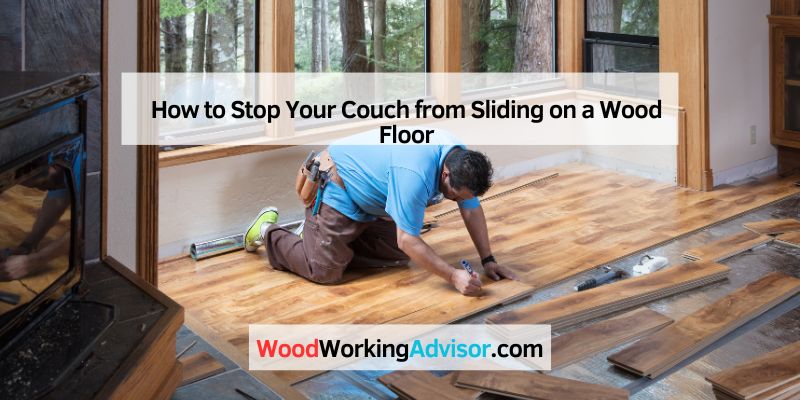
Hey there! If you’re like me, you’ve probably felt that frustration when your couch slides across your beautiful wood floor every time someone sits down or gets up. It’s annoying, right? Not only does it mess with your room’s vibe, but it can also scratch those gorgeous hardwood floors you’ve worked so hard to maintain. I’ve been there, and after trying a bunch of solutions, I’ve learned what really works to keep your couch in place. In this article, I’m sharing everything I’ve discovered about stopping your couch from sliding on a wood floor. Whether you’re dealing with a heavy sectional or a lightweight loveseat, I’ve got you covered with practical, easy-to-follow tips. Let’s dive in and make sure your furniture stays put!
Why Does Your Couch Keep Sliding?
Let’s start by understanding why your couch is sliding all over the place. Wood floors are smooth and slick, which is great for that polished look but not so great for keeping furniture in place. When you sit down or shift your weight, the couch legs don’t have enough grip to stay put. The type of couch legs matters too—metal or plastic legs slide more easily than wooden ones. Also, if your floor has a glossy finish or wax coating, it’s like a skating rink for your furniture!
Another factor is the weight of the couch. Lighter couches slide more because they don’t have enough heft to anchor themselves. Even heavy couches can slip if the legs are smooth or the floor is extra polished. And don’t forget about daily activities—kids jumping on the couch or pets running around can give your furniture that extra nudge. Knowing why this happens helps us pick the right solution, so let’s explore what you can do about it.
Non-Slip Pads: The Go-To Solution
One of the first things I tried was non-slip furniture pads, and let me tell you, they’re a game-changer for most couches. These pads are usually made of rubber, silicone, or felt with a grippy underside. You stick them to the bottom of your couch legs, and they create friction to keep the couch from sliding.
I found that rubber pads work best for wood floors because they grip without damaging the surface. You can find them in different shapes—round, square, or even strips—to match your couch legs. They’re super easy to install, too. Just clean the bottom of the legs, peel off the adhesive backing, and stick the pads on. I recommend checking the weight capacity of the pads to make sure they can handle your couch.
One tip from my experience: if your couch is heavy, go for thicker pads (at least 1/4 inch) for extra grip. For lightweight furniture, thinner pads work fine. Also, check the pads every few months because they can wear out over time, especially if your couch gets a lot of action.
Furniture Grippers: A Step Up from Pads
If non-slip pads aren’t cutting it, furniture grippers might be your next best friend. These are like pads but designed specifically to anchor furniture. They’re usually larger and have a textured surface that grabs both the couch leg and the floor. Some grippers even have a cup-like design that the couch leg sits in, which adds extra stability.
I tried a set of grippers for my sectional, and they worked like a charm. The ones I used were made of durable rubber with a slightly concave shape to cradle the legs. Unlike pads, grippers don’t always need adhesive, so you can move them if you rearrange your furniture. They’re also great for uneven floors, which was a bonus for my old house.
One thing to keep in mind: grippers can be a bit pricier than pads, but they’re worth it if you want something long-lasting. Make sure to measure your couch legs before buying to ensure a snug fit. If your legs are oddly shaped, look for adjustable grippers that can mold to different sizes.
Rug Anchors: Adding Style and Stability
If your couch is on a bare wood floor, adding a rug can do wonders. Not only does it make your space cozier, but it also gives your couch something to grip onto. I placed a large area rug under my living room couch, and it stopped sliding almost immediately. The key is to choose a rug with a non-slip backing or add a rug pad underneath for extra traction.
When picking a rug, go for one that’s big enough so all the couch legs sit on it. A small rug where only the front legs touch won’t help much. I learned this the hard way when my couch kept tipping forward! Also, avoid super thick or plush rugs because they can make the couch wobble. A flatweave or low-pile rug works best.
If you don’t want to commit to a full rug, try rug gripper tape. It’s a double-sided adhesive strip that sticks the rug to the floor, keeping everything in place. Just be careful when removing it to avoid damaging your wood floor’s finish
Furniture Anchors for Heavy-Duty Fixes
For those stubborn couches that just won’t stay put, furniture anchors are a more permanent solution. These are brackets or straps that secure your couch to the floor or wall. I was hesitant to try this at first because I didn’t want to damage my floors, but I found some anchors that are removable and don’t leave marks.
One option is L-shaped brackets that screw into the couch legs and the floor. If you’re renting or don’t want to drill into your wood floor, look for anchors that use strong adhesive instead. Another option is wall anchors, where you attach a strap from the back of the couch to a wall stud. This works great for reclining sofas that slide when you lean back.
Anchors are ideal for homes with kids or pets who love to jump on the furniture. Just make sure to follow the installation instructions carefully to avoid wobbling or uneven pressure on the couch legs.
DIY Solutions for Budget-Friendly Fixes
If you’re like me and love a good DIY project, there are some creative ways to stop your couch from sliding without spending a lot. One trick I tried was using hot glue to create a grippy surface on the couch legs. I applied a thin layer of hot glue to the bottom of each leg and let it dry. It added just enough texture to keep the couch in place without scratching the floor.
Another DIY idea is to use rubber bands or silicone caulk. Cut small pieces of rubber bands and glue them to the legs, or apply a thin bead of caulk and let it harden. Both create a non-slip surface that’s easy to remove if needed. Just be sure to test these on a small area first to make sure they don’t damage your floor.
For a super budget-friendly fix, try placing a piece of non-slip shelf liner under each leg. I cut small squares from a roll I had in my kitchen, and they worked surprisingly well. The liners are cheap, easy to replace, and don’t leave residue.
Choosing the Right Solution for Your Couch
With so many options, how do you pick the best one for your couch? It depends on a few things: the type of couch, the weight, the floor finish, and your budget. I put together a quick table to help you decide:
| Solution | Best For | Pros | Cons | Cost |
|---|---|---|---|---|
| Non-Slip Pads | Lightweight to medium couches | Easy to install, affordable | May wear out over time | $5–$20 |
| Furniture Grippers | Heavy or reclining couches | Durable, no adhesive needed | More expensive, need correct size | $15–$40 |
| Rug with Non-Slip Pad | Any couch, adds style | Stylish, effective for all legs | Rug cost can add up | $20–$200+ |
| Furniture Anchors | Heavy couches, active households | Very secure, good for kids/pets | May require drilling or adhesive | $10–$50 |
| DIY Solutions | Budget-conscious, temporary fixes | Cheap, customizable | May not last long, less professional | $1–$10 |
When choosing, think about how often you move your furniture. If you rearrange your room a lot, go for non-adhesive options like grippers or rugs. If your couch is staying put for years, anchors or pads might be the way to go. Also, consider your floor’s finish—test any adhesive product in a hidden spot to avoid damage.
Protecting Your Wood Floor While Stopping the Slid
While keeping your couch in place is the goal, protecting your wood floor is just as important. I’ve seen what happens when furniture scratches a hardwood floor, and it’s not pretty. Most non-slip pads and grippers are designed to be floor-friendly, but double-check that they’re labeled as safe for hardwood.
Avoid using anything too abrasive, like sandpaper or rough textures, directly on the floor. If you’re using a rug, make sure it has a soft backing to prevent scratches. For extra protection, I like to apply a thin layer of floor wax or polish every few months to keep my wood floor in top shape. Just be aware that wax can make the floor slicker, so you might need stronger grippers.
If your couch has metal legs, consider adding felt pads on top of rubber grippers. The felt acts as a buffer to prevent scratches, while the rubber keeps the couch from sliding. It’s a small extra step that can save you from costly floor repairs down the road.
Maintenance Tips to Keep Your Couch in Place
Once you’ve got your couch secured, a little maintenance goes a long way. I check my non-slip pads or grippers every six months to make sure they’re still grippy. Dust and dirt can build up underneath, reducing their effectiveness, so give them a quick clean with soap and water.
If you’re using a rug, vacuum it regularly to prevent debris from getting trapped between the rug and the floor. For anchors, make sure the screws or adhesive are still secure, especially if you have kids or pets who put extra stress on the furniture.
I also recommend rearranging your furniture slightly every now and then to prevent uneven wear on your floor. Even with grippers, constant pressure in one spot can create subtle dents over time. A quick shift of a few inches can make a big difference.
Conclusion: Enjoy a Slide-Free Living Room
After trying all these solutions, I can say with confidence that stopping your couch from sliding on a wood floor is totally doable. Whether you go for non-slip pads, furniture grippers, a stylish rug, or a DIY fix, there’s something out there for every couch and budget. My living room is now a slide-free zone, and I love how much more relaxing it feels when the furniture stays where it’s supposed to. No more chasing the couch across the room or worrying about scratches on my hardwood!
Take a moment to assess your couch, floor, and lifestyle to pick the best solution. If you’re unsure, start with something simple like non-slip pads and work your way up if needed. With a little effort, you’ll have a stable, stylish living space that you and your family can enjoy without worry. Got any questions? I’ve got answers—check out the FAQs below for
FAQs
How do I know which non-slip pads are best for my couch?
Look at the weight and size of your couch. For heavy couches, choose thicker rubber pads with strong adhesive. For lighter ones, thinner pads or felt-backed ones work well. Always check that they’re safe for hardwood floors to avoid scratches.
Can I use a rug without a non-slip pad?
You can, but it’s not as effective. A rug without a non-slip pad might slide along with the couch. Adding a rug pad or gripper tape keeps both the rug and couch in place.
Will furniture anchors damage my wood floor?
Not if you choose the right ones. Look for anchors with adhesive instead of screws if you’re worried about floor damage. Always test adhesive products in a small area first.
How often should I replace non-slip pads?
It depends on how much your couch is used. For high-traffic areas, check them every 3–6 months. If they’re worn or peeling, replace them to maintain grip.
Can I stop my couch from sliding without spending money?
Yes! Try DIY solutions like hot glue, rubber bands, or non-slip shelf liners. They’re cheap and effective, though they may not last as long as store-bought options.