Non-Slip Furniture Pads for Wood Floors: Felt vs Rubber Guide
Rubber-backed pads grip best against sliding, but they can discolor or scuff a finished wood floor over time — felt pads protect the finish but trap grit that causes the very scratches they’re meant to prevent. Put a chair-rated pad under a 200-lb dresser and it compresses flat within weeks. This guide covers real weight ratings (50–250 lbs), the felt-vs-rubber tradeoff, and correct installation.
Quick Answer
Use rubber or silicone grip pads to stop furniture from sliding on wood floors — felt pads reduce friction, so they help furniture glide rather than stay put. Match the pad’s weight rating to the piece: thin adhesive felt/rubber pads handle roughly 50–110 lbs each, while reusable felt-and-rubber discs handle 150–250 lbs each for sofas and dressers.
Felt or Rubber: Which One Actually Stops Furniture From Sliding?
Best Non-Slip Furniture Pads Pick
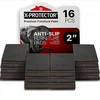
X-Protector Non-Slip Furniture Grippers, 2″ (16-Pack)
A textured rubber grip pad sized for standard chair and table legs, with a self-adhesive backing.
- Best for: dining chairs and tables that shouldn’t creep on hardwood
- Why we picked it: true grip pad (not a felt slider) sized right for standard leg widths
- Main drawback: rubber can leave a faint scuff on waxed or oil-finished floors over time
Compare more non-slip furniture pad options
 Option 1 Slipstick GorillaPads CB149 (Set of 8)
|
 Option 2 Yelanon Furniture Caster Cups (8-Pack)
|
 Option 3 X-Protector Grippers, 3″ (12-Pack)
|
As an Amazon Associate we earn from qualifying purchases.
A non-slip furniture pad is a rubber, silicone, or textured-felt disc attached to a furniture leg that increases friction against the floor so the piece stays put. That’s the opposite job of a plain felt slider, which is designed to reduce friction so furniture glides easily — the two get mixed up constantly because they look nearly identical in a store aisle. If your chair keeps creeping across the room, felt is usually the reason, not the fix.
The other myth worth correcting: felt pads are marketed as the “safe” choice for wood floors and rubber as the “risky” one, but that’s oversimplified. Trapped grit — not the pad material itself — causes most of the scratching blamed on furniture pads. A felt pad that’s never cleaned out grinds dirt into the finish exactly like sandpaper. Rubber has its own real caution, though: it can discolor or leave a slight scuff on some hardwood finishes, especially waxed or oil-finished floors, where a felt-and-rubber hybrid is the safer pick.
If you’ve already ruled out felt and want a closer look at rubber and silicone grip pads specifically — sizing, weight limits, and how to test one against your floor’s finish before committing — see our dedicated guide to furniture grippers for wood floors.

| Pad Type | Grip Level | Wood-Floor Risk | Best For |
|---|---|---|---|
| Rubber grippers | Strong — stops sliding | Can scuff or discolor waxed/oiled finishes; grit still an issue if not cleaned | Chairs, cabinets, couches that must not move |
| Plain felt pads | Light — furniture still creeps | Finish-safe if cleaned regularly; grit turns it abrasive if not | Furniture you reposition often |
| Silicone grip pads | Strong, non-marking | Safe on most finishes; can leave slight tack residue over years | Glass-topped tables, lightweight chairs |
| Felt-and-rubber hybrid discs | Moderate-strong | Low — rubber base keeps the felt seated and clean | Heavy furniture (150–250 lbs) that also needs to stay still |
For most hardwood, a quality rubber or silicone gripper is the right call when the goal is stopping slide. Reserve felt for pieces you actually want to move easily, and see our guide to rug pads for wood floors if the sliding problem is really coming from a rug rather than the furniture itself.
How Much Weight Can Non-Slip Furniture Pads Hold?
Weight rating is the detail most buying guides skip, and it’s the one that decides whether a pad actually protects your floor. Put a dining-chair-rated pad under a loaded bookcase and it compresses flat within weeks — once it’s flattened, it stops gripping and stops protecting the floor at the same time.
📊 Thin adhesive felt or rubber pads are typically rated for roughly 50–110 lbs each; reusable felt-and-rubber hybrid discs handle 150–250 lbs each. That’s why a couch, bed frame, or dresser needs the thicker reusable style, not the thin adhesive kind sold for dining chairs. — Source: furniture-pad manufacturer weight-rating ranges (X-Protector, Slipstick)
Lift each leg individually to seat a weight-rated pad under it, rather than tilting and dragging the whole piece — dragging is what grinds trapped grit into the finish in the first place. If you actually need to move a heavy piece across the room rather than keep it stationary, that’s a different product: see our guide to furniture moving pads for hardwood floors for weight-rated sliders instead of grippers.
How to Install Non-Slip Furniture Pads the Right Way
Installation takes a few minutes per piece of furniture, but skipping the prep steps is why pads peel off within days.
- Clean the leg bottoms: wipe dust, old adhesive residue, and grit off each furniture leg so the new pad bonds to bare wood or laminate, not debris.
- Size the pad to the leg: match the pad’s diameter to the leg’s actual footprint — an oversized pad overhangs the edge and peels there first.
- Peel the backing and center it: remove the adhesive liner and press the pad flat against the leg, centered rather than tacked on at one edge.
- Set it with firm, even pressure: stand the leg down and press for several seconds so the adhesive makes full contact with the wood.
- Let the adhesive cure before moving furniture: most adhesive backings need 30–60 minutes to reach full bond strength — moving the piece too soon is the single most common reason pads shift or peel loose.
Common Mistakes That Ruin Furniture Pads (and Floors)
- Skipping the grit check. Trapped dirt under a pad, not the pad material, causes most of the scratching people blame on furniture pads — vacuum the floor and wipe pads clean on a regular schedule, not just at install.
- Using thin adhesive felt under heavy furniture. A pad rated for a dining chair flattens under a loaded dresser within weeks and stops protecting the floor once it’s compressed.
- Never replacing worn pads. Once a pad is thin, hardened, or gritty, it acts like sandpaper instead of a cushion — replace pads showing visible wear rather than waiting for them to fail completely.
- Using rubber on a wax or oil finish without checking first. Rubber grips best, but on some waxed or oil-finished hardwood it can leave a faint discoloration over months of contact — a felt-and-rubber hybrid is the safer default there.
If you’d rather build your own in a pinch, a scrap of heavy felt fabric or a rubber shelf-liner cut to size works as a short-term fix — but homemade pads aren’t weight-rated, so swap them for a real gripper once you’re not in a hurry. For a broader routine on protecting hardwood day to day, see our full guide to hardwood floor care, and pair pads with regular cleaning using a non-toxic wood floor cleaner so grit never gets the chance to build up underneath them.
Frequently Asked Questions
What can I use to stop a couch or chair from sliding on hardwood floors?
Use rubber or silicone non-slip grip pads under every leg, sized to match the leg’s footprint. Felt pads won’t fix a sliding problem — they’re built to reduce friction, which lets furniture move more easily, the opposite of what you want.
Do felt pads scratch hardwood floors?
Felt itself doesn’t scratch hardwood, but felt is soft enough to trap grit, and trapped grit grinds into the finish like sandpaper when the furniture shifts. Cleaning grit off the floor and wiping pads down regularly prevents this — the pad’s material is rarely the real cause.
Can rubber furniture pads discolor or damage hardwood floors?
Yes, in some cases. Rubber grips well, but on waxed or oil-finished hardwood it can leave a faint discoloration or slight scuff after months of contact. On a polyurethane-sealed floor this is rare; on a wax or oil finish, a felt-and-rubber hybrid pad is the lower-risk choice.
How much weight can non-slip furniture pads hold?
Thin adhesive rubber or felt pads are typically rated for about 50–110 lbs each. Reusable felt-and-rubber hybrid discs handle roughly 150–250 lbs each, which is the style to use under sofas, dressers, and other heavy pieces.
How often should non-slip furniture pads be replaced?
Check pads every few months and replace them as soon as they look thin, hardened, or gritty. A worn pad has usually lost most of its grip and can scratch the floor instead of protecting it, so waiting until it fails completely defeats the purpose.
What if I need to move heavy furniture instead of keeping it still?
That calls for a furniture slider, not a non-slip gripper — sliders reduce friction on purpose so heavy pieces glide across the floor instead of gripping it. Our furniture moving pads guide covers weight-rated sliders for one-time moves like rearranging a room.
Non-slip furniture pads are a small, inexpensive fix for a real problem: a rubber or silicone gripper, sized and weight-matched to the piece, stops sliding without the finish damage that trapped grit or the wrong material can cause. Clean the legs, pick the pad rated for the actual weight, and check them every few months — that’s the entire maintenance routine.
Sponsored / affiliate links. As an Amazon Associate I earn from qualifying purchases. I may earn additional commission from eligible campaigns.