Strongest Wood Glue for Furniture: Unbreakable Bonds
The strongest wood glue for furniture is polyurethane glue, specifically Gorilla Glue. Epoxy adhesives also provide exceptional strength and durability.
Choosing the right wood glue is crucial for furniture repair and construction. The best adhesives ensure strong bonds, enhancing the longevity of your pieces. Whether you’re working on new projects or fixing old furniture, selecting a high-quality glue can make a significant difference.
Polyurethane and epoxy glues stand out for their impressive strength and versatility. They can bond various materials and withstand moisture and temperature changes. Understanding these options helps you make informed decisions for your woodworking needs, ensuring your furniture remains sturdy and functional. Investing in the right glue not only improves craftsmanship but also saves time and resources in the long run.
Introduction To Wood Glue In Furniture Making
Wood glue plays a vital role in furniture making. It binds pieces together, ensuring strength and stability. Choosing the right glue is crucial for achieving durable furniture. Different types of wood glue serve various purposes. Understanding their characteristics helps in selecting the best option.
Essential Qualities Of Wood Glue
Not all wood glues are created equal. Here are some essential qualities to consider:
- Strength: Strong adhesion is vital for durability.
- Water Resistance: Water-resistant glue prevents damage from moisture.
- Drying Time: Fast-drying glue speeds up the assembly process.
- Clarity: Clear-drying glue maintains the wood’s natural appearance.
- Ease of Use: User-friendly application saves time and effort.
Role In Durable Furniture Construction
Wood glue is essential for creating sturdy furniture. It holds joints firmly, preventing wobbling or breakage. Different joints require specific glue types:
| Joint Type | Recommended Glue |
|---|---|
| Butt Joint | PVA Glue |
| Dowel Joint | Polyurethane Glue |
| Miter Joint | Epoxy Glue |
| Mortise and Tenon | Hide Glue |
Using the correct glue enhances the longevity of furniture. Quality glue strengthens the bond between pieces. This ensures your furniture withstands wear and tear over time.
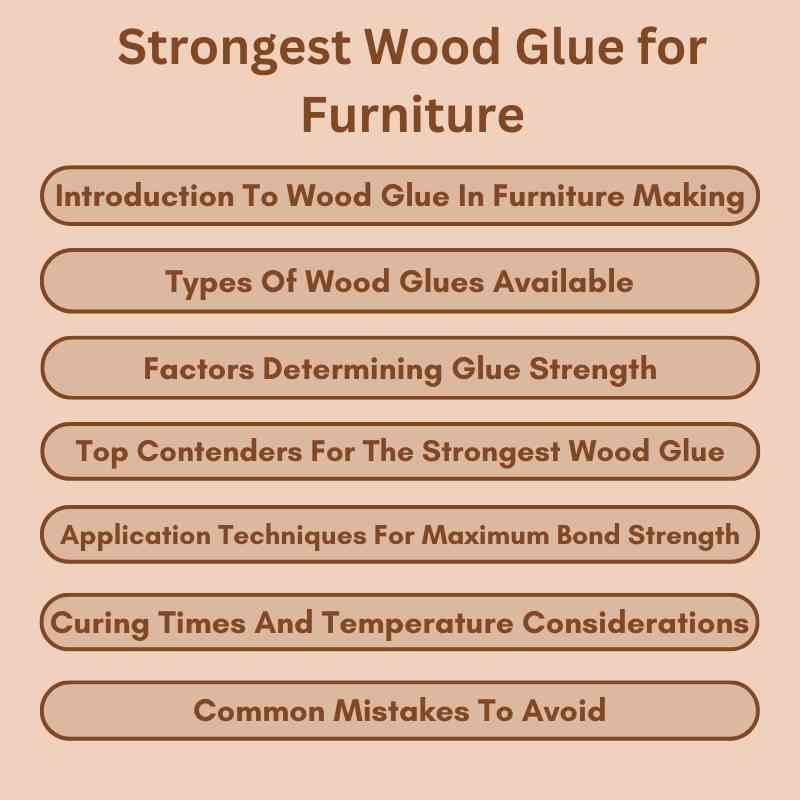
Types Of Wood Glues Available
Choosing the right wood glue is crucial for furniture projects. Different types of wood glues offer unique benefits. Understanding each type helps in making the best choice for your needs.
PVA Glues
PVA glue stands for Polyvinyl Acetate. It is one of the most common wood glues. Here are its key features:
- Water-based: Easy to clean up with water.
- Quick-drying: Bonds wood in minutes.
- Non-toxic: Safe for indoor use.
PVA glues work well for most furniture projects. They are ideal for porous surfaces.
Epoxy Resins
Epoxy resin is a strong adhesive. It consists of two parts: resin and hardener. Here are the advantages:
- High strength: Provides a durable bond.
- Waterproof: Ideal for outdoor furniture.
- Versatile: Works on various materials.
Epoxy takes longer to cure. It offers excellent gap-filling properties.
Polyurethane Glues
Polyurethane glue is another strong option. It expands during curing. Here are its benefits:
- Water-resistant: Suitable for damp conditions.
- Versatile: Bonds wood, metal, and plastic.
- Strong bond: Excellent for heavy-duty projects.
This glue requires moisture to cure. It is perfect for outdoor applications.
Hide Glues
Hide glue is a traditional adhesive. It is made from animal collagen. Here are its unique features:
- Reversible: Can be undone with heat.
- Strong bond: Ideal for fine woodworking.
- Natural: Made from renewable resources.
Hide glue is often used in antique restoration. It creates a strong, durable bond.
Factors Determining Glue Strength
Choosing the right wood glue is essential for strong furniture. Several factors influence the strength of the glue. Understanding these factors helps in selecting the best adhesive.
Adhesive Bonding Principles
Adhesive bonding relies on two main principles:
- Mechanical Bonding: This occurs when glue fills small gaps. It grips the surfaces tightly.
- Chemical Bonding: This happens at the molecular level. Glue forms a strong bond with the wood fibers.
High-quality adhesives enhance both bonding types. They create stronger joints and longer-lasting furniture.
Material Compatibility
The type of wood affects glue strength. Different woods absorb glue differently. Consider these points:
- Softwoods like pine absorb glue quickly.
- Hardwoods like oak require more glue.
- Composite materials need specific adhesives.
Always check if the glue is suitable for the wood type. This ensures a strong bond.
Environmental Resistance
Glue strength can weaken in extreme conditions. Consider these factors:
| Condition | Impact on Glue |
|---|---|
| Moisture | Can weaken the bond |
| Heat | May cause glue to soften |
| Cold | Can make glue brittle |
Choose waterproof and heat-resistant glues for outdoor furniture. This ensures durability and strength.
Top Contenders For The Strongest Wood Glue
Finding the strongest wood glue is essential for furniture projects. The right glue ensures durability and longevity. Here are some top contenders that stand out for their strength and reliability.
Comparative Analysis Of Popular Brands
| Brand | Type | Strength Rating | Drying Time | Water Resistance |
|---|---|---|---|---|
| Titebond III | Polymer | High | 20-30 min | Yes |
| Gorilla Wood Glue | PVA | Medium | 20-60 min | Water-resistant |
| Elmer’s Carpenter’s Wood Glue | PVA | Medium | 30 min | No |
| Franklin Titebond II | PVA | High | 30 min | Water-resistant |
Testimonials From Professional Woodworkers
- John D.: “Titebond III is my go-to for outdoor projects. It holds strong.”
- Mary K.: “Gorilla Wood Glue is easy to use. It dries clear and works well.”
- Sam R.: “I trust Elmer’s for indoor furniture. It’s reliable and affordable.”
- Alice L.: “Titebond II is great for everything. It’s strong and quick.”
Application Techniques For Maximum Bond Strength
Achieving a strong bond with wood glue requires careful application techniques. Proper preparation and methods can enhance the adhesive’s effectiveness. Follow these steps to ensure your furniture projects hold up over time.
Surface Preparation
Preparing the surface is crucial for a strong bond. Clean, smooth surfaces allow the glue to adhere better. Follow these steps:
- Remove dust and dirt from the surfaces.
- Sand the wood lightly to create a rough texture.
- Ensure the surfaces are dry before applying glue.
Use a damp cloth to wipe away any dust. Allow the surface to dry completely before proceeding.
Glue Application Methods
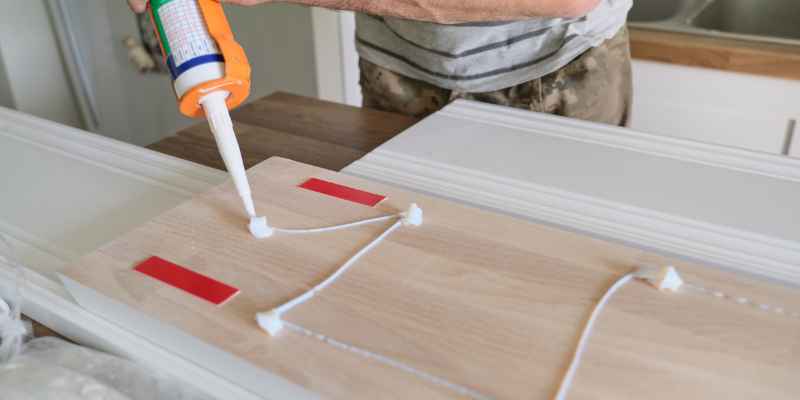
Applying glue correctly is key to a strong bond. Different methods suit various projects. Consider these techniques:
| Method | Description |
|---|---|
| Brush Application | Use a brush to spread glue evenly on the surface. |
| Squeeze Bottle | Control the amount of glue with a squeeze bottle. |
| Roller | Use a small roller for larger surfaces. |
Apply a thin, even layer of glue. Avoid excess glue, as it can weaken the bond.
Clamping For Success
Clamping helps ensure a tight bond. Proper clamping distributes pressure evenly. Follow these steps:
- Align the pieces accurately before clamping.
- Use clamps that provide even pressure across the joint.
- Leave clamps in place for the recommended drying time.
Check the manufacturer’s instructions for specific drying times. Remove clamps carefully to avoid damaging the wood.
Curing Times And Temperature Considerations
Curing times and temperature play a crucial role in wood glue effectiveness. Understanding these factors helps ensure strong and lasting bonds in furniture projects.
Ideal Conditions For Curing
To achieve the best results with wood glue, consider these ideal conditions:
- Temperature: Between 70°F and 80°F (21°C – 27°C).
- Humidity: Around 40% to 60% relative humidity.
- Ventilation: Ensure good airflow to speed up curing.
These conditions help the glue cure properly. Failing to meet these can lead to weak joints.
Effects Of Humidity And Temperature
Both humidity and temperature significantly affect wood glue performance. Here’s how:
| Condition | Effect on Curing |
|---|---|
| High Humidity | Delays curing time. Glue may take longer to set. |
| Low Humidity | Accelerates curing. Can make glue brittle. |
| High Temperature | Speeds up curing. Can reduce working time. |
| Low Temperature | Slows down curing. Glue may not bond properly. |
Monitor these factors closely. Adjust conditions to ensure the strongest possible bond.
Common Mistakes To Avoid
Using the strongest wood glue for furniture can be tricky. Many people make mistakes that weaken their projects. Avoiding these errors will ensure a strong bond.
Overapplication Of Glue
Applying too much glue is a common mistake. This can lead to messy joints and weak bonds. Here are some tips to avoid overapplication:
- Use a small bead of glue.
- Spread it evenly with a brush or finger.
- Wipe off excess glue immediately.
Remember, a little glue goes a long way. Aim for a thin layer for the best results.
Inadequate Clamping Pressure
Not using enough pressure while clamping is another mistake. Proper clamping ensures a strong bond. Follow these steps for effective clamping:
- Choose the right clamps for your project.
- Apply even pressure across the joint.
- Check for gaps before the glue dries.
Too little pressure can lead to weak joints. Always ensure clamps are tight enough.
Ignoring Manufacturer’s Instructions
Every wood glue has specific instructions. Ignoring these can ruin your project. Pay attention to the following:
| Instruction | Importance |
|---|---|
| Drying time | Ensures full bond strength. |
| Application method | Guarantees proper adhesion. |
| Surface preparation | Enhances bonding efficiency. |
Always read and follow the instructions carefully. This will lead to successful projects.
Repair And Maintenance Of Glue Joints In Furniture
Glue joints in furniture are crucial for stability and strength. Over time, these joints may weaken. Proper repair and maintenance ensure your furniture lasts longer. Strong wood glue is essential for effective repairs.
Detecting Weakness In Joints
Identifying weak joints early can save your furniture. Look for these signs:
- Visible cracks in the joint.
- Loose parts that wiggle or shift.
- Misalignment of furniture pieces.
- Unusual noises when moving the furniture.
Inspect joints regularly. Catching issues early allows for simple fixes.
Steps For Repairing Glue Failures
Follow these steps to repair glue failures effectively:
- Assess the Damage: Determine how severe the issue is.
- Disassemble the Joint: Carefully take apart the furniture.
- Clean Old Glue: Use a chisel or scraper to remove old glue.
- Apply New Glue: Use a strong wood glue. Ensure even coverage.
- Reassemble the Joint: Fit the pieces together tightly.
- Clamp the Joint: Use clamps to hold the joint in place.
- Let It Cure: Allow the glue to dry completely before using.
These steps ensure a solid repair. Using the right glue enhances durability.
Future Trends In Wood Adhesives
The future of wood adhesives looks promising. Innovations are emerging rapidly. These advancements focus on strength, sustainability, and ease of use. Manufacturers aim to create products that meet modern needs.
Innovations In Eco-friendly Adhesives
Eco-friendly adhesives are gaining popularity. They reduce environmental impact while maintaining strong bonds. Here are some notable innovations:
- Bio-based Adhesives: Made from renewable resources.
- Water-based Formulas: Lower VOC emissions.
- Non-toxic Options: Safe for indoor use.
These innovations ensure a safer environment. They provide durability without harming nature.
Advancements In Bonding Technology
Bonding technology is evolving quickly. New methods enhance the strength of wood joints. Key advancements include:
- Nanotechnology: Creates stronger bonds at the molecular level.
- Heat-activated Adhesives: Offer fast curing times.
- Hybrid Adhesives: Combine different bonding agents for better performance.
These advancements lead to stronger and more reliable furniture. They enhance the overall quality of wood products.
| Type of Adhesive | Benefits | Applications |
|---|---|---|
| Bio-based Adhesives | Renewable, eco-friendly | Furniture, cabinetry |
| Water-based Formulas | Low VOC, easy cleanup | Indoor projects |
| Nanotechnology Adhesives | Stronger molecular bonds | High-stress applications |
Frequently Asked Questions
What Is The Strongest Wood Glue For Furniture?
The strongest wood glue for furniture is often polyurethane-based. This type offers exceptional bonding strength and is waterproof. It expands as it cures, filling gaps for a stronger hold. For indoor projects, PVA glue is also effective but may not withstand moisture as well.
How Long Does Wood Glue Take To Cure?
Wood glue typically takes about 24 hours to fully cure. However, it may set in as little as 30 minutes. The curing time can vary based on humidity and temperature. Always allow sufficient time for the glue to bond before using the furniture to ensure durability.
Can I Use Wood Glue On Outdoor Furniture?
Yes, you can use wood glue on outdoor furniture. However, choose a waterproof or exterior-grade glue for best results. Polyurethane and epoxy glues are excellent options for outdoor use. They withstand moisture, temperature changes, and UV exposure, ensuring a lasting bond for outdoor projects.
Is Wood Glue Stronger Than Screws?
In many cases, wood glue can be stronger than screws. When properly applied, glue creates a continuous bond along the entire joint surface. Screws may loosen over time, while glue maintains its strength if used correctly. For maximum durability, consider using both glue and screws together.
Conclusion
Choosing the right wood glue is crucial for furniture repairs and projects. The strongest wood glues offer durability and ease of use. Always consider factors like drying time and water resistance. With the right adhesive, your furniture will withstand the test of time.
Invest wisely for lasting results in your woodworking endeavors.