Super Glue for Plastic: The Ultimate Bonding Guide
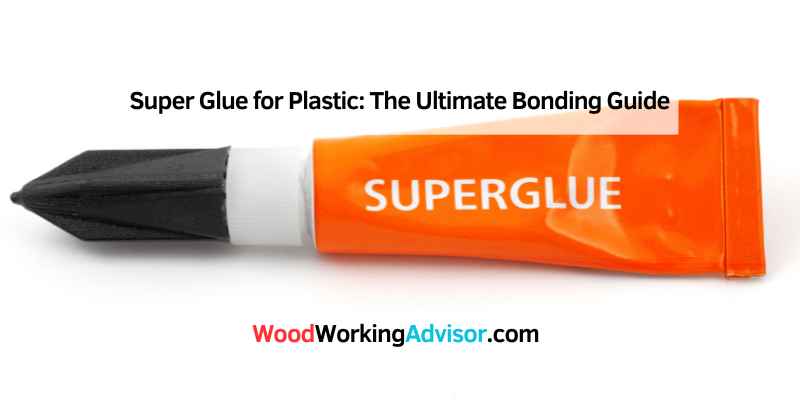
Super Glue is effective for bonding plastic materials. It creates a strong, durable bond suitable for various applications.
Super Glue, or cyanoacrylate adhesive, is a popular choice for repairing plastic items. Its quick-drying properties make it ideal for quick fixes. This adhesive works well on various plastic types, including PVC, ABS, and polycarbonate. Users appreciate its ability to bond surfaces tightly, making it perfect for both household and industrial applications.
Super Glue is waterproof and resistant to many chemicals, enhancing its durability. For best results, clean the surfaces before application and apply the glue sparingly. Curing time varies, but most bonds set within minutes. Whether you need to fix a toy or a household item, Super Glue provides a reliable solution for your plastic bonding needs.
Introduction To Super Glue For Plastic
Super glue works on many materials, but plastic bonding can be tricky. Most plastics are smooth and non-porous. This makes it hard for glue to stick well. Some plastics have a waxy layer that prevents adhesion.
The science behind super glue involves a special chemical called cyanoacrylate. This chemical bonds quickly when it touches moisture. Super glue creates a strong bond but may not work on all plastic types.
| Plastic Type | Bonding Difficulty |
|---|---|
| Polyethylene | High |
| Polypropylene | Very High |
| ABS | Moderate |
Choosing the right glue is essential for strong bonds. Surface preparation can help improve adhesion. Cleaning and roughening the plastic surface makes glue stick better.
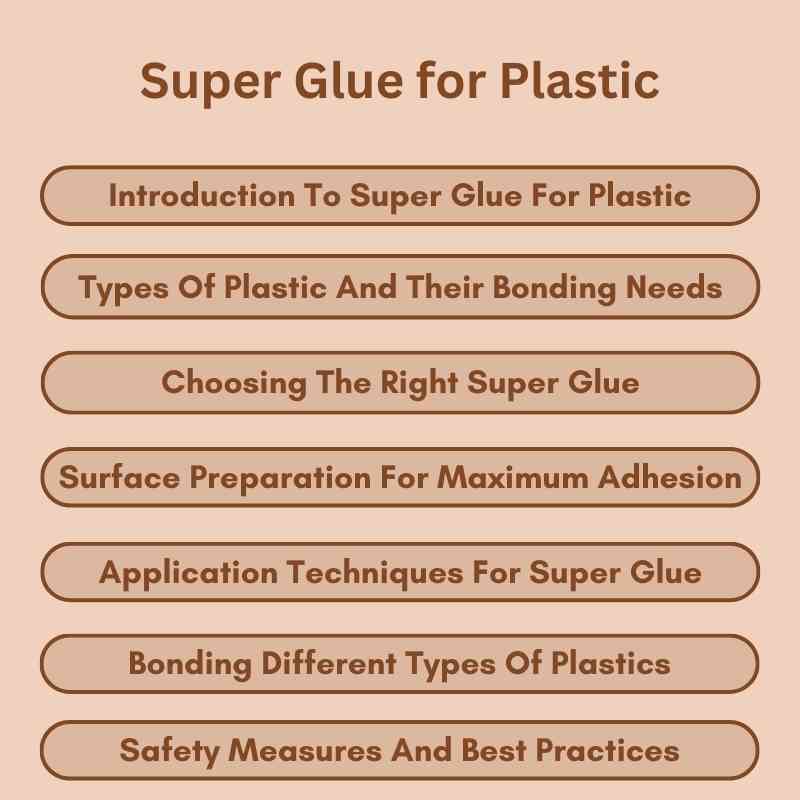
Types Of Plastic And Their Bonding Needs
Different types of plastic have unique bonding needs. Identifying these plastics is essential for strong adhesion. Common types include polyethylene, polypropylene, and PVC. Each type reacts differently to adhesives.
Polyethylene is often used in bags and bottles. It requires special adhesives for proper bonding. Polypropylene is found in containers and automotive parts. Regular super glue may not work well on it.
PVC is commonly used in pipes. It bonds easily with most adhesives, making it versatile. Knowing the type of plastic helps in choosing the right glue.
| Plastic Type | Bonding Needs |
|---|---|
| Polyethylene | Special adhesives required |
| Polypropylene | Limited adhesion with regular glue |
| PVC | Bonds easily with most adhesives |
Choosing The Right Super Glue
Choosing the right super glue for plastic is crucial. Look for fast-drying and strong bonding properties. Water-resistant options are great for outdoor use. Choose glues with flexibility for better durability.
Consider the application method too. Some glues come with a precision tip for easy use. Others may have a brush applicator for larger areas. Always check the drying time to avoid long waits.
| Brand | Product | Key Feature |
|---|---|---|
| Gorilla | Super Glue Gel | Precision tip for control |
| Loctite | Plastic Bonder | Fast curing, strong bond |
| 3M | Super Strength | Water-resistant formula |
Surface Preparation For Maximum Adhesion
To achieve maximum adhesion, proper cleaning techniques are essential. Start by removing dirt and dust from the surface. Use a mild soap and warm water solution for effective cleaning. Rinse thoroughly to eliminate any residue.
For tougher stains, consider using isopropyl alcohol or a suitable solvent. Apply the solvent on a clean cloth and gently wipe the area. Always test the solvent on a small area first.
Surface treatments can enhance the bond strength. Sanding the surface lightly creates a better grip for the glue. Use fine-grit sandpaper for optimal results. After sanding, clean the area again to remove any particles.
Finally, ensure the surfaces are completely dry before applying super glue. Moisture can weaken the bond.
Application Techniques For Super Glue
Using super glue on plastic needs precision. Start with clean surfaces. Dirt or oil can affect adhesion. Apply a small amount of glue. Too much can create a mess.
Controlling the set time is crucial. Use a toothpick for small areas. This helps avoid excess glue. Hold the pieces together firmly. Wait a few seconds for a strong bond.
Consider using a clamp if needed. Clamping ensures the pieces stay aligned. It also prevents movement while drying. Always check the manufacturer’s instructions for best results.
Bonding Different Types Of Plastics
Bonding similar plastics requires the right technique. Use super glue for a strong bond. Clean both surfaces before applying. Press the pieces together firmly. Hold them in place until the glue sets. This method works well for most plastics.
For dissimilar plastics, choose a special plastic adhesive. Different plastics may need different treatments. Sand the surfaces lightly to increase adhesion. Apply the adhesive evenly and press the pieces together. Allow extra time for curing. This ensures a strong and lasting bond.
Safety Measures And Best Practices
Always store super glue in a cool, dry place. Keep it away from children and pets. Use the glue in a well-ventilated area to avoid inhaling fumes.
Close the cap tightly after each use. This prevents the glue from drying out. Avoid using super glue near open flames or heat sources.
For accidental skin contact, wash the area with soapy water. Do not pull the skin apart. Seek medical help if glue gets into the eyes or mouth.
Keep a first aid kit nearby. It should include items like antiseptic wipes and bandages. Always read the product label for safety instructions
Troubleshooting Common Issues
Weak bonds can happen for many reasons. Dirt, grease, or moisture on surfaces can prevent strong adhesion. Always clean the area before applying glue. Improper application can also lead to weak bonds. Use the right amount of glue for best results.
Another issue is using the wrong type of super glue. Not all glues work well with plastic. Always check the label for compatibility. If the glue is old or expired, it may not hold properly.
To solve adhesion failures, follow these tips:
- Clean surfaces thoroughly.
- Use the correct super glue type.
- Apply the right amount of glue.
- Allow adequate curing time.
Advancements In Plastic Bonding Adhesives
Recent advancements in plastic bonding adhesives have changed many industries. New innovations in glue technology offer stronger and faster bonding solutions. Many products now use special formulas that work well on various plastic types.
Innovative adhesives provide better resistance to heat and moisture. This makes them ideal for outdoor use. New application methods also improve the ease of use. Users can apply glue with precision, reducing mess and waste.
As research continues, future plastic bonding will likely involve smart adhesives. These will adapt based on temperature or humidity. Such technologies promise to enhance performance even further.
DIY Projects And Repair Tips
Super glue is great for many home repairs. It can fix broken toys, furniture, and more. Just a tiny drop can make a big difference.
Using super glue on plastic is easy. First, clean the surface well. Then, apply the glue and hold it together for a few seconds. Wait for it to dry completely.
Here are some creative uses for plastic bonding:
- Repairing plastic toys that have broken parts.
- Fixing household items like remote controls or kitchen gadgets.
- Creating custom art projects using old plastic pieces.
- Sealing leaks in plastic containers or pipes.
Keep super glue away from children. Use it carefully to avoid skin contact.
Environmental Considerations
Choosing an eco-friendly adhesive helps reduce environmental impact. Many options exist that are safer for the planet. Look for water-based glues or natural resins. These adhesives are less harmful and work well for plastic.
Proper disposal of plastic bonds is crucial. Always follow local guidelines for recycling. Some plastics can be recycled, while others cannot. Check if your adhesive is recyclable. Many communities offer recycling programs for specific materials.
Consider using biodegradable options. These adhesives break down over time, reducing landfill waste. They are a better choice for the environment. Choosing the right adhesive can make a big difference.
Conclusion: Ensuring A Strong, Lasting Bond
Using super glue for plastic can create a strong bond. Follow best practices for the best results. Clean surfaces well before applying glue. This ensures good adhesion. Apply a small amount of glue to one surface. Press the pieces together firmly for a few seconds. Avoid moving them until the glue sets.
Store super glue in a cool, dry place. This helps maintain its effectiveness. Check the expiration date to ensure quality. Use clamps if needed for extra support. Allow the glue to cure fully before using the item.
| Best Practices | Tips |
|---|---|
| Clean Surfaces | Use rubbing alcohol or soap and water. |
| Apply Sparingly | A small amount is often enough. |
| Hold in Place | Press firmly for at least 30 seconds. |
| Allow Time to Cure | Wait 24 hours for full strength. |
Frequently Asked Questions
What Is Super Glue For Plastic?
Super glue, also known as cyanoacrylate, is a powerful adhesive designed for bonding plastic surfaces. It creates a strong, quick bond that is ideal for repairs. This glue works well on various plastics, making it a versatile choice for crafts and household fixes.
Can Super Glue Be Used On All Plastics?
Not all plastics are compatible with super glue. Some materials like polyethylene and polypropylene can be challenging to bond. Always check the glue label for compatibility. For best results, use a plastic-specific adhesive when dealing with these types of plastics.
How Long Does Super Glue Take To Dry?
Super glue typically dries within seconds to a few minutes. However, full curing may take up to 24 hours. To ensure a strong bond, avoid moving the items during this time. Always follow the manufacturer’s instructions for optimal results.
Is Super Glue Waterproof For Plastic?
Most super glues are not entirely waterproof. They can resist moisture but may weaken over time when exposed to water. For projects requiring water resistance, consider using a specialized waterproof adhesive designed for plastics.
Conclusion
Choosing the right super glue for plastic can make all the difference. It ensures strong bonds and lasting repairs. Always follow the manufacturer’s instructions for the best results. With the right product, you can tackle any plastic project with confidence.
Trust in super glue to keep your items intact and functional.