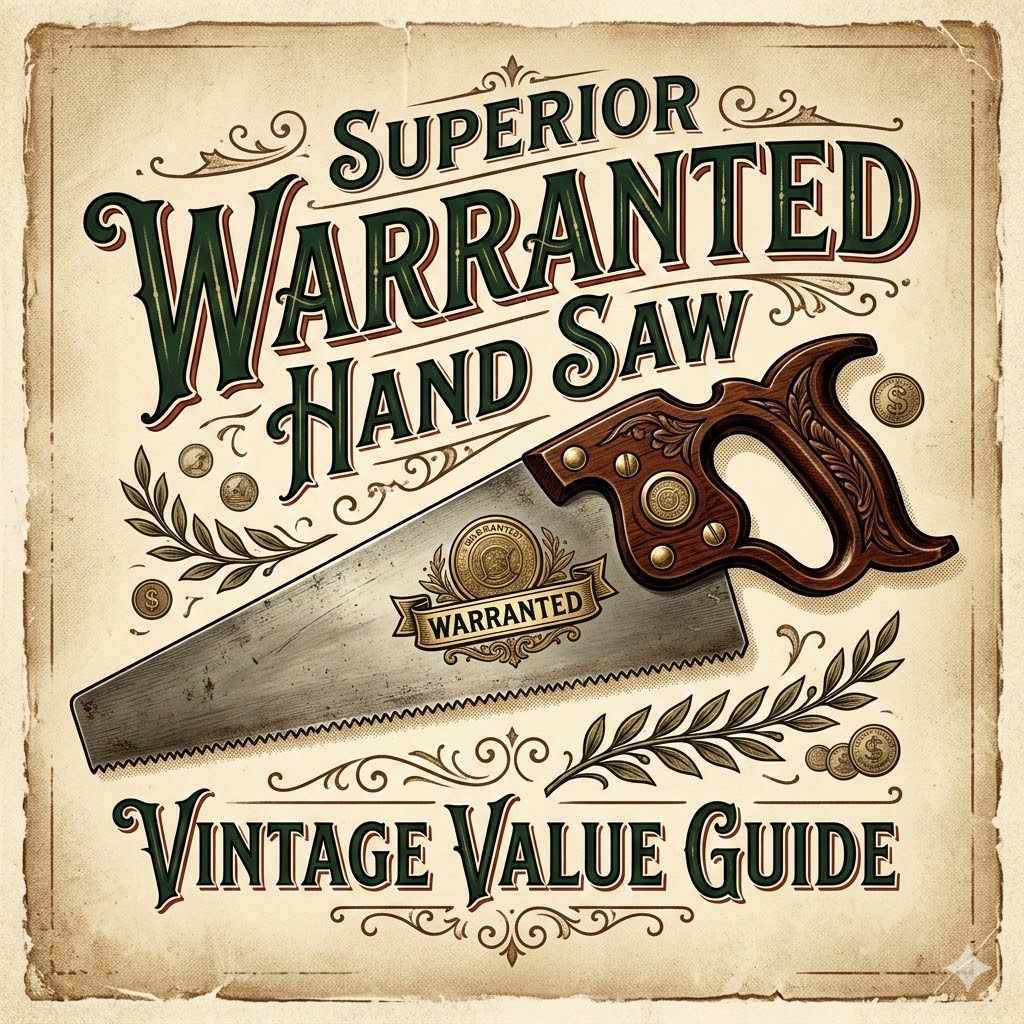
Superior Warranted Hand Saw: Vintage Value Guide
Finding the right information about a Superior Warranted Hand Saw: Vintage Value Guide can sometimes feel tricky, especially if you’re new to collecting old tools. It might seem like a lot to learn at first. But don’t worry, this guide will walk you through it step-by-step.
We’ll make it simple to figure out what makes these saws special and how much they might be worth. Get ready to learn what to look for and how to find great value.
Understanding the Superior Warranted Hand Saw
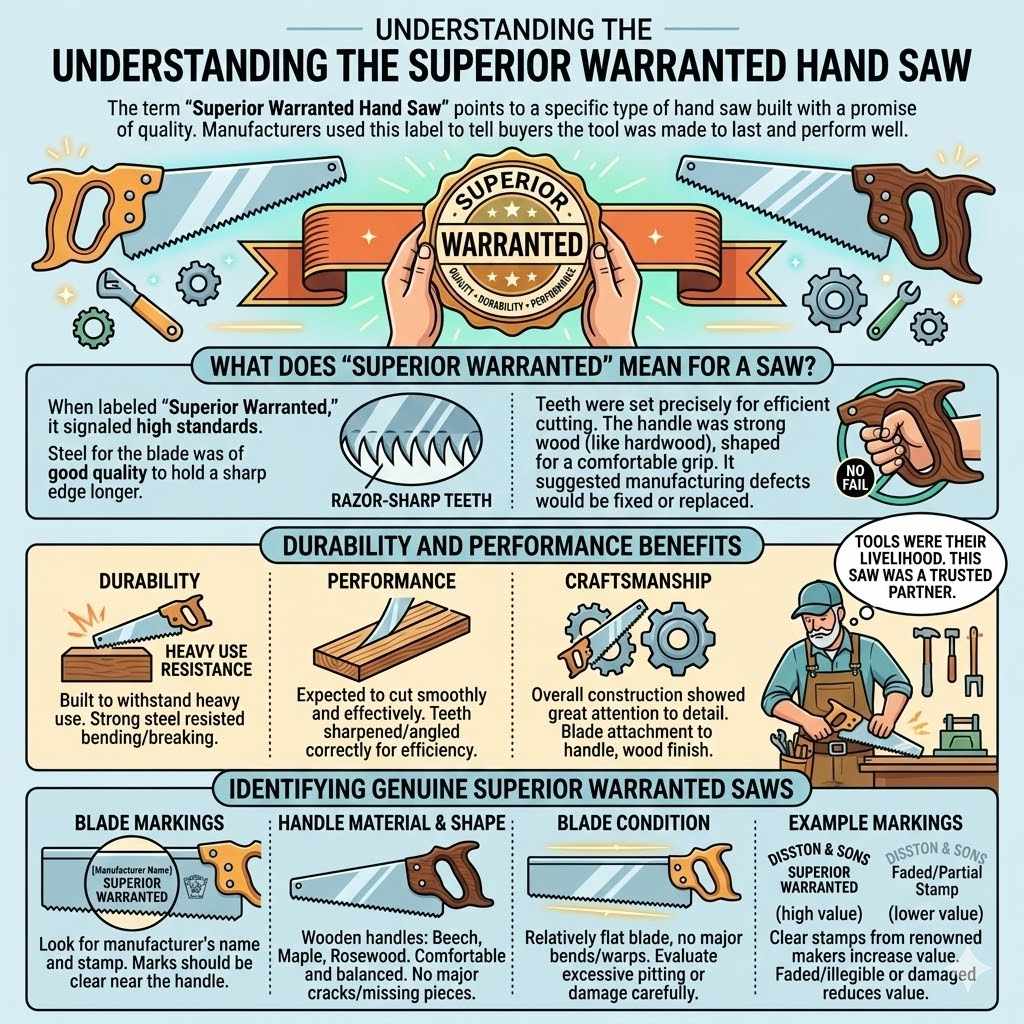
The term “Superior Warranted Hand Saw” points to a specific type of hand saw that was built with a promise of quality. Manufacturers put this label on their saws to tell buyers that the tool was made to last and perform well. This was important for craftsmen who relied on their tools every day.
A good hand saw needed to be sharp, balanced, and durable. The “warranted” part means the company stood behind its product, suggesting it would not break or fail easily. This focus on quality is what makes vintage saws like these so appealing to collectors and users today.
They represent a time when tools were often made to endure for generations.
What Does “Superior Warranted” Mean for a Saw
When a saw is labeled “Superior Warranted,” it’s a signal of high standards from the maker. This means the steel used for the blade was likely of good quality, allowing it to hold a sharp edge longer. The teeth would have been set precisely for efficient cutting.
The handle was probably made from a strong wood, like hardwood, and shaped for a comfortable and secure grip. It suggested that if the saw had any defects from manufacturing, the company would fix or replace it. This guarantee of quality was a significant selling point.
- Durability: These saws were built to withstand heavy use. The steel was often chosen for its strength and ability to resist bending or breaking. This meant that a carpenter could use the same saw for many years without it failing.
- Performance: A warranted saw was expected to cut smoothly and effectively. The teeth were sharpened and angled correctly to remove wood efficiently. This made woodworking tasks faster and easier for the user.
- Craftsmanship: The overall construction often showed great attention to detail. From the way the blade was attached to the handle to the finish of the wood, these saws were made with pride.
Think about a master carpenter from the early 1900s. Their tools were their livelihood. They needed saws that wouldn’t let them down on a job.
A “Superior Warranted” saw was an investment in reliability. It was more than just a cutting tool; it was a trusted partner in their work. This commitment to excellence is why many of these saws are still sought after today.
Identifying Genuine Superior Warranted Saws
Spotting a real “Superior Warranted” saw involves looking closely at the markings and the tool’s condition. Most reputable saw makers would stamp their name and the “Superior Warranted” claim clearly on the blade. These stamps are often found near the handle.
The style of the font and the placement of the mark can also give clues about the saw’s age and maker. Beyond the markings, examine the saw’s overall build. Look for signs of quality construction, like a well-fitted handle and a blade that feels balanced.
Rust is common on vintage tools, but heavy pitting or damage to the blade’s edge can decrease its value.
- Blade Markings: Search for the manufacturer’s name and “Superior Warranted” stamped into the steel. These marks should be clear and easy to read. Some manufacturers had unique logos.
- Handle Material and Shape: Most vintage hand saws feature wooden handles. Look for hardwoods like beech, maple, or rosewood. The shape should feel comfortable and balanced in your hand. Cracks or missing pieces can reduce value.
- Blade Condition: The steel blade should be relatively flat and free from major bends or warps. While some rust is acceptable, excessive pitting or damage to the cutting edge needs careful evaluation. The teeth should be well-defined, not worn down or broken.
For example, a saw marked “Disston & Sons Superior Warranted” is a highly collectible piece. Disston was a renowned American saw maker. The clarity of the stamp and the condition of the saw would then determine its specific value.
A saw with a faded or partially illegible stamp, or a blade with significant damage, would naturally be worth less than one in pristine condition.
Assessing the Value of Vintage Hand Saws
Determining the value of a vintage hand saw like a “Superior Warranted” model involves looking at several key factors. It’s not just about the name on the blade. The condition of the saw, the rarity of the maker, and its historical significance all play a part.
A saw that has been well-cared for, with its original handle and a blade free of severe rust or damage, will always command a higher price. Some manufacturers produced millions of saws, while others made much smaller quantities, making the rarer ones more valuable. Understanding these elements helps collectors make informed decisions and appreciate the true worth of these old tools.
Condition and Its Impact on Value
The physical state of a vintage saw is the most significant factor in its market value. A “Superior Warranted” saw in excellent, original condition—meaning it hasn’t been overly restored or damaged—is worth far more than one that’s rusty, warped, or has a broken handle. Collectors often seek saws that are ready to be used or displayed without needing extensive work.
Even minor issues like dull teeth or a slightly loose handle can impact the price, though these are often fixable for an experienced user. The goal is to find a saw that shows its age gracefully, rather than one that has suffered severe neglect.
- Blade Integrity: A straight, unpitted blade is ideal. Minor surface rust can often be cleaned off, but deep pitting or significant bends will lower the value. The temper of the steel also matters; a blade that feels too soft or brittle is less desirable.
- Handle Condition: The original handle is important. It should be free of major cracks, splits, or missing pieces. If the handle has been replaced, it can decrease the perceived authenticity and value. The wood should also be sound and not rotten.
- Originality: Saws that retain their original parts—blade, handle, and any ferrules or screws—are more valuable. Modifications or repairs that are not period-correct can detract from the saw’s historical appeal.
Imagine two “Superior Warranted” saws. One has a bright, sharp blade with a perfectly smooth wooden handle. The other has a blade covered in rust, with a handle that is cracked and held together with tape.
The first saw might be worth hundreds of dollars, while the second might only be worth a few dollars as a parts saw or for someone willing to do significant restoration.
Rarity and Maker’s Reputation
The manufacturer of a “Superior Warranted” saw plays a huge role in its collectible value. Some companies, like Disston, were massive producers, so their common models are plentiful. However, even common makers had premium lines or made special saws that are now rare.
Other companies were smaller, or operated for shorter periods, making their saws harder to find. The reputation of the maker also adds value; brands known for exceptional quality are always more sought after. Researching the history of saw makers can reveal which ones are most prized by collectors.
A well-regarded maker with a rare model in good condition is a prime find.
- Well-Known Makers: Brands like Disston, Atkin & Sons, and Marples are famous for producing high-quality saws. Saws from these makers, especially their better models, are generally more valuable.
- Lesser-Known or Obscure Brands: Sometimes, a “Superior Warranted” saw from a less common maker can be surprisingly valuable if it’s a particularly well-made example or a rare model.
- Specialty Saws: Certain types of saws—like Japanese-style saws or saws with unique tooth patterns or blade shapes—might be made by “Superior Warranted” manufacturers and carry higher value due to their specificity.
For instance, a “Superior Warranted” saw by a prominent maker like Edwin Allen, especially one of their more specialized designs, would likely fetch a higher price than a similar saw from a company that produced generic tools. The history and legacy of the maker contribute to the desirability and thus the value.
Historical and Collectible Factors
Beyond just condition and maker, certain historical aspects can increase a saw’s value. Saws that were used by famous craftspeople, or those found with their original boxes or tags, are highly desirable. Patterns of wear on the handle might tell a story.
The aesthetic appeal also matters; some vintage saws have beautifully sculpted handles or unique blade designs that collectors find attractive. Understanding the history behind these tools adds a layer of appreciation that goes beyond their practical use. A saw that is not only functional but also a piece of history is a treasure.
- Original Packaging: Finding a “Superior Warranted” saw still in its original cardboard sleeve or wooden box is a significant find. This packaging often has graphics and information that enhance the collectible appeal.
- Association with Famous Users: If a saw can be traced back to a notable carpenter, craftsman, or even a historical event, its value can skyrocket. This is rare but highly prized by serious collectors.
- Unique Design Features: Sometimes, a saw will have an unusual feature, like a special handle shape, an engraving, or a unique type of tooth grind, that makes it stand out. These unique elements can make a saw more interesting and valuable to collectors.
A “Superior Warranted” saw that was part of a craftsman’s personal toolkit, and perhaps accompanied them through a long career, holds a narrative. This inherent story, combined with the saw’s quality, makes it more than just an object; it becomes a piece of applied history.
Finding Value in a Superior Warranted Hand Saw
Identifying a “Superior Warranted Hand Saw: Vintage Value Guide” is about more than just spotting a label; it’s about appreciating the craftsmanship and history these tools represent. These saws were built with a commitment to quality, intended to last for many years. When you’re looking to buy or sell, understanding the factors that contribute to their value is key.
This involves checking the saw’s condition, recognizing reputable makers, and considering any unique historical aspects. With a little knowledge, you can confidently assess these vintage tools and find their true worth, whether for your workshop or your collection.
Where to Find Vintage Hand Saws
You can discover these valuable vintage hand saws in a variety of places. Many seasoned collectors and enthusiasts find treasures at antique shops, flea markets, and estate sales. These venues often have a rotating selection of old tools.
Online auction sites and specialized tool forums are also excellent resources, allowing you to search for specific makes and models from anywhere. Sometimes, you can even find them at garage sales or through word-of-mouth from other collectors. Keep your eyes open, and be prepared to sift through many items to find the gems.
- Antique Shops and Flea Markets: These physical locations offer the chance to inspect saws in person. You can feel the weight, examine the blade closely, and check the handle for any issues before buying.
- Online Auction Sites: Platforms like eBay have vast selections. You can set up alerts for specific brands or “Superior Warranted” saws and bid on items from sellers worldwide. Look at photos carefully and read descriptions.
- Estate Sales and Garage Sales: These can be goldmines for unexpected finds. People are often clearing out old workshops or basements, and you might find tools at very reasonable prices before they hit the broader market.
- Specialty Tool Dealers and Forums: There are dealers who focus exclusively on vintage hand tools. Online forums and communities dedicated to woodworking or tool collecting are also great places to learn, ask questions, and sometimes find tools for sale directly from other members.
A lucky find at a small town flea market might yield a “Superior Warranted” saw that a local carpenter no longer needed. The thrill of discovery is a big part of collecting these tools.
Tips for Evaluating Potential Purchases
When you’re considering buying a vintage “Superior Warranted” hand saw, take your time and inspect it thoroughly. Feel its balance and weight. Look at the blade for straightness and the condition of the teeth.
Check the handle for cracks or looseness. Ask the seller about the saw’s history if they know it. Don’t be afraid to negotiate prices, especially if the saw needs some work.
Remember that a little rust or a slightly dull blade can often be fixed, but major damage like a bent blade is harder to repair.
- Inspect the Blade Carefully: Hold the saw up to the light to check for any warps or bends. Run your finger lightly along the teeth to feel their sharpness and consistency. Look for any signs of heavy rust or pitting.
- Examine the Handle Thoroughly: Feel for any cracks, splits, or looseness where the handle meets the blade. Make sure the wood itself feels solid and not rotten or soft.
- Research the Maker if Possible: If you see a maker’s mark, quickly search online to see their reputation and the typical value of their saws. This can give you leverage in price negotiation.
- Consider Restoration Needs: Be realistic about the work required. A saw needing a good sharpening and cleaning is a much better buy than one that needs significant repairs to the blade or handle.
For example, if you find a “Superior Warranted” saw with a slightly dull blade but otherwise perfect condition, you might negotiate a lower price. You can then sharpen it yourself, adding value and utility to your purchase.
Restoring and Maintaining Your Saw
Once you acquire a vintage “Superior Warranted” hand saw, you might want to restore it to its former glory or simply maintain it for use. Restoring a saw often involves cleaning off rust, sharpening the teeth, and ensuring the handle is secure. Simple rust removal can be done with steel wool and a light oil.
Sharpening requires specialized files and a bit of practice, but there are many guides available. For maintenance, always keep your saw clean and dry to prevent rust. Storing it in a dry place, perhaps with a light coat of oil on the blade, will protect it.
A well-maintained vintage saw can provide excellent service for many years to come.
- Cleaning and Rust Removal: Use fine steel wool or a brass brush for surface rust. For tougher rust, you might use a rust remover solution. Always clean and dry the blade thoroughly afterward.
- Sharpening and Setting Teeth: This is a key skill for hand saws. You’ll need a saw file and potentially a setting tool to properly sharpen and space the teeth. Many online tutorials can guide you through this process.
- Handle Care: If the wooden handle is dry, you can apply a light coat of boiled linseed oil to help protect and condition the wood. Ensure the handle is securely attached to the blade.
- Storage: Store your saws in a dry environment, such as a tool cabinet or a pegboard. A thin layer of oil on the blade can offer protection against moisture and prevent rust.
A saw that has been carefully restored and is sharp enough to cut smoothly can be a joy to use. It connects you to the past and provides a reliable tool for current projects. For example, taking a rusty, neglected “Superior Warranted” saw and bringing it back to a usable state is incredibly rewarding.
The Lasting Appeal of Vintage Hand Saws
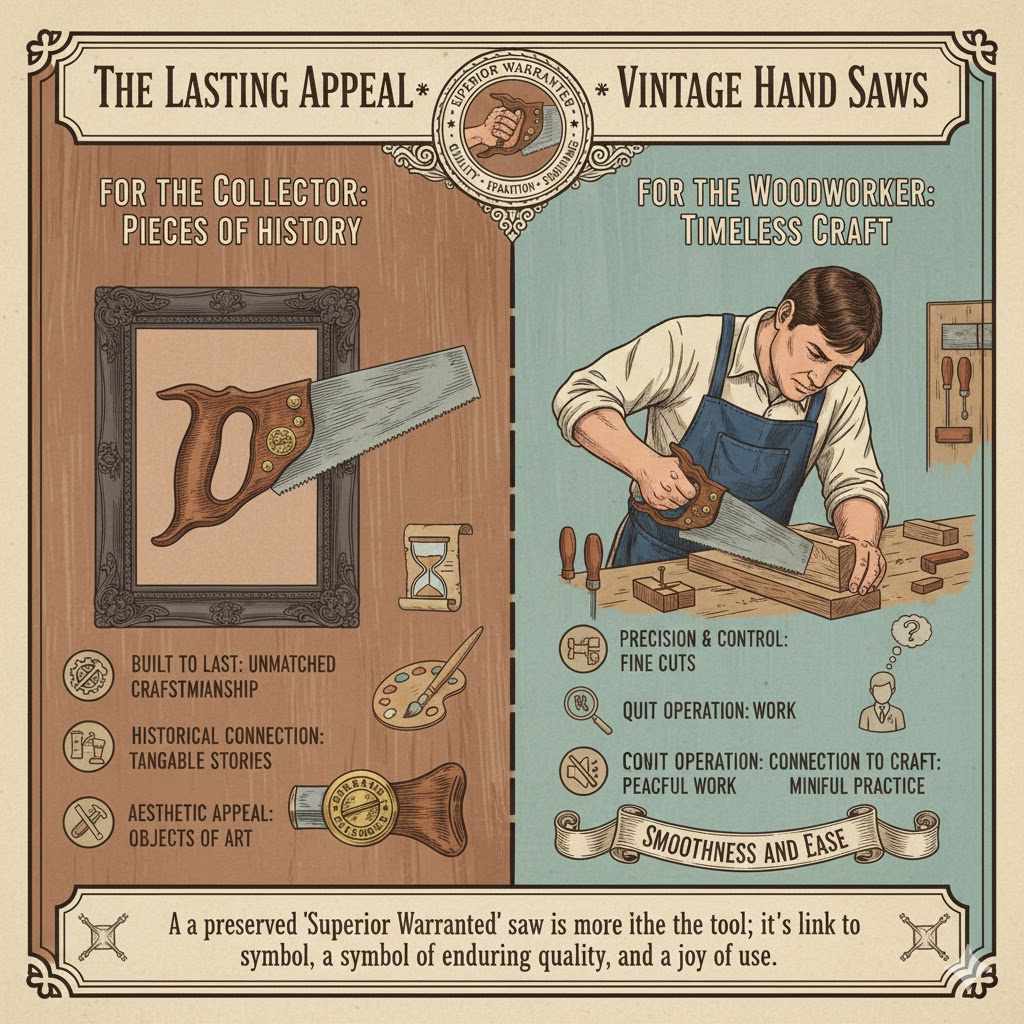
The appeal of vintage hand saws, especially those with a “Superior Warranted” label, goes beyond their functional use. They are tangible pieces of history, representing a time when tools were built with exceptional care and durability. These saws tell stories of the craftsmen who used them and the work they accomplished.
For collectors, they are items of beauty and value. For woodworkers, they offer a satisfying and precise cutting experience that modern tools sometimes lack. Understanding their value involves appreciating their condition, maker, and unique historical context.
This guide provides a foundation for recognizing and valuing these enduring tools.
Why Collectors Seek Out Superior Warranted Saws
Collectors are drawn to “Superior Warranted” saws for a blend of reasons. Quality craftsmanship is a primary draw; these saws were built to last, showcasing excellent metalworking and woodworking skills. The history embedded in each tool is also significant.
A saw that has seen decades of use carries stories of past projects and generations of makers. Rarity plays a part too; finding a specific model or maker can be a rewarding challenge. Furthermore, the aesthetic beauty of many vintage saws, with their elegant blades and shaped wooden handles, appeals to those who appreciate fine design and form.
- Built to Last: The high-quality materials and construction mean these saws have survived for many years, often in good working order. This inherent durability is impressive.
- Historical Connection: Owning a vintage saw connects the user to past woodworking traditions and the people who used these tools. It’s like holding a piece of history.
- Aesthetic Appeal: Many vintage saws are beautifully made, with finely crafted handles and precisely shaped blades. They are as much objects of art as they are tools.
A well-preserved “Superior Warranted” saw from a renowned maker is not just a tool; it’s a symbol of enduring quality and a link to the past.
Benefits for Modern Woodworkers
Even in an age of power tools, vintage hand saws offer distinct advantages for modern woodworkers. They provide a level of control and precision that is hard to match. The feedback a woodworker gets from a sharp hand saw cutting through wood is very satisfying.
They are also quiet and don’t require electricity, making them ideal for working in shared spaces or areas without power. Furthermore, using a vintage saw can foster a deeper connection to the craft, encouraging a more thoughtful and deliberate approach to woodworking. Learning to use and maintain these tools builds valuable skills.
- Precision and Control: A sharp hand saw allows for very fine cuts and excellent control over the workpiece, which is crucial for detailed joinery or delicate projects.
- Quiet Operation: Unlike noisy power tools, hand saws are silent. This is beneficial for working in noise-sensitive environments or late at night.
- Connection to Craft: Using hand tools can foster a greater appreciation for the woodworking process. It encourages patience and develops a more intuitive understanding of wood.
A well-sharpened “Superior Warranted” saw can slice through wood with a smoothness and ease that surprises many who are accustomed only to power tools.
Frequently Asked Questions
Question: What makes a Superior Warranted hand saw valuable
Answer: Value comes from good condition, the reputation of the maker, rarity of the specific model, and any historical significance it might have. Well-maintained saws from famous makers are usually worth more.
Question: Where can I find these vintage saws
Answer: You can often find them at antique shops, flea markets, estate sales, online auction sites, and sometimes at garage sales or through collector forums.
Question: Are old hand saws still useful today
Answer: Yes, old hand saws can be very useful for woodworkers who value precision, quiet operation, and a connection to traditional craft. Many are still sharp enough to cut beautifully.
Question: How do I clean rust off a vintage saw
Answer: You can use fine steel wool, brass brushes, or specialized rust remover solutions. Always clean and dry the blade thoroughly afterward to prevent more rust.
Question: Should I restore a Superior Warranted saw if it’s damaged
Answer: Restoration can increase value and usability, but assess the damage. Minor rust or dull teeth are fixable. Major issues like a bent blade might make restoration difficult or costly.
Summary
Discovering the value in a Superior Warranted Hand Saw: Vintage Value Guide involves appreciating its history, condition, and maker. These saws represent quality craftsmanship meant to last. Understanding key factors like blade integrity, handle condition, and maker reputation helps in assessing their worth.
Whether for a collector or a woodworker, these vintage tools offer unique benefits. With proper care, they remain functional and beautiful pieces of history, ready for new projects.