Tape for Rugs on Hardwood Floors: A Woodworker’s Guide to Keeping Rugs in Place
Hey there! If you’re like me, you’ve spent countless hours sanding, staining, and sealing your hardwood floors to make them the centerpiece of your home. There’s something so satisfying about a beautifully crafted wooden floor, isn’t there? But then you lay down a gorgeous area rug to add warmth and style, only to watch it slide around like it’s auditioning for an ice-skating routine. Frustrating, right? That’s where tape for rugs on hardwood floors comes in—a simple, affordable solution to keep your rugs secure without ruining your precious wood.
I’ve been down this road, experimenting with different tapes and methods, and I’m excited to share everything I’ve learned with you. Whether you’re a woodworking enthusiast or just a homeowner looking to protect your floors, this guide will walk you through the ins and outs of choosing and using rug tape, so your floors and rugs can live in harmony.
Let’s dive into the details of why rug tape matters, how to pick the right one, and some tips to make sure your hardwood stays as stunning as the day you finished it.
Why Rug Tape Matters for Hardwood Floors
Picture this: you’ve got a cozy living room with gleaming hardwood floors and a beautiful rug that ties the space together. But every time someone walks across it, the rug shifts, curls at the corners, or bunches up under the coffee table. Not only is this annoying, but it’s also a tripping hazard. I learned this the hard way when my dog zoomed across the room and sent my rug skidding into the wall. That’s when I realized I needed a solution that would keep my rug in place without damaging my carefully crafted floors.
Rug tape is a double-sided adhesive designed specifically to hold rugs securely on various surfaces, including hardwood. Unlike regular double-sided tape, rug tape is formulated to be strong enough to grip the rug but gentle enough not to harm delicate wood finishes. It’s a game-changer for anyone who loves the look of area rugs but hates the constant readjusting. Plus, it’s a budget-friendly alternative to rug pads, which can be pricey and bulky. The key is choosing a tape that works with hardwood without leaving sticky residue or stripping the finish—because nobody wants to spend hours scrubbing their floors or, worse, refinishing them.
Types of Rug Tape for Hardwood Floors
When I first started looking into rug tape, I was overwhelmed by the options. There are so many types out there, and not all of them are safe for hardwood. Let me break down the main types I’ve come across and what makes them suitable (or not) for your floors.
Silicone-Based Rug Tape
Silicone-based rug tape is my top pick for hardwood floors. It’s like the Goldilocks of adhesives—not too sticky, not too weak, but just right. The silicone adhesive grips the rug and floor securely but peels off cleanly without leaving residue. I’ve used this type on my oak floors, and it’s been a lifesaver. Another perk? Some silicone tapes are washable and reusable. You can pull up the rug, clean the tape with water, let it dry, and stick it back down. It’s perfect for those of us who like to rearrange furniture or clean under rugs regularly.
Rubber-Based Rug Tape
Rubber-based tapes are super sticky and strong, which sounds great until you realize they can be too aggressive for hardwood. I made the mistake of trying a cheap rubber-based tape once, and it left a gummy mess that took forever to clean. These tapes can react with wood finishes, especially if exposed to heat or sunlight, causing discoloration or damage. Unless the product specifically says it’s safe for hardwood, I’d steer clear of rubber-based tapes.
Acrylic-Based Rug Tape
Acrylic-based tapes are another option, and they’re often marketed as heavy-duty. They’re less likely to damage hardwood than rubber-based tapes, but they’re not as forgiving as silicone. I’ve found that acrylic tapes work well for high-traffic areas, but you need to be careful when removing them. If you leave them on too long, they can get stubborn and leave some residue. A little heat from a hairdryer can help loosen them up, but it’s extra work.
Hook-and-Loop (Velcro) Tape
Velcro-style rug tape is a unique option. One side sticks to the floor, and the other to the rug, with a hook-and-loop system that lets you remove and reattach the rug easily. I tried this in my hallway, and it worked well for a runner rug, but it’s not ideal for larger rugs or high-traffic areas. The adhesive on the floor side can sometimes be too strong, risking damage to the wood finish if you’re not careful. Plus, it’s pricier than standard rug tape.
Here’s a quick comparison table to help you choose:
| Tape Type | Best For | Hardwood Safety | Residue Risk | Reusable? | Cost |
|---|---|---|---|---|---|
| Silicone-Based | Hardwood, tile, laminate | High | Low | Yes (some) | Moderate |
| Rubber-Based | Carpet, concrete, outdoor use | Low | High | No | Low |
| Acrylic-Based | High-traffic areas, mixed surfaces | Moderate | Moderate | No | Moderate |
| Hook-and-Loop (Velcro) | Small rugs, temporary setups | Moderate | Moderate | Yes | High |
How to Choose the Right Rug Tape for Your Hardwood Floors
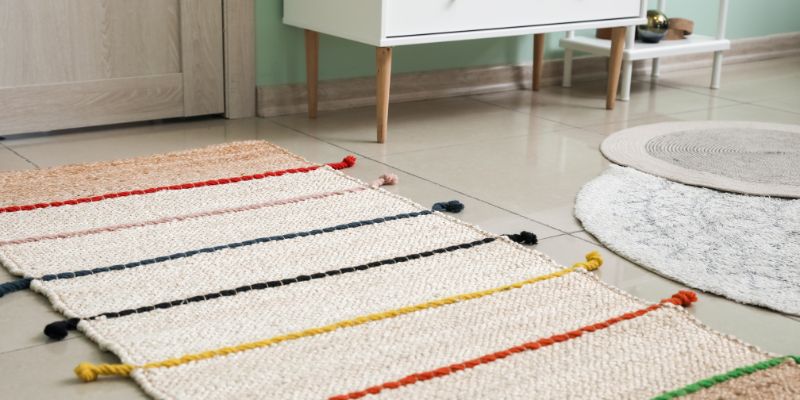
Picking the right rug tape feels like a small decision, but it can make or break your flooring project. I’ve learned a few key things to look for after testing different brands and types on my own floors.
First, always check if the tape is labeled as “safe for hardwood floors.” This is non-negotiable. Manufacturers will usually specify if their product is designed for delicate surfaces like wood. If it doesn’t mention hardwood, assume it’s not safe. I once grabbed a generic carpet tape from a hardware store, thinking it would be fine, only to spend an afternoon scrubbing adhesive off my floors. Lesson learned.
Next, consider the rug’s material and size. Thin, lightweight rugs need less aggressive tape, while thick, heavy rugs might require something with extra grip. For example, my shaggy Moroccan rug needed a woven, double-sided silicone tape to stay put, while a flatweave runner worked fine with basic silicone strips.
Think about how often you’ll move the rug. If you like to clean underneath or rearrange often, go for a reusable tape. I love the washable silicone ones because I can lift the rug, clean the floor, and stick it back down without buying new tape. For permanent setups, a stronger acrylic tape might be okay, but be ready for some cleanup when you remove it.
Finally, check the tape’s width and length. Wider tapes (2 inches or more) are better for large rugs, while narrow strips work for small mats or corners. I usually buy a roll that’s at least 40 yards long to have enough for multiple rugs. It’s better to have extra than to run out mid-project.
How to Apply Rug Tape Properly
Applying rug tape might seem straightforward, but there’s a right way to do it to avoid frustration and floor damage. Here’s the step-by-step process I’ve perfected after a few trial-and-error attempts.
Start by cleaning your hardwood floor thoroughly. Dust, dirt, or oils can weaken the tape’s grip. I use a damp microfiber cloth and a mild wood-safe cleaner, then let the floor dry completely. This step is crucial—don’t skip it.
Next, unroll your rug and let it sit flat for a day or two to remove any creases. I learned this after taping a curled rug and having to redo it because the corners kept lifting. If the rug is still curling, try reverse-rolling it or weighing down the edges with heavy books overnight.
Measure and cut the tape to fit the rug’s edges. I usually cut strips about 6-12 inches long, depending on the rug size. For a large area rug, I place strips along the perimeter and a few in the center to prevent bunching. For smaller rugs, corner squares often do the trick.
Peel off one side of the tape’s backing and stick it to the underside of the rug. Press firmly to ensure it adheres. Then, carefully peel off the other backing and position the rug on the floor. Start at one end and slowly lower it, pressing down as you go to avoid air bubbles. I like to walk on the rug afterward to really set the adhesive.
If you mess up, don’t panic. Most silicone tapes let you reposition the rug if you act quickly. Just lift gently and reapply. For stubborn tapes, a hairdryer on low heat can loosen the adhesive without damaging the floor.
Tips for Removing Rug Tape Without Damaging Hardwood
Removing rug tape can be nerve-wracking, especially if you’re worried about your hardwood. I’ve had a few close calls, but these tips have saved my floors every time.
Always pull the tape off slowly and at a low angle. Yanking it up quickly can strip the wood finish or leave residue. I start at one corner and peel back steadily, keeping the tape close to the floor.
If the tape is stubborn, apply a little heat with a hairdryer. I set mine to low and hold it about 6 inches away for 10-15 seconds. This softens the adhesive, making it easier to remove. Be careful not to overheat, as too much heat can damage the wood finish.
For any leftover residue, I use a wood-safe adhesive remover like Goo Gone. Apply a small amount to a microfiber cloth, rub gently, and wipe clean with a damp cloth. Test it in a hidden spot first to make sure it won’t harm your finish. I’ve also used a mix of warm water and dish soap for mild residue, which works well for silicone tapes.
After removing the tape, polish the area with a wood floor cleaner to restore the shine. I love seeing my floors sparkle again, and it’s a relief to know they’re undamaged.
Alternatives to Rug Tape
While rug tape is my go-to, it’s not the only way to keep rugs in place. I’ve explored a few alternatives, and each has its pros and cons.
Non-slip rug pads are the most popular option. They’re made of materials like felt or rubber and provide cushioning as well as grip. I used a felt pad under my dining room rug, and it’s great for comfort, but it was expensive—almost as much as the rug itself. Pads are also bulkier, which can be an issue for thin rugs or doorways.
Rubber-backed rugs are another option, but I avoid them. The rubber can discolor hardwood over time, especially in humid conditions. I’ve seen friends deal with faded patches on their floors, and it’s not worth the risk.
For small rugs, adhesive corner grippers are a neat solution. These are like mini rug tapes that stick only to the corners. I tried them on a doormat, and they worked well, but they’re not strong enough for larger rugs.
If you’re a DIY type, some folks use hot glue or even painter’s tape, but I don’t recommend these. They’re either too permanent or not sticky enough, and they can damage your floors or rug.
Common Mistakes to Avoid
I’ve made my fair share of mistakes with rug tape, so let me save you some trouble. First, don’t use generic double-sided tape or duct tape. They’re not designed for hardwood and will likely leave a mess. I learned this after a duct tape disaster that took hours to clean up.
Don’t skip cleaning the floor before applying tape. Even a little dust can weaken the adhesive, and you’ll end up with a rug that still slides around. Trust me, it’s worth the extra five minutes.
Avoid leaving tape on for too long, especially in sunny rooms. Heat and UV light can make some adhesives bond too strongly, making removal a nightmare. I check my tapes every six months and replace them if needed.
Finally, don’t assume all rug tapes are the same. Read the label, check reviews, and maybe test a small piece in a hidden area. Your floors are too valuable to take chances.
My Favorite Rug Tape Brands
After trying a bunch of products, I’ve narrowed down my top picks. XFasten Double-Sided Carpet Tape is a standout for its silicone adhesive and residue-free removal. It’s strong enough for large rugs but gentle on hardwood. I used it in my living room, and it’s held up through months of foot traffic.
Another great option is The Good Stuff Carpet Tape. It’s woven for extra grip on plush rugs and comes with a paper backing for easy application. I found it at Target for a great price, and it’s been reliable for my kitchen rug.
For reusable options, I like the washable silicone grippers from RugKnots. They’re pricier but worth it if you move your rugs often. Just clean them with water, and they’re good as new.
Conclusion
Keeping your rugs in place on hardwood floors doesn’t have to be a battle. With the right rug tape, you can enjoy the beauty of your rugs and the elegance of your wood floors without worrying about slips, curls, or damage. I’ve been through the trial and error, from sticky messes to perfect solutions, and I can tell you that a good silicone-based rug tape is your best friend. It’s affordable, easy to use, and safe for your precious hardwood.
Whether you’re securing a small doormat or a large area rug, take the time to choose the right tape, apply it carefully, and maintain it properly. Your floors will thank you, and you’ll love the peace of mind that comes with a rug that stays put.
So, go ahead and roll out that rug you’ve been eyeing. With the tips and tricks I’ve shared, you can keep it secure and your hardwood flawless. Happy decorating, and here’s to floors that shine and rugs that stay in place!
FAQs
What is the best type of rug tape for hardwood floors?
Silicone-based rug tape is the best choice for hardwood floors. It’s strong enough to hold rugs in place but gentle enough to remove without leaving residue or damaging the finish. Look for brands like XFasten or RugKnots for reliable options.
Can rug tape damage my hardwood floors?
Not if you choose the right tape. Silicone-based tapes are designed to be safe for hardwood and leave no residue. Avoid rubber-based tapes, as they can react with wood finishes and cause discoloration or damage.
How do I remove rug tape residue from hardwood?
Use a wood-safe adhesive remover like Goo Gone or a mix of warm water and dish soap. Apply it with a microfiber cloth, rub gently, and wipe clean. For stubborn residue, apply low heat with a hairdryer to loosen the adhesive first.
Are there alternatives to rug tape for securing rugs?
Yes, non-slip rug pads, adhesive corner grippers, or hook-and-loop tapes are good alternatives. Rug pads add cushioning but are pricier, while corner grippers work for small rugs. Avoid rubber-backed rugs, as they can discolor hardwood.
How often should I replace rug tape?
Check your rug tape every six months. If it’s losing grip or getting dirty, replace it. Reusable silicone tapes can be cleaned and reapplied, but most tapes should be swapped out annually to ensure a strong hold.