Is Engineered Hardwood Water Resistant? Why the Core Matters Most
Engineered hardwood is water-resistant, not waterproof, and how much water it survives depends more on what’s inside the plank than what’s sprayed on top.
Most guides treat “engineered hardwood” as a single product with one water-resistance rating. It isn’t. The wear layer and finish on top matter for surface spills, but the core material underneath the wood veneer is what decides whether a plank survives a real moisture event. A cross-layered plywood core swells only slightly when it takes on water and tends to return close to its original shape once it dries. A high-density fiberboard (HDF) core — compressed wood fibers bonded with resin — is more dimensionally stable day to day, but once it actually gets soaked through, the fibers swell permanently and don’t fully shrink back, even after the floor looks dry again. Check the product spec sheet or look at the plank’s cut edge for “plywood core” versus “HDF core” before assuming two engineered floors will hold up the same way in a kitchen or basement.
None of this makes engineered hardwood a waterproof floor. Engineered hardwood flooring can handle occasional spills wiped up promptly and normal household humidity, but standing water for more than a day or two will find its way past even a good finish and into the core. Rugs at entryways, quick cleanup of spills, and knowing which core your flooring uses are the three things that actually determine whether it survives.
Introduction To Engineered Hardwood
Best Moisture Meter Pick
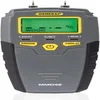
General Tools MMD4E Moisture Meter – $37.70
If you’re installing engineered hardwood over concrete or in a humid room, checking moisture levels first tells you whether the flooring will actually hold up there.
- Best for: Checking subfloor and room moisture before installing water-sensitive flooring
- Why we picked it: Pin-type reading works on wood, drywall, and concrete without extra probes
- Main drawback: Pin-type meters leave tiny marks, so test in an inconspicuous spot
Compare more moisture meter options
 Option 1 Klein Tools ET140 – $49.97
|
 Option 2 Dr.meter MD918 – $45.99
|
 Option 3 Tavool Moisture Meter – $29.99
|
As an Amazon Associate we earn from qualifying purchases.
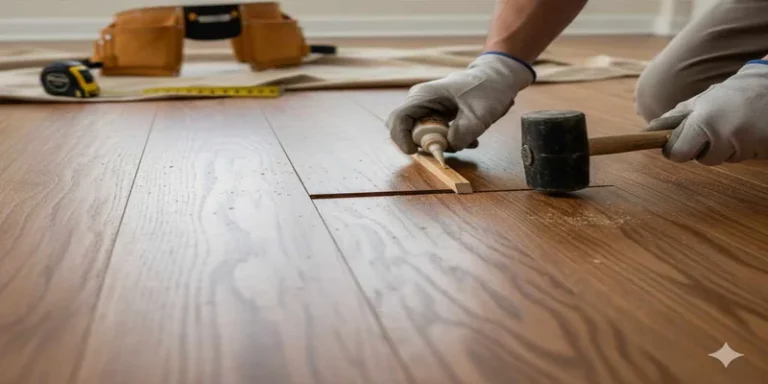
Engineered hardwood is a popular choice for many homeowners. It consists of layers of real wood veneer and plywood. This makes it more stable than solid hardwood. The top layer is made of hardwood, giving it a beautiful finish.
Compared to solid hardwood, engineered hardwood is often more affordable. It can be installed over concrete and is less likely to warp. This type of flooring is also easier to maintain.
| Feature | Engineered Hardwood | Solid Hardwood |
|---|---|---|
| Cost | Generally lower | Higher |
| Stability | More stable | Less stable |
| Installation | Can be installed over concrete | Requires a wooden subfloor |
| Maintenance | Easy to maintain | More care needed |
The Quest For Water Resistance In Flooring
Water resistance is crucial for flooring choices. It protects against moisture damage. Engineered hardwood offers better performance than traditional wood. This is due to its layered construction. The top layer is real wood, while the core is made of high-density fiberboard. This structure can resist warping and cupping caused by water.
Challenges arise with wood floors and moisture. Spills can lead to stains and mold growth. Humidity can cause wood to swell or shrink. Choosing water-resistant options is wise for high-moisture areas. Areas like kitchens and bathrooms benefit most from these choices. Understanding these factors helps in making informed flooring decisions.
Unveiling Engineered Hardwood’s Structure
Engineered hardwood consists of several layers. The top layer is real wood, giving it a natural look. Beneath is a core made of plywood or high-density fiberboard.
This design makes engineered hardwood strong and stable. It resists warping better than solid wood. The layers work together to create a durable floor.
Protective finishes play a vital role. They help keep moisture and stains away. These finishes can make the floor more water-resistant.
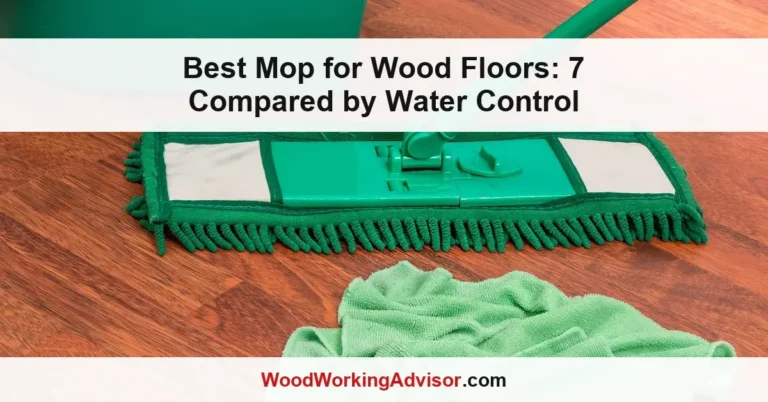
Regular cleaning and proper maintenance enhance its durability. Use a damp mop for cleaning. Avoid excessive water, which can damage the floor.
Engineered Hardwood And Water: The Verdict
Engineered hardwood is designed to resist water better than traditional hardwood. Many tests show that it can handle small amounts of moisture. Surface spills can usually be wiped away without damage.
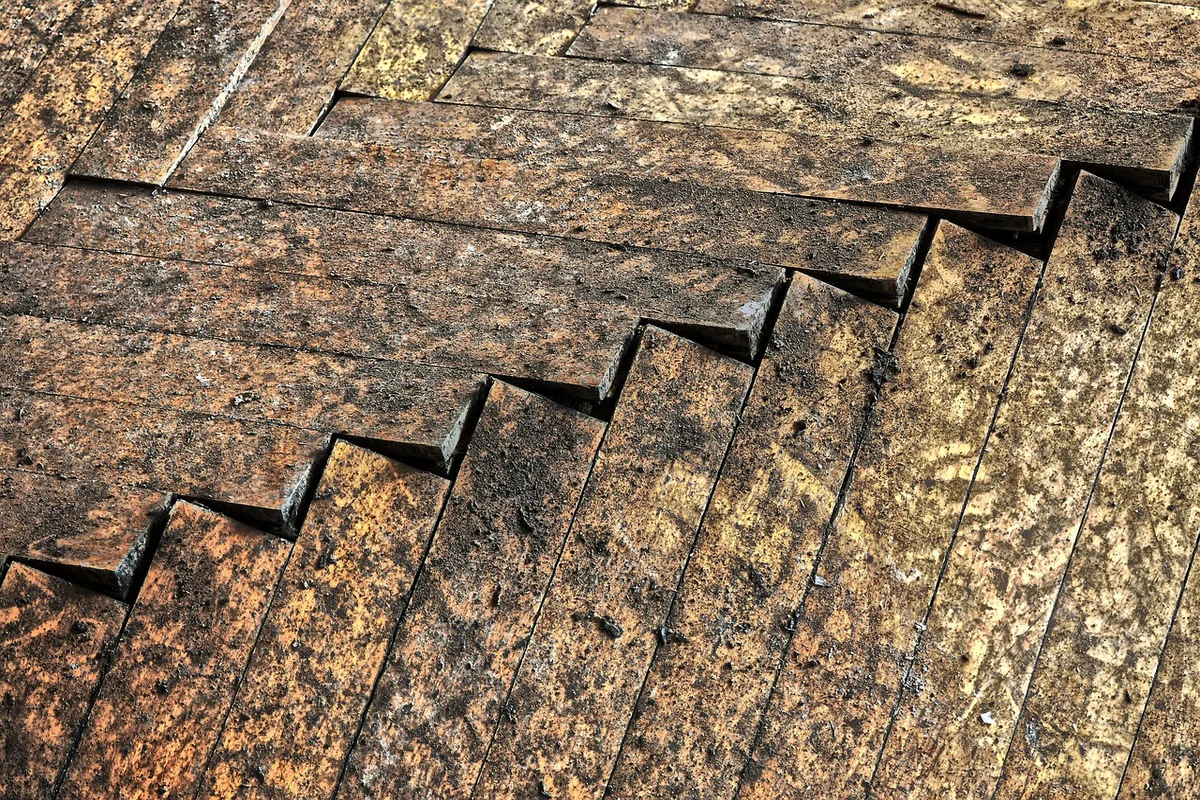
However, it is not completely water-proof. Long exposure to water can lead to warping or damage. This means you should avoid flooding or soaking the floor.
| Water Exposure Type | Effect on Engineered Hardwood |
|---|---|
| Surface Spills | Generally safe; wipe up quickly. |
| High Humidity | May cause slight expansion. |
| Standing Water | Can cause serious damage. |
Comparative Analysis With Alternatives
Engineered hardwood offers better water resistance than solid hardwood. It has a core made from high-density fiberboard. This design helps it withstand moisture.
Laminate flooring is often more resistant to water than engineered hardwood. It features a plastic layer that protects against spills. However, laminate cannot be refinished like engineered hardwood.
| Feature | Engineered Hardwood | Laminate Flooring |
|---|---|---|
| Water Resistance | Moderate | High |
| Refinishing | Yes | No |
| Look and Feel | Natural Wood | Artificial |
Solid hardwood lacks the water resistance of engineered options. It can warp or buckle with moisture. Choosing the right type depends on your needs.
Maintenance Tips For Enhanced Durability
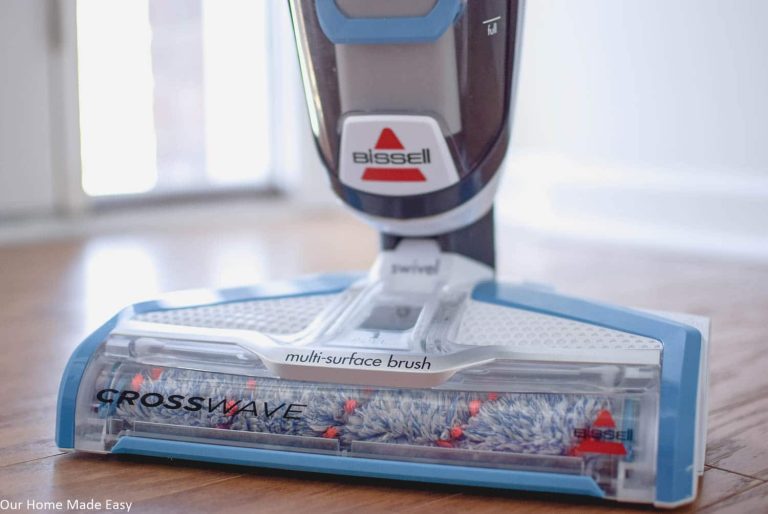
Regular care helps maintain the durability of engineered hardwood. Clean the floor weekly with a soft broom or microfiber cloth. Use a damp mop for deeper cleaning, avoiding excess water. See our full engineered hardwood care guide for a complete routine.
Address spills immediately to prevent damage. Blot up liquid with a soft cloth. Avoid rubbing, as it can spread the stain. Use a mild cleaner if needed, but test it first in a small area.
Protect the floor from moisture by placing mats at entryways. This helps catch dirt and water. Consider using coasters under furniture to prevent scratches. Regular maintenance keeps your floors looking great.
Installation Considerations For Moisture Prone Areas
Engineered hardwood can be sensitive to moisture. Proper installation is key in wet areas.
Best Practices include:
- Use a moisture barrier during installation.
- Choose a water-resistant finish for added protection.
- Seal all gaps to prevent water penetration.
Avoiding Common Pitfalls is important:
- Do not install over damp surfaces.
- Avoid using in areas prone to flooding.
- Check humidity levels before and after installation.
Final Thoughts And Recommendations
Engineered hardwood is not fully water-resistant, but it can handle some moisture. Proper care is essential to maintain its beauty. Regular cleaning helps prevent water damage.
Consider your needs before purchasing. Check the ratings for water resistance. Some brands offer better protection than others.
Future trends show an increase in water-resistant flooring options. New technologies are making floors more durable. Many manufacturers focus on innovative designs that blend style and functionality.
Choosing the right flooring can enhance your home. Research different options to find what suits you best.
Frequently Asked Questions
Is Engineered Hardwood Waterproof?
Engineered hardwood is not completely waterproof. It is designed to resist moisture better than traditional hardwood. However, prolonged exposure to water can cause damage. For high-moisture areas, consider waterproof alternatives or proper sealing to enhance durability.
Can I Use Engineered Hardwood In Bathrooms?
Using engineered hardwood in bathrooms is possible but requires caution. Ensure proper installation and sealing to prevent moisture damage. Opt for higher quality products specifically designed for humid environments. Regular maintenance and quick cleanup of spills can help maintain its condition.
How Do I Maintain Engineered Hardwood?
Maintaining engineered hardwood is simple. Regularly sweep or vacuum to remove dirt and debris. Use a damp mop with a gentle cleaner for deeper cleaning. Avoid excessive water and harsh chemicals, as they can harm the finish. Routine care keeps it looking great for years.
Does Engineered Hardwood Expand With Moisture?
Yes, engineered hardwood can expand with moisture. It is constructed to handle some humidity changes, unlike solid wood. However, extreme moisture levels can lead to expansion or contraction. Proper acclimation before installation helps minimize these issues and ensures better performance.
Conclusion
Engineered hardwood offers some water resistance but is not entirely waterproof. Proper maintenance and care are essential to protect your floors. Use mats and clean spills promptly to extend their lifespan. Understanding the limitations of engineered hardwood can help you make informed decisions for your home.
Enjoy your beautiful floors while keeping them safe!
Sponsored / affiliate links. As an Amazon Associate I earn from qualifying purchases. I may earn additional commission from eligible campaigns.