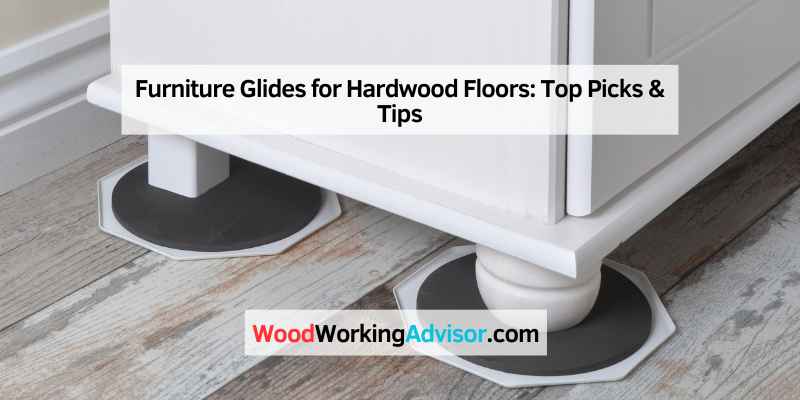
Furniture Glides for Hardwood Floors (Which Type Actually Works)
Felt and PTFE (Teflon) glides slide the smoothest on hardwood, but only rubber and thick vinyl glides are rated for heavy furniture like dressers and sofas – using a thin felt pad under a 200-pound dresser is a common reason glides fail within weeks. Choosing the wrong type crushes the pad flat, exposing the bare furniture leg to your hardwood floor finish. This guide covers which glide material to use for light vs. heavy furniture, how to install them without damaging your finish, and two DIY fixes that actually hold up.
Which Furniture Glide Material Actually Works for Hardwood
Best Felt Glide Pick
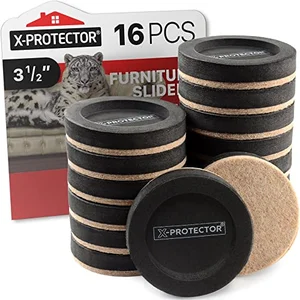 |
X-PROTECTOR Felt Furniture Sliders (16-Pack) – $14.99 Self-stick felt pads sized for chair and small-table legs – the exact self-stick felt type this guide recommends for light furniture, not heavy dressers or sofas.
|
Furniture glides fall into three practical categories, and picking the wrong one is the single biggest reason people end up back at the store. Here’s how they actually compare on hardwood.
| Glide Type | Best Weight Range | Slides This Well | Main Weakness |
|---|---|---|---|
| Felt (self-stick) | Light – chairs, small tables | Good, quiet | Compresses flat under sustained heavy weight |
| PTFE (Teflon) | Light to medium | Best glide, lowest friction | Can look shiny/plasticky under light furniture legs |
| Rubber / thick vinyl | Heavy – sofas, dressers, appliances | Moderate, needs a push | Can mark softer wood finishes if gritty |
| Nail-on plastic/metal | Heavy, permanent legs | Good once seated | Nail holes are permanent; not for antiques |
A furniture glide is a small disc or cap — felt, PTFE, rubber, or hard plastic — attached to the bottom of a furniture leg so the leg slides instead of grips. The material determines both how smoothly it slides and how much weight it can carry without going flat. Rule of thumb: match the glide’s load rating to the actual weight of the piece divided by its number of legs, not just the furniture “type.”
Self-Stick Felt and PTFE Glides
Self-stick glides peel-and-press onto a clean, dry leg bottom. Felt is quiet and gentle but compresses under sustained heavy loads — fine for dining chairs, wrong for a loaded bookcase. PTFE (Teflon) glides have the lowest coefficient of friction of the three types, which is why professional movers prefer them for repositioning furniture repeatedly rather than leaving it in place.
Nail-On and Slip-On Glides
Nail-on glides are tapped into the leg’s end grain with small nails or screws — a more permanent, more secure option for furniture that stays put and carries real weight. Slip-on glides stretch or snap over the existing leg without hardware, which makes them the better pick for antiques or rental furniture where you can’t put a nail hole in the leg.
How to Install Furniture Glides Without Damaging the Finish
Installation mistakes, not the glide itself, cause most of the scratches people blame on “bad glides.” Follow this order every time:
- Clean and dry the leg bottom: Wipe off dust, wax, or old adhesive residue — self-stick glides won’t bond to a dirty or oily surface.
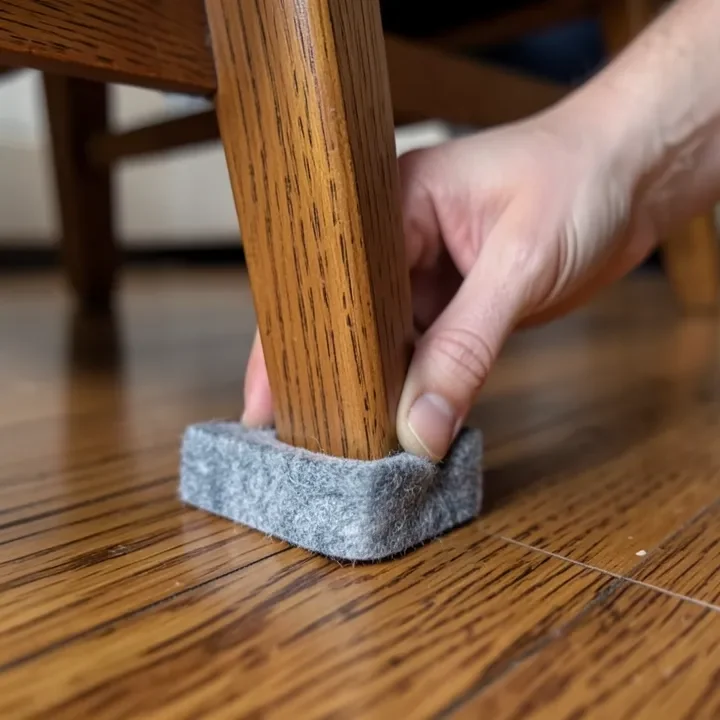
- Size the glide to the leg, not the furniture: The glide should cover the full leg bottom with no bare wood or metal edge exposed; an undersized glide lets the exposed rim touch the floor.
- Press and hold for 30 seconds on self-stick types to let the adhesive fully bond before setting the furniture down.
- For nail-on glides, pre-drill a pilot hole smaller than the nail shank in hardwood legs to prevent splitting — the same principle used when pre-drilling large wood screws.
- Lift, never drag, furniture into its final position the first time — dragging before the glide is fully seated is what causes the first scratch.
Common Mistakes That Ruin Hardwood Floors
Three mistakes account for most of the glide-related floor damage we see reported: wrong size, wrong material for the floor traffic pattern, and skipped inspections.
Undersized Glides
A glide smaller than the leg’s footprint leaves an exposed rim of wood or metal touching the floor, concentrating the furniture’s full weight onto that unprotected edge. This is the single most common sizing mistake, and it looks fine on day one — the scratching only starts once the glide’s own weight compresses slightly off-center.
Debris Trapped Underneath
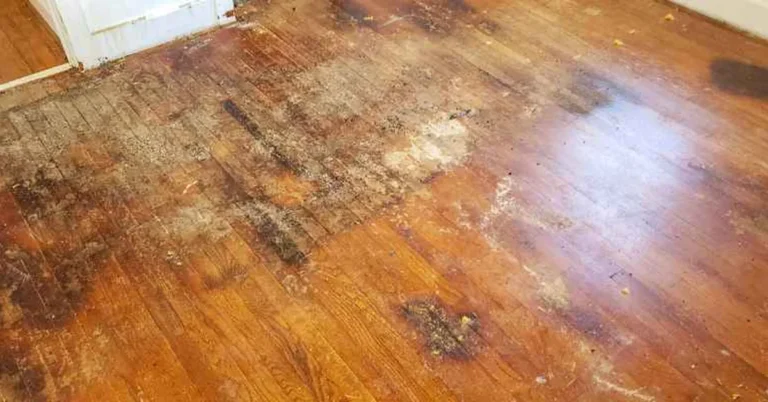
Grit or sand caught between a glide and the floor acts like sandpaper every time the furniture shifts even slightly — this causes more visible scratching than using no glide at all in some cases. Sweep or vacuum under furniture with glides more often than you’d think, especially near entryways.
Never Inspecting Worn Glides
Felt glides compress and harden over months of use, gradually turning from a cushion into a hard, glazed disc that scratches like bare wood. Check glides on frequently-moved furniture (dining chairs, rolling carts) every few months and replace any that feel hard or look shiny/flattened.
DIY Glide Alternatives That Actually Hold Up
Store-bought glides aren’t strictly required — these two DIY fixes work when you need a solution immediately:
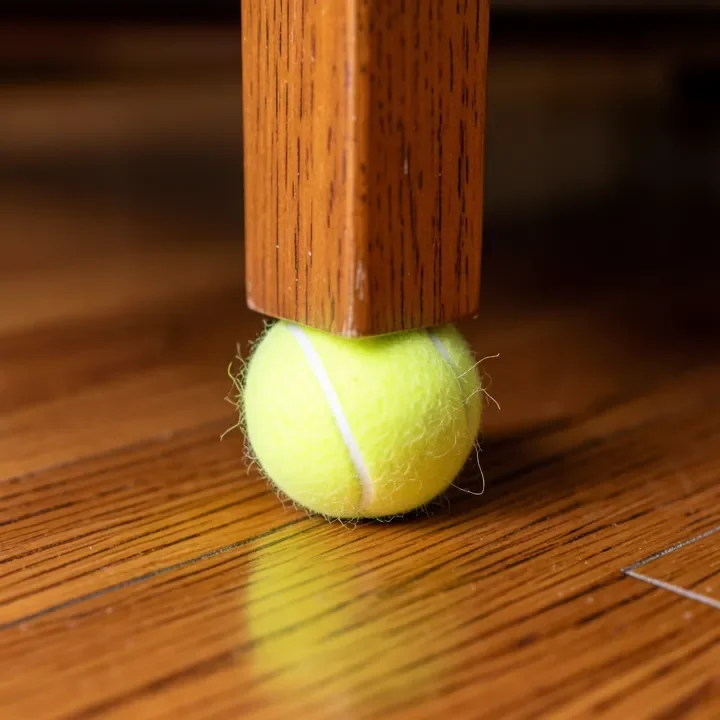
- Tennis ball caps: Cut an X in an old tennis ball and press it over the leg bottom — the fuzzed felt surface glides surprisingly well on hardwood and works for light-to-medium chairs. Replace once the felt wears through to the rubber.
- Felt or cork squares cut to size: Craft-store adhesive felt sheets, cut to match the leg’s exact footprint and applied with strong contact adhesive (not just the sheet’s own sticky backing for anything heavier than a side chair), work as a genuine long-term substitute for store-bought pads.
Both are temporary or light-duty fixes only — for anything load-bearing (dressers, sofas, appliances), use a rated rubber or plastic glide instead.
Frequently Asked Questions
Do Furniture Sliders Work on Hardwood Floors?
Yes — when the glide’s load rating matches the furniture’s weight per leg. Felt and PTFE glides work well for chairs and light tables; heavier pieces need rubber or thick vinyl glides instead, or the pad compresses flat and stops protecting the floor.
How Do You Slide Furniture on Hardwood Floors?
Lift the furniture (never drag it) to seat a glide or slider under each leg, confirm the glide fully covers the leg’s footprint, then push the furniture gently in one direction. Remove the glides once the piece is in its final spot if you don’t want it to shift underfoot later.
How Do I Keep My Furniture From Scratching My Hardwood Floors?
Fit every leg with a properly sized glide matched to the furniture’s weight, keep the area under the legs swept free of grit, and inspect glides every few months for compression or hardening. Worn glides scratch floors just as badly as bare furniture legs.
Do Plastic Chair Glides Scratch Hardwood Floors?
Hard plastic glides can scratch hardwood if grit gets trapped underneath or the plastic itself is textured/damaged. Felt-bottomed or rubber-bottomed glides are safer for finished hardwood than bare hard plastic, especially in high-traffic rooms.
Conclusion
Match the glide material to the furniture’s actual weight per leg — felt or PTFE for light pieces, rubber or nail-on plastic for anything heavy — install them on a clean, dry leg with full footprint coverage, and check them every few months for wear. That combination protects hardwood floors far more reliably than any single “best” glide brand.
Sponsored / affiliate links. As an Amazon Associate I earn from qualifying purchases. I may earn additional commission from eligible campaigns.