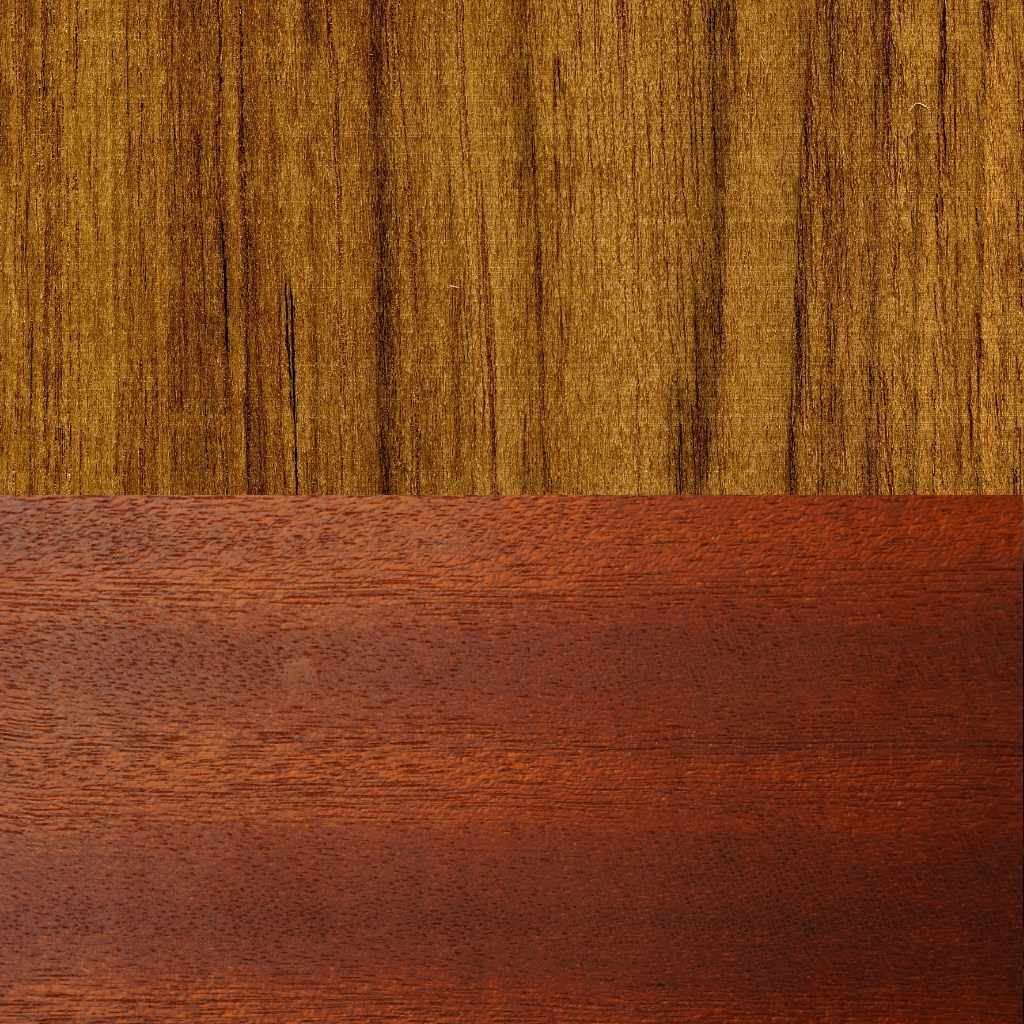
Teak Vs Mahogany Stain: Ultimate Guide to Choosing the Best Finish
When it comes to choosing the perfect stain for your wooden furniture, you might find yourself torn between teak and mahogany stain. Both offer rich, warm tones that can transform your space, but which one truly suits your style and needs?
You want your furniture to stand out, last longer, and reflect your personality. Understanding the differences between teak and mahogany stain will help you make the best choice. Keep reading to discover how each stain can enhance your wood’s beauty and what factors you should consider before making your decision.
Characteristics Of Teak Wood
Teak wood is a popular choice for furniture and outdoor projects. Its unique qualities make it stand out among other hardwoods. Understanding the characteristics of teak helps in choosing the right wood and stain for your needs.
Natural Color And Grain
Teak has a warm, golden-brown color that deepens with age. Its grain is straight, tight, and smooth. The wood often shows natural patterns that add beauty to any piece. Over time, teak can develop a soft silver-gray patina if left untreated.
Durability And Resistance
Teak is strong and durable. It resists water, insects, and decay better than many woods. This makes it ideal for outdoor furniture and boats. Its natural oils protect the wood, reducing the need for extra treatments.
Common Uses In Furniture
Teak is widely used for indoor and outdoor furniture. Chairs, tables, and benches often feature teak wood. Its durability suits both homes and gardens. Many craftsmen prefer teak for its workability and lasting beauty.
Features Of Mahogany Wood
Mahogany wood is famous for its beautiful look and strong build. It stands out with its deep color and smooth texture. Many people choose mahogany for its natural charm and lasting quality. This wood works well in many uses because of its features.
Below are some key points about mahogany wood that help you understand why it is popular.
Richness In Color And Texture
Mahogany has a warm, reddish-brown color that deepens over time. Its grain is straight and fine, giving a smooth feel. This wood shines with a natural luster that looks good without much finish. The color and texture make it easy to match with many styles.
Strength And Longevity
Mahogany is tough and resists damage well. It does not crack or warp easily, even in different weather. This wood lasts for many years if cared for properly. Its strength makes it a reliable choice for furniture and structures that need to stay strong.
Popular Applications
Mahogany is used a lot in furniture like tables, chairs, and cabinets. It also appears in musical instruments for its sound quality. Many doors and flooring use mahogany because it looks good and stays strong. Its appeal fits both classic and modern designs.
Types Of Stains For Teak
Teak wood needs special care to keep its rich look. Choosing the right stain helps protect the wood and shows its natural beauty. Different types of stains work well on teak, each with unique benefits. Understanding these options helps pick the best one for your project.
Oil-based Stains
Oil-based stains soak deep into teak wood. They bring out the warm, golden color of teak. These stains protect the wood from water and sun damage. They last longer than many other stains. Applying oil-based stains is easy, but drying can take a few hours. Regular reapplication keeps teak looking fresh and protected.
Water-based Stains
Water-based stains are good for quick drying. They have low odor and clean up with water. These stains keep the natural look of teak without darkening it too much. They are less harmful to the environment. Water-based stains may need more coats for full protection. They are perfect for indoor teak furniture.
Gel Stains
Gel stains sit on top of teak wood. They are thick and easy to control during application. Gel stains work well on uneven or rough teak surfaces. They give a smooth, even finish without drips. These stains offer good color richness and hide imperfections. Gel stains dry slower but offer durable protection.
Stain Options For Mahogany
Mahogany is a popular wood for furniture and decor. Its rich color and smooth grain make it a favorite choice. Choosing the right stain can enhance its natural beauty. Different stains can bring out unique features in mahogany.
Enhancing Natural Red Tones
Mahogany has deep red tones that many want to highlight. Light stains with a reddish tint help brighten these colors. They keep the wood looking fresh and natural. This option works well for bright rooms and classic styles.
Darker Stain Choices
Darker stains add richness and depth to mahogany. They create a more formal and elegant look. Shades like espresso or walnut blend well with the wood’s grain. Dark stains also hide minor scratches and marks better.
Protective Finishes
Stains work best with protective finishes. Clear varnishes or polyurethane seal the wood. They protect against moisture, dirt, and wear. This keeps mahogany looking beautiful for years. Finishes also add a soft shine to the surface.
Comparing Stain Effects On Teak And Mahogany
Teak and mahogany are popular woods for furniture and decor. Staining these woods changes their look. It highlights different features of each wood. Understanding how stains affect teak and mahogany helps choose the right finish.
Each wood reacts differently to stain. The color, grain, and finish life vary. These differences affect the final appearance and durability of the wood.
Color Enhancement
Teak has a natural golden-brown color. Stains deepen this tone, making it richer. Darker stains add warmth but keep teak’s bright shine. Mahogany starts with a reddish-brown hue. Stains can make mahogany look deeper and more vibrant. Lighter stains soften its red tones. Both woods show strong color changes after staining.
Grain Visibility
Teak’s grain is tight and smooth. Stains highlight its subtle patterns well. The grain stays clear and defined. Mahogany has a more open, flowing grain. Stains bring out its swirls and curves. Sometimes, dark stains can hide mahogany’s grain details. Lighter stains keep the grain visible and attractive.
Longevity Of Finish
Teak is naturally oily. This oil helps stains last longer. The finish on teak resists peeling and fading. Mahogany absorbs stain more deeply but may fade faster. It needs extra care and sealing to keep its finish. Both woods benefit from regular maintenance to protect the stain.
Factors To Consider When Choosing A Stain
Choosing the right stain for teak or mahogany wood affects the final look and durability. Several important factors influence this choice. Understanding these can help you pick a stain that fits your needs perfectly.
Intended Use And Environment
Consider where the wood will be placed. Outdoor wood faces sun, rain, and wind. It needs a stain that protects against weather and fading. Indoor wood has less exposure but still needs protection from spills and dirt. Choose a stain suitable for the wood’s location and climate.
Desired Aesthetic
Stains come in many shades and finishes. Some enhance the natural grain of teak or mahogany. Others add color to match furniture or décor. Decide if you want a glossy, matte, or satin finish. The right stain brings out the beauty of each wood type.
Maintenance Requirements
Some stains last longer and need less care. Others require regular reapplication to keep the wood looking good. Think about how much time you can spend on maintenance. A durable stain saves effort and keeps the wood protected.
Application Tips For Teak And Mahogany Stains
Applying stains to teak and mahogany wood requires care and the right approach. Proper application ensures a rich color and long-lasting finish. Following specific steps can help achieve the best results for both wood types.
Surface Preparation
Start by cleaning the wood surface thoroughly. Remove dirt, dust, and old finishes. Lightly sand the wood with fine-grit sandpaper. Sanding opens the wood pores for better stain absorption. Wipe off all sanding dust with a damp cloth. Ensure the wood is completely dry before staining.
Staining Techniques
Use a high-quality brush or cloth for even stain application. Apply the stain along the wood grain for a smooth finish. Avoid applying too much stain at once. Multiple thin coats work better than a thick one. Let the stain soak into the wood for a few minutes. Wipe off excess stain with a clean cloth to prevent blotches.
Drying And Curing Times
Allow the stain to dry in a well-ventilated area. Drying times vary depending on humidity and temperature. Usually, stains dry in 4 to 6 hours. Avoid touching the surface during this time. For full curing, wait at least 24 to 48 hours. Curing ensures the stain hardens and lasts longer.
Common Mistakes To Avoid
Staining teak and mahogany wood can enhance their natural beauty. Avoiding common mistakes helps achieve a smooth, even finish. Many people face issues that can ruin the look and durability of the stain. Understanding these errors will save time and improve results.
Over-application Of Stain
Applying too much stain causes blotchy and uneven color. The wood surface stays sticky and takes longer to dry. Excess stain can also peel or flake off over time. Use thin, even coats and allow each layer to dry fully before adding more.
Ignoring Wood Grain Direction
Staining against the grain creates streaks and rough texture. The stain may not penetrate well, leaving patches lighter than others. Always follow the wood grain when applying stain. This method helps the wood absorb color evenly and look smoother.
Skipping Protective Topcoat
Not using a topcoat leaves the stain exposed to damage. Water, sunlight, and wear can fade or ruin the finish quickly. A protective layer seals the stain and extends the wood’s life. Choose a clear, durable topcoat for best protection after staining.
Maintaining Stained Teak And Mahogany
Maintaining stained teak and mahogany keeps their beauty and durability strong. Both woods need care to protect their rich colors and natural grain. Proper maintenance helps avoid fading, cracking, or peeling of the stain. Simple steps make a big difference in preserving these elegant woods.
Cleaning Methods
Use a soft cloth or brush for dust and dirt removal. Mild soap mixed with water works well for gentle cleaning. Avoid harsh chemicals that can damage the stain or wood. Rinse with clean water and dry thoroughly to prevent moisture damage. Clean regularly to maintain the wood’s natural shine and color.
Periodic Reapplication
Stain wears down over time due to sun and weather exposure. Reapply the stain every one to two years for best results. Light sanding before reapplying helps the new stain stick better. Choose a stain that matches the original color for consistency. Regular reapplication keeps the wood looking fresh and protected.
Handling Wear And Damage
Scratches and chips can happen with daily use. Light sanding smooths out minor damage before touching up with stain. For deeper damage, fill cracks with wood filler and sand flat. Apply stain carefully to blend repairs with the surrounding wood. Prompt repairs stop damage from getting worse and extend wood life.
Frequently Asked Questions
What Are The Main Differences Between Teak And Mahogany Stain?
Teak stain highlights warm, golden tones, while mahogany stain reveals rich, reddish-brown hues. Teak often requires lighter stains, mahogany suits darker finishes. Both enhance wood grain but create distinct aesthetics fitting different decor styles.
Which Stain Lasts Longer On Teak Versus Mahogany?
Teak stain generally lasts longer due to teak’s natural oils resisting weathering. Mahogany stain may fade faster without regular maintenance. Proper sealing and upkeep extend stain life on both woods, but teak is more durable outdoors.
Can I Use The Same Stain For Teak And Mahogany?
While some stains work on both, it’s best to choose wood-specific products. Teak needs stains that preserve its natural oils. Mahogany benefits from stains enhancing its deep color. Using the right stain ensures better appearance and durability.
How Does Teak Stain Affect Wood Grain Visibility?
Teak stain enhances natural wood grain, making patterns more visible and vibrant. It often adds a warm glow without obscuring texture. This highlights teak’s unique grain, creating a rich, natural finish that’s ideal for furniture and flooring.
Conclusion
Teak and mahogany stains each bring unique beauty to wood. Teak stain offers a warm, golden tone that enhances natural grain. Mahogany stain creates a rich, deep reddish-brown color with elegance. Both stains protect wood and add charm to furniture.
Choose based on the look you want and the wood type. Stains improve durability and keep wood looking fresh. Your decision shapes the style and feel of your space. Simple care keeps stained wood beautiful for years. Think about your project’s needs and pick the best stain.