Termites Small Black: Identifying and Eliminating These Pests
Termites are a common pest in many homes. Small black termites can cause big problems.
These tiny insects might look harmless, but they can damage your house. They feed on wood and can weaken the structure of your home. Recognizing the signs of termites early can save you from costly repairs. Small black termites are just one type of these pests, and knowing more about them can help you protect your property.
In this blog post, we will explore the characteristics of small black termites, how to identify them, and the best ways to prevent an infestation. Stay informed and keep your home safe from these destructive insects.

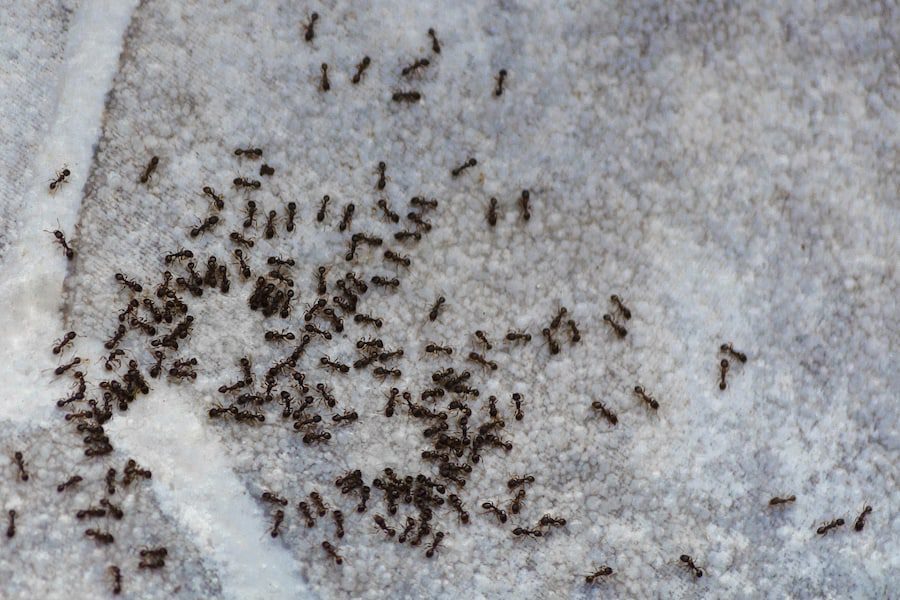
Credit: www.reddit.com
Introduction To Small Black Termites
Small black termites may look harmless, but they can cause big problems. These tiny pests are often hard to spot until damage is done. Understanding them is the first step to protect your home.
What They Are
Small black termites are tiny insects that feed on wood. They live in colonies and work together to find food. They have soft bodies and are usually black or dark brown. Their size makes them hard to see with the naked eye.
Why They Are A Problem
Termites can cause serious damage to homes and buildings. They eat wood from the inside out, making structures weak. This can lead to costly repairs. Small black termites can also damage furniture, books, and other wooden items. Early detection is key to preventing major damage.
Credit: www.gotbugs.com
Physical Characteristics
Termites are fascinating insects, especially the small black variety. Understanding their physical characteristics helps in identifying and controlling them. This section provides details on their size, color, behavior, and habits.
Size And Color
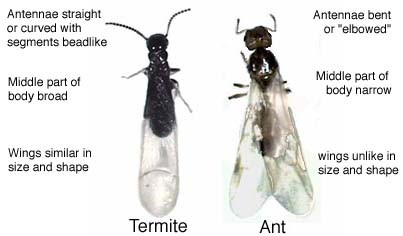
Small black termites are tiny. Typically, they measure around 1/8 inch in length. Their bodies are dark, often black or very dark brown. This color makes them easy to spot on light surfaces. Their heads are larger compared to their bodies, giving them a distinct look. Their antennae are straight, unlike ants which have bent antennae.
Behavior And Habits
Small black termites are social insects. They live in colonies that can be underground or within wooden structures. These termites are constantly searching for food. They feed on wood, paper, and other cellulose materials. Their feeding can cause significant damage to buildings and furniture. They prefer dark, moist environments and often stay hidden from sight. This secretive nature makes them difficult to detect until damage is severe.
Common Habitats
Termites are small black insects often found in various environments. They can cause significant damage if left unchecked. Understanding their common habitats can help in preventing infestations and protecting your property.
Indoor Environments
Termites thrive in moist and dark places. Basements and attics are common spots. They also like areas near plumbing and bathrooms. These spaces provide the moisture they need. Wooden structures are at high risk. Termites eat wood and can weaken the foundation.
Outdoor Environments
Termites are also found outside. They build nests in soil and decaying wood. Gardens and yards with mulch are ideal. Wood piles and tree stumps attract them. Fences and sheds made of wood are at risk too. Keeping your garden clean can help prevent termites.

Credit: www.reddit.com
Signs Of Infestation
Termites are small black insects that can wreak havoc on your home. Identifying the signs of an infestation early can save you from extensive damage. This section will help you recognize these signs.
Visible Damage
Termites often cause visible damage to wood. Look for small holes in wooden structures. Wood that sounds hollow when tapped is another sign. You might also notice buckling paint or wallpaper. This can indicate termites eating the materials beneath.
Presence Of Swarms
Swarms are a clear sign of termite infestation. Swarming termites are usually seen in spring. They are searching for new places to colonize. You may see discarded wings near windows or doors. These wings are left behind by termites after they find a new home. Seeing swarms indoors is a serious warning sign.
Preventive Measures
Hey friends, today we’re diving into a topic that might give you the shivers – termites. Specifically, those small black termites that can wreak havoc on your home. But don’t worry, we’ve got you covered with some easy-to-follow preventive measures. By keeping these little pests in check, you can ensure your home stays safe and sound. Let’s get started!
Home Maintenance Tips
First things first, let’s talk about home maintenance. It’s your first line of defense against termites.
- Regular Inspections: Check your home for signs of termites at least once a year. Look for mud tubes, hollow wood, or discarded wings.
- Fix Leaks: Termites love moisture. Fix any leaks in your roof, pipes, or walls to keep them away.
- Ventilation: Ensure your home is well-ventilated to reduce humidity. Use exhaust fans in bathrooms and kitchens.
- Sealing Cracks: Seal any cracks or holes in your foundation and walls. This prevents termites from finding their way inside.
Yard And Garden Care
Now, let’s step outside. Your yard and garden can be a breeding ground for termites if not properly cared for.
- Wood Piles: Keep wood piles away from your home. If you store firewood, keep it elevated and covered.
- Mulch: Use mulch sparingly and keep it at least 15 inches away from your foundation. Termites love to hide in mulch.
- Tree Maintenance: Trim trees and bushes regularly. Avoid having branches touch your home as they can act as a bridge for termites.
- Remove Debris: Clear any fallen leaves, branches, or decaying wood from your yard. These can attract termites.
Following these simple tips can make a big difference. Think of it like brushing your teeth to avoid cavities. Regular care and attention can help prevent a termite invasion. And the good news? It’s easier than you might think.
Just the other day, I asked my neighbor if he had ever dealt with termites. He said he hadn’t, and you know why? He follows these preventive measures religiously. If he can do it, so can you!
So, let’s keep those small black termites at bay and protect our homes. Stay vigilant and proactive, and you’ll have peace of mind knowing your home is safe from these pesky invaders.
Natural Remedies
Hey friends, today we’re diving into the world of termites, specifically those small black ones. They can be pesky little creatures, but don’t worry. I’m here to share some natural remedies that can help you keep them at bay. No need for harsh chemicals. Just simple, effective solutions you can try at home.
Essential Oils
Did you know that certain essential oils can help repel termites? It’s true! These oils have strong scents that termites can’t stand. Here are a few that work wonders:
- Clove Oil: This oil has a strong scent that can drive termites away. Simply mix a few drops with water and spray it around the affected areas.
- Tea Tree Oil: Another great option. Mix it with water and spray it where you see termite activity. It’s that simple.
- Orange Oil: This oil contains a compound called d-limonene, which is toxic to termites. Apply it directly on the termites or on the wood surfaces they are infesting.
I tried using clove oil in my home, and the results were fantastic. Not only did it repel the termites, but it also left my house smelling great!
Beneficial Nematodes
Now, let’s talk about beneficial nematodes. These are tiny worms that are natural predators of termites. Sounds interesting, right? Here’s how you can use them:
- Purchase: You can buy beneficial nematodes from gardening stores or online.
- Mix: Follow the instructions on the package to mix them with water.
- Apply: Spray the mixture onto the soil around your home or directly where you see termites.
These little guys are a natural and effective way to keep termites in check. I used them in my garden, and they worked wonders. Plus, they are safe for plants and pets!
So there you have it, folks. Two simple and natural remedies to help you deal with those small black termites. Give them a try and let me know how they work for you. Until next time, happy termite hunting!
Chemical Treatments
Termites can cause serious damage to homes and structures. Chemical treatments are effective in controlling these pests. They help eliminate termites and prevent future infestations.
Professional Pest Control
Professional pest control services use strong chemicals. These chemicals are very effective. Experts know how to apply them safely. They target termite colonies directly. This ensures all termites are killed. Professionals also use advanced equipment. This makes the treatment thorough. It reaches deep into the wood and soil. This provides long-lasting protection.
DIY Solutions
DIY solutions are available for chemical treatments. These can be found in stores. They are often less powerful than professional treatments. They come in sprays and liquids. These products are easy to use. Follow the instructions on the label. Apply them to areas with termite activity. DIY solutions can be effective for small infestations. They are less effective for larger problems. Always wear protective gear. This keeps you safe from harmful chemicals.
Post-elimination Strategies
Hey friends, today we’re going to talk about what to do after you’ve eliminated those pesky termites. The good news? You’ve won the battle. But the war isn’t over yet. Post-elimination strategies are key to ensuring your home stays safe and termite-free. Let’s dive into some simple steps you can take.
Repairing Damage
First things first, you need to fix any damage caused by the termites. Think of it like patching up after a storm. The quicker you do it, the better. Here’s how:
- Inspect your home: Check all wooden structures. This includes floors, beams, and walls. Look for any signs of weakness or damage.
- Hire a professional: If the damage is severe, call in a contractor. They can assess the damage and fix it properly.
- DIY Repairs: For minor damage, you can handle it yourself. Use wood fillers for small holes. Replace any wood that is beyond repair.
Remember, repairing the damage not only makes your home look better, it also makes it stronger. It’s like giving your house a fresh start.
Monitoring For Recurrence
Now that the damage is fixed, you need to keep an eye out for termites making a comeback. Think of it like keeping watch after a battle. Here’s what you can do:
- Regular Inspections: Check your home regularly. Look for mud tubes, discarded wings, or wood damage.
- Bait Stations: Install termite bait stations around your home. They attract termites and help you monitor their activity.
- Moisture Control: Termites love moisture. Fix any leaks and keep your home dry.
- Professional Help: Consider a yearly inspection by a pest control professional. They can spot signs you might miss.
Staying vigilant is key. It’s like setting up a security system for your home. The more you monitor, the safer you’ll be.
So, there you have it. Fix the damage and keep an eye out. It’s that simple. With these strategies, you can ensure your home stays termite-free. And remember, taking action now means fewer headaches later. Happy home protecting!
Frequently Asked Questions
Can Termites Be Small And Black?
Yes, some termites can be small and black. These are usually drywood or dampwood termites. Check for other signs of infestation.
Do Termites Leave Little Black Dots?
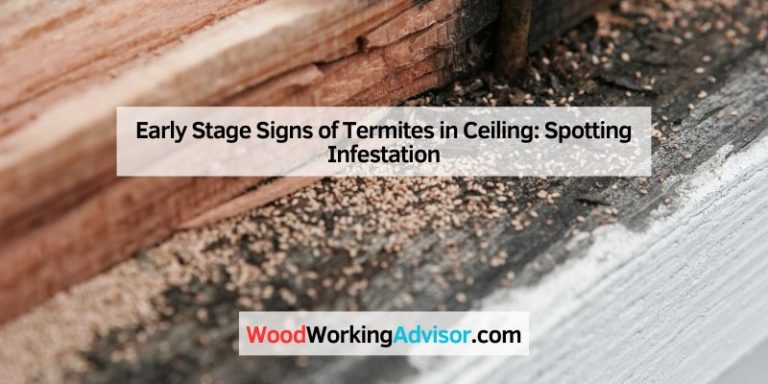
Yes, termites can leave little black dots. These are their droppings, also known as frass. Frass resembles small grains of sand or pepper.
What Are The Very Tiny Termites?
Tiny termites are often referred to as drywood termites or subterranean termites. These species are small but destructive.
How Do You Get Rid Of Black Termites?
Eliminate black termites by using professional pest control services, applying termiticide, or setting up termite bait stations. Regular inspections help.
Conclusion
To sum up, dealing with termites requires vigilance and quick action. These small black pests can cause significant damage. Regular inspections help prevent infestations. Use professional pest control services if needed. Maintain a clean and dry environment. This discourages termites from settling in.
Protect your home and keep it termite-free. Stay informed and proactive. Your home will thank you for the effort.