Discovering Tongue and Groove Composite Decking: Your Guide to a Seamless Outdoor Oasis
Hey there! If you’re thinking about upgrading your porch or deck, you’ve probably come across tongue and groove composite decking. I’ve spent a lot of time diving into this topic, exploring its ins and outs for my own home projects, and I’m excited to share what I’ve learned with you. Tongue and groove composite decking is a fantastic option for creating a smooth, polished outdoor space that’s both beautiful and durable.
In this article, I’ll walk you through everything you need to know about this decking style, from its benefits to its challenges, with a special focus on TimberTech’s offerings since you mentioned their composite decking colors earlier. Whether you’re a DIY enthusiast or a homeowner in the USA planning a porch makeover, I’m here to help you make the right choice. Let’s dive in!
What Is Tongue and Groove Composite Decking?
Picture this: a porch with a sleek, seamless surface that looks like a polished floor but can withstand rain, sun, and muddy paws. That’s what tongue and groove composite decking delivers. Each board has a “tongue” (a protruding edge) on one side and a “groove” (a slot) on the other. These interlock like puzzle pieces, creating a tight, smooth surface without visible gaps or fasteners.
Composite decking, unlike traditional wood, is made from a blend of recycled plastics and wood fibers, often capped with a protective layer. I first saw this style on a friend’s covered porch, and I was amazed at how elegant it looked compared to standard decking with gaps. It’s especially popular for porches, verandas, or any space where you want a refined, floor-like appearance. But it’s not just about looks—there’s a lot more to this decking that makes it special.
Why Choose Tongue and Groove Composite Decking?
When I started researching decking options, I was drawn to tongue and groove for a few reasons. Let me share why it might be a great fit for your project too.
Seamless, Polished Look
The biggest draw for me was the clean, uniform surface. Unlike standard decking with 1/8-inch gaps between boards, tongue and groove creates a smooth, almost indoor-like floor. It’s perfect for covered porches or patios where you want a sophisticated vibe. I’ve seen these decks paired with outdoor rugs and furniture, and they feel like an extension of the home’s living space.
Easy Installation
If you’re a DIYer like me, you’ll love how straightforward the installation can be. The interlocking design means boards snap together snugly, reducing the need for precise spacing. Most tongue and groove composite decking, like TimberTech’s Advanced PVC Porch boards, uses hidden fasteners or clips, so you get a clean look without visible screws. I helped a neighbor install a porch deck, and we were amazed at how quickly it came together.
Low Maintenance
One of the reasons I switched from wood to composite was maintenance. Wood decks need sanding, staining, and sealing every few years, but composite? Just a quick scrub with soap and water. TimberTech’s capped composite boards, for example, resist stains, scratches, and fading thanks to their protective polymer layer. I’ve spilled barbecue sauce on a composite deck and wiped it off like it was nothing.
Durability
Composite decking is built to last. It resists splintering, warping, and insects—issues I’ve dealt with on older wood decks. TimberTech’s porch boards, made with no wood fibers in their Advanced PVC line, are especially tough against moisture, making them ideal for humid areas or homes near water. I’ve seen these decks hold up beautifully after years of heavy use.
Eco-Friendly
I’m all about sustainable choices, and composite decking often fits the bill. Many brands, including TimberTech, use recycled materials—like post-construction vinyl or plastic—in their boards. TimberTech’s Advanced PVC porch boards, for instance, are made with about 60% recycled material. It feels good knowing my deck isn’t contributing to landfill waste.
TimberTech’s Tongue and Groove Composite Decking
Since you’re interested in TimberTech, let’s zoom in on their tongue and groove offerings. I’ve explored their products extensively, and their Advanced PVC Porch boards are a standout for this style. Here’s why they’re worth considering.
Premium Materials
TimberTech’s Advanced PVC Porch boards are made entirely of high-performance polymers, with no wood fibers. This makes them incredibly resistant to moisture, mold, and mildew—perfect for porches exposed to rain or humidity. I’ve walked on these boards barefoot, and they feel smooth and splinter-free, which is great for families with kids or pets.
Stunning Color Options
TimberTech’s porch boards come in a range of gorgeous colors that mimic real wood. I mentioned their composite decking colors in my previous guide, but their porch line includes shades like:
- Coastline: A silvery gray that feels coastal and modern.
- Weathered Teak: A warm, golden tan for a beachy vibe.
- Mahogany: A rich, reddish-brown that screams luxury.
- Dark Hickory: A deep gray-brown with rustic charm.
- Cypress: A medium brown with natural wood tones.
- Slate Gray: A cool, contemporary gray for sleek designs.
I ordered samples of Coastline and Weathered Teak, and seeing them in my backyard’s lighting helped me picture the final look. TimberTech’s multi-tonal color blending gives each board a natural, varied grain, so your porch looks like premium hardwood.
Tongue and Groove Design
TimberTech’s porch boards are engineered with a tight tongue and groove system for minimal gapping. This creates a smooth, walkable surface that’s ideal for bare feet or outdoor furniture. The boards come in 10-foot (Slate Gray only), 12-foot, and 16-foot lengths, with standard or wide profiles for design flexibility. I love that they’re designed for covered porches, ensuring the tight fit lasts without buckling.
Top-Notch Performance
These boards are built to take a beating. They’re WUI (Wildland Urban Interface) compliant, meaning they slow flame spread—a big deal in fire-prone areas. They also stay up to 30 degrees cooler than competitive products, which I noticed when comparing them to a friend’s older composite deck. Plus, they offer 40% better traction, wet or dry, so no slipping during summer storms. TimberTech backs these boards with a 50-year fade and stain warranty and a lifetime product warranty, which gives me confidence in their longevity.
Benefits of Tongue and Groove Composite Decking
To give you a clearer picture, here’s a table summarizing the key advantages of tongue and groove composite decking, with a nod to TimberTech’s offerings:
| Benefit | Description | TimberTech Advantage |
|---|---|---|
| Seamless Look | Creates a smooth, gap-free surface for a polished appearance. | Tight tongue and groove system for a floor-like finish. |
| Easy Installation | Interlocking design simplifies setup with hidden fasteners. | Uses clips for a clean, fastener-free surface. |
| Low Maintenance | Resists stains, scratches, and fading; needs only soap and water. | Capped polymer boards require minimal upkeep. |
| Durability | Withstands moisture, insects, and wear without splintering. | Advanced PVC is mold- and rot-proof, ideal near water. |
| Eco-Friendly | Made with recycled materials for sustainability. | Uses 60% recycled content, like vinyl siding. |
| Color Variety | Mimics natural wood with vibrant, long-lasting hues. | Offers six realistic shades with multi-tonal grain. |

Challenges of Tongue and Groove Composite Decking
I’ll be real with you: tongue and groove composite decking isn’t perfect for every project. After researching and talking to contractors, here are some challenges I’ve found, along with tips to address them.
Moisture Concerns
The tight fit that makes these decks look so good can trap water if not installed correctly. I read on a decking blog that even composite boards, which resist moisture better than wood, can develop mold or mildew if water seeps into the joints and can’t dry out. This is why tongue and groove decking is best for covered porches, where a roof protects it from constant rain.
TimberTech’s Advanced PVC boards sidestep this issue since they have no wood fibers, making them impervious to rot. I also learned to ensure proper joist spacing (12-16 inches) and a sloped pitch (1/4 inch per foot away from the house) to help water drain.
Limited Availability
Tongue and groove composite decking isn’t as common as standard decking, so it can be harder to find. I called a local Home Depot, and they couldn’t stock it, which tracks with online forums I’ve read. Specialty suppliers or brands like TimberTech are your best bet. Ordering online is easy, but plan ahead for shipping times.
Cleaning Difficulty
The seamless surface looks great, but it can trap dirt and debris since there are no gaps for it to fall through. I noticed this on a friend’s porch—sweeping took a bit more effort than a gapped deck. TimberTech’s smooth, capped surface helps, but I recommend a leaf blower or hose for quick cleanups.
Not Ideal for Open Decks
I learned the hard way that tongue and groove isn’t great for fully exposed decks. A contractor friend warned me that boards need gaps to expand and contract in weather changes, or they can buckle. For open decks, I’d stick with TimberTech’s standard grooved or square-shoulder boards, which allow for water drainage and movement.
Comparing Composite to PVC Tongue and Groove Decking
While researching, I came across another option: PVC tongue and groove decking, like TimberTech’s Advanced PVC line. Here’s how they stack up:
- Composite Decking: Made from wood fibers and plastic, capped with a protective layer. It’s durable but can still absorb some moisture in the wood core, which could lead to mold if water is trapped. It’s more affordable and has a wood-like feel. TimberTech’s composite porch boards are a solid choice for covered areas.
- PVC Decking: Made entirely of plastic (no wood fibers), so it’s 100% waterproof and rot-proof. It’s pricier but ideal for wet climates or near water. TimberTech’s Advanced PVC porch boards are my top pick for maximum durability.
I chose PVC for my own porch because I live in a humid area, but composite is great if you’re on a budget and have a covered space.
Installation Tips for Tongue and Groove Composite Decking
Installing tongue and groove decking is pretty straightforward, but I’ve picked up a few tips from my own projects and online resources.
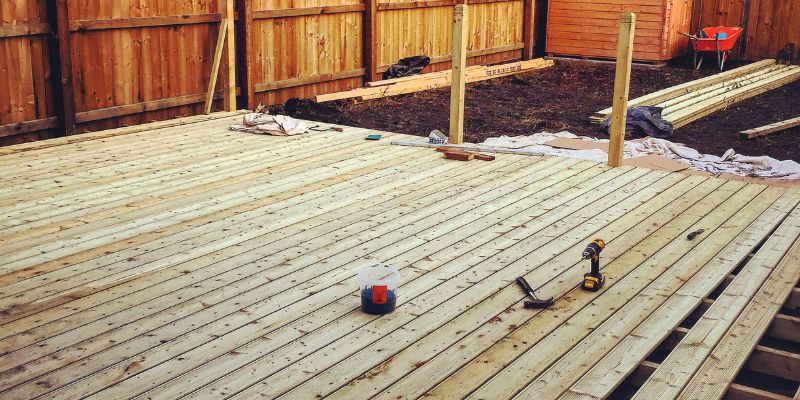
- Prep the Substructure: Ensure joists are level and spaced 12-16 inches apart. TimberTech recommends a pitch of 1/4 inch per foot for drainage. I used a level and shims to get this right.
- Use Hidden Fasteners: TimberTech’s porch boards work with clips or screws for a clean look. I found that pneumatic installation with collated clips saved tons of time.
- Start Square: Begin with a straight first board, as any misalignment will amplify down the line. I used a chalk line to keep things perfect.
- Allow for Expansion: Even composites expand slightly. Leave a small gap (1/16 inch) at the ends of boards against walls or railings to prevent buckling.
- Protect the Surface: Lay down cardboard during installation to avoid scratches. I learned this after scuffing a board with my toolbox!
TimberTech’s website has great installation videos and guides, and I watched a YouTube tutorial to get a feel for it.
Maintaining Your Tongue and Groove Deck
Keeping your deck looking fresh is a breeze. Here’s what I do:
- Sweep Regularly: A leaf blower or broom keeps dirt from building up. I do this weekly to avoid scrubbing later.
- Wash Occasionally: Use mild soap and water with a soft brush for stains. TimberTech’s capped boards resist most spills, so a quick rinse often does the trick.
- Avoid Pressure Washers: High pressure can damage the surface. I stick to a garden hose.
- Check for Debris: In tight corners, use a putty knife to clear leaves or dirt to prevent mold.
With TimberTech’s 30-year warranty on their 50-year warranty, I’m confident my deck will stay vibrant with minimal effort.
Why I Recommend TimberTech’s Tongue and Groove Decking?
After all my research and hands-on experience, TimberTech’s Advanced PVC Porch boards are my top choice for tongue and groove decking. The colors are gorgeous, the performance is unmatched, and the eco-friendly materials align with my values. I’ve seen these porches transform homes, creating inviting spaces for morning coffee or evening chats. They’re perfect for covered porches, verandas, or even poolside patios in humid climates.
Final Thoughts: Build Your Dream Porch
I hope this guide has given you a clear picture of what tongue and groove composite decking can do for your outdoor space. It’s a stylish, durable option that’s perfect for creating a seamless, polished look—especially with TimberTech’s high-performance boards. From the elegant colors to the easy maintenance, I’m sold on this decking style, and I bet you’re starting to see the possibilities too. Grab some samples, plan your project, and get ready to turn your porch into a place you’ll make memories for years to come. Your outdoor oasis is waiting!
FAQs
What’s the difference between TimberTech’s composite and PVC tongue and groove decking?
TimberTech’s composite decking has wood fibers and plastic, capped with a cap for protection, while their Advanced PVC decking is 100% plastic, with no wood. PVC is more waterproof and ideal for wet areas, while composite is more affordable and feels more wood-like. Both are great colors and low maintenance.
Is tongue and groove decking good for open decks?
Not really. The tight fit can trap water, which can cause issues like mold or buckling in exposed areas. It’s best for covered porches. For open decks, use standard decking with gaps for drainage.
How do I clean TimberTech tongue and groove decking?
Just sweep regularly and wash with soap and water when needed. A soft brush handles tough stains. Avoid pressure washers to protect the surface. It’s super low-maintenance
Can I install tongue and groove decking myself?
Yes, it’s DIY-friendly! The interlocking design is easy to work with, and TimberTech’s hidden fasteners make it look clean. Just ensure proper joist spacing and pitch for drainage. Check their installation guides for tips.
How long does TimberTech tongue and groove decking last?
TimberTech’s Advanced PVC Porch boards are backed by a 50-year fade and stain warranty and a lifetime product warranty. With proper care, they’ll look great for decades, resisting moisture and wear.