What Kind of Wood for a Patio Cover? Best Choices for Beams & Posts (2026)
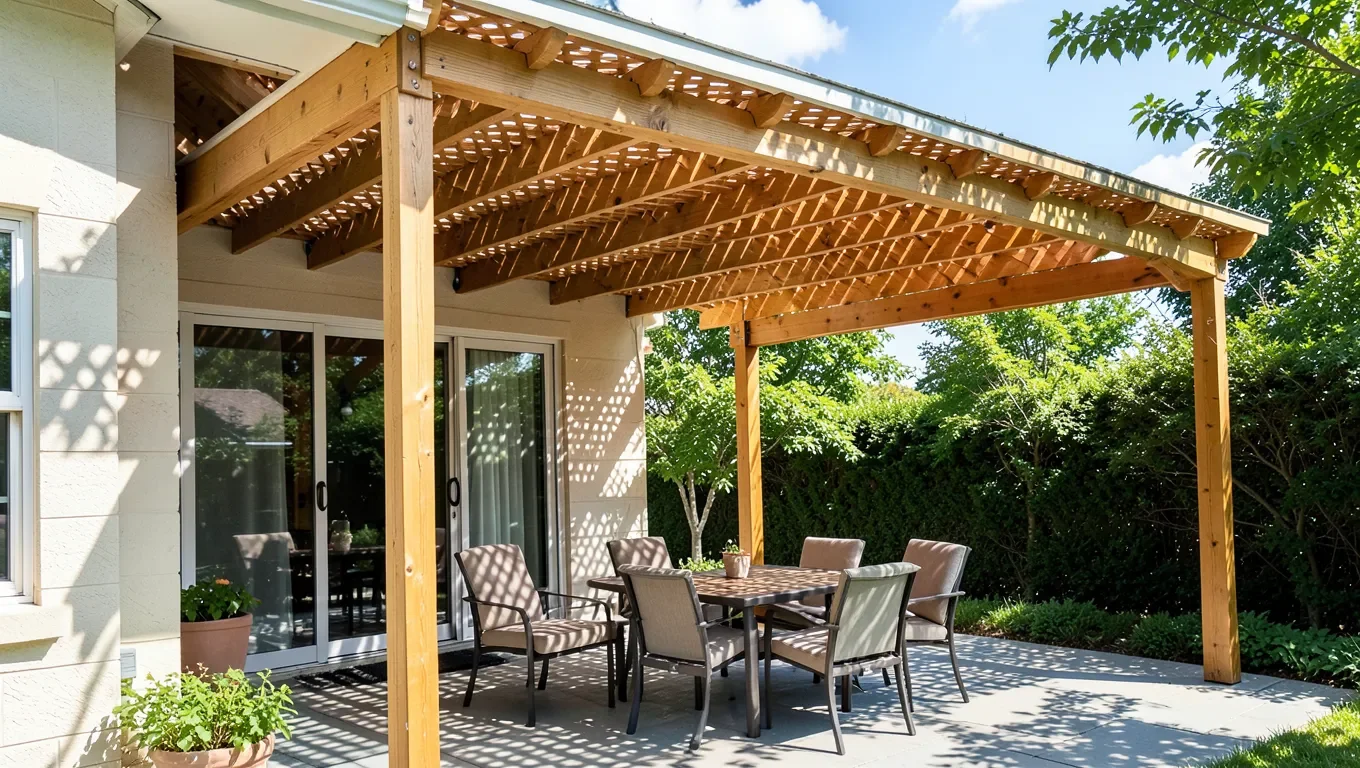
Cedar, redwood, Douglas fir, and pressure-treated pine are the four woods worth considering for a patio cover, and the right pick depends on more than looks. A patio cover isn’t just a bigger version of a deck – it’s an overhead structure carrying its own roof or shade-panel weight across open spans, which makes beam strength and post spacing real engineering questions, not just a matter of grain and color. Below is what each wood actually offers, plus the structural distinction most “best wood for a patio cover” articles skip entirely.
What Kind of Wood for a Patio Cover? Quick Answer
Best Sealer For Cedar & Pressure-Treated Patio Cover Lumber
 |
Ready Seal 112 Natural Cedar Stain & Sealer, 1 Gallon – $39.99 Whichever wood you frame your patio cover with, an exposed overhead structure takes more direct sun and rain than a fence or vertical siding, so it needs a real exterior-grade sealer, not just a light touch-up coat.
|
For most homeowners, cedar or redwood are the best all-around choice – naturally rot- and insect-resistant, and attractive enough to leave unsealed if you don’t mind them weathering to silvery gray. Pressure-treated pine costs less and is available at any home center, but it needs a dry-out period before you stain it. Douglas fir is the option worth knowing about if the cover has to span a long distance between posts, since it’s the denser, stronger structural wood carpenters actually spec for load-bearing beams.
Why a Patio Cover Is a Structural Job, Not Just a Decking Choice
Most wood-selection guides treat a patio cover like a horizontal version of a deck, comparing cedar and pressure-treated pine purely on cost, color, and rot resistance. That misses the part that actually determines whether the structure holds up: a patio cover’s beams and rafters carry a roof or shade-panel load across an open span, the same basic engineering problem as a small roof, while a deck’s boards mainly carry foot traffic spread across joists set close together underneath. Longer spans between support posts mean more bending stress on the beam, which is why beam size and species matter more here than they do for a walking surface.
This doesn’t mean you need an engineering degree to build one, but it does mean the beam spans and post spacing for your specific design should come from your local building code’s span tables or a structural reference – not a rule of thumb from a decking article. Most residential patio cover permits require exactly this kind of span check, and a lumberyard or contractor can usually size the beams correctly if you give them the span and expected roof load.
Cedar for Patio Covers
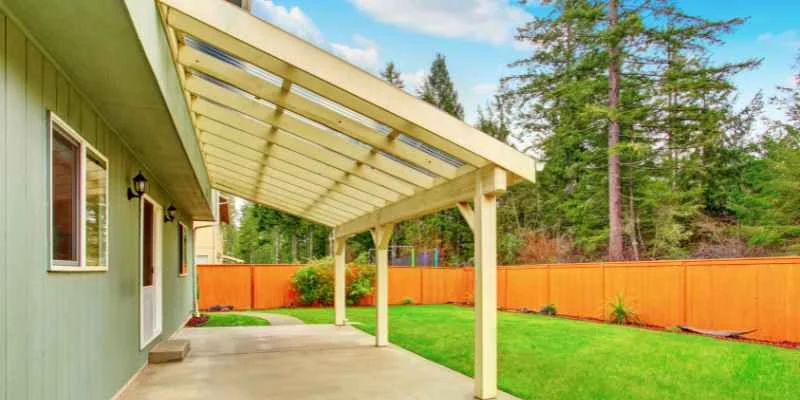
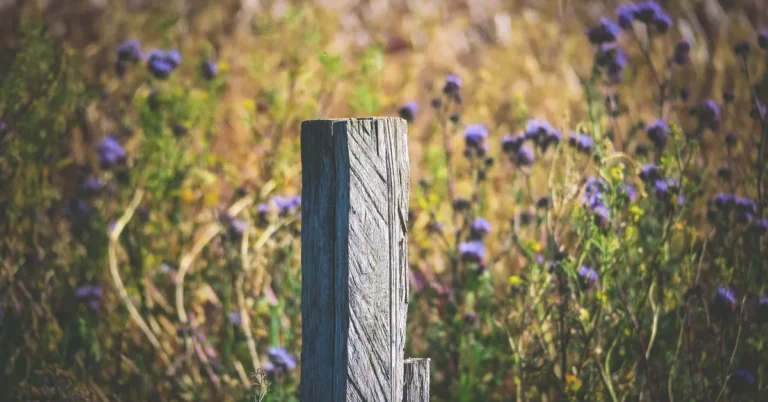
Cedar is the most popular choice for patio covers for good reason. Its natural oils make it resistant to rot and insects without any chemical treatment, and it’s light enough to be manageable for a DIY build. Left unfinished, cedar weathers to an attractive silvery-gray patina over a year or two outdoors – the same natural no-stain option that makes it popular for decking. The tradeoff is cost: cedar typically runs well above pressure-treated lumber for the same board footage, and as a softer wood it dents more easily at fastener points and beam connections than a denser species would.
Redwood for Patio Covers
Redwood shares cedar’s natural rot and insect resistance, with a richer reddish-brown color and very low shrinkage as it dries, which helps it resist the checking and cracking that shows up in beams exposed to full sun. It’s a good fit for coastal or high-moisture climates where its natural durability really gets tested. Redwood tends to run at a similar or higher price point than cedar and can be less widely available outside the West Coast, so check local lumberyard pricing before assuming it’s the better deal.
Douglas Fir: The Structural Option Most Patio-Cover Guides Skip
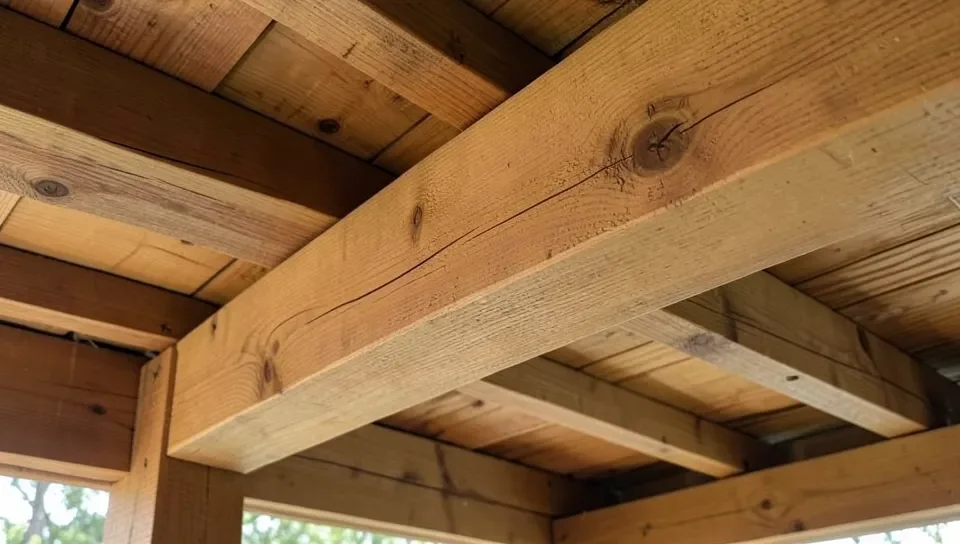
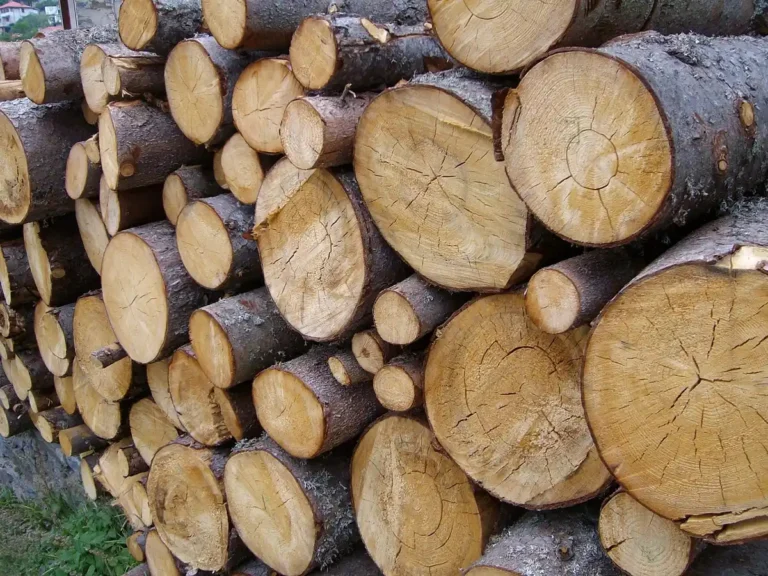
Douglas fir doesn’t get mentioned in most “best wood for a patio cover” listicles, which is an odd omission since it’s a common choice among builders specifically for load-bearing beams and posts on outdoor structures like pergolas and patio covers. It’s noticeably denser than western red cedar, which translates into higher load capacity and better resistance to warping under a beam’s own weight over a long span. Douglas fir isn’t naturally rot-resistant the way cedar and redwood are, so it needs a protective sealer or stain to hold up outdoors, but where the structure needs real strength – a long unsupported beam span, or a heavier roof or shade-panel load – it’s worth asking your lumberyard about it alongside cedar and redwood rather than choosing on looks alone.
Pressure-Treated Pine: The Budget Option
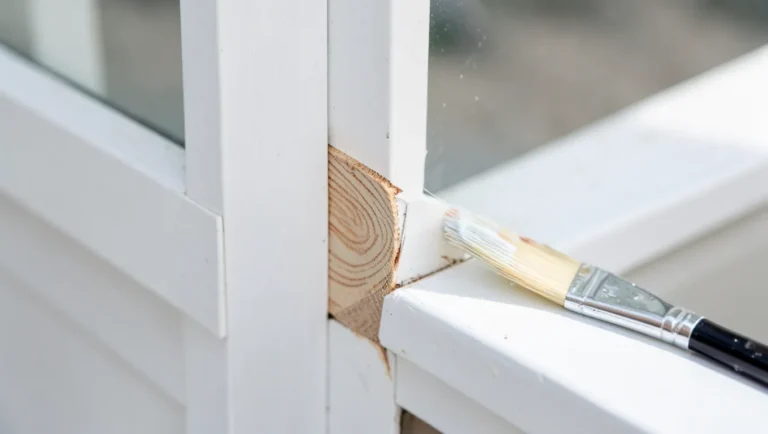
Pressure-treated pine is the least expensive option and the easiest to find at any home center, which makes it a common choice for the hidden structural framing on a patio cover even when cedar or redwood is used for the visible posts and rafters. Its rot and insect resistance comes from a chemical preservative forced into the wood fibers rather than the wood’s own natural oils, so unlike cedar, it isn’t meant to be left unfinished – skipping a sealer means losing the surface protection against splitting that comes with a finish. Freshly treated lumber is also often still damp from the treatment process itself, and staining it before it dries traps that moisture under the finish, causing peeling or blistering. Give it several weeks to a couple of months to dry out (check with a moisture meter rather than guessing by the calendar) before you stain or seal it.
If you’re weighing cedar against pressure-treated lumber for a walking surface rather than an overhead structure, the tradeoffs are similar but the ground-contact and foot-traffic considerations are different – see our full cedar vs pressure-treated deck comparison for that specific breakdown.
Sealing and Maintenance
Whichever wood you choose, a patio cover takes more direct sun and rain exposure than vertical siding or a fence, since the top and underside of the beams and rafters are both exposed to the weather. Cedar and redwood need a UV-protective sealer every one to three years to keep their color from fading if you don’t want them to weather to gray on purpose. Pressure-treated pine and Douglas fir need sealing on a similar schedule, but only after pressure-treated lumber’s initial dry-out period has passed. A yearly rinse with a soft broom or mild soap solution, along with a check for loose fasteners or soft spots at the post bases, catches most problems before they become expensive ones.
Frequently Asked Questions
What is the best wood for a patio cover?
Cedar and redwood are the best all-around choices for most patio covers because they resist rot and insects naturally and can be left unsealed to weather to gray. Pressure-treated pine is the budget option, and Douglas fir is worth considering specifically for long structural beam spans due to its greater density and strength.
How long does a wood patio cover last?
A well-built and maintained wood patio cover typically lasts 15 to 30 years. Regular sealing, proper drainage away from the posts, and choosing a wood species suited to your climate all extend that lifespan; skipping maintenance on any species shortens it.
Do patio cover beams need to be a specific size?
Yes. Beam size depends on the span between support posts and the expected roof or shade-panel load, which is a structural calculation, not a style choice. Check your local building code’s span tables or ask a contractor or lumberyard to size the beams for your specific design before building.
Is pressure-treated wood necessary for a patio cover?
Not necessarily for the visible structure – cedar and redwood are common and don’t require chemical treatment. Pressure-treated lumber is more often used for structural framing, ledger boards, or any post base that sits in or near the ground, where its chemical rot resistance matters more than it does for wood that’s fully above grade.
Summary
Choosing wood for a patio cover comes down to two separate decisions: which species fits your budget and maintenance preferences, and whether the beam spans in your design need a denser structural wood like Douglas fir rather than cedar or redwood. Cedar and redwood offer natural rot resistance and the option to skip finishing; pressure-treated pine is the affordable choice but needs to dry before staining; Douglas fir is the one to ask about when a beam has to span a long distance without sagging. Get the span sized correctly against your local code’s tables, seal whichever wood you pick on a regular schedule, and the structure should hold up for decades.
Sponsored / affiliate links. As an Amazon Associate I earn from qualifying purchases. I may earn additional commission from eligible campaigns.