Treated Wood for Ground Contact: Your Ultimate Guide
Hey there, friend! If you’re diving into a woodworking or outdoor project, you’ve probably come across the term “treated wood for ground contact.” It’s one of those phrases that sounds straightforward but can leave you scratching your head when you try to dig deeper. I’ve spent years working with wood, building decks, fences, and garden beds, and let me tell you, choosing the right treated wood for ground contact can make or break your project. So, grab a coffee, sit back, and let’s chat about everything you need to know about this essential material. I’ll break it down into simple, bite-sized pieces so you can feel confident tackling your next big build.
What Is Treated Wood for Ground Contact?
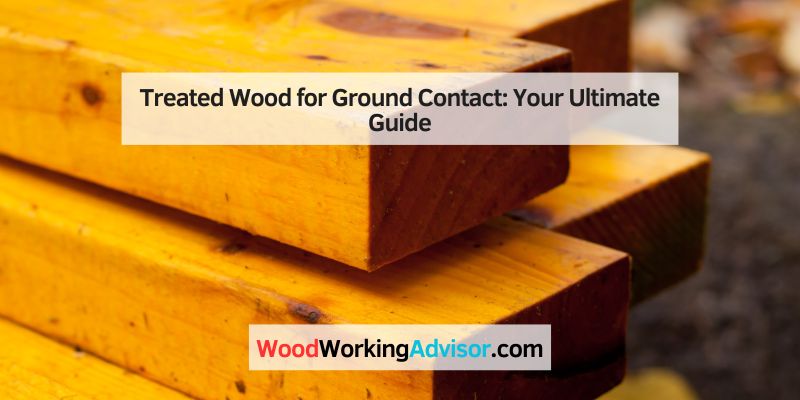
Let’s start with the basics. Treated wood for ground contact is lumber that’s been chemically treated to withstand harsh conditions, especially when it’s in direct contact with the ground. Think of it as wood with a superhero cape—it’s designed to resist rot, decay, and pesky insects like termites. The treatment process involves infusing the wood with preservatives, which act like a shield against moisture and critters.
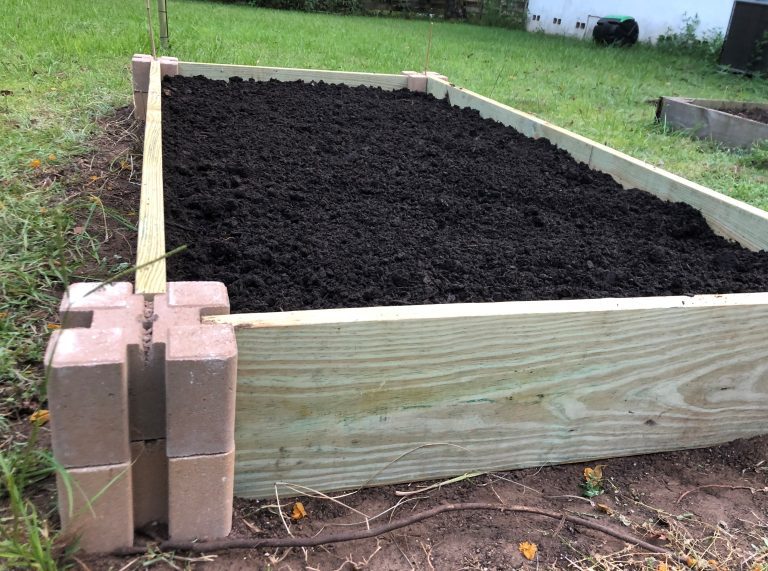
When I first started woodworking, I made the mistake of using untreated wood for a garden bed. Big mistake! Within a year, the wood was crumbling, and I had to redo the whole thing. That’s when I learned the value of ground-contact treated wood. It’s built for projects like fence posts, deck supports, or raised garden beds—anything that’s going to touch soil or be exposed to constant moisture.
The treatment process usually involves pressure-treating the wood, where chemicals are forced deep into the fibers. This makes the wood tougher than untreated lumber, ensuring it lasts for years, even in tough outdoor conditions. Most treated wood in the USA is pine or fir because these species absorb the preservatives well.
Why Choose Treated Wood for Ground Contact?
You might be wondering, “Why can’t I just use regular wood and call it a day?” Well, I’ve been there, and trust me, it’s not worth the hassle. Regular wood isn’t built to handle the constant moisture and soil exposure that ground-contact projects face. Without treatment, the wood will rot, warp, or become a buffet for termites.
Treated wood for ground contact is a game-changer because it’s specifically engineered for durability. The preservatives used in the treatment process protect the wood from fungi, which thrive in damp environments and cause decay. They also deter insects that love to chew through untreated wood. I’ve seen untreated fence posts turn to mush in just a couple of seasons, while treated posts stand strong for decades.
Another reason to choose treated wood is cost-effectiveness. Sure, it’s a bit pricier than untreated lumber, but it saves you money in the long run. You won’t have to replace your project every few years, and that’s a win in my book. Plus, it’s widely available at hardware stores across the USA, so you won’t have to hunt it down.
Types of Treated Wood for Ground Contact
Not all treated wood is created equal, and that’s something I learned the hard way. There are different types of treated wood, each designed for specific uses. Let’s break down the main types you’ll come across.
First, there’s pressure-treated wood, which is the most common for ground contact. This wood is infused with chemicals like alkaline copper quaternary (ACQ) or copper azole (CA). These are safer, modern alternatives to older treatments like chromated copper arsenate (CCA), which contained arsenic and raised health concerns. ACQ and CA are eco-friendlier and still do a fantastic job of protecting the wood.
Then, you’ve got creosote-treated wood, often used for heavy-duty projects like railroad ties or utility poles. I’ve worked with creosote-treated wood before, and while it’s incredibly durable, it’s messy and has a strong smell. It’s not my go-to for home projects, but it’s great for industrial applications.
There’s also heat-treated wood, which is less common for ground contact. This process uses high temperatures to enhance durability, but it’s not as effective for direct soil exposure as pressure-treated options. I’d stick with pressure-treated for most outdoor projects.
Here’s a quick table to help you compare:
| Type | Common Use | Pros | Cons |
|---|---|---|---|
| Pressure-Treated (ACQ/CA) | Decks, fences, garden beds | Long-lasting, widely available | Slightly more expensive |
| Creosote-Treated | Railroad ties, utility poles | Extremely durable | Messy, strong odor |
| Heat-Treated | Indoor or light outdoor use | Eco-friendly, no chemicals | Less effective for ground contact |
When I built my deck, I went with ACQ-treated pine. It’s been five years, and it’s still holding up like a champ, even with the posts buried in the ground.
How Is Treated Wood Rated for Ground Contact?
One thing that tripped me up early on was understanding the ratings for treated wood. Not all treated wood is labeled the same, and the rating tells you how tough it is for specific conditions. In the USA, treated wood is categorized by its “use category” (UC), which is set by the American Wood Protection Association (AWPA).
For ground contact, you’ll want wood rated UC4A or higher. UC4A is for general ground contact, like fence posts or deck supports. If your project involves heavy-duty exposure, like constant wet soil or saltwater, you might need UC4B or UC4C, which are built for extreme conditions. I once used UC4A lumber for a raised garden bed, and it’s been rock-solid for years, even with daily watering.
If you’re shopping at a place like Home Depot or Lowe’s, check the tag on the lumber. It’ll usually say “Ground Contact” or list the UC rating. If it’s not rated for ground contact, don’t use it for projects touching the soil—it’s not worth the risk.
Benefits of Using Treated Wood for Ground Contact
Let’s talk about why treated wood is such a superstar for outdoor projects. First off, it’s incredibly durable. I’ve seen treated wood last 20-30 years in harsh conditions, while untreated wood might only survive a couple of seasons. That durability means less maintenance and fewer headaches for you.
Another big benefit is its resistance to pests. Termites and carpenter ants can destroy a project faster than you can say “sawdust.” Treated wood keeps those critters at bay, so you can sleep easy knowing your fence or deck isn’t being munched on.
It’s also versatile. Whether you’re building a pergola, a retaining wall, or a playground, treated wood can handle it. I used it for a sandbox for my kids, and it’s held up through rain, snow, and endless playtime.
Finally, treated wood is budget-friendly in the long term. Yes, you’ll pay a bit more upfront, but you won’t be replacing rotted boards every few years. That’s money and time saved, which is always a plus in my book.
Safety Considerations When Using Treated Wood
Now, let’s get real for a second. Treated wood is awesome, but you need to handle it with care. The chemicals used in the treatment process are safe for outdoor use, but you don’t want to be breathing in sawdust or burning treated wood. I made the mistake of cutting treated wood without a mask once, and my throat was irritated for days. Lesson learned!
Always wear gloves and a dust mask when cutting or sanding treated wood. Work in a well-ventilated area, and clean up sawdust promptly. If you’re building something like a garden bed for veggies, consider lining the inside with plastic to keep the soil from direct contact with the wood. I did this for my tomato garden, and it gave me peace of mind.
Also, never burn treated wood. The chemicals release toxic fumes when burned, which is bad for you and the environment. Dispose of scraps properly at a recycling center or landfill that accepts treated wood.
How to Choose the Right Treated Wood for Your Project
Picking the right treated wood can feel overwhelming, but it’s easier than it seems. Start by asking yourself what your project involves. Is it a deck with posts in the ground? A fence in a rainy area? A raised garden bed? The answers will guide your choice.
For most home projects, pressure-treated pine with an ACQ or CA treatment is your best bet. It’s affordable, widely available, and rated for ground contact. Check the UC rating to make sure it’s at least UC4A. If you’re in a coastal area with saltwater exposure, you might need a higher rating like UC4B.
Consider the wood’s appearance, too. Some treated wood has a greenish tint from the copper in the preservatives, but you can stain or paint it to match your style. I stained my deck posts a rich brown, and they blend beautifully with my backyard.
Finally, buy from a reputable supplier. I’ve had great luck at local lumberyards, where the staff can answer questions and help you find the right wood. Big-box stores are convenient, but sometimes the quality varies, so inspect the boards for cracks or warping.
Maintaining Treated Wood for Longevity
Treated wood is tough, but a little TLC goes a long way. One of the first projects I built with treated wood was a fence, and I thought it was invincible. Turns out, even treated wood needs some care to stay in top shape.
Start by cleaning your project annually. A simple scrub with a mild detergent and a stiff brush removes dirt and mildew. I use a pressure washer on a low setting for my deck—it’s quick and effective.
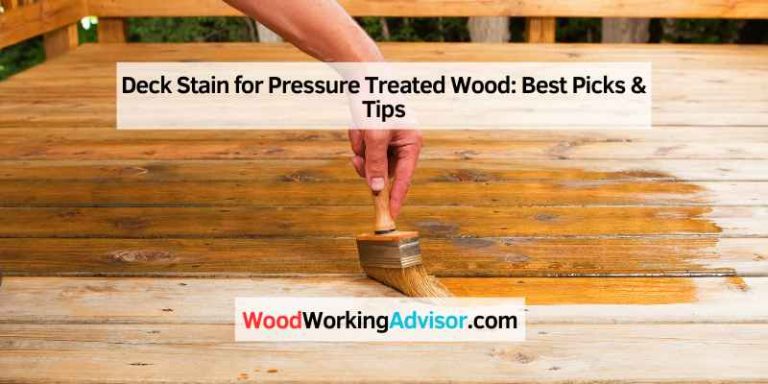
Applying a water-repellent sealant every couple of years is a smart move. It adds an extra layer of protection against moisture. I sealed my deck last summer, and it still beads water like a champ during rainstorms. If you want to change the color, a stain works wonders and adds UV protection.
Check for damage regularly. Look for cracks, splinters, or signs of wear, especially where the wood touches the ground. Catching issues early can prevent bigger problems down the road.
Environmental Impact of Treated Wood
Let’s talk about the environment for a moment. I know some folks worry about the chemicals in treated wood, and I get it. The good news is that modern treatments like ACQ and CA are much safer than older options like CCA. They’re designed to stay in the wood and not leach into the soil in harmful amounts.
Still, it’s wise to be cautious. If you’re using treated wood for a vegetable garden, line it with a barrier to keep the soil separate. I used heavy-duty plastic for my garden beds, and my veggies are thriving.
When it’s time to dispose of treated wood, don’t toss it in your regular trash. Check with your local waste facility for proper disposal options. Many places have recycling programs for treated lumber, which is better for the planet.
Common Projects Using Treated Wood for Ground Contact
Treated wood shines in all sorts of outdoor projects. Here are a few I’ve tackled over the years:
- Decks: The posts that support your deck need to be ground-contact rated to handle soil exposure. My deck has been standing strong for years thanks to UC4A-treated posts.
- Fences: Fence posts buried in the ground are prime candidates for treated wood. It keeps them sturdy through all kinds of weather.
- Raised Garden Beds: These are perfect for growing veggies or flowers. Just add a liner for extra safety.
- Retaining Walls: Treated wood is great for low retaining walls in your yard. It’s strong enough to hold back soil and looks great, too.
- Play Structures: If you’re building a swing set or sandbox, treated wood ensures it lasts through years of roughhousing.
Each of these projects benefits from the durability and versatility of treated wood. It’s like the Swiss Army knife of lumber!
Conclusion
Well, there you have it—everything I’ve learned about treated wood for ground contact from years of building, experimenting, and occasionally messing up. It’s an incredible material that can make your outdoor projects last for decades, saving you time, money, and frustration. Whether you’re constructing a deck, a fence, or a garden bed, choosing the right treated wood is the key to success. Just remember to pick the proper UC rating, handle it safely, and give it a little maintenance now and then. I hope this guide has given you the confidence to tackle your next project with ease. Now, go grab some lumber and start building something amazing!
Frequently Asked Questions
What does “ground contact” mean for treated wood?
Ground contact means the wood is treated to withstand direct contact with soil or constant moisture. It’s designed to resist rot and insects, making it ideal for projects like fence posts or deck supports.
Is treated wood safe for vegetable gardens?
Yes, modern treated wood with ACQ or CA is generally safe, but I recommend lining the wood with plastic to keep soil from direct contact. This adds an extra layer of safety for your veggies.
How long does treated wood last in the ground?
With proper treatment, like UC4A or higher, treated wood can last 20-30 years or more, depending on conditions. Regular maintenance, like sealing, can extend its life even further.
Can I paint or stain treated wood?
Absolutely! Just make sure the wood is dry before applying paint or stain. I’ve stained my treated deck posts, and they look fantastic while staying protected.
Is it safe to cut treated wood?
Yes, but always wear a dust mask and gloves to avoid inhaling sawdust or touching the chemicals. Work in a well-ventilated area, and clean up thoroughly afterward.
Can I burn treated wood scraps?
No, never burn treated wood. The chemicals release toxic fumes when burned. Take scraps to a recycling center or landfill that accepts treated lumber.