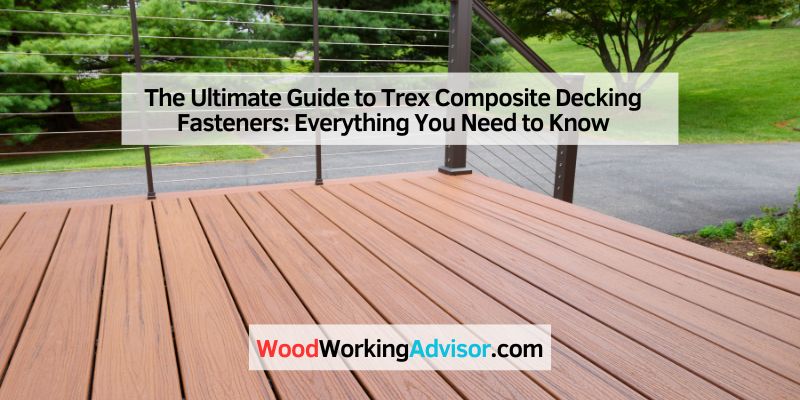
The Ultimate Guide to Trex Composite Decking Fasteners: Everything You Need to Know
Hey there! If you’re planning to build a stunning outdoor deck with Trex composite decking, you’re already on the right track to creating a low-maintenance, long-lasting masterpiece. But here’s the thing—choosing the right fasteners is just as important as picking the perfect deck boards. I’ve spent years diving into woodworking and deck-building projects, and I’ve learned that the tiny details, like fasteners, can make or break your deck’s beauty and durability. In this guide, I’m going to walk you through everything you need to know about Trex composite decking fasteners. Whether you’re a DIY newbie or a seasoned pro, I’ve got you covered with practical tips, insights, and a sprinkle of my own trial-and-error stories. So, grab a coffee, sit back, and let’s talk about how to make your Trex deck shine!
Why Trex Composite Decking Fasteners Matter
Let me start with a little story. A few years ago, I helped a friend build his first deck. He was so excited about his Trex boards—beautiful, eco-friendly, and practically maintenance-free. But when it came to fasteners, he thought, “Eh, any screw will do.” Big mistake! A year later, his deck had unsightly “mushrooming” around the screws, and some boards were even starting to warp. That’s when I realized how crucial it is to use the right fasteners for Trex composite decking.
Trex composite decking is different from traditional wood. It’s made from a blend of recycled wood fibers and plastic, which gives it incredible durability but also unique properties. Unlike wood, composite boards expand and contract with temperature changes, and they need fasteners that can handle that movement without damaging the material. Using the wrong fasteners can lead to issues like cracking, splitting, or a deck that just doesn’t look as polished as you’d hoped. Trex fasteners are designed specifically for their boards, ensuring a secure hold, proper spacing, and a flawless finish. Trust me, picking the right fastener isn’t just about function—it’s about making your deck look amazing for years to come.
Types of Trex Composite Decking Fasteners
When I first started researching Trex fasteners, I was surprised by how many options there were. It’s not just about grabbing a box of screws from the hardware store. Trex offers a range of fasteners, each with its own purpose and benefits. Let’s break them down so you can decide which one’s best for your project.
Hidden Fasteners: The Secret to a Sleek Look
If you want a deck that looks clean and modern, hidden fasteners are your best friend. These little guys tuck away out of sight, leaving your deck surface smooth and screw-free. Trex’s Hideaway Universal Hidden Fasteners are a popular choice. They’re made of glass-filled nylon with stainless steel screws, and they fit snugly into the grooves of Trex deck boards. I love how they automatically create consistent spacing between boards—about 3/16 of an inch—which helps with drainage and airflow.
Hidden fasteners come in two main types: clips and plug systems. Clips, like the Trex Hideaway Universal Fastener, slide into the grooves of the boards and secure them to the joists below. Plug systems, on the other hand, use screws that are covered with color-matched plugs made from the same material as your deck boards. I’ve used both, and while clips are faster to install, plugs give you a bit more flexibility for unique deck designs. The downside? Hidden fasteners can be pricier, and they’re only compatible with grooved-edge boards. If you’re using square-edge boards for picture framing or stairs, you’ll need another option.
Color-Matched Screws: A Traditional Yet Polished Choice
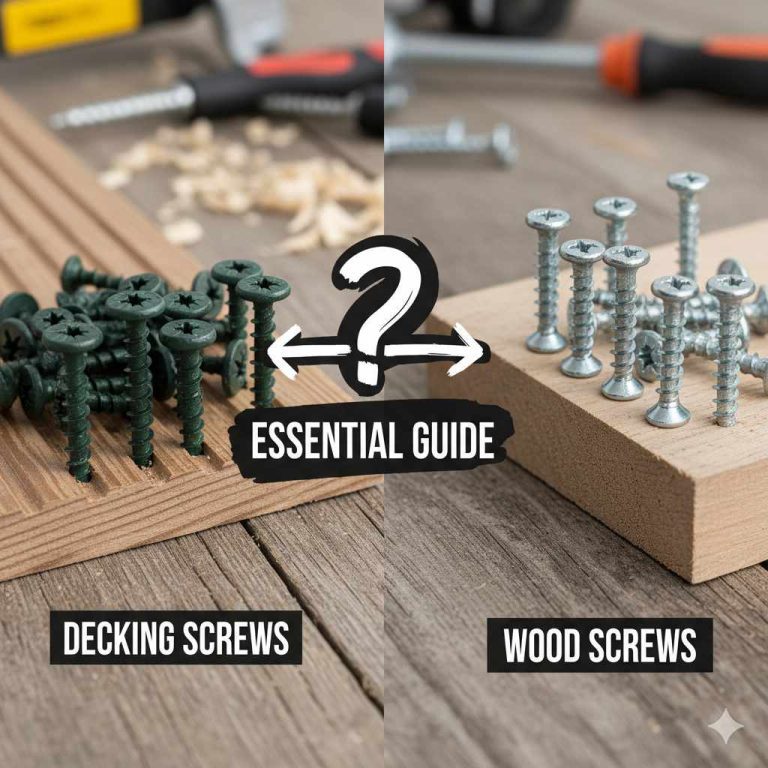
Sometimes, you just want a straightforward, reliable fastener. That’s where Trex’s Color-Match Composite Deck Screws come in. These screws are coated to match the color of your Trex decking, so they blend in beautifully. I’ve used them on projects where I needed to fasten square-edge boards or fascia, and they give a polished look without the hassle of plugs. The screws are designed to prevent “mushrooming”—that ugly raised material around the screw head that happens when you use regular wood screws on composite boards.
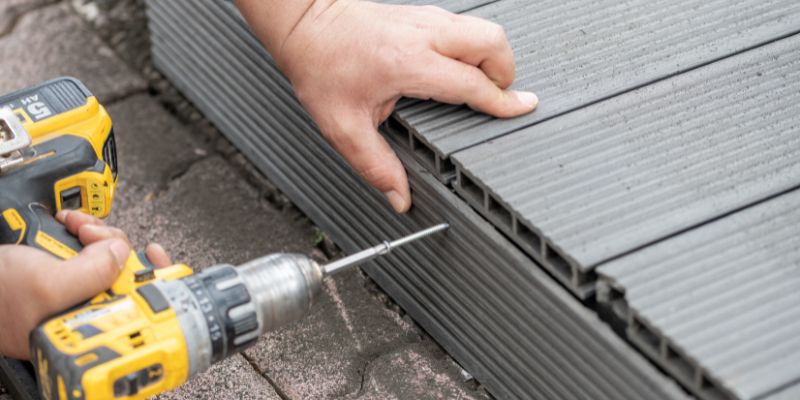
One thing I learned the hard way: always pre-drill holes when using screws, especially near the ends of the boards. This prevents splitting and ensures a clean finish. Also, make sure the screws are flush with the surface—don’t countersink them too deep, or you’ll risk weakening the board. These screws are great for DIYers because they’re easy to install with a standard drill, and they’re corrosion-resistant, which is a must if you live near the coast.
Plug Systems: The Best of Both Worlds
For those who want the strength of screws but the clean look of hidden fasteners, Trex’s Hideaway Plug System is a game-changer. These systems use screws that are countersunk into the board, then covered with plugs that match the deck’s color and texture. I used this system on a deck with Trex Enhance boards, and the result was stunning—no visible fasteners, just a smooth, seamless surface.
The catch with plug systems is that they require a bit more work. You’ll need a special counterbore tool to drill the perfect hole for the plug, and installation can be time-consuming if you’re doing a large deck. But if you’re after a high-end look and don’t mind the extra effort, plugs are worth it. Just note that plug systems aren’t recommended for Trex Enhance boards with a scalloped underside, as the thinner profile can’t handle the deeper countersinking.
Here’s a quick comparison of the main Trex fastener types to help you choose:
| Fastener Type | Best For | Pros | Cons |
|---|---|---|---|
| Hidden Clips (e.g., Trex Hideaway Universal) | Grooved-edge boards, seamless look | Clean finish, easy installation, consistent spacing | Only for grooved boards, higher cost |
| Color-Matched Screws | Square-edge boards, fascia, budget-friendly | Easy to install, blends with deck color, corrosion-resistant | Visible screw heads, requires pre-drilling |
| Plug Systems | Grooved or square-edge boards, premium look | Nearly invisible, strong hold, matches deck material | Time-consuming, not for scalloped boards, requires special tools |
Why Choose Trex-Recommended Fasteners?
You might be wondering, “Can’t I just use any composite decking screws?” I get it—generic screws are often cheaper and easier to find. But here’s why I always stick with Trex-recommended fasteners. First, they’re designed to work with the unique properties of Trex boards. Composite decking expands and contracts more than wood, and Trex fasteners are engineered to accommodate that movement without causing damage. Generic screws, especially wood screws, can cause mushrooming or even crack the boards.
Second, Trex fasteners come with the same warranty as their decking—up to 25 years in some cases. If you use non-recommended fasteners, you risk voiding that warranty. I learned this lesson when a neighbor used cheap screws to save a few bucks, only to find out his warranty claim was denied when his deck started having issues. Finally, Trex fasteners are corrosion-resistant, which is a big deal if you live in a humid or coastal area. Trust me, the last thing you want is rusty screws staining your beautiful deck.
Installation Tips for Trex Fasteners: My Tried-and-True Advice
Installing Trex fasteners isn’t rocket science, but there are a few tricks I’ve picked up that can save you time and headaches. Whether you’re using hidden clips, screws, or plugs, here’s how to get it right:
Get Your Spacing Right
Trex boards need room to expand and contract, so proper spacing is critical. For side-to-side gaps, aim for 1/8 to 3/16 inches, depending on the temperature during installation. If it’s a hot day, go for a smaller gap; if it’s cold, leave a bit more space. For end-to-end gaps, 1/8 inch is usually enough, but check the Trex installation guide for specifics. I like using a deck board spanner or jig to keep spacing consistent—it’s a lifesaver for big projects.
Pre-Drill Like a Pro
When using screws or plugs, always pre-drill holes, especially near the ends of the boards. I use a 1/8-inch drill bit and make sure the hole is about 1 inch from the edge. This prevents splitting and makes it easier to drive the screw in straight. If you’re using a plug system, invest in the Trex Counterbore Tool—it’s designed to create the perfect hole depth for plugs.
Use the Right Tools
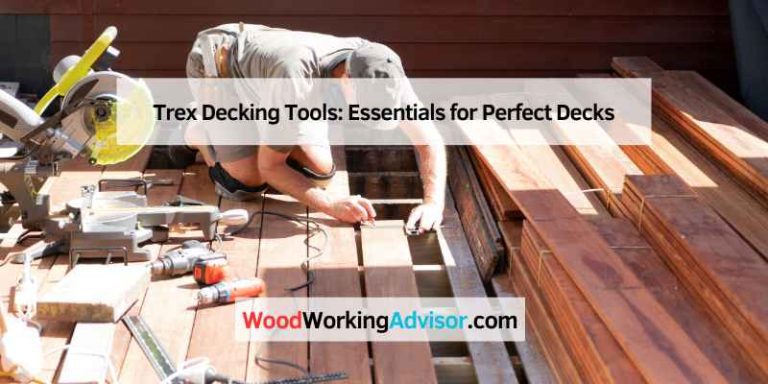
For hidden clips, the Trex Universal Fastener Installation Tool is a game-changer. It cuts installation time in half by driving the screws at the perfect angle. For screws, a standard drill with a Phillips or star bit works fine, but make sure you’re using the Trex-recommended bit for their plug systems. I once tried using a generic bit, and it stripped the screw heads—lesson learned!
Don’t Skimp on Fasteners
Trex recommends using two fasteners per joist for most boards, and I stick to that rule. Skimping on fasteners might save you a few bucks upfront, but it can lead to loose boards or uneven surfaces down the road. For fascia boards, use color-matched screws every 12 to 16 inches, and make sure they’re flush with the surface.
Watch Out for Common Mistakes
Even experienced DIYers can mess up. One mistake I made early on was over-tightening screws, which caused the composite material to mushroom. Another time, I didn’t account for proper spacing, and my boards started buckling in the summer heat. Always follow Trex’s guidelines, and double-check your work as you go.
The Benefits of Using Trex Fasteners
After building a few decks with Trex fasteners, I can tell you they’re worth every penny. Here’s why I’m such a fan:
- Seamless Aesthetics: Whether you choose hidden clips or plugs, Trex fasteners give your deck a clean, professional look. No ugly screw heads or rusty stains to ruin the vibe.
- Long-Lasting Durability: Made from stainless steel and other corrosion-resistant materials, these fasteners can handle harsh weather, from scorching summers to freezing winters.
- Low Maintenance: Unlike wood decks that need constant sealing and staining, Trex decks with proper fasteners require minimal upkeep. Just a quick wash with soap and water keeps them looking great.
- Warranty Protection: Using Trex-recommended fasteners ensures your deck stays under warranty, giving you peace of mind for decades.
Choosing the Right Fastener for Your Trex Deck
So, how do you pick the perfect fastener for your project? It depends on a few factors: your budget, the type of Trex boards you’re using, and the look you’re going for. If you’re building a large deck with grooved boards and want a sleek, screw-free surface, go for the Trex Hideaway Universal Hidden Fasteners. They’re easy to install and give a flawless finish. For smaller projects or areas like stairs and fascia, color-matched screws are a budget-friendly choice that still looks great. If you’re after a high-end, custom look and don’t mind the extra work, the plug system is the way to go.
I always recommend laying out your deck design before buying fasteners. For example, if you’re doing a picture-frame border with square-edge boards, you’ll need screws or plugs for those areas, even if the main deck uses hidden clips. Also, check your local building codes—some areas have specific requirements for joist spacing and fastener placement.
My Personal Experience with Trex Fasteners
Let me share a quick story about my favorite deck project. A couple of summers ago, I built a Trex deck for my backyard using the Hideaway Universal Hidden Fasteners. It was my first time using hidden clips, and I was nervous about getting the spacing right. But the Trex installation tool made it so easy, and the result was a deck that looked like it was built by a pro. My wife loves hosting barbecues on it, and every time someone compliments the clean look, I feel a little proud knowing I nailed the fastener choice.
That said, I did run into a small issue with the starter clips on the first board. They kept slipping until I figured out how to hold them in place with a small piece of decking material, as Trex suggests. Once I got the hang of it, the rest of the installation was smooth sailing. If I could go back, I’d probably invest in a few extra clips to have on hand for mistakes—better safe than sorry!
Maintenance and Care for Your Trex Deck
One of the best things about Trex decking is how low-maintenance it is, but your fasteners play a big role in keeping it that way. Hidden fasteners and plugs help prevent water from seeping into screw holes, which can cause mold or damage over time. If you use screws, make sure they’re flush to avoid trapping dirt and debris. I clean my deck once or twice a year with a mild detergent and a soft brush, and it still looks as good as the day I built it.
If you notice any loose boards or fasteners over time, don’t panic. It’s usually an easy fix with a drill and a few replacement screws or clips. Just make sure to check your deck regularly, especially after extreme weather, to catch any issues early.
Conclusion: Build Your Dream Deck with Confidence
Building a Trex deck is one of the most rewarding projects I’ve ever tackled, and choosing the right fasteners is a huge part of that success. Whether you go for the sleek look of hidden clips, the reliability of color-matched screws, or the premium finish of plugs, Trex fasteners are designed to make your deck strong, beautiful, and long-lasting. I’ve seen firsthand how the right fasteners can transform a good deck into a great one, and I hope this guide has given you the confidence to make the best choice for your project.
Take your time, follow the installation tips, and don’t be afraid to invest in quality fasteners—it’s worth it for a deck you’ll love for decades. If you’re ready to start building, grab your tools, pick your Trex fasteners, and get ready to create an outdoor space that’s perfect for relaxing, entertaining, or just soaking up the sun. Happy deck-building!
FAQs About Trex Composite Decking Fasteners
Hidden fasteners, like Trex Hideaway Universal Clips, fit into the grooves of deck boards for a screw-free look. Screws, like Trex Color-Match Screws, are driven through the board’s surface and are visible but blend in with the deck color. Hidden fasteners give a cleaner finish, while screws are easier to install and better for square-edge boards.
Can I use regular wood screws with Trex decking?
No, I wouldn’t recommend it. Wood screws can cause mushrooming or cracking in composite boards because they’re not designed for the material’s unique properties. Trex-recommended fasteners are engineered to prevent these issues and maintain your warranty.
How many fasteners do I need for my Trex deck?
It depends on your deck size and joist spacing. Trex recommends two fasteners per joist for most boards. For a 100-square-foot deck with joists 16 inches apart, you’ll need about 400 fasteners for hidden clips or screws. Always check the Trex installation guide for exact numbers.
Are Trex fasteners corrosion-resistant?
Yes, Trex fasteners, like their stainless steel clips and screws, are designed to resist corrosion. This makes them ideal for humid, coastal, or rainy areas where rust could be a problem.
Can I install Trex fasteners myself, or do I need a professional?
You can definitely install Trex fasteners yourself if you’re comfortable with basic tools like a drill and saw. Hidden clips are easy with the Trex installation tool, and screws are straightforward with pre-drilling. Just follow the Trex guide to avoid mistakes. If you’re unsure, a professional can ensure a perfect finish.